
Many healthcare providers, hospital administrators, rehabilitation centers, and home care organizations ask the same question: are adjustable beds truly necessary, or can traditional beds still meet modern healthcare demands? As patient needs become more complex and expectations for comfort, safety, and recovery continue to rise, relying on outdated bed systems can negatively affect clinical outcomes and caregiver efficiency. Fortunately, adjustable beds provide a practical solution by improving patient care, enhancing safety, reducing staff workload, and supporting better healthcare delivery across a wide range of medical environments.
Adjustable beds are becoming essential in modern healthcare because they improve patient comfort, enhance safety, support faster recovery, reduce caregiver strain, and help prevent complications such as pressure injuries, falls, and respiratory problems. Their flexibility allows healthcare professionals to position patients accurately for treatment, rehabilitation, and daily care, making adjustable beds a critical investment for hospitals, nursing homes, rehabilitation centers, and home healthcare providers.
Modern healthcare requires smarter solutions. Understanding the benefits of adjustable beds reveals why they are rapidly becoming a standard in patient care worldwide.
People Also Ask
What Is an Adjustable Bed?
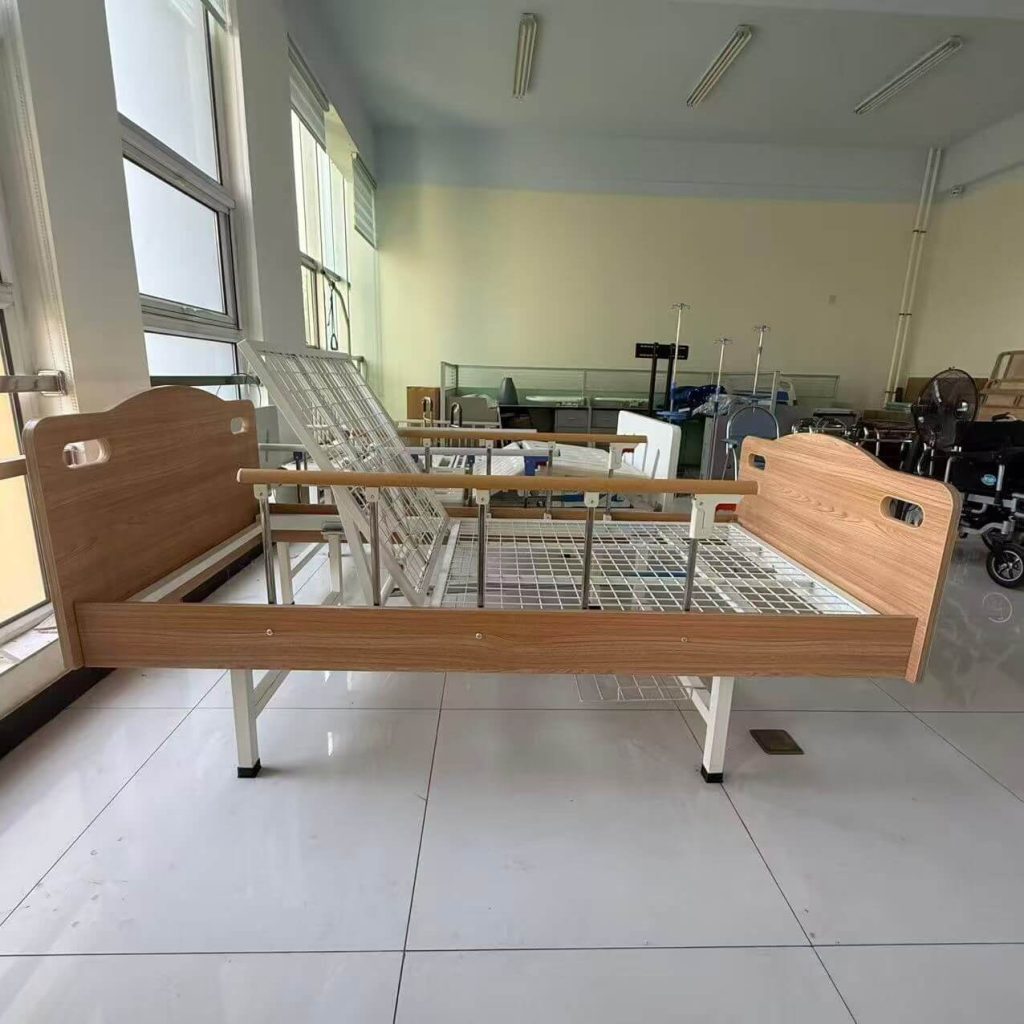
An adjustable bed is a healthcare bed designed to change position through manual or electric controls. Unlike traditional flat beds, adjustable beds allow caregivers and patients to raise or lower different sections of the bed according to medical needs.
Common adjustment functions include:
- Backrest elevation
- Leg elevation
- Height adjustment
- Trendelenburg positioning
- Reverse Trendelenburg positioning
- Cardiac chair positioning
These functions provide healthcare professionals with greater flexibility when caring for patients with varying medical conditions.
Today, adjustable beds are widely used in hospitals, rehabilitation centers, nursing homes, long-term care facilities, and private homes.
Why Has Demand for Adjustable Beds Increased?
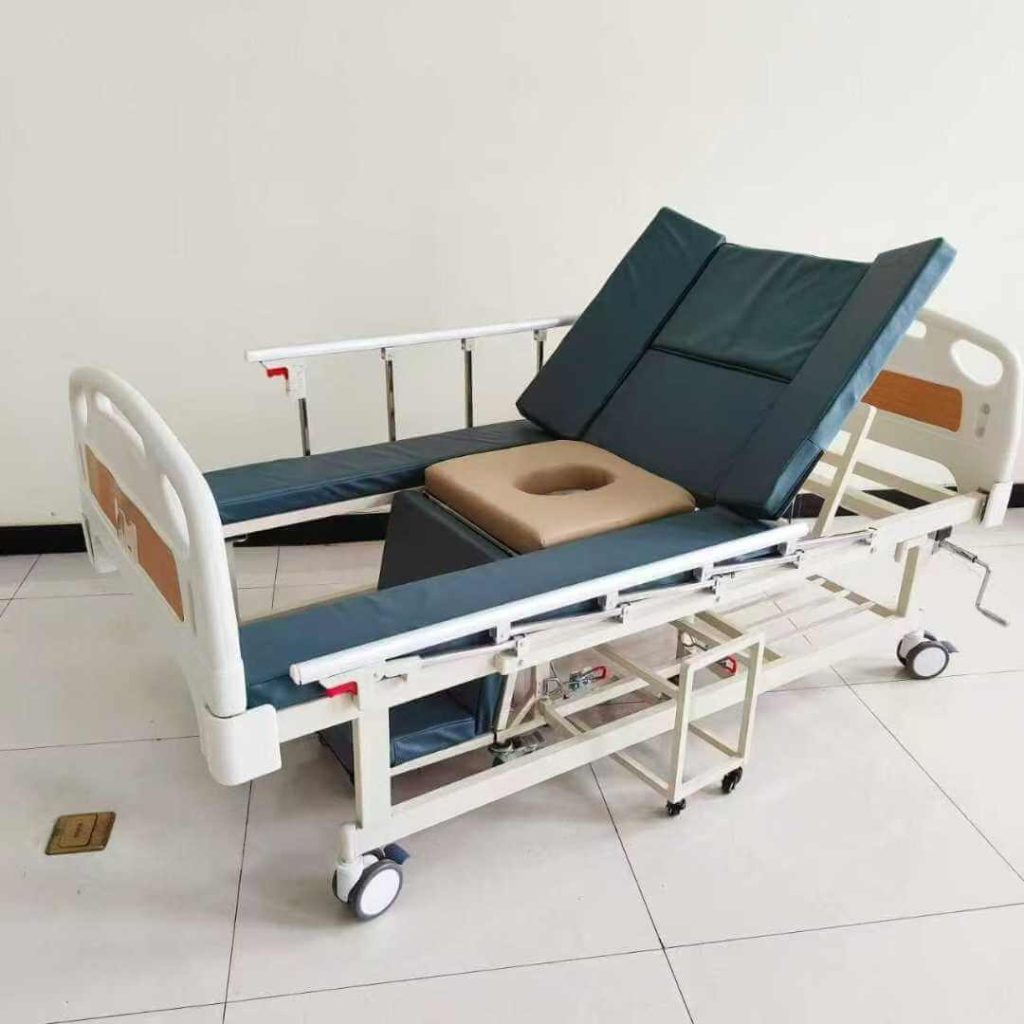
Healthcare systems around the world are undergoing significant changes.
Several major trends are driving increased demand for adjustable beds.
Aging Populations
The global population is aging rapidly.
Older adults often experience:
- Reduced mobility
- Chronic illnesses
- Joint disorders
- Neurological conditions
- Long-term recovery needs
These patients frequently require specialized positioning support that traditional beds cannot provide effectively.
Growth of Home Healthcare
Healthcare providers increasingly encourage patients to recover at home whenever possible.
Home healthcare offers:
- Lower healthcare costs
- Improved patient satisfaction
- Reduced hospital overcrowding
- Better emotional well-being
Adjustable beds help replicate hospital-level support within a home environment.
Higher Patient Expectations
Modern patients expect more than basic treatment.
They seek:
- Comfort
- Independence
- Safety
- Personalized care
Adjustable beds help healthcare providers meet these expectations while improving overall patient experiences.
How Do Adjustable Beds Improve Patient Comfort?
Comfort plays a critical role in healthcare outcomes.
Patients who remain comfortable are often more cooperative, experience less stress, and achieve better recovery results.
Personalized Positioning
Every patient has unique physical needs.
Adjustable beds allow individuals to find comfortable positions for:
- Sleeping
- Reading
- Eating
- Watching television
- Receiving treatment
This flexibility significantly improves daily living experiences.
Reduced Muscle and Joint Strain
Patients suffering from conditions such as arthritis, osteoporosis, spinal injuries, or postoperative pain often benefit from adjustable positioning.
Proper support can reduce:
- Lower back pressure
- Joint discomfort
- Muscle stiffness
- Circulatory problems
Improved Sleep Quality
Sleep is a critical component of recovery.
Patients who struggle to find comfortable sleeping positions may experience interrupted rest and delayed healing.
Adjustable beds help optimize sleeping posture and improve sleep quality.
How Do Adjustable Beds Improve Patient Safety?

Patient safety remains one of the highest priorities in healthcare.
Adjustable beds contribute directly to safer patient care environments.
Fall Prevention
Patient falls continue to be one of the most common causes of injury in healthcare facilities.
Height-adjustable beds help reduce risks by allowing caregivers to lower the bed during patient transfers and movement.
Additional safety features often include:
- Side rails
- Locking casters
- Bed exit alarms
- Anti-slip surfaces
Safer Transfers
Moving patients between beds, wheelchairs, and stretchers can create injury risks.
Height-adjustable beds allow caregivers to position patients at safer transfer levels, reducing accidents and improving efficiency.
Emergency Positioning
Certain medical emergencies require immediate repositioning.
Electric adjustable beds allow caregivers to respond quickly during situations involving:
- Respiratory distress
- Cardiac emergencies
- Shock management
- Postoperative complications
How Do Adjustable Beds Help Prevent Pressure Injuries?
Pressure injuries remain a major concern in hospitals and long-term care facilities.
Patients who spend extended periods in bed are particularly vulnerable.
Better Pressure Redistribution
Adjustable beds help redistribute body weight and reduce concentrated pressure on key areas.
These include:
- Heels
- Hips
- Shoulders
- Tailbone
- Lower back
Reducing pressure can significantly lower the risk of skin breakdown.
Easier Repositioning
Healthcare staff must frequently reposition patients to maintain healthy circulation and skin integrity.
Electric bed adjustments simplify this process and encourage more consistent repositioning schedules.
Compatibility with Advanced Mattresses
Many adjustable beds work alongside specialized mattresses such as:
- Alternating pressure mattresses
- Low air loss mattresses
- Foam pressure relief mattresses
Together, these systems provide comprehensive pressure injury prevention.
Why Are Adjustable Beds Important for Respiratory Health?
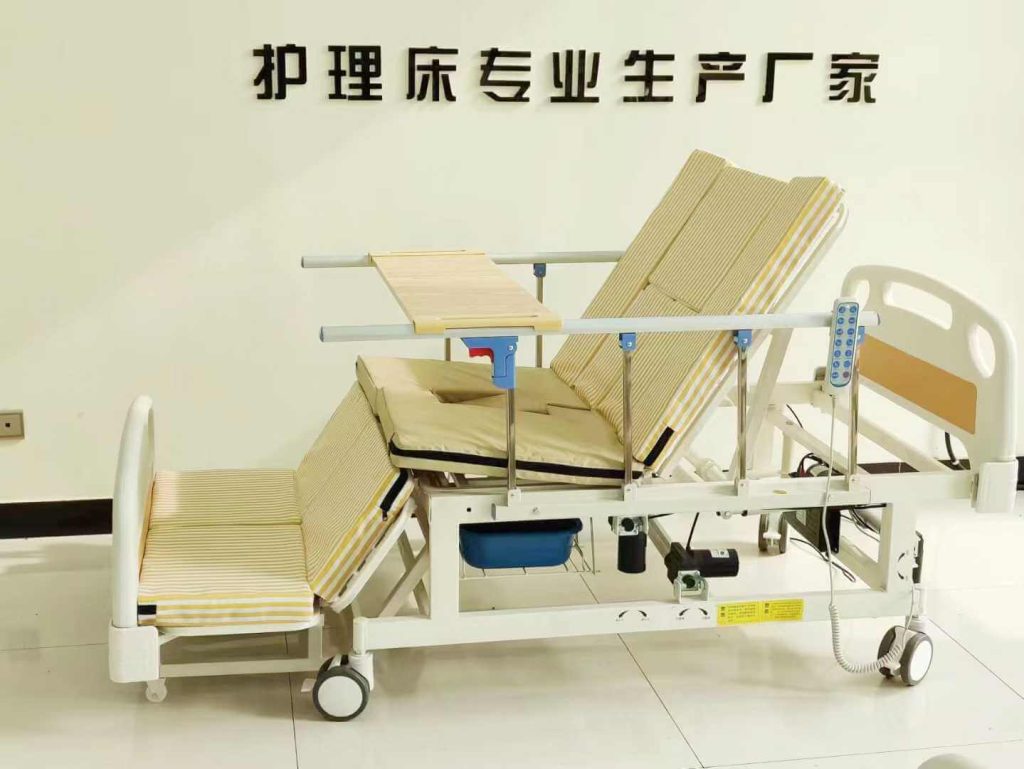
Respiratory support is one of the most significant clinical advantages of adjustable beds.
Improved Lung Expansion
Elevating the upper body allows the lungs to expand more effectively.
This is particularly beneficial for patients with:
- COPD
- Pneumonia
- Asthma
- Congestive heart failure
- Respiratory infections
Reduced Breathing Difficulty
Many patients experience shortness of breath while lying flat.
Raising the head section of the bed often improves breathing comfort immediately.
Lower Aspiration Risk
Patients receiving tube feeding or recovering from surgery may face aspiration risks.
Maintaining elevated positioning can reduce the likelihood of aspiration-related complications.
How Do Adjustable Beds Support Rehabilitation?
Rehabilitation focuses on restoring mobility, independence, and quality of life.
Adjustable beds contribute significantly to these goals.
Assisting Mobility Training
Patients recovering from:
- Stroke
- Orthopedic surgery
- Traumatic injuries
- Neurological disorders
often require gradual mobility progression.
Adjustable beds help facilitate safe movement and positioning exercises.
Supporting Therapy Sessions
Physical and occupational therapists frequently use adjustable beds during treatment.
Position changes can improve patient participation and therapeutic effectiveness.
Encouraging Independence
Many adjustable beds include user-friendly controls.
Patients can independently adjust their position, promoting confidence and self-sufficiency.
Why Do Caregivers Prefer Adjustable Beds?
Caregiver well-being is increasingly recognized as an important component of healthcare quality.
Reduced Physical Strain
Manual patient handling is a leading cause of workplace injuries among healthcare workers.
Adjustable beds reduce the need for:
- Lifting
- Bending
- Twisting
- Repositioning efforts
Improved Ergonomics
Caregivers can raise beds to comfortable working heights, reducing stress on the back and shoulders.
This improves workplace safety and productivity.
Faster Patient Care
Routine activities become easier and more efficient.
Examples include:
- Feeding
- Hygiene care
- Dressing changes
- Medical assessments
- Medication administration
Healthcare staff can complete tasks more quickly without compromising care quality.
How Are Adjustable Beds Transforming Hospitals?
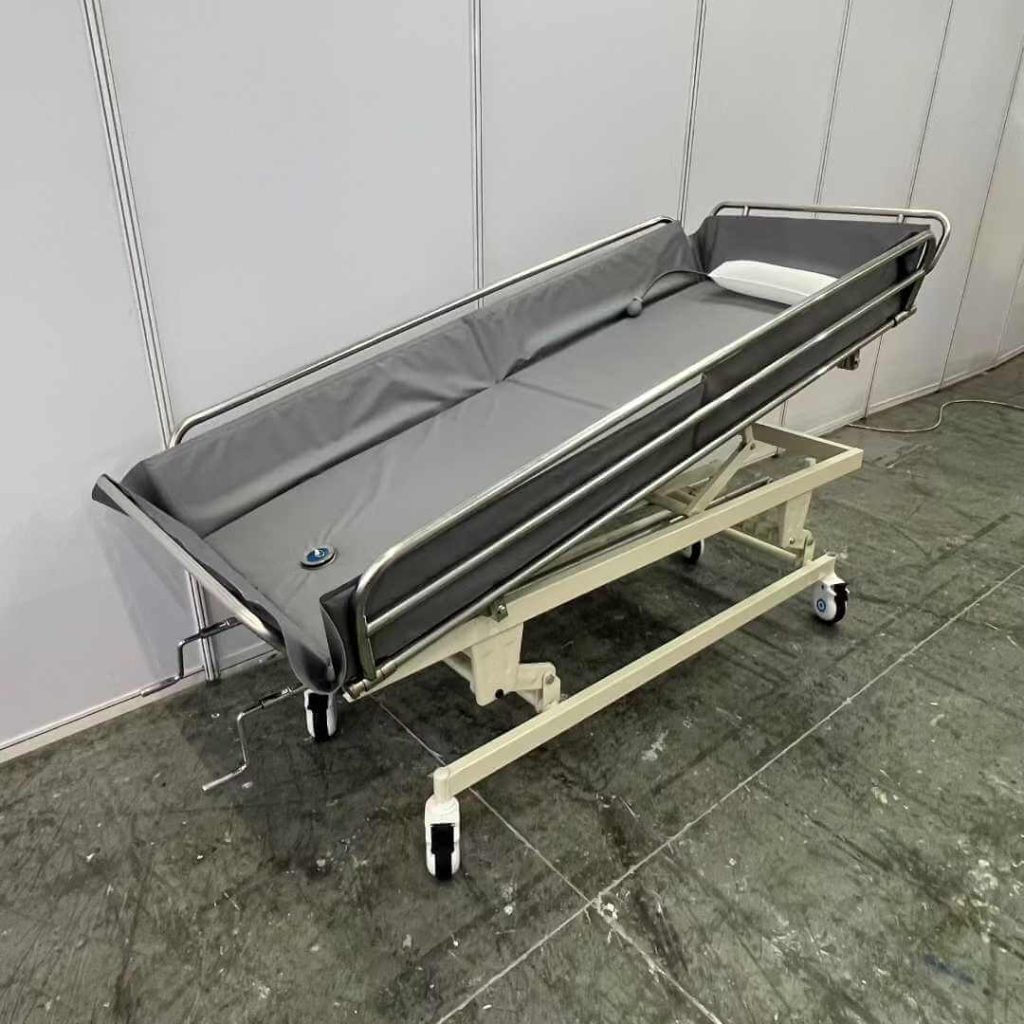
Hospitals face increasing pressure to improve patient outcomes while managing costs.
Adjustable beds support both objectives.
Better Clinical Outcomes
Proper positioning can contribute to:
- Faster recovery
- Reduced complications
- Improved circulation
- Enhanced respiratory function
These benefits can help reduce hospital stays and improve patient satisfaction.
Enhanced Operational Efficiency
Healthcare staff can deliver care more efficiently when beds support patient positioning and mobility.
This leads to improved workflow management.
Higher Patient Satisfaction Scores
Patient experience has become an important performance metric.
Comfortable and functional adjustable beds contribute directly to positive patient feedback.
Why Are Adjustable Beds Essential in Long-Term Care Facilities?
Long-term care residents often spend significant time in bed.
Their needs differ substantially from short-term hospital patients.
Managing Chronic Conditions
Residents frequently experience:
- Arthritis
- Parkinson’s disease
- Stroke-related disabilities
- Dementia
- Cardiovascular conditions
Adjustable beds help manage these challenges more effectively.
Improving Daily Comfort
Comfort remains important regardless of care duration.
Long-term residents benefit from flexible positioning throughout the day.
Supporting Dignity and Independence
Residents who can independently adjust their beds often maintain a greater sense of control over their environment.
Are Adjustable Beds Valuable for Home Healthcare?

The home healthcare sector continues to expand globally.
Adjustable beds have become a cornerstone of professional home care.
Hospital-Level Care at Home
Patients can receive advanced support without remaining in healthcare facilities.
This reduces costs while maintaining quality care.
Better Support for Family Caregivers
Family caregivers often lack medical training.
Adjustable beds simplify many caregiving tasks and reduce physical demands.
Enhanced Quality of Life
Patients recovering at home often experience greater emotional comfort when they can remain in familiar surroundings while receiving proper care.
What Features Should Healthcare Buyers Consider?
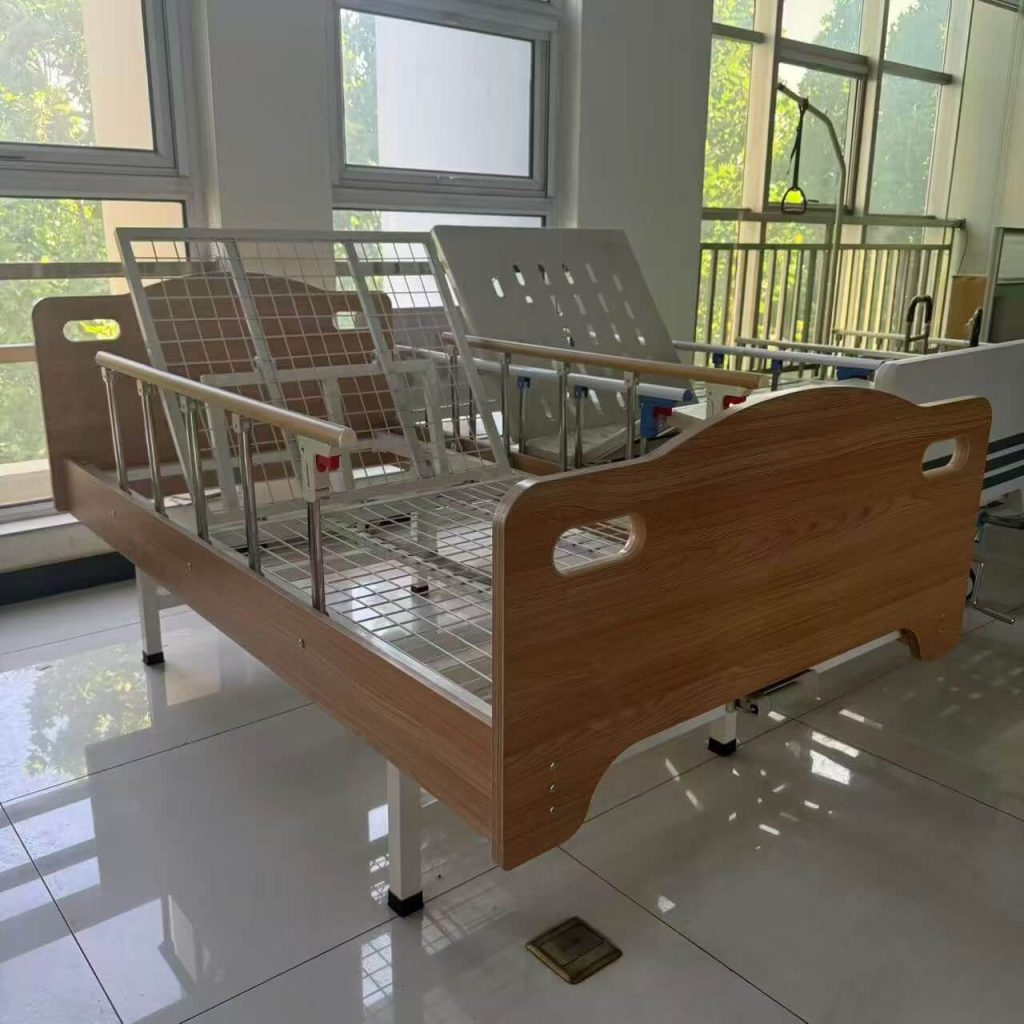
Selecting the right adjustable bed requires careful evaluation.
Electric Adjustment Functions
Modern healthcare beds should provide:
- Backrest elevation
- Knee adjustment
- Height adjustment
- Trendelenburg positioning
- Reverse Trendelenburg positioning
Durable Frame Construction
Durability affects both safety and long-term value.
Healthcare buyers should prioritize:
- High-strength steel frames
- Stable construction
- Corrosion-resistant materials
Safety Features
Important safety considerations include:
- Side rails
- Emergency CPR release
- Central locking casters
- Battery backup systems
Easy Cleaning and Maintenance
Healthcare environments require strict infection control standards.
Beds should be designed for efficient cleaning and servicing.
Accessory Compatibility
Healthcare facilities often require accessories such as:
- IV poles
- Overbed tables
- Patient lifts
- Monitoring equipment
Compatibility improves operational flexibility.
What Role Does Technology Play in Modern Adjustable Beds?
Today’s adjustable beds are far more advanced than earlier models.
Smart Monitoring Systems
Some beds integrate:
- Weight monitoring
- Exit detection
- Movement tracking
- Position reminders
Nurse Call Integration
Advanced beds can communicate directly with nursing stations, improving response times.
Data Collection Capabilities
Certain models support healthcare analytics and patient monitoring initiatives.
These features help healthcare providers improve care quality and operational efficiency.
How Will Adjustable Beds Shape the Future of Healthcare?
Healthcare is moving toward more patient-centered and technology-driven care models.
Adjustable beds align perfectly with these trends.
Future innovations may include:
- Artificial intelligence-assisted positioning
- Predictive pressure injury prevention
- Advanced remote monitoring
- Automated repositioning systems
- Enhanced telehealth integration
As healthcare systems continue to evolve, adjustable beds will play an increasingly important role in supporting patient safety, comfort, and recovery.
Conclusion
Adjustable beds have become far more than a comfort feature. They are now an essential healthcare tool that improves patient safety, enhances comfort, supports rehabilitation, reduces caregiver strain, and contributes to better clinical outcomes. From hospitals and rehabilitation centers to nursing homes and home healthcare environments, adjustable beds help healthcare providers deliver higher-quality care while improving operational efficiency.
For healthcare buyers, distributors, facility managers, and care providers, investing in high-quality adjustable beds is a strategic decision that supports both patient well-being and long-term organizational success.
What are your thoughts on the future of adjustable bed technology? Feel free to leave a comment, share this article with your colleagues, or contact us to discuss the right adjustable bed solutions for your healthcare facility.