
Many healthcare providers, nursing homes, and home caregivers wonder whether wheelchair-integrated hospital beds are worth the investment and how they improve patient care. Choosing the wrong mobility solution can increase transfer-related injuries, caregiver fatigue, and patient discomfort. Fortunately, wheelchair-integrated hospital beds offer a practical solution by combining mobility and patient support into a single system, improving safety, efficiency, and comfort.
Wheelchair-integrated hospital beds combine the functions of a hospital bed and a wheelchair, allowing patients to move more safely and efficiently without frequent manual transfers. These beds improve patient comfort, reduce caregiver workload, minimize fall risks, and enhance mobility. They are widely used in hospitals, rehabilitation centers, long-term care facilities, and home care environments where patient movement and safety are critical.
Understanding how these multifunctional beds work can help healthcare buyers make smarter purchasing decisions.
What Is a Wheelchair-Integrated Hospital Bed?
A wheelchair-integrated hospital bed is a specialized medical bed designed to transform from a traditional bed into a wheelchair or transport chair. Instead of requiring caregivers to manually transfer patients from a bed to a separate wheelchair, the bed itself can convert into a mobile seating unit.
This innovative design addresses one of the most challenging aspects of patient care: safe patient transfer. Patients with limited mobility often require assistance multiple times each day for transportation, rehabilitation, examinations, meals, and social activities. Every transfer carries risks for both patients and caregivers.
By integrating wheelchair functionality directly into the bed structure, healthcare providers can significantly reduce these challenges while improving operational efficiency.
How Do Wheelchair-Integrated Hospital Beds Work?
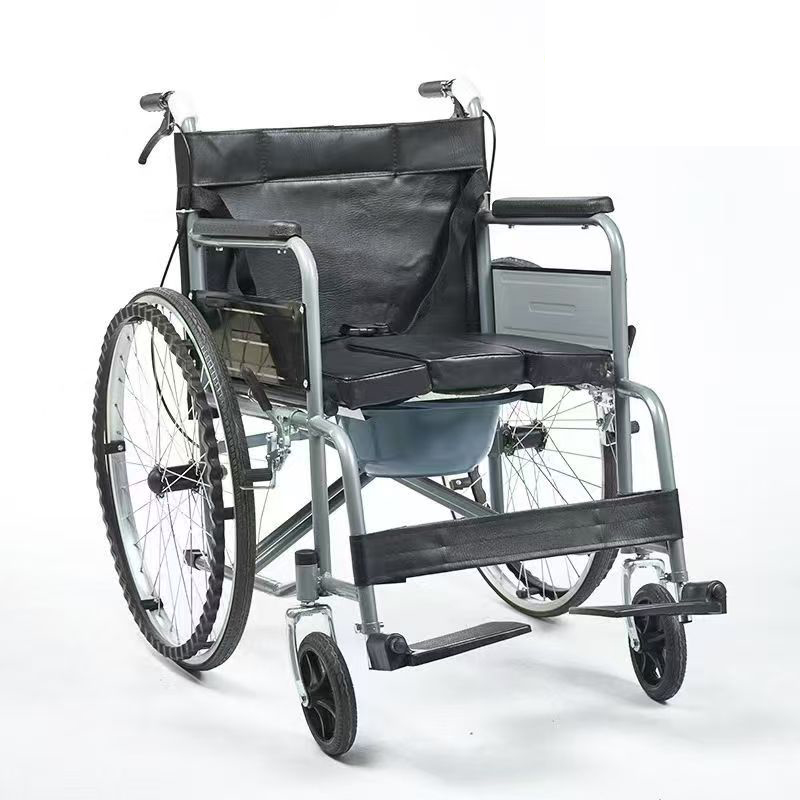
Although designs vary among manufacturers, most wheelchair-integrated hospital beds use electric motors, adjustable frames, and detachable seating systems to facilitate movement.
Electric Positioning Functions
Modern wheelchair-integrated beds typically feature electric adjustments for:
- Backrest elevation
- Knee adjustment
- Height adjustment
- Trendelenburg and reverse Trendelenburg positioning
These functions help prepare patients for a smooth transition from lying down to a seated position.
Convertible Seating Design
The mattress platform can be reconfigured into a chair-like arrangement. This allows patients to sit comfortably while remaining supported by the same system.
Detachable Wheelchair Section
Some advanced models allow the wheelchair portion to detach from the main bed frame, enabling transportation throughout a healthcare facility.
Integrated Safety Features
Most models include:
- Locking casters
- Side rails
- Emergency stop systems
- Anti-tip mechanisms
- Secure braking systems
These features help maintain patient safety during movement and transfer procedures.
Why Are Wheelchair-Integrated Hospital Beds Becoming More Popular?
Healthcare facilities worldwide face increasing pressure to improve efficiency while maintaining high standards of patient care.
Several trends contribute to the growing demand for wheelchair-integrated hospital beds.
Aging Global Population
The number of elderly individuals continues to rise worldwide. Many older adults experience mobility limitations that require specialized care equipment.
Increased Demand for Long-Term Care
Chronic illnesses and longer life expectancy have increased the need for long-term patient care solutions.
Shortage of Healthcare Workers
Many healthcare systems face staffing challenges. Equipment that reduces physical labor can help caregivers manage workloads more effectively.
Greater Focus on Patient Safety
Preventing falls and transfer-related injuries has become a major priority for healthcare providers and regulatory organizations.
These factors make multifunctional medical beds increasingly attractive for healthcare institutions.
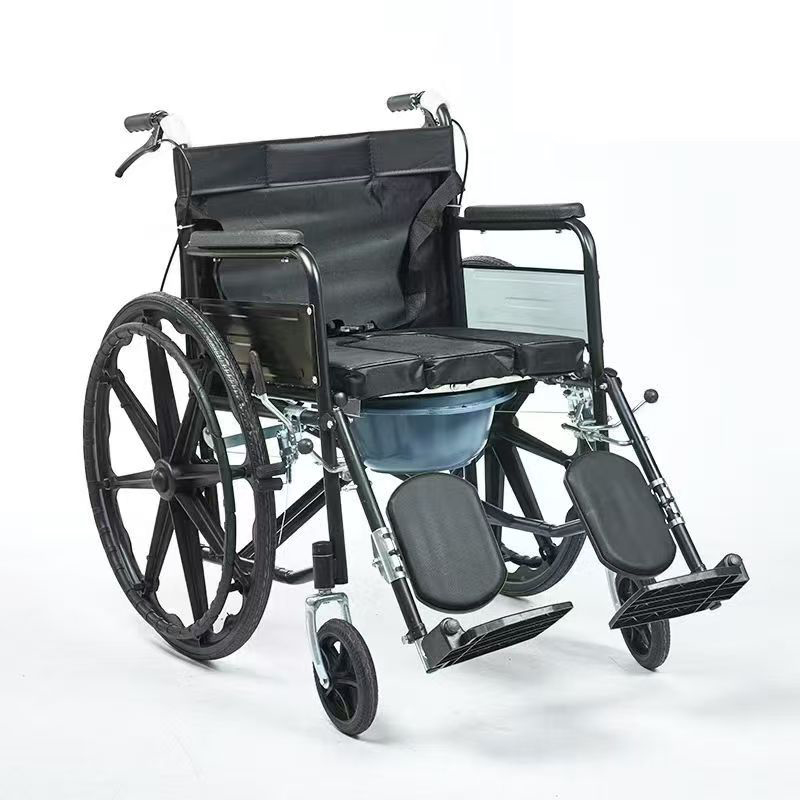
What Are the Main Benefits of Wheelchair-Integrated Hospital Beds?
Reduced Patient Transfer Risks
One of the most significant advantages is the reduction of manual patient transfers.
Traditional transfers often require caregivers to lift or reposition patients multiple times daily. These movements can lead to:
- Patient falls
- Skin injuries
- Joint discomfort
- Accidental trauma
Wheelchair-integrated beds minimize these risks by reducing the number of transfers required.
Improved Caregiver Safety
Healthcare workers frequently experience musculoskeletal injuries caused by repetitive lifting.
Using a wheelchair-integrated hospital bed helps reduce:
- Back strain
- Shoulder injuries
- Physical fatigue
- Repetitive stress injuries
This contributes to a safer workplace environment.
Enhanced Patient Comfort
Patients often feel anxious or uncomfortable during transfers.
Because wheelchair-integrated beds allow movement without repeated lifting, patients experience:
- Less physical stress
- Improved comfort
- Greater dignity
- Reduced anxiety
Comfort can play an important role in the recovery process.
Increased Patient Independence
Some patients can participate more actively in mobility activities when using a wheelchair-integrated bed.
This increased independence often improves confidence, mental well-being, and overall quality of life.
Better Operational Efficiency
Healthcare facilities benefit from faster patient transportation and reduced staff workload.
As a result, caregivers can spend more time focusing on direct patient care rather than physical transfer tasks.
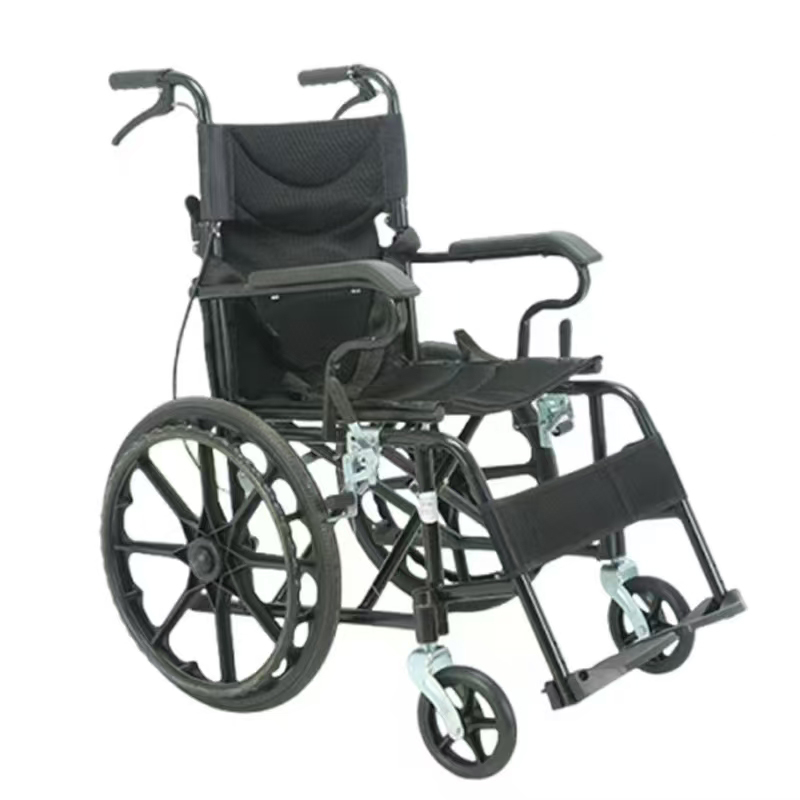
Applications in Hospitals
Hospitals represent one of the largest markets for wheelchair-integrated hospital beds.
Surgical Recovery Units
Patients recovering from surgery often require limited movement during the early stages of recovery.
Wheelchair-integrated beds facilitate safe transportation for:
- Medical examinations
- Diagnostic imaging
- Therapy sessions
- Follow-up treatments
Neurology Departments
Stroke patients frequently experience mobility impairments.
Integrated mobility solutions allow caregivers to transport patients more safely while supporting rehabilitation goals.
Orthopedic Wards
Patients recovering from fractures, joint replacements, or spinal procedures benefit from reduced movement during transfers.
Intensive Care Units
Some specialized models can support patient mobility needs while maintaining essential monitoring and treatment requirements.
Applications in Rehabilitation Centers
Rehabilitation facilities place a strong emphasis on patient mobility and recovery.
Stroke Rehabilitation Programs
Patients often need repeated transportation between therapy sessions and recovery rooms.
Wheelchair-integrated beds simplify these transitions.
Spinal Cord Injury Recovery
Early-stage rehabilitation requires careful handling of patients with limited mobility.
Integrated beds provide a safer transportation solution.
Physical Therapy Departments
Therapists can move patients efficiently while reducing physical strain on both patients and staff.
Long-Term Rehabilitation Programs
Patients undergoing extended recovery often appreciate the additional comfort provided by multifunctional beds.
Applications in Nursing Homes and Long-Term Care Facilities
Long-term care environments often serve elderly residents with chronic mobility limitations.
Elderly Patient Care
Many seniors require daily assistance for movement and positioning.
Wheelchair-integrated beds improve safety while supporting independence.
Chronic Disease Management
Patients with neurological disorders, arthritis, and other chronic conditions benefit from simplified mobility solutions.
Daily Living Activities
Residents can more easily participate in meals, recreational activities, and social events.
Reduced Caregiver Burden
Care teams can manage resident mobility more efficiently, improving overall facility operations.
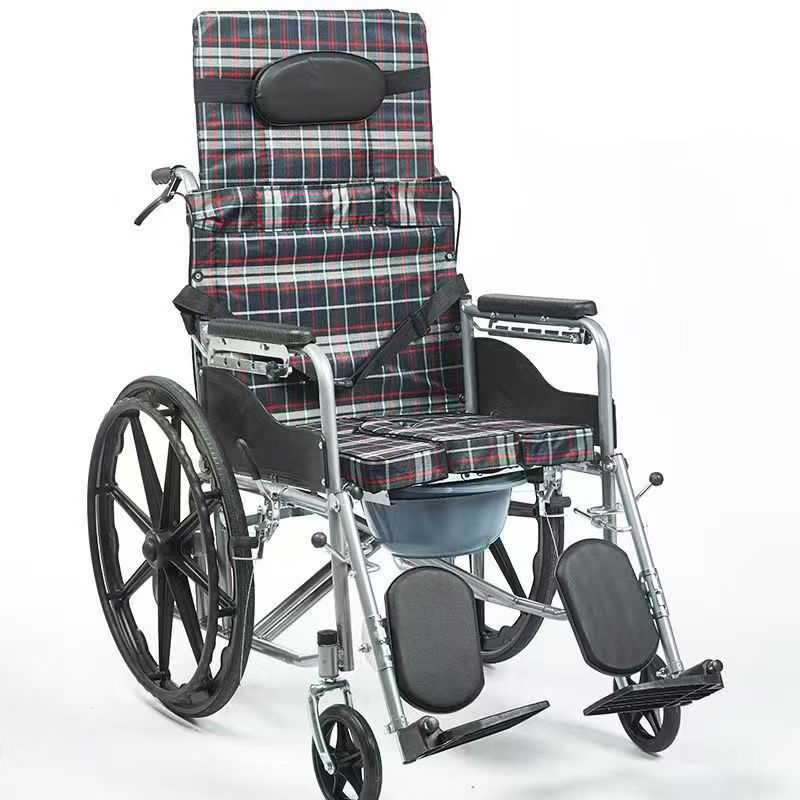
Applications in Home Care Settings
Home healthcare continues to expand as more patients choose to receive care at home.
Family Caregiver Support
Many family caregivers lack specialized lifting equipment or professional training.
Wheelchair-integrated beds simplify patient movement and reduce physical demands.
Improved Home Safety
Reducing manual transfers lowers the risk of accidents for both patients and caregivers.
Greater Patient Mobility
Patients can move more comfortably throughout their daily routines.
Better Quality of Life
Improved mobility often allows patients to remain more active and engaged.
What Features Should Buyers Consider?
Healthcare buyers should evaluate several important factors before selecting a wheelchair-integrated hospital bed.
Weight Capacity
The bed should support the intended patient population safely and comfortably.
Electric Adjustment Functions
Advanced positioning features improve patient comfort and caregiver convenience.
Wheelchair Conversion Mechanism
Buyers should evaluate whether a detachable or integrated wheelchair system best suits their application.
Safety Systems
Essential safety features include:
- Side rails
- Locking brakes
- Emergency controls
- Anti-collision protection
Mattress Compatibility
Pressure-relief mattresses may be necessary for long-term patients at risk of pressure ulcers.
Durability and Maintenance
High-quality materials can reduce maintenance requirements and extend service life.
Regulatory Compliance
International buyers should ensure compliance with applicable healthcare equipment standards and certifications.
Why Choose Jcare as Your Hospital Bed Supplier?
For hospitals, distributors, healthcare projects, and medical equipment importers, selecting a reliable manufacturer is crucial.
Jcare specializes in hospital beds, home care beds, rehabilitation products, medical furniture, and hospital bed accessories. As a China-based manufacturer with a 3,000-square-meter production facility, Jcare provides factory-direct pricing, stable inventory, and fast delivery times for global wholesale customers.
Our products are exported to India, the Middle East, Southeast Asia, Europe, the United States, Japan, and South Korea. We work closely with hospitals, clinics, distributors, nursing homes, and healthcare project contractors to provide dependable medical bed solutions that meet diverse patient care needs.
Conclusion
Wheelchair-integrated hospital beds represent an important advancement in modern healthcare equipment. By combining patient support and mobility functions into a single system, they reduce transfer-related risks, improve caregiver efficiency, enhance patient comfort, and support safer healthcare environments. Their applications span hospitals, rehabilitation centers, nursing homes, and home care settings, making them a valuable investment for healthcare providers worldwide.
Are you considering wheelchair-integrated hospital beds for your facility or healthcare project? Share your thoughts, questions, or experiences in the comments below, and feel free to share this article with colleagues who may benefit from these insights.