
Many buyers ask the same question when comparing electric hospital beds: which design details make daily operation simple for nurses, caregivers, and patients? If a bed is difficult to adjust, move, clean, or maintain, it can slow care and increase complaints. The answer is to evaluate controls, movement, safety, mobility, and maintenance together.
An electric hospital bed is easy to operate when it has clear controls, smooth motorized adjustment, stable lifting, secure side rails, flexible casters, easy-clean surfaces, and practical safety features. For hospitals, clinics, nursing homes, distributors, and home care buyers, an easy-to-use bed should reduce caregiver effort, improve patient comfort, and support reliable daily operation.
The following points explain what buyers should check before placing a bulk order.
Why Ease of Operation Matters in Electric Hospital Beds
Ease of operation is not only a comfort feature. It directly affects nursing efficiency, patient safety, maintenance cost, and long-term satisfaction. In hospitals or nursing homes, staff adjust beds many times a day. They raise the backrest for meals, lower the bed for patient entry, lift it for nursing work, move it for cleaning, and lock the casters during care.
When these actions feel simple, nurses can work faster and with less physical strain. When the bed is complicated, every small task takes longer. This can reduce work efficiency and increase the chance of operation mistakes.
For home care buyers, ease of operation is also important. Family caregivers may not have professional medical training. They need a bed that responds clearly and safely. A simple handset, quiet motor, and stable structure can make daily care easier.
For B2B purchasers, operation experience also affects reputation. A bed that hospitals and end users can use easily is more likely to receive positive feedback, repeat orders, and fewer after-sales complaints.
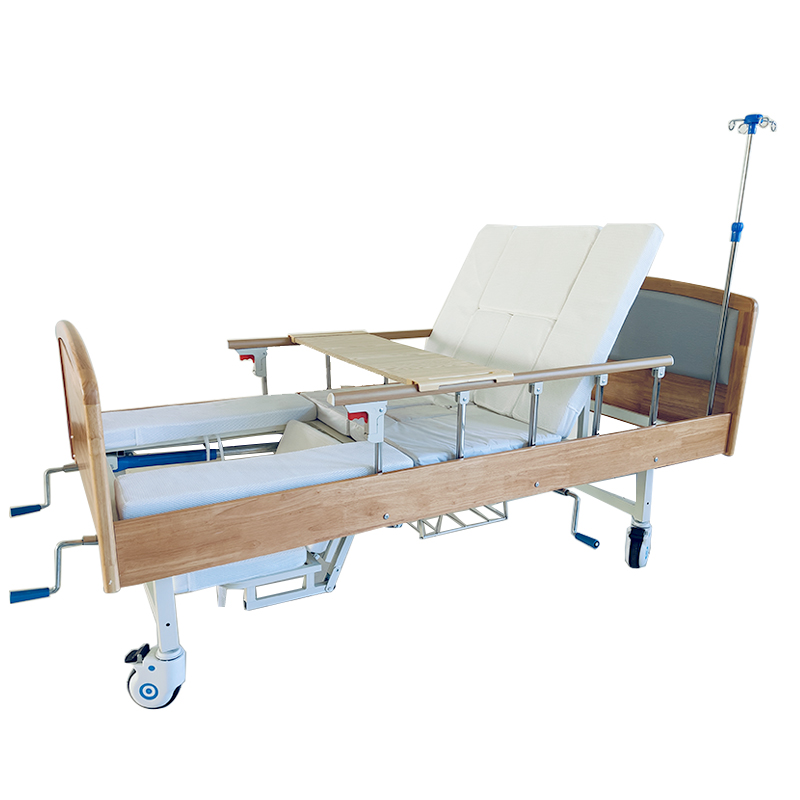
What Control Features Make an Electric Hospital Bed Easy to Use?
The control system is the first part users touch. If the controls are confusing, even a well-built bed can feel difficult to operate.
Clear Handset Layout
A good electric hospital bed should have a handset with clear icons and logical button placement. Users should quickly understand which button raises the backrest, adjusts the leg section, changes bed height, or returns the bed to a flat position.
The handset should also feel comfortable in the hand. Large buttons are useful for elderly users and caregivers who need fast operation. For home care beds, this detail matters because patients may use the handset by themselves.
A simple control layout reduces training time. This is important for hospitals, clinics, rehabilitation centers, and distributors who sell to different customers.
Nurse Control Panel
Some electric hospital beds include a nurse control panel. This feature allows medical staff to manage bed positions from one side of the bed. It can also include lock functions that prevent patients from using certain adjustments without supervision.
This is useful in wards, ICUs, long-term care facilities, and recovery rooms. The panel should be easy to read and positioned where staff can reach it quickly.
One-Button Functions
One-button functions can improve daily efficiency. For example, a one-button flat position can help staff return the bed to a neutral position quickly. Some beds may also offer one-button chair position or emergency positioning.
Buyers should not choose functions only because they sound advanced. The best functions are those that match real care needs and save time.
How Do Smooth Motors Improve Daily Operation?
The motor system is the core of an electric hospital bed. A bed becomes easier to operate when its motors move smoothly, quietly, and consistently.
Smooth Position Adjustment
Smooth movement helps patients feel secure during adjustment. Sudden movement can make elderly users, post-surgery patients, or people with limited mobility feel nervous. A stable adjustment process allows caregivers to position patients with more confidence.
Backrest, leg rest, and height adjustment should move evenly. If one section moves too fast, too slowly, or with shaking, the bed may feel unreliable.
Quiet Motor Performance
Noise matters in medical environments. A loud bed can disturb patients, especially at night. Quiet motor operation supports a calmer ward, nursing home, or home care setting.
For B2B buyers, quiet operation also creates a better product impression. When a bed moves smoothly and quietly during inspection, customers can quickly feel the difference in quality.
Reliable Lifting Capacity
A bed should remain stable during lifting and lowering. Buyers should check the safe working load and confirm that the motor system matches the bed structure. Reliable lifting capacity helps protect patients and reduces strain on bed components.
For bulk orders, buyers should also ask about motor durability, replacement support, and after-sales parts. A bed that is easy to operate today should remain easy to maintain after long-term use.
Why Is Bed Height Adjustment Important for Easy Operation?
Height adjustment is one of the most practical features of an electric hospital bed. It supports both patient access and caregiver work.
When the bed is lowered, patients can get in and out more easily. This is useful for elderly patients, rehabilitation users, and home care environments. A lower bed position may also reduce the risk of injury if a patient accidentally rolls or falls.
When the bed is raised, nurses can work at a safer height. They can check wounds, change bedding, clean the patient, or perform care tasks without bending too much. This helps reduce caregiver fatigue during long shifts.
For hospitals and nursing homes, height adjustment improves workflow. For distributors, it is also a strong selling point because customers can understand its value quickly.
What Role Do Side Rails Play in Simple and Safe Operation?
Side rails are important for patient protection, but they must also be easy for caregivers to use. A rail that is hard to lift or lower can slow care and create frustration.
Easy Release Mechanism
Side rails should move smoothly and release with a safe, simple mechanism. Nurses should be able to lower the rail quickly when helping patients transfer, clean, or receive treatment.
However, the release mechanism should not be too loose. It must prevent accidental lowering. The best design balances convenience and safety.
Secure Locking
Once raised, side rails should lock firmly. A stable lock gives caregivers confidence and helps protect patients. If rails shake or feel weak, users may question the bed’s quality.
Before bulk purchase, buyers should test the side rails many times. Repeated operation can reveal whether the rail system is truly reliable.
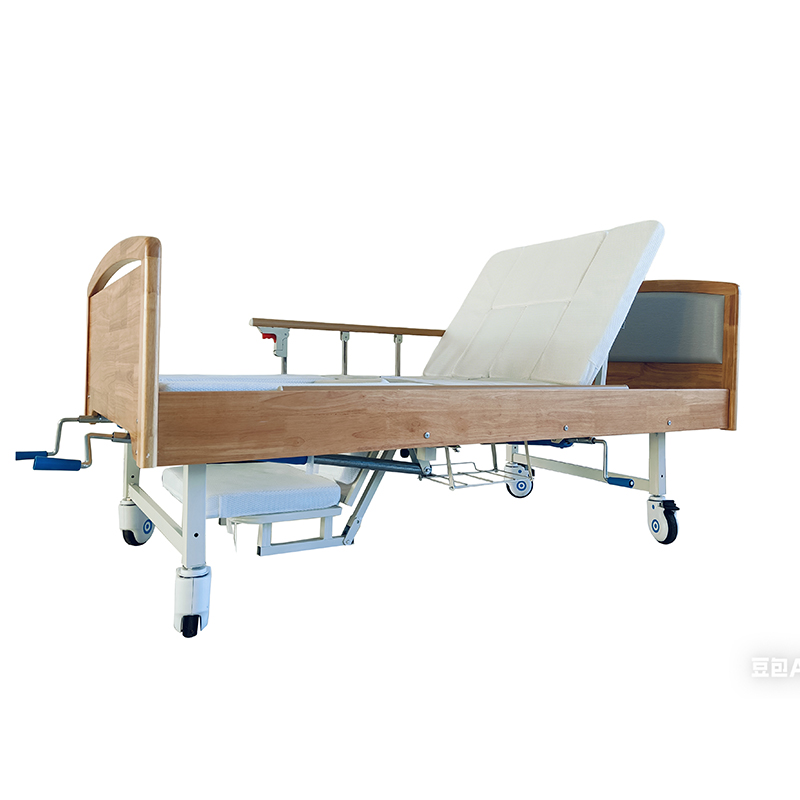
How Do Casters and Brakes Affect Bed Operation?
An electric hospital bed must not only adjust well. It also needs to move and stop safely. Casters and brakes have a major impact on operation.
Smooth-Rolling Casters
High-quality casters make the bed easier to push. This matters in hospitals, clinics, and nursing homes where beds may move between rooms, corridors, or cleaning areas.
Poor casters can make movement difficult, especially when a patient is on the bed. Smooth casters reduce staff effort and improve user experience.
Central Locking System
A central locking system allows staff to lock or unlock multiple wheels quickly. This is more efficient than locking each caster one by one.
During patient transfer, examination, or treatment, quick braking is important. A stable brake system helps keep the bed in place and supports safer care.
What Makes an Electric Hospital Bed Easy to Clean?
Cleaning is part of daily operation. A bed that is difficult to clean can increase labor time and affect hygiene management.
Smooth Bed Surfaces
Smooth surfaces are easier to wipe and disinfect. Buyers should look for designs with fewer hard-to-reach gaps, sharp corners, or exposed areas that collect dust.
In hospitals and clinics, staff often clean beds between patients. A simple surface design helps speed up turnover and supports infection control routines.
Removable Headboards and Footboards
Removable headboards and footboards can make cleaning and emergency care more convenient. They also help with inspection, maintenance, and patient handling.
ABS headboards and footboards are popular because they are lightweight, durable, and easy to clean. For buyers, this material offers a practical balance between function and cost.
Protected Electrical Components
Electrical parts should be positioned and protected properly. Motors, control boxes, and cables should not interfere with cleaning or daily movement. Cable layout should be tidy to reduce pulling, tangling, or accidental damage.
Good cable management makes the bed look professional and helps reduce maintenance issues.
What Safety Features Help Users Operate the Bed Confidently?
Safety features make operation easier because users can adjust the bed without constant worry.
Control Lock
A control lock helps prevent unintended adjustment. This is useful for children, elderly patients, confused patients, and users who should not change certain positions alone.
For nurses, lock functions make the bed easier to manage in shared wards and long-term care rooms.
Emergency Backup Options
Some electric hospital beds may include emergency lowering or backup functions. These can be valuable during power failure or urgent care situations.
Buyers should confirm which emergency features are available and whether they match the needs of the target market.
Stable Anti-Collision Design
When a bed moves up and down, the structure should reduce collision risks. Good design can help protect the bed, nearby furniture, walls, and medical equipment.
Anti-collision thinking is especially important in crowded rooms, small clinics, and home care spaces.
How Can Buyers Judge Whether a Bed Is Truly Easy to Operate?
For bulk procurement, buyers should evaluate operation through practical testing, not only through pictures or specifications.
First, test the handset. Check whether each button is easy to understand and whether the bed responds smoothly. Then test the motors. Listen for noise, observe movement stability, and confirm whether the bed stops accurately.
Next, test the side rails. Raise and lower them several times. Check whether the release is convenient and whether the lock feels secure. After that, test the casters and brakes. Push the bed, turn it, lock it, and check whether it stays stable.
Buyers should also inspect cleaning details. Look at the headboard, footboard, mattress platform, side rail gaps, and cable layout. A bed that looks simple to clean will usually be easier for staff to manage.
Finally, ask about spare parts. Motors, handsets, control boxes, side rails, casters, headboards, and footboards should be available when needed. Easy operation depends not only on first use, but also on long-term service support.
Why Work With Jcare for Electric Hospital Beds?
Jcare is a China-based supplier of hospital beds, home care beds, rehabilitation products, medical furniture, and medical bed accessories. The company serves B2B wholesale buyers, including hospitals, private clinics, medical bed purchasers, home care bed buyers, and distributors.
Jcare owns a 3000 square meter bearing processing plant and focuses on factory prices, ample stock, and short delivery time. These advantages help buyers manage bulk orders with better cost control and supply stability.
Jcare exports to India, the Middle East, Southeast Asia, Europe, the USA, Japan, and South Korea. For buyers who need electric hospital beds that are easy to operate, Jcare can support practical product selection for different care environments and market requirements.
Conclusion
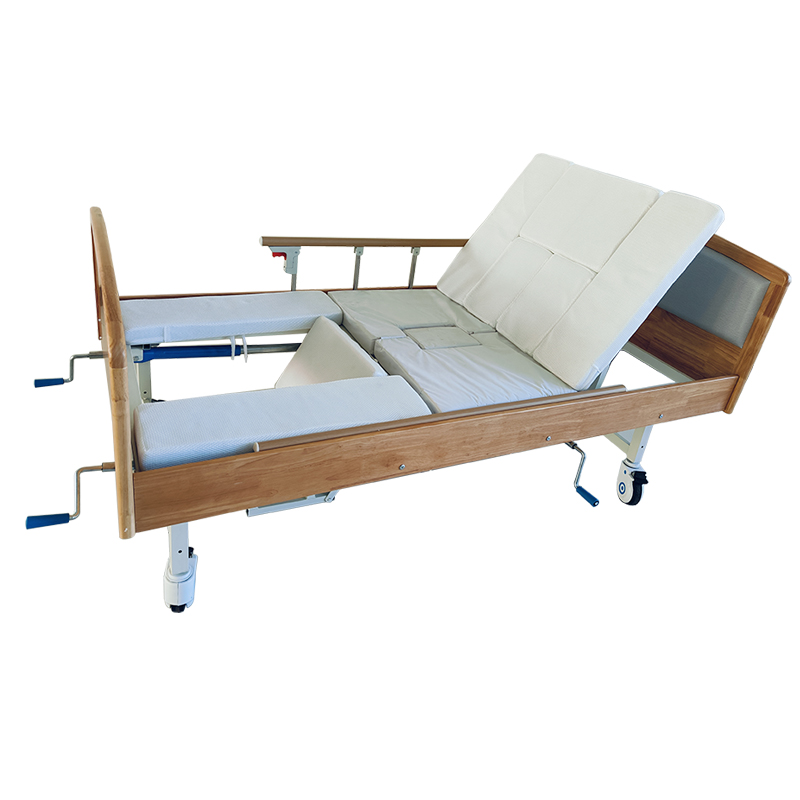
An electric hospital bed is easy to operate when its design supports real daily care. Clear controls, smooth motors, stable height adjustment, secure side rails, reliable casters, easy-clean surfaces, and practical safety features all work together to improve the user experience.
For hospitals, clinics, nursing homes, distributors, and home care buyers, ease of operation is not a small detail. It affects staff efficiency, patient comfort, maintenance pressure, and long-term product value.
Before choosing a supplier or placing a bulk order, buyers should test the bed as real users would. If you found this guide helpful, share it with your purchasing team or leave a comment about which electric hospital bed feature matters most in your market.