
Healthcare facilities, distributors, and procurement managers often ask the same question: what truly makes a hospital bed high quality? With countless models available on the market, choosing the wrong bed can lead to patient discomfort, increased maintenance costs, safety concerns, and shorter product life. Fortunately, by understanding several key buying indicators, healthcare buyers can confidently select hospital beds that improve patient care, enhance caregiver efficiency, and provide long-term value.
A high-quality hospital bed combines durable construction, reliable adjustment functions, advanced safety features, patient comfort, and compliance with recognized medical standards. Buyers should evaluate frame strength, motor performance, weight capacity, mobility systems, certifications, and manufacturer reputation to ensure they invest in a bed that delivers safety, durability, and long-term operational value.
The details matter. Understanding these indicators can help buyers avoid costly mistakes and choose equipment that meets both current and future healthcare needs.
People Also Ask
Why Does Hospital Bed Quality Matter?
Hospital beds are among the most frequently used pieces of equipment in healthcare environments. They directly affect patient recovery, caregiver efficiency, and overall facility operations.
A poorly designed bed may create safety hazards, limit patient mobility, and require frequent repairs. On the other hand, a high-quality hospital bed supports patient comfort while reducing workload for healthcare staff.
In hospitals, nursing homes, rehabilitation centers, and home care environments, the right bed can significantly improve the quality of care delivered every day.
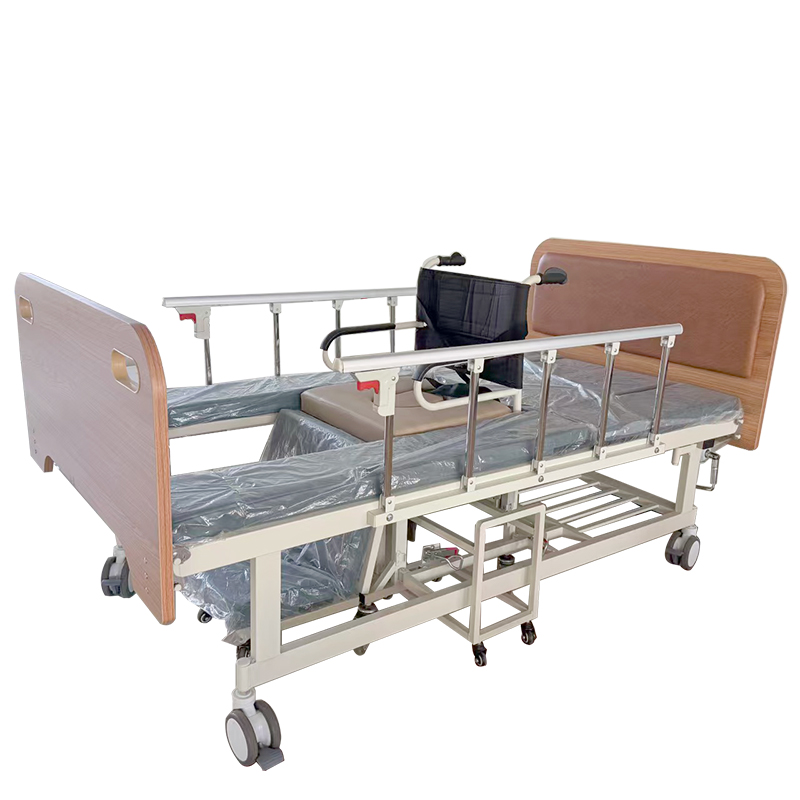
What Materials Are Used in High-Quality Hospital Beds?
The materials used in construction play a major role in determining durability and longevity.
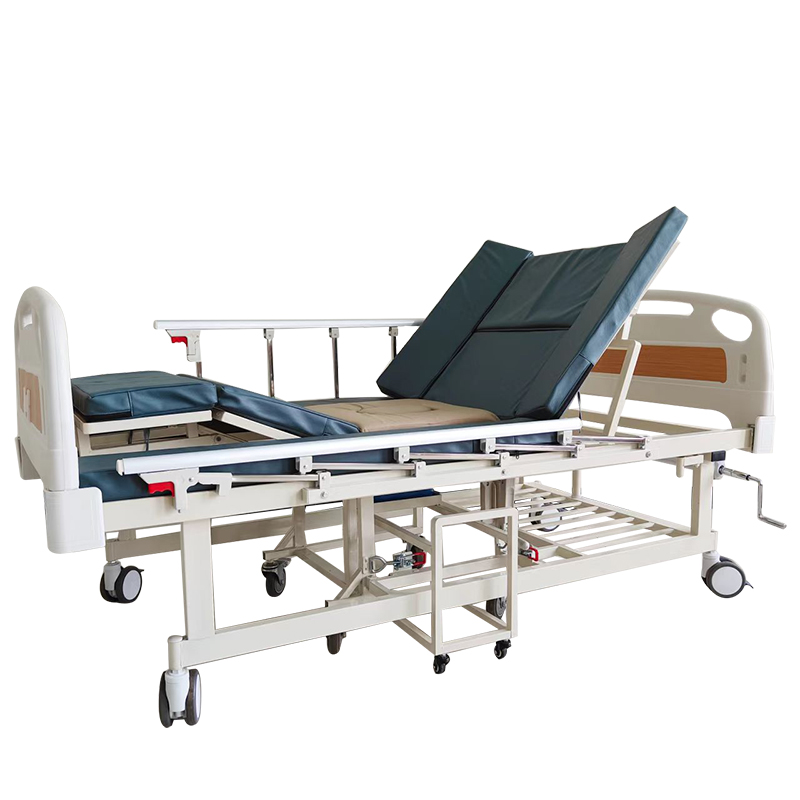
Heavy-Duty Steel Frames
Premium hospital beds are typically manufactured using high-strength steel. These frames provide excellent stability and can withstand years of continuous use.
Steel construction also minimizes vibration and movement, creating a more secure experience for patients.
Corrosion Resistance
Healthcare environments require frequent cleaning and disinfection. High-quality beds feature powder-coated or electrostatic-coated surfaces that resist rust, corrosion, and chemical exposure.
This protective finish helps maintain both appearance and structural integrity over time.
Durable Bed Platforms
The mattress platform should be strong enough to support patients safely while allowing proper ventilation. Modern designs often use perforated steel platforms that balance strength and airflow.
How Important Is Weight Capacity?
Weight capacity is one of the most important specifications buyers should review.
Supporting Diverse Patient Needs
Patients vary significantly in size and mobility requirements. A bed with inadequate weight capacity may experience premature wear or safety issues.
Most standard hospital beds support between 200 and 250 kilograms, while bariatric models can accommodate substantially higher loads.
Long-Term Structural Reliability
A hospital bed must maintain stability even after years of repeated adjustments and patient transfers. Beds designed with reinforced structures provide better long-term performance and reliability.
Future-Proofing Your Investment
Healthcare facilities often serve a diverse patient population. Selecting beds with higher weight capacities helps ensure long-term flexibility and broader usability.
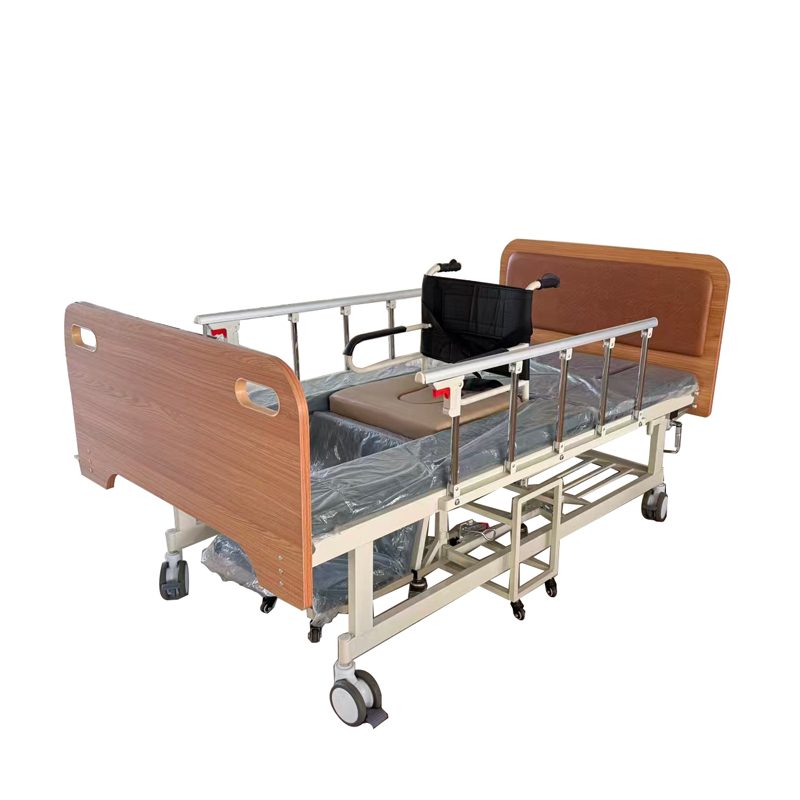
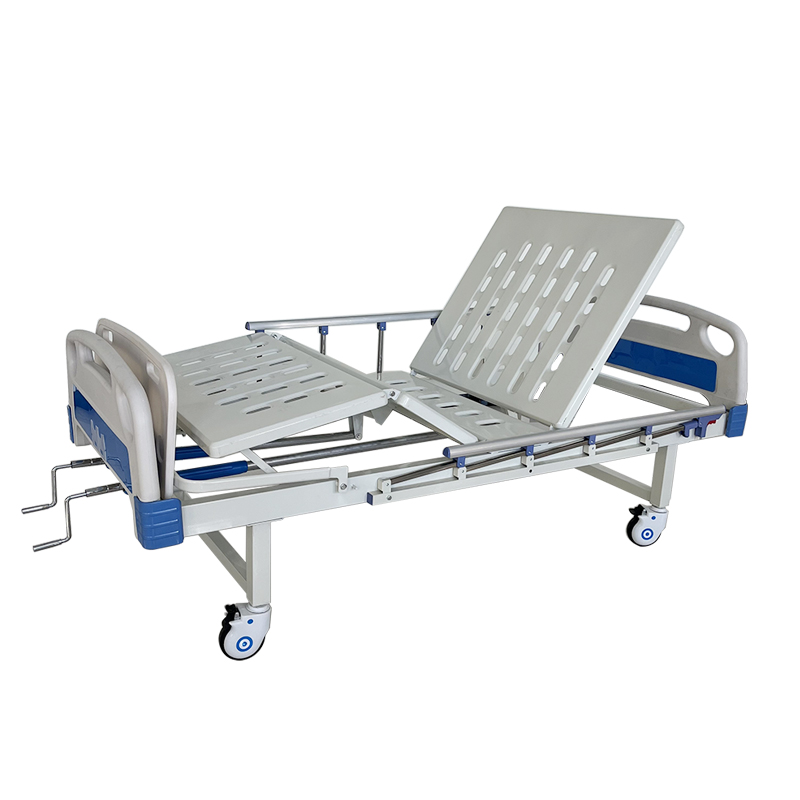
Which Adjustment Functions Should Buyers Look For?
Modern hospital beds are designed to improve both patient comfort and caregiver efficiency.
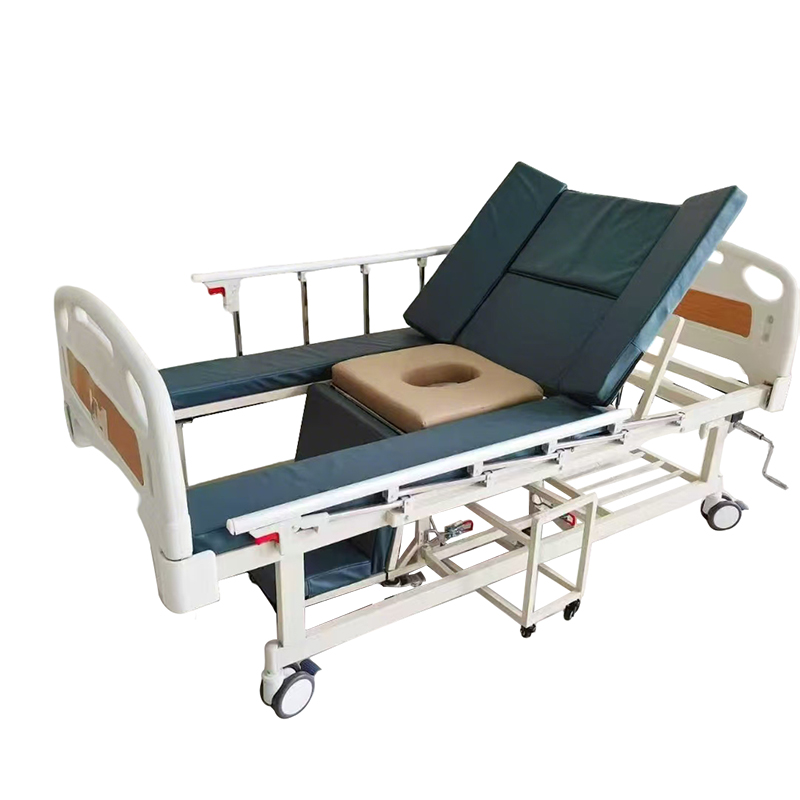
Backrest Adjustment
Backrest elevation allows patients to sit comfortably for eating, reading, communicating, and respiratory support.
This function is especially important for patients recovering from surgery or managing respiratory conditions.
Leg and Knee Adjustment
Elevating the legs can improve circulation, reduce swelling, and enhance patient comfort during extended bed rest.
Height Adjustment
Adjustable height makes it easier for caregivers to provide treatment while reducing physical strain.
Lower bed positions also help reduce fall risks for elderly patients.
Trendelenburg and Reverse Trendelenburg Positions
These advanced positioning functions are commonly used in intensive care and specialized medical environments.
They support various clinical procedures and patient treatment requirements.
What Safety Features Define a Premium Hospital Bed?
Safety remains one of the most critical purchasing considerations.
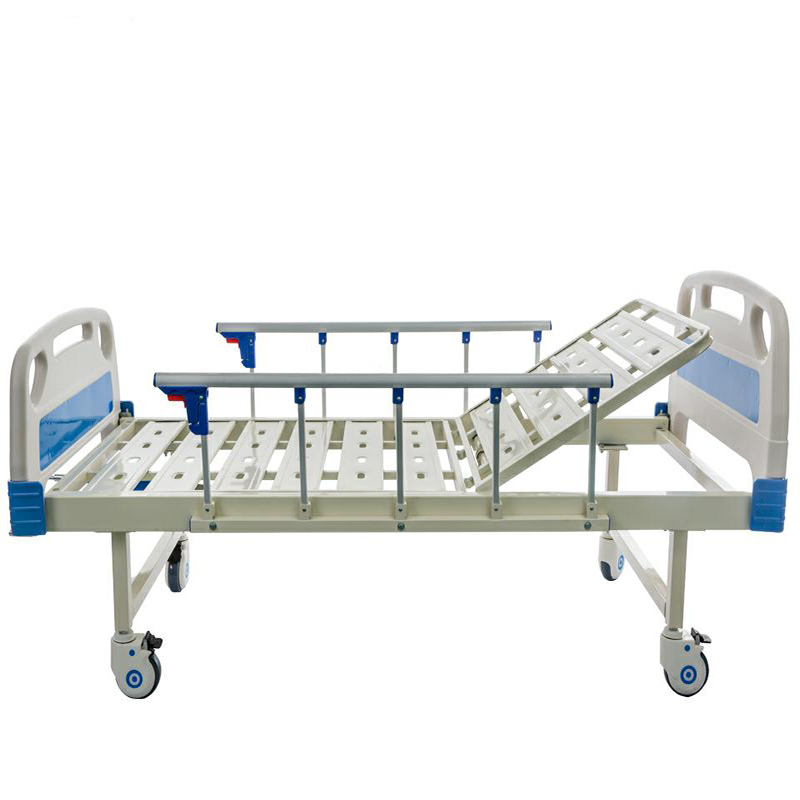
Secure Side Rails
Side rails help prevent accidental falls while providing support when patients enter or exit the bed.
High-quality rails should lock securely while remaining easy for caregivers to operate.
Emergency CPR Function
Many advanced hospital beds include quick-release CPR functions that allow rapid bed flattening during emergencies.
This feature can be essential in critical care situations.
Locking Caster Systems
Reliable braking systems ensure the bed remains stationary when required.
Central locking systems provide additional convenience and security.
Anti-Entrapment Design
Modern bed designs reduce gaps between components to minimize patient entrapment risks.
This feature is particularly important for elderly and vulnerable patients.
How Do Motors Affect Hospital Bed Quality?
For electric hospital beds, motor performance is a major quality indicator.
Reliability and Durability
Premium motors provide smooth, consistent operation even after thousands of adjustment cycles.
Reliable motors reduce downtime and maintenance expenses.
Quiet Operation
Noise reduction improves patient comfort, particularly in shared rooms and long-term care facilities.
High-quality motors operate quietly while maintaining strong lifting capabilities.
Safety Features
Many advanced systems include overload protection and emergency battery backup functionality.
These features ensure continued operation during unexpected power interruptions.
Why Are Casters and Mobility Systems Important?
Mobility affects both patient transport and caregiver efficiency.
Smooth Transportation
Quality casters allow beds to move easily through corridors, elevators, and treatment areas.
Smooth movement reduces effort for healthcare staff.
Stability During Use
While mobility is important, stability is equally critical.
High-quality caster systems lock securely to prevent unwanted movement.
Maneuverability in Tight Spaces
Healthcare facilities often have limited space. Beds with well-designed mobility systems improve navigation and operational efficiency.
What Role Does Patient Comfort Play?
Comfort directly affects recovery outcomes and patient satisfaction.
Mattress Compatibility
A high-quality hospital bed should support various mattress types, including pressure-relief and therapeutic mattresses.
Proper compatibility maximizes patient comfort and treatment effectiveness.
Pressure Injury Prevention
Patients who remain in bed for extended periods face increased risks of pressure injuries.
Adjustable positioning features help redistribute pressure and improve circulation.
Ergonomic Support
Well-designed beds support natural body positioning and reduce discomfort during long-term use.
Comfortable patients often experience better rest and improved recovery outcomes.
Which Certifications Should Buyers Verify?
Certifications help verify product quality and compliance.
ISO 13485
This certification demonstrates that the manufacturer follows internationally recognized quality management systems for medical devices.
CE Certification
CE certification indicates compliance with applicable European safety and performance requirements.
FDA Registration
For products entering the United States market, FDA-related compliance may be an important consideration.
Additional Testing Standards
Independent testing and compliance documentation provide further confidence in product quality and safety.
How Can Buyers Evaluate a Hospital Bed Manufacturer?
Choosing the right supplier is just as important as selecting the right product.
Manufacturing Experience
Experienced manufacturers often possess stronger engineering expertise and more mature production systems.
Their products are generally more reliable and consistent.
Quality Control Procedures
Comprehensive inspection processes help ensure every bed meets required specifications before shipment.
Strong quality control reduces the risk of defects and customer complaints.
Customization Capabilities
Different healthcare environments have unique requirements.
Manufacturers that offer OEM and customization services can better support specific project needs.
After-Sales Support
Technical assistance, spare parts availability, and responsive customer service contribute significantly to long-term customer satisfaction.
What Common Mistakes Should Buyers Avoid?
Many purchasing mistakes can be avoided through careful evaluation.
Focusing Only on Price
The lowest-priced bed is not always the most economical option.
Frequent repairs, shorter lifespan, and reduced performance often increase total ownership costs.
Ignoring Maintenance Requirements
Maintenance costs can significantly impact long-term budgets.
Buyers should evaluate serviceability and spare parts availability before purchasing.
Overlooking Patient Needs
Different patients require different features.
Understanding patient demographics helps ensure the selected bed meets actual usage requirements.
Choosing Unverified Suppliers
Working with manufacturers that lack certifications or proven experience can increase operational risks.
Proper supplier verification is essential for successful procurement.
Conclusion
A high-quality hospital bed is defined by much more than appearance or price. Durable construction, reliable motors, advanced safety systems, ergonomic comfort, strong weight capacity, and recognized certifications all contribute to overall product quality. Buyers who carefully evaluate these indicators can make informed purchasing decisions that improve patient care, enhance caregiver efficiency, and reduce long-term operational costs.
What factors do you consider most important when selecting a hospital bed? Share your thoughts or experiences in the comments, and feel free to share this article with colleagues who may benefit from a better understanding of hospital bed purchasing criteria.