
Importers often ask which papers are required to clear hospital beds and sell them legally. Missing or inconsistent documents can cause customs delays, storage fees, rejected entries, or regulatory penalties. The solution is to prepare one coordinated file covering the transaction, shipment, customs clearance, and medical-device compliance before the goods leave the factory.
Importing hospital beds usually requires a commercial invoice, packing list, bill of lading or air waybill, customs declaration, purchase contract, and certificate of origin when applicable. Depending on the market, buyers may also need importer registration, a medical-device import license, product registration, a Declaration of Conformity, CE or other authorization records, test reports, approved labels, insurance papers, and special packaging or battery documents.
Requirements differ by market, bed type, accessories, and shipping method. Use this checklist before shipment.
Why Do Hospital Bed Imports Need More Than Shipping Papers?
Hospital beds may be regulated as medical devices rather than ordinary furniture. Customs authorities examine value, origin, classification, and importer information, while health authorities may verify the manufacturer, product registration, labeling, and safety evidence.
In the United States, FDA import review compares entry information with establishment registration, device listing, and applicable premarket records. Inconsistent data may lead to further review or detention.
Every document should therefore show the same manufacturer, buyer, model, quantity, origin, and product purpose.
What Commercial Documents Are Required?
Commercial Invoice
The commercial invoice should show the parties, invoice date and number, currency, payment terms, Incoterm, model, quantity, price, origin, and an accurate description.
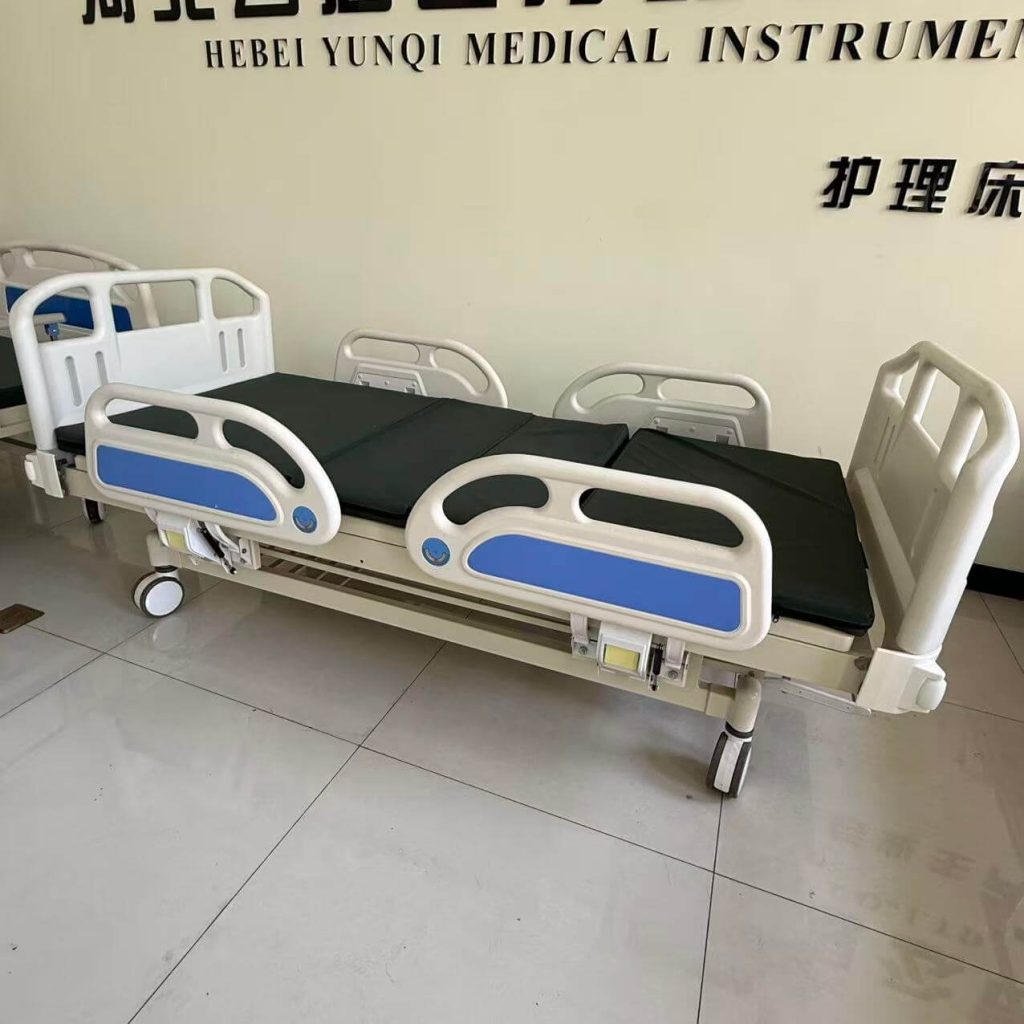
Avoid vague wording such as “medical products.” A clearer description is “three-function electric hospital beds with ABS side rails, mattresses, and IV poles.” Customs guidance emphasizes adequate descriptions, quantities, and values.
The value should match the contract and payment records. Free accessories, spare parts, freight, insurance, tooling, and discounts must follow local valuation rules.
Packing List
The packing list normally includes package numbers, model quantities, dimensions, net and gross weights, total volume, pallets, and container totals.
Separate bed frames, headboards, side rails, motors, control boxes, casters, mattresses, cabinets, and spare parts. This helps inspectors and warehouse teams confirm all components.
Contract, Purchase Order, and Pro Forma Invoice
The contract or purchase order should state specifications, quantity, price, Incoterm, payment, delivery, inspection, warranty, and packaging.
A pro forma invoice may support payment, banking, or license applications, but it normally does not replace the final commercial invoice. Update related permits when models, prices, quantities, or consignee details change.
Which Transport Documents Are Needed?
Bill of Lading or Air Waybill
Sea freight uses a bill of lading; air freight uses an air waybill. Both identify the parties, carrier, route, cargo, packages, and weight.
A bill of lading is a carrier receipt and may also function as a document of title. Buyers should confirm whether the release method is an original bill, telex release, or sea waybill before departure.
The consignee, package count, weight, and description must agree with the invoice and packing list.
What Customs Documents Must the Importer Prepare?
Customs Import Declaration
The importer or broker files a customs declaration showing classification, value, origin, importer details, procedure, and duties or taxes. The European Commission describes it as the official act placing goods under a customs procedure.
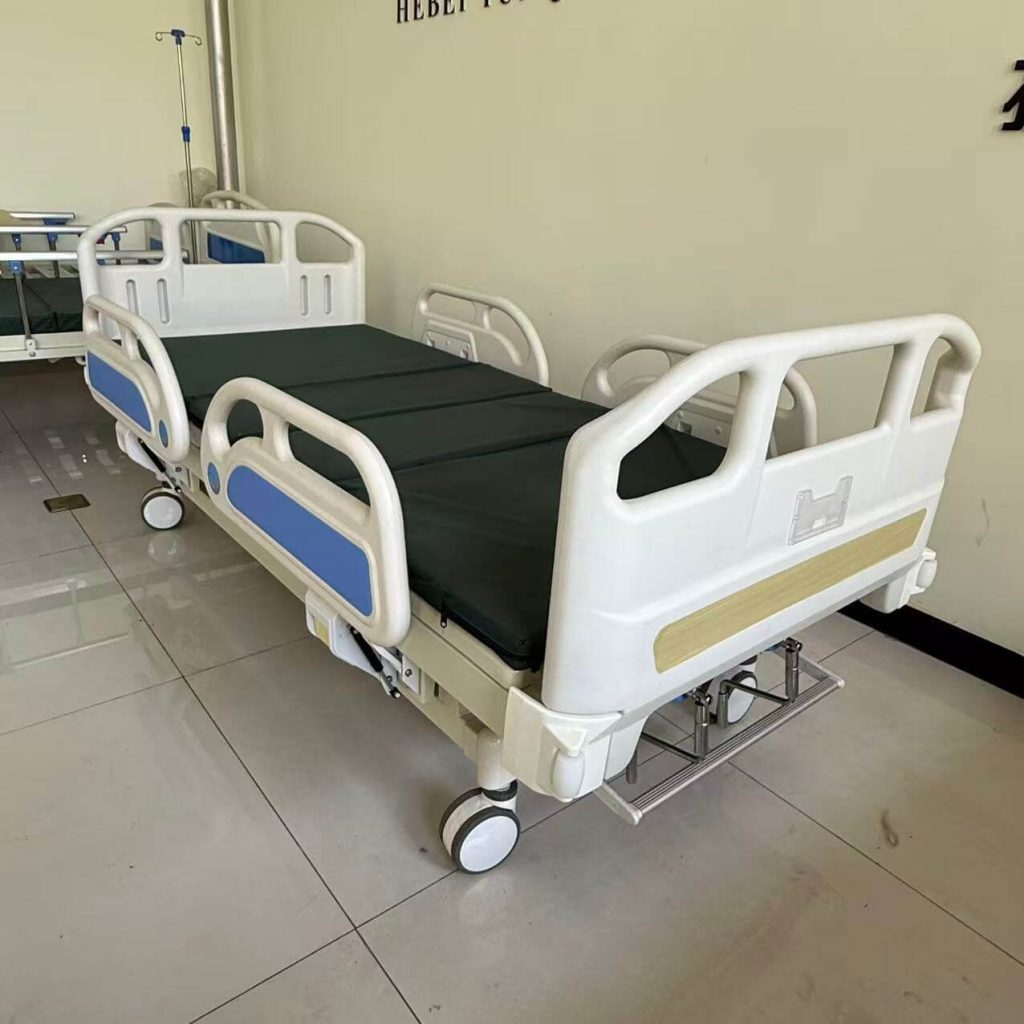
Hospital beds, mattresses, replacement motors, batteries, cabinets, and accessories may require different classifications. A customs broker should review the HS codes before shipment.
Importer Registration and Certificate of Origin
Many markets require customs registration, a tax number, or importer identification. The legal name and number must match all shipping and regulatory records.
A certificate of origin confirms where the goods were manufactured. It may be required for clearance, tenders, buyer requirements, or preferential duties. Buyers should confirm whether the destination needs a non-preferential certificate, preferential certificate, exporter declaration, or chamber certification.
Which Medical-Device Documents May Be Required?
Product Registration or Import License
First confirm whether the destination classifies the hospital bed as a medical device and whether the exact model requires registration, listing, notification, or an import license.
For India, CDSCO states that an applicant uses Form MD-14 through the SUGAM portal to apply for an import license issued in Form MD-15. In the United States, FDA does not issue a general medical-device import license, but applicable manufacturers, devices, and initial importers must meet registration, listing, and other requirements.
Because classifications vary, buyers should obtain local regulatory confirmation before placing a bulk order.
Declaration of Conformity and CE Documentation
For devices placed on the EU market under the Medical Device Regulation, the manufacturer must draw up an EU Declaration of Conformity. Technical documentation supports that declaration and the CE marking.
Depending on classification, a notified body certificate may also be required. Verify the manufacturer, address, product scope, model family, number, and validity.
A CE logo on a brochure is not enough. Review the Declaration of Conformity, relevant certificates, labels, authorized representative information where applicable, and model-specific scope.
Technical File, Test Reports, and Quality Records
A technical file may include intended use, models, drawings, materials, risk management, manufacturing information, test results, labels, and instructions.
Electric beds may need electrical safety and electromagnetic compatibility reports, plus evidence for load, side-rail, stability, caster, and durability performance.
ISO 13485 can support evaluation of a manufacturer’s quality system, but it does not replace product registration, conformity assessment, or model-specific testing.
Labels and Instructions for Use
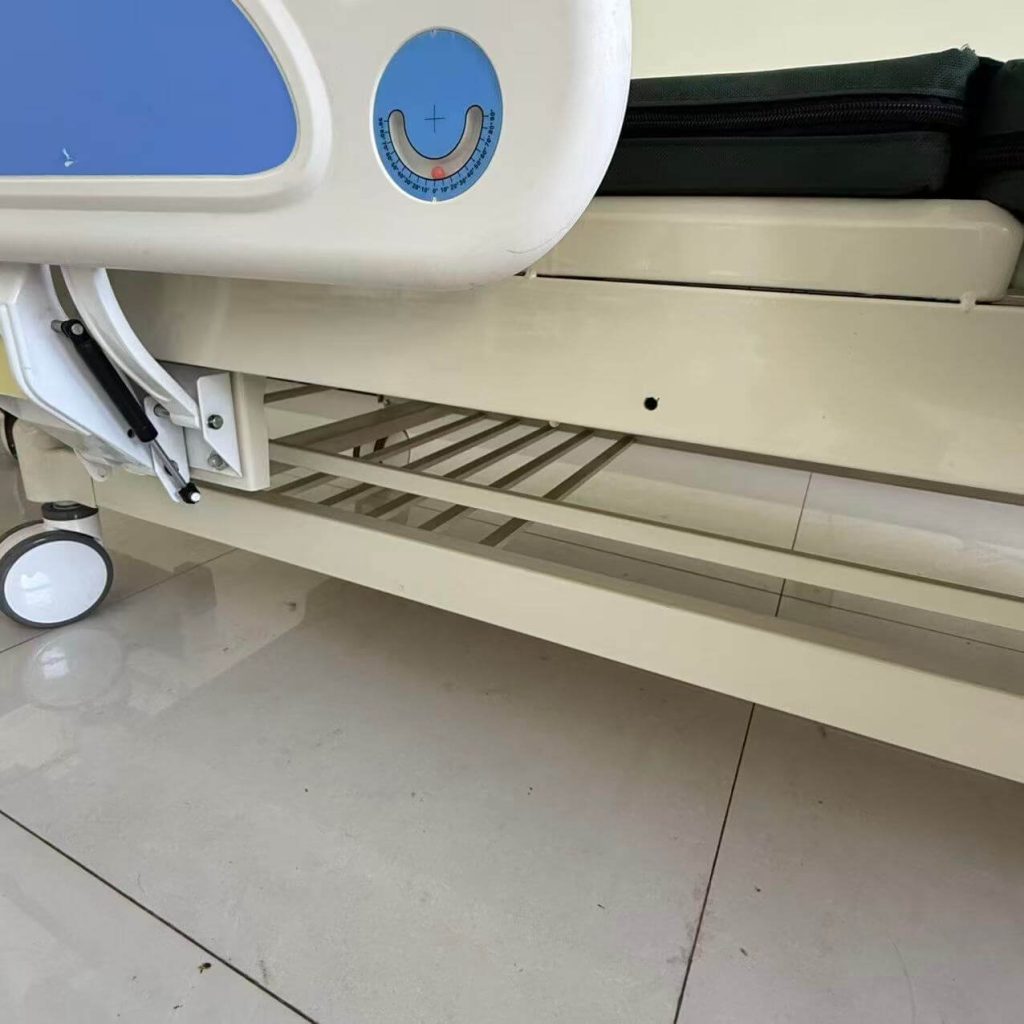
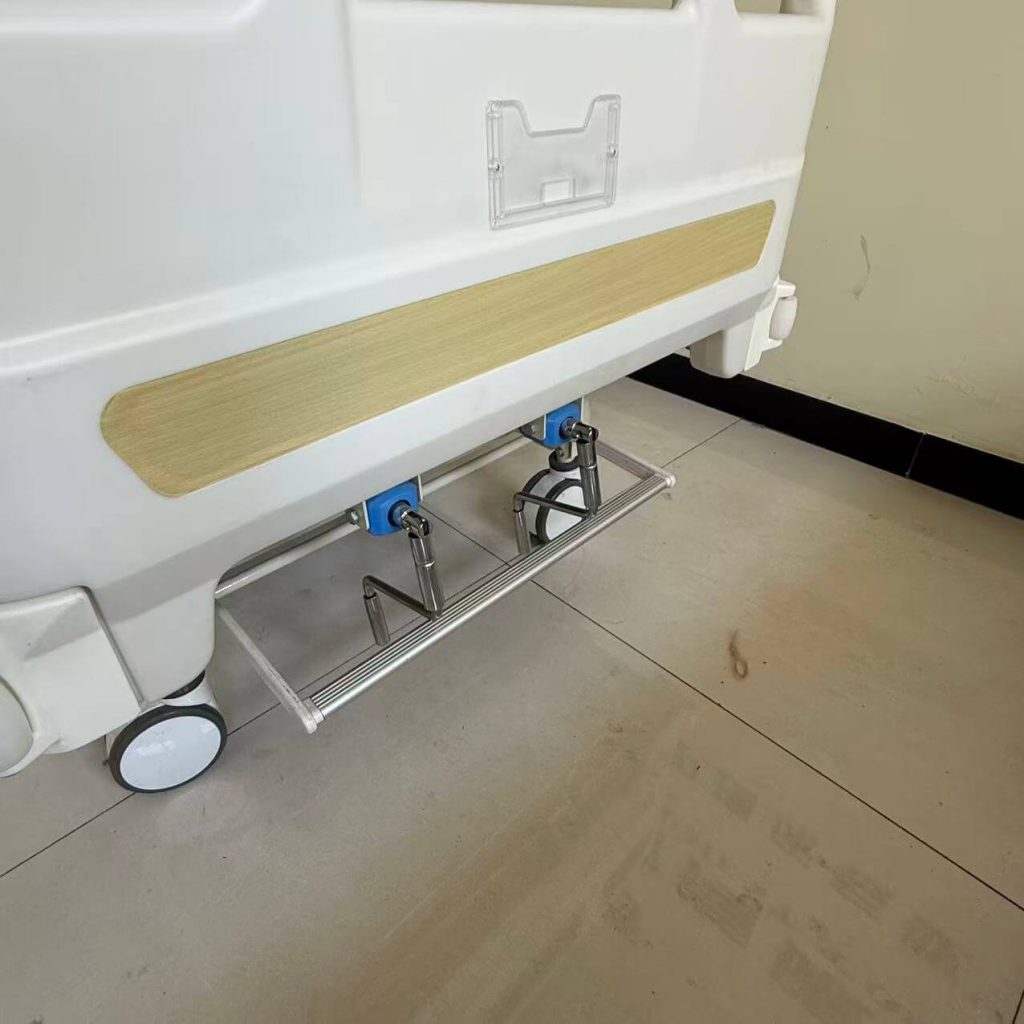
Labels and instructions should match the registered model and local-language rules. They may include the manufacturer, model, serial or batch code, ratings, warnings, safe working load, symbols, representative, and importer.
Approve labels before production. Last-minute changes can create inconsistencies with the invoice, registration, Declaration of Conformity, or test reports.
Are Special Packaging or Battery Documents Needed?
Hospital beds may use cartons, plywood cases, pallets, or raw-wood frames. Raw-wood packaging may require treatment and an ISPM 15 mark, while processed wood such as plywood is generally outside the standard’s raw-wood scope.
Electric beds with lithium backup batteries may require specifications, dangerous-goods information, correct packaging and labels, and access to a UN 38.3 test summary. IATA states that lithium battery types must pass applicable UN 38.3 tests to be permitted in transport.
Tell the freight forwarder about every battery before booking.
How Can Buyers Prevent Document Delays?
Review Drafts Before Shipment
Collect draft shipping and compliance documents before final payment. Have the customs broker and regulatory consultant review them before departure.
This review should cover the commercial invoice, packing list, bill of lading instructions, certificate of origin, product labels, import license, registration evidence, test reports, and other market-specific records.
Match and Verify All Information
Use the same legal manufacturer name, model, quantity, origin, and description throughout the file. Accessories should also be identified because mattresses, batteries, motors, and cabinets may affect classification or transport.
Check every certificate’s issuing organization, number, standard, scope, factory address, model coverage, and validity. A business license, ISO certificate, test report, free-sale certificate, Declaration of Conformity, and product registration serve different purposes.
Keep a Complete Shipment File
Store electronic copies and required originals. Keep written approval for changes to prices, quantities, labels, packaging, specifications, or consignee details.
A well-organized file should allow the importer to quickly prove what was ordered, what was manufactured, how the cargo was packed, how its value was calculated, and whether the product meets local regulatory requirements.
People Also Ask
Is a CE Certificate Always Required?
No. CE documentation applies to the European Union and certain markets that recognize or reference it. Other countries may require their own registration, testing, import license, market authorization, or local representative.
Importers should never assume that CE documentation automatically permits entry into every country. The destination authority’s requirements must be confirmed separately.
Can Hospital Beds Clear Without a Certificate of Origin?
Sometimes. The answer depends on the destination, trade agreement, customs procedure, and sales contract. However, origin information must still be declared accurately.
A certificate of origin may also be required to claim a reduced tariff, participate in a hospital tender, satisfy a bank, or meet the purchasing requirements of a distributor.
Who Prepares the Import Documents?
The manufacturer normally prepares the commercial invoice, packing list, product documents, certificate applications, and exporter records. The carrier or freight forwarder issues the transport documents.
The importer and customs broker handle the customs entry, duties, importer registration, and local permits. Regulatory responsibilities should be clearly written into the sales contract.
When Should the Documents Be Checked?
Regulatory eligibility should be checked before the order is placed. Product labels and compliance documents should be reviewed before mass production begins.
Draft shipping documents should be checked before departure, while final documents should be collected before the cargo reaches the destination port. Waiting until arrival can lead to amendment fees, demurrage, storage charges, or clearance delays.
Conclusion
Hospital bed imports normally require commercial, transport, customs, and regulatory records. The file may include an invoice, packing list, bill of lading, customs declaration, certificate of origin, importer registration, insurance evidence, product registration, import license, Declaration of Conformity, test reports, compliant labels, and special packaging or battery records.
The exact requirements depend on the destination, bed classification, accessories, and shipping method. Buyers should confirm local rules with their customs broker and medical-device regulatory consultant before production and shipment.
Jcare supplies hospital beds, home care beds, rehabilitation products, medical furniture, and accessories for B2B wholesale orders. With factory pricing, available stock, short delivery times, and coordinated export documentation, Jcare supports distributors, hospitals, clinics, and medical equipment purchasers with bulk international shipments.
Have you faced a documentation problem when importing medical equipment? Share your question in the comments or send this guide to other hospital bed buyers.