
Many medical equipment distributors are asking the same question: why are more buyers sourcing hospital beds directly from Chinese factories? Choosing the wrong supplier can lead to unstable quality, delayed delivery, weak margins, and customer complaints. The solution is to understand how Chinese hospital bed factories support wholesale buyers through cost control, product variety, inventory strength, and export experience.
More medical equipment distributors choose Chinese hospital bed factories because they offer competitive factory prices, broad product options, flexible customization, stable wholesale supply, and faster delivery for global markets. For distributors serving hospitals, clinics, home care buyers, and rehabilitation centers, the right Chinese factory can improve margins, simplify sourcing, and support long-term market growth.
To make a better sourcing decision, distributors should look beyond price and evaluate production ability, quality control, export service, and long-term cooperation value.
Why Medical Equipment Distributors Are Rethinking Hospital Bed Sourcing
The global medical equipment market has become more competitive. Hospitals, private clinics, nursing homes, and home care buyers now expect better product quality, shorter delivery times, and more flexible purchasing options. At the same time, distributors must protect their profit margins while responding quickly to market demand.
Because of these pressures, many distributors no longer rely only on local wholesalers or trading companies. Instead, they look directly for hospital bed factories that can provide stable production, reliable pricing, and export support. Chinese hospital bed factories have become an important choice because they combine manufacturing capacity with flexible B2B service.
Rising Demand From Hospitals, Clinics, and Home Care Markets
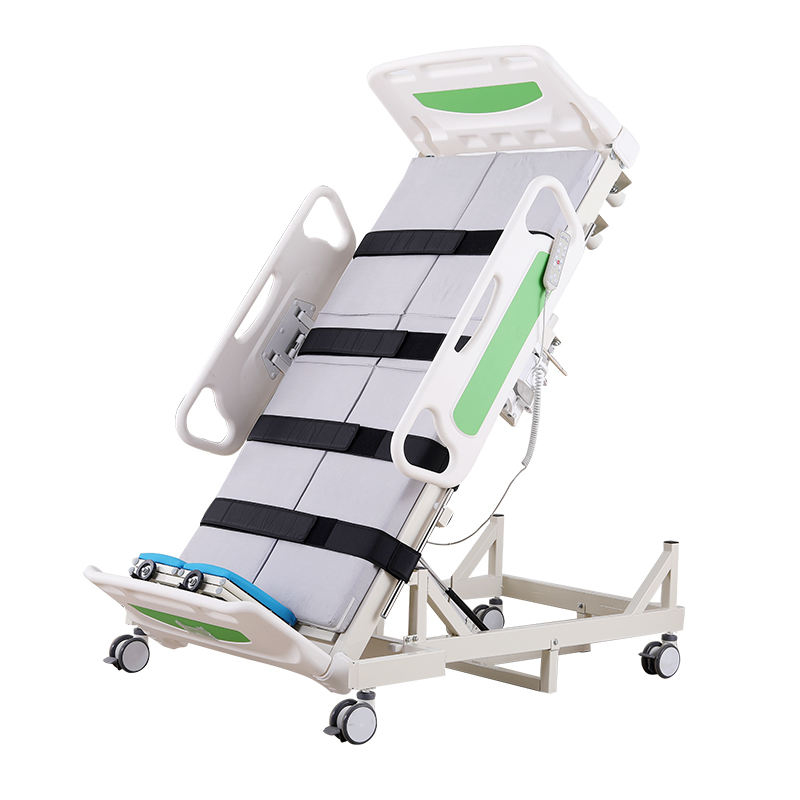
Demand for hospital beds is no longer limited to large public hospitals. Private clinics, rehabilitation centers, elderly care institutions, and home care providers are also increasing their purchases. These buyers may need electric hospital beds, manual hospital beds, home care beds, patient transfer beds, bedside cabinets, over bed tables, IV stands, mattresses, side rails, casters, and other medical bed accessories.
For distributors, this creates both opportunity and pressure. A narrow product line may not be enough to serve different customer groups. By working with Chinese hospital bed factories that offer multiple product categories, distributors can build a more complete catalog and respond to different purchasing scenarios.
Stronger Pressure on Price and Profit Margins
Medical equipment distributors must balance two important goals: offering competitive prices to customers and keeping healthy profit margins. If purchasing costs are too high, distributors may lose price advantage in tenders, retail channels, or repeat orders. If the product price is too low but quality is unstable, after-sales costs can damage the business.
Chinese hospital bed factories are attractive because many of them provide direct factory pricing. When distributors reduce unnecessary sourcing layers, they can gain more room for pricing strategy. This is especially useful for bulk buyers, regional distributors, and companies selling through Alibaba, Google Ads, Made-in-China, trade shows, or local medical equipment channels.
What Makes Chinese Hospital Bed Factories Attractive to Distributors?
For B2B buyers, a factory is not only a place that produces goods. It is also a supply partner that affects price, delivery, product consistency, customer satisfaction, and future growth. Chinese hospital bed factories have become popular because they often combine manufacturing efficiency with practical export service.
A good Chinese hospital bed supplier can help distributors lower procurement costs, expand product lines, arrange bulk shipments, and support private label development. However, buyers should still compare factories carefully, because not every supplier has the same production ability or quality control system.
Direct Factory Prices Support Wholesale Competitiveness
One of the main reasons distributors choose Chinese hospital bed factories is price advantage. Direct factory cooperation can reduce intermediate costs and make bulk purchasing more efficient. For distributors serving price-sensitive markets, this advantage can be important.
Factory pricing also gives buyers more flexibility. Distributors can create different product tiers, such as economical manual hospital beds, mid-range home care beds, and higher-value electric hospital beds. This allows them to serve hospitals, clinics, and home care customers with different budgets.
However, price should not be the only standard. A low quotation is only valuable when the bed structure, accessories, packaging, and delivery terms are reliable. Smart distributors compare the full value of the offer, not just the unit price.
A Wider Product Range Helps Build a Complete Catalog
Many medical equipment distributors prefer suppliers that can provide more than one product category. If a factory only offers one hospital bed model, the distributor may need to work with many suppliers to complete an order. This increases communication costs, quality risks, and delivery complexity.
Chinese hospital bed factories often support a wider product range, including hospital beds, home care beds, rehabilitation products, other medical furniture, and medical bed accessories. This helps distributors offer one-stop solutions to their customers.
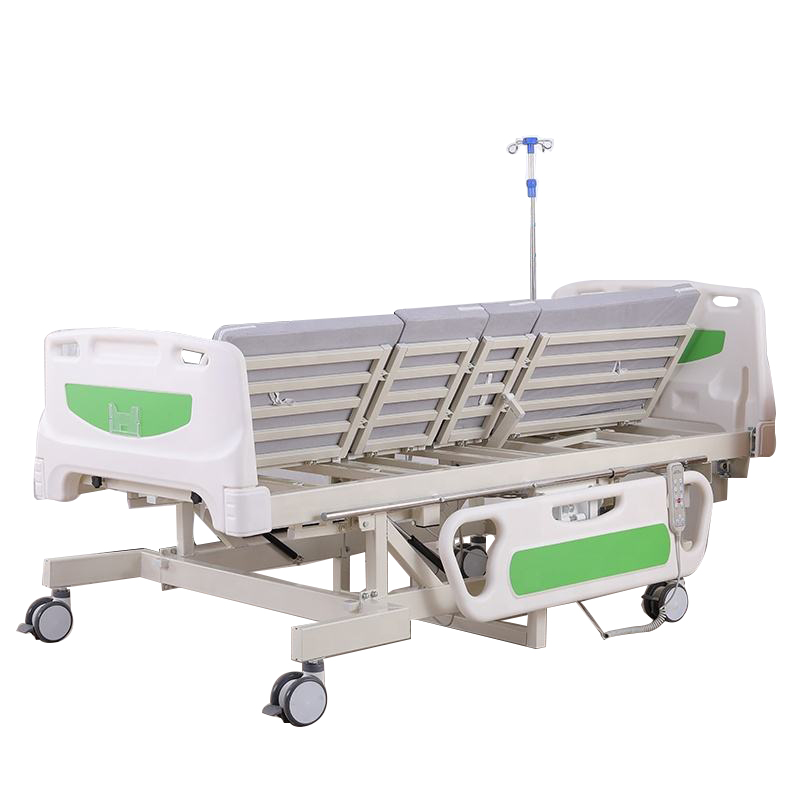
For example, a hospital bed order may also require mattresses, bedside cabinets, over bed tables, IV stands, side rails, casters, and other accessories. When these items can be sourced together, the distributor can simplify procurement and improve order efficiency.
Ample Inventory Can Shorten Delivery Time
Delivery speed is a key factor for medical equipment distributors. Some customers need urgent replacement beds. Others may have project deadlines for clinics, hospitals, or nursing homes. If delivery is slow, the distributor may lose the order to a competitor.
Chinese hospital bed factories with ample inventory can help reduce waiting time. Stock availability is especially useful for standard models, common accessories, and repeat wholesale orders. It also helps distributors test new markets without waiting for long production cycles.
Short delivery time does not only improve customer satisfaction. It also supports better cash flow. When distributors can receive and sell products faster, inventory turnover becomes healthier.
How Chinese Factories Help Distributors Grow Their Brands
Today, many distributors do not want to sell generic products only. They want to build stronger brand recognition in their own markets. This is why OEM and ODM support has become increasingly important in hospital bed sourcing.
Chinese hospital bed factories often understand the needs of wholesale buyers and brand owners. They can support custom colors, packaging, product labels, model configurations, and accessory combinations according to market demand.
OEM and ODM Services Support Private Label Development
OEM service allows distributors to sell products under their own brand name. ODM service can help buyers develop or adjust products based on specific market needs. For medical equipment distributors, these services can create a stronger market identity.
Private label hospital beds can help distributors avoid direct price comparison with generic products. They can also build customer trust through consistent branding, packaging, product documents, and after-sales communication.
For example, a distributor may want a specific bed color, headboard style, side rail type, caster configuration, or packaging design. A flexible Chinese factory can help adjust these details while keeping production efficient.
Flexible Wholesale Cooperation Fits Different Market Stages
Not every distributor has the same purchasing volume. Some buyers are testing a new market, while others already manage large regional orders. A useful factory partner should understand different stages of business development.
Chinese hospital bed factories that focus on B2B wholesale can often support different order plans. For regular products, buyers may start with smaller trial orders and later increase volume after market feedback. For mature distributors, bulk orders can be arranged with better pricing and planned delivery schedules.
This flexibility is valuable because it reduces sourcing risk. Distributors can test product acceptance before investing heavily in large inventory.
Export Experience Makes International Orders Easier
International hospital bed sourcing requires more than production. Buyers also need clear communication, packaging suitable for export, shipping coordination, product information, and document support. Factories with export experience can make the process easier.
Medical equipment distributors in India, the Middle East, Southeast Asia, Europe, the USA, Japan, and South Korea often have different expectations for packaging, product configuration, and delivery planning. A supplier familiar with export markets can help reduce misunderstandings.
For distributors, this means fewer delays, smoother communication, and more predictable cooperation.
Quality Control Matters More Than Low Price
Although price is important, hospital bed quality directly affects user safety, customer satisfaction, and long-term trust. A cheap bed that creates after-sales problems can become more expensive than a higher-quality option.
Distributors should evaluate whether the factory controls quality from materials to final inspection. They should also check whether the supplier understands the standards required by their target market.
Stable Components Improve Product Reliability
A hospital bed is made from many functional parts. The frame, motor system, side rails, casters, headboards, footboards, control system, welding, coating, and mattress support structure all affect performance. If one component is weak, the entire product experience may suffer.
Reliable Chinese hospital bed factories pay attention to these details. They understand that distributors need consistent quality across repeated orders. For wholesale buyers, batch consistency is especially important because one unstable shipment can affect many end customers.
Before placing bulk orders, distributors should ask about materials, load capacity, surface treatment, motor options, accessory specifications, and inspection steps.
Good Packaging Reduces Shipping Damage
Hospital beds are large products, and international shipping can create risks. Poor packaging may lead to scratches, deformation, missing parts, or damaged accessories. These problems increase replacement costs and damage the distributor’s reputation.
A professional factory should provide export packaging suitable for long-distance transportation. It should also arrange parts clearly so that customers can identify and assemble them more easily.
For bulk buyers, good packaging is not a small detail. It protects profit margins and reduces after-sales pressure.
How to Choose the Right Chinese Hospital Bed Factory
Choosing the right factory requires more than comparing product pictures. Distributors should evaluate the supplier’s real production capacity, product range, inventory level, communication quality, export experience, and long-term service attitude.
A strong factory partner should help buyers solve problems before, during, and after the order. This includes model selection, quotation details, packaging advice, production updates, shipping coordination, and repeat order planning.
Verify Factory Capability, Not Just the Catalog
A catalog can show product variety, but it does not always prove production strength. Distributors should confirm whether the supplier has a real production or processing facility, stable workers, equipment support, inventory management, and quality inspection procedures.
For example, Jcare owns a 3000 square meter processing plant and focuses on B2B wholesale medical equipment supply. This type of factory background can give buyers more confidence than working with unclear intermediaries.
When evaluating a supplier, buyers can request product videos, factory photos, sample details, packaging images, inspection information, and past export experience.
Compare Delivery Time, Inventory, and Communication
Fast delivery is valuable only when the supplier communicates clearly. Distributors should ask whether standard products are in stock, how long production takes for customized orders, and how the factory handles urgent requirements.
Communication speed also matters. If a supplier replies slowly before the order, after-sales support may also be slow. A professional factory should provide clear product details, quotation terms, packaging information, and shipping suggestions.
Good communication reduces risk and makes cooperation more efficient.
Why Distributors Should Build Long-Term Factory Partnerships
Hospital bed distribution is not usually a one-time business. Distributors need repeated orders, stable supply, product updates, and market support. Therefore, a long-term factory partnership is often more valuable than one low-price transaction.
A trusted Chinese hospital bed factory can help distributors improve their product portfolio, plan inventory, respond to customer feedback, and develop more competitive solutions for local markets.
Long-term cooperation also helps both sides understand each other better. The factory becomes more familiar with the distributor’s target customers, common models, packaging preferences, and delivery expectations. As a result, future orders become smoother and more efficient.
How Jcare Supports Medical Equipment Distributors
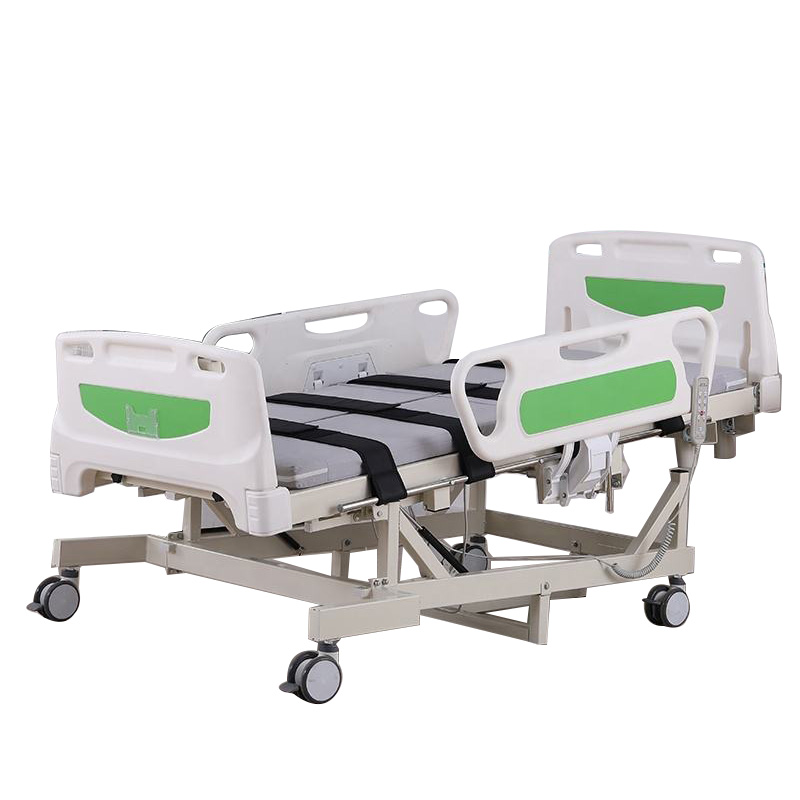
Jcare is a China-based B2B wholesale supplier focused on hospital beds, home care beds, rehabilitation products, other medical furniture, and medical bed accessories. The brand serves medical equipment distributors, hospitals, private clinics, medical bed purchasers, and home care bed buyers.
With factory prices, ample inventory, and short delivery time, Jcare supports distributors that need stable supply and practical wholesale cooperation. The company’s products are promoted through Alibaba, Google Ads, Made-in-China, and trade shows, helping global buyers connect through familiar sourcing channels.
Jcare’s main export markets include India, the Middle East, Southeast Asia, Europe, the USA, Japan, and South Korea. For distributors in these regions, Jcare can provide product options suitable for different medical care, rehabilitation, and home care purchasing needs.
Заключение
More medical equipment distributors choose Chinese hospital bed factories because they need better pricing, broader product choices, reliable inventory, faster delivery, and flexible B2B support. For buyers serving hospitals, clinics, home care markets, and rehabilitation centers, the right factory partner can improve competitiveness and reduce sourcing pressure.
However, distributors should not choose a supplier based on price alone. They should evaluate factory capability, product quality, export experience, packaging, communication, and long-term cooperation value.
For wholesale buyers looking for hospital beds, home care beds, rehabilitation products, and medical bed accessories, Jcare provides factory-direct supply, ample inventory, and short delivery time to support global medical equipment distribution.