
Hospital managers often ask why beds begin to squeak, rattle, click, or roll noisily after repeated use. When these sounds continue during repositioning, transport, and nighttime care, they can disturb sleep and make the ward feel poorly controlled. A plan covering bed selection, operation, inspection, and maintenance can reduce the problem.
To reduce hospital bed noise, identify the sound source, clean and inspect casters, secure approved fasteners, maintain joints and actuators according to the manufacturer’s instructions, check side rails and accessories, train staff in smooth operation, and include noise tests in preventive maintenance. Never silence required alarms or add unapproved parts simply to make a bed quieter.
A quieter ward begins with the bed, but effective control also depends on staff routines, maintenance records, flooring, room layout, and purchasing standards.
Why Is Hospital Bed Noise Important?
Patients may hear motors during height adjustment, clicking brakes, loose rails, vibrating panels, or caster impacts at thresholds. These sounds can recur during observations, repositioning, cleaning, transfers, and emergency care.
A 2024 hospital study found that 77% of participants considered their inpatient sleep worse than at home, and noise was the most frequently reported disturbance. WHO bedroom guidance recommends very low nighttime sound levels for good sleep, although it is an environmental benchmark rather than a hospital-bed product limit. AHRQ also associates hospital noise reduction with better sleep and recovery.
Abnormal sounds may signal debris, friction, looseness, wear, misalignment, or damage. A noisy bed should therefore be investigated instead of accepted as a normal result of age.
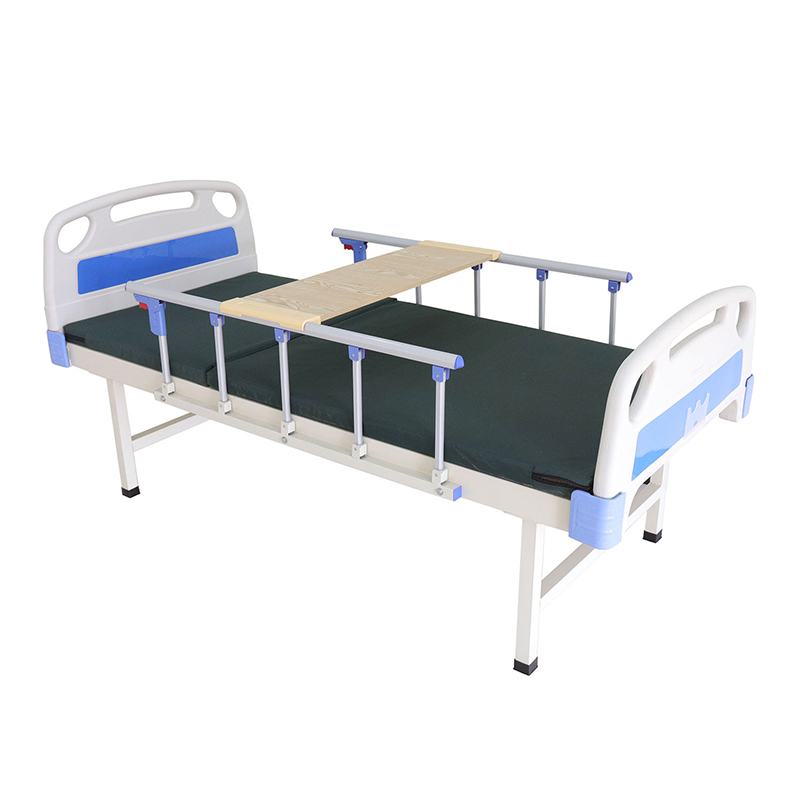
What Causes Noise from Hospital Beds?
Before replacing parts, reproduce the sound safely and note when it occurs. Does it appear while rolling, braking, raising the backrest, lowering the platform, moving a rail, or turning the patient? A clear diagnosis prevents unnecessary repairs.
Casters and Brakes
Hair, thread, tape, dust, and dried cleaning residue can gather around wheels and axles. Worn tread, damaged bearings, poor alignment, or a brake that does not release fully may cause grinding, clicking, dragging, or vibration.
Floor conditions also matter. A bed may roll quietly on smooth vinyl but become loud over tile joints, elevator gaps, metal thresholds, or damaged flooring. Test both the bed and its normal transport route.
Side Rails, Headboards, and Footboards
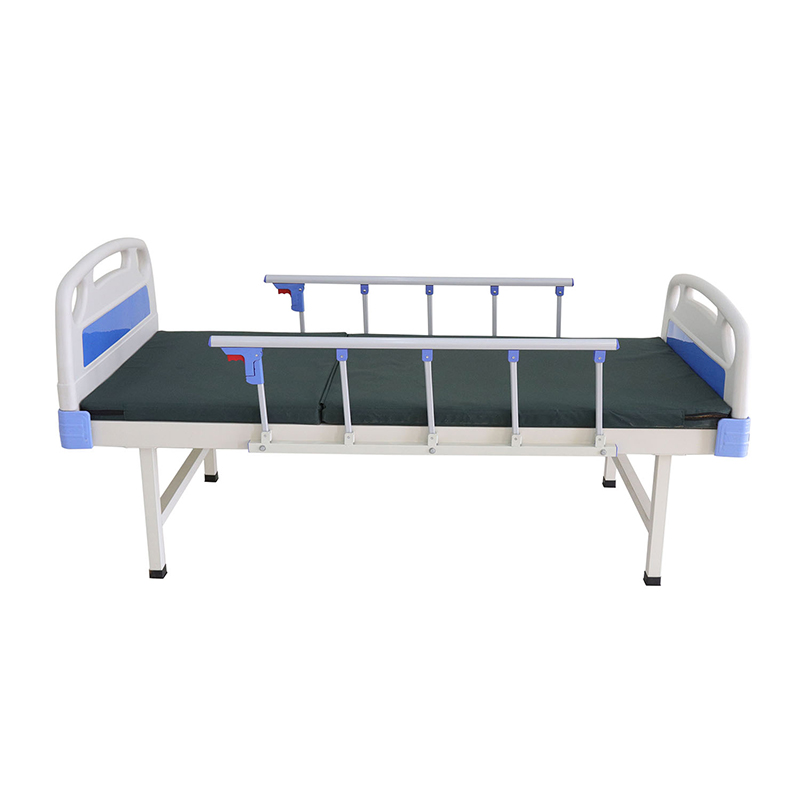
Side rails can rattle when locks wear, mounting points loosen, or components develop excess clearance. Detachable boards may vibrate when they are not fully seated, especially when the patient moves or the bed changes angle.
Check that rails and panels engage correctly. Damaged pins, hinges, latches, or mounts require approved repairs. Improvised tape, wedges, or padding may interfere with cleaning, locking, emergency removal, or safe clearances.
Actuators and Moving Sections
Electric beds normally produce some operating sound. New grinding, knocking, uneven movement, or a sudden rise in motor noise may indicate resistance, loose hardware, misalignment, overload, or failure.
Test each function separately, including backrest, leg section, height, and tilt where fitted. The bed should move smoothly without frame contact. Serious abnormal noise requires qualified assessment before further use.
Accessories and Loose Items
IV poles, bag hooks, oxygen-cylinder holders, drainage bags, power cables, nurse-call leads, pendants, and personal belongings may strike the frame during movement.
Secure cables in their intended routing points, remove unused attachments, and confirm accessory compatibility. Nothing should obstruct casters, brakes, articulation, rails, or emergency controls.
How Can Ward Staff Reduce Bed Noise?
Move Beds Smoothly
Before transport, release the brakes fully, use the recommended transport height, organize cables, secure accessories, and engage the steering function correctly when provided. Pushing with a partly engaged brake increases noise and may accelerate caster wear.
Slow down at thresholds, elevator entrances, and uneven flooring. Prevent boards, rails, and accessories from hitting walls, doors, cabinets, or other equipment.
Use Bed Functions Efficiently
Use bed adjustments whenever they support treatment, comfort, pressure management, or safe handling. Staff who understand the controls can reach the required position efficiently and avoid repeated trial-and-error movement, especially at night. Essential care always takes priority.
Report Changes Early
Reports should record the bed number, room, sound type, and movement that triggers it. “Clicking from the right front caster during left turns” is more useful than “the bed is noisy” and helps reveal recurring fleet problems.
How Should Preventive Maintenance Control Noise?
Noise checks should be part of preventive maintenance. Inspection schedules must follow manufacturer instructions, local requirements, usage intensity, and risk assessment.
Inspect, Clean, Tighten, and Test
A structured check should cover casters, brakes, steering parts, rail locks, removable boards, frame joints, actuators, cables, controls, accessory mounts, and visible fasteners. Technicians should look for debris, wear, cracks, missing parts, looseness, corrosion, rubbing marks, and abnormal movement.
Official maintenance documents commonly include caster cleaning, designated lubrication points, and functional tests. One Stryker manual requires casters to be free of debris, while another calls for inspection and lubrication at specified points when needed. The broader rule is to use only procedures and lubricants approved for the exact model.
Fasteners should be tightened to approved values where provided. Over-tightening can damage threads, deform parts, or restrict movement.
Follow Manufacturer Instructions
FDA guidance describes servicing as work intended to return a device to the original manufacturer’s safety and performance specifications. Unapproved changes may alter performance even when they appear to stop a rattle.
Use compatible parts and trained technicians. Record the complaint, diagnosis, repair, parts, functional test, and return-to-service decision. Repeated faults may justify inspecting similar beds.
Can Lubrication Make a Hospital Bed Quieter?
Lubrication may reduce friction at approved points, but it is not a universal solution. Unspecified oil or grease may damage plastics, attract contamination, affect brakes, or create cleaning problems.
Technicians should first confirm that friction—not a crack, worn bearing, loose mount, or misalignment—is causing the noise. They should then use only the specified product and amount. Sealed actuators, motors, and bearings must not be opened or lubricated unless the manufacturer permits it.
How Can Hospitals Reduce Alarm Noise Safely?
Bed-exit alarms, brake alerts, low-height indicators, system faults, and nurse-call signals support patient safety. They must not be disabled, covered, or reduced below approved settings merely to create a quieter room.
Hospitals can instead review alarm configuration, response workflows, and training. Alarms should be appropriate, correctly set, quickly answered, and not left sounding unnecessarily. AHRQ has reported that reducing excessive alarm burden can help clinicians focus on meaningful events while improving safety and care quality.
How Does the Ward Environment Affect Bed Noise?
Hard floors, bare walls, glass, and long corridors reflect sound. Uneven flooring increases caster vibration, while poor bed placement may cause rails or boards to strike walls, screens, or cabinets.
Repair damaged floors and thresholds, provide enough turning space, and keep furniture away from moving bed sections. Lower voices, careful cart handling, and coordinated nighttime routines also support a quieter ward.
What Should Buyers Check When Purchasing Quieter Hospital Beds?
Noise performance should be evaluated during procurement, not only after installation. Buyers should request a realistic demonstration rather than listening only to an unloaded motor.
Conduct a Practical Noise Test
Raise and lower the platform, adjust the backrest and leg section, operate rails, fit common accessories, apply and release brakes, and roll the bed across representative flooring. When permitted, use a safe simulated load because frame and actuator behavior may change under weight.
Sound meters can support comparison, but the method must stay consistent because distance, background noise, load, floor type, and selected function influence readings.
Review Build Quality and Service Support
Inspect caster movement, brake engagement, rail locking, board fit, actuator operation, cable routing, frame rigidity, and accessory mounting. Request maintenance instructions, service intervals, spare-parts availability, warranty terms, and technical support.
For wholesale and project orders, define pre-shipment checks for articulation, casters, brakes, rail locks, panel fit, accessories, and abnormal noise. “No abnormal grinding, knocking, dragging, or loose-part rattling during defined tests” is more useful than requiring complete silence.
Люди также спрашивают
Should a Noisy Hospital Bed Be Removed from Service?
Minor sounds do not always require withdrawal. Grinding, cracking, brake-related noise, unintended movement, electrical noise, overheating, visible damage, or sudden changes require prompt safety assessment.
Can Tape or Rubber Pads Stop Bed Rattling?
Do not add unapproved tape, foam, wedges, or pads to moving or locking parts. They may hide wear, affect disinfection, alter clearances, or prevent correct engagement.
How Often Should Beds Be Checked for Noise?
Users should report abnormal sounds immediately. Formal inspection frequency should follow the manufacturer’s manual, regulations, service history, usage, and risk assessment. High-use beds may need extra checks.
Are Manual Hospital Beds Always Quieter?
No. Manual beds avoid motor sound, but worn cranks, gears, joints, rails, and casters can still be noisy. Electric beds can operate smoothly when correctly designed and maintained.
How Can Jcare Support Hospital Bed Projects?
Jcare supplies hospital beds, home care beds, rehabilitation products, medical furniture, and bed accessories for hospitals, clinics, distributors, and project purchasers. Buyers can discuss ward conditions, functions, flooring, accessories, maintenance, packaging, and inspection requirements before selecting a model.
With a 3,000-square-meter processing facility in China, Jcare supports wholesale orders with factory pricing, available stock, short delivery arrangements, and export service. Request model-specific specifications, maintenance information, and pre-shipment inspection details before ordering.
Заключение
Reducing hospital bed noise requires more than selecting a quiet motor. Hospitals should identify the source, improve daily handling, keep casters and moving parts clean, inspect rails and accessories, follow approved maintenance procedures, preserve safety alarms, and include realistic noise tests in procurement.
A consistent reporting and maintenance system can correct small problems before they disrupt patients or develop into larger faults. What type of bed noise causes the most difficulty in your wards—casters, rails, actuators, alarms, or loose accessories? Share your experience in the comments and pass this guide to procurement, nursing, and maintenance teams.