
Many international procurement teams frequently ask how to properly evaluate Chinese medical bed manufacturers before committing to bulk hospital or home care bed orders, especially when product safety, durability, and regulatory compliance are non-negotiable. Without a structured audit process, buyers often face issues such as inconsistent product quality, unclear certification authenticity, production delays, and unexpected after-sales risks that can directly impact healthcare operations. A systematic supplier audit framework allows buyers to evaluate manufacturing capability, quality systems, material integrity, production control, and compliance documentation to ensure reliable long-term sourcing partnerships with qualified manufacturers such as Jcare.
Conducting a supplier audit for medical bed manufacturers in China involves a structured evaluation of factory legitimacy, production capacity, quality management systems, raw material sourcing, assembly processes, functional testing, and international compliance certifications. A complete audit combines document verification with on-site inspection to ensure the supplier can consistently deliver safe, durable, and globally compliant hospital beds for healthcare environments.
Transitioning from the importance of audits, the next step is understanding how to execute them in a structured, repeatable, and scalable way across different suppliers and production environments.
Why Supplier Audits Are Essential in Medical Bed Procurement
Medical beds are classified as critical healthcare infrastructure rather than simple furniture products. They directly influence patient safety, nursing efficiency, recovery outcomes, and hospital operational reliability. This makes supplier evaluation far more complex than standard industrial procurement.
In global sourcing from China, supplier audits help procurement teams answer critical risk-control questions:
- Is the supplier a genuine manufacturer or a trading company?
- Does the factory control its own production line or outsource key processes?
- Can the manufacturer ensure batch-to-batch consistency for hospital-scale orders?
- Are materials and components suitable for long-term medical use?
- Do products comply with destination-country regulations?
Without a structured audit system, buyers may only evaluate product samples, which do not represent mass production quality. This gap often leads to procurement failure in large hospital tenders or government supply contracts.
A manufacturer such as Jcare operates within a production ecosystem where audit transparency is essential for maintaining trust with global buyers across India, Europe, the Middle East, Southeast Asia, and North America.
Pre-Audit Preparation: Building a Structured Evaluation System
A successful supplier audit begins long before entering the factory. Pre-audit preparation ensures that time on-site is focused on verification rather than basic discovery.
Company Legal Identity and Manufacturing Status Verification
The first step is confirming the supplier’s legal structure. Buyers should verify:
- Official business license registration
- Manufacturing scope listed in government records
- Export qualification certification
- Factory ownership or long-term operational lease agreements
- Registered address consistency with production site
Many risks in China sourcing come from intermediaries presenting themselves as factories. A proper audit eliminates this uncertainty early.
Product Scope and Engineering Capability Review
Medical bed manufacturers often produce multiple product categories, such as:
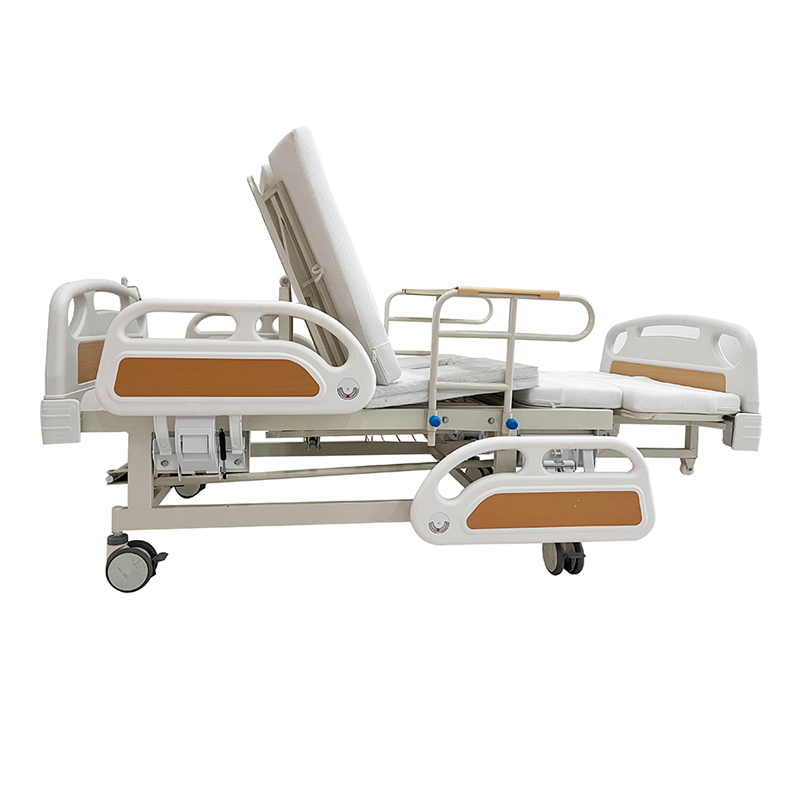
- Ручные больничные кровати
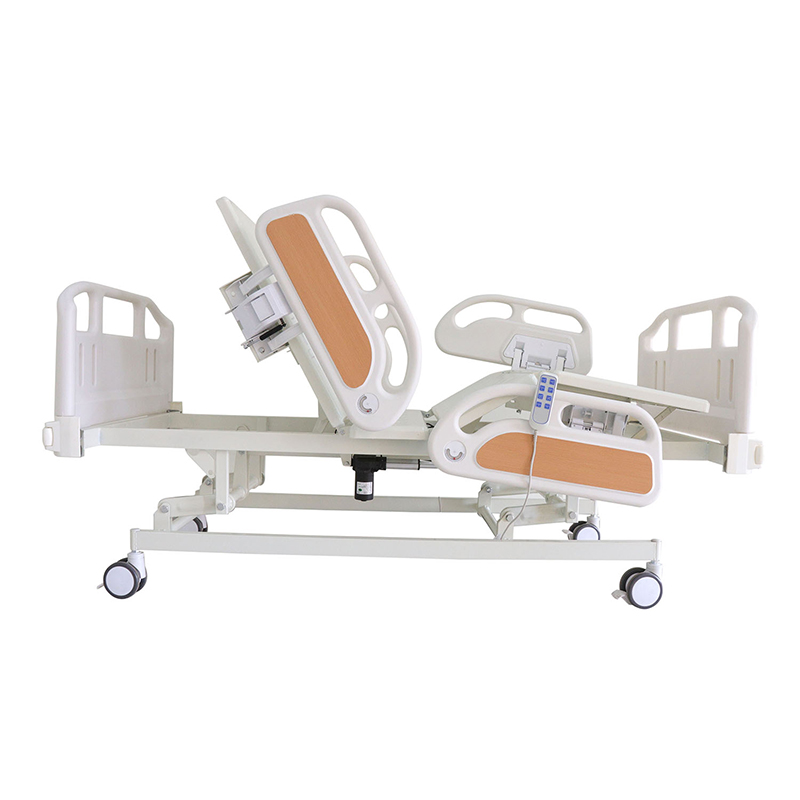
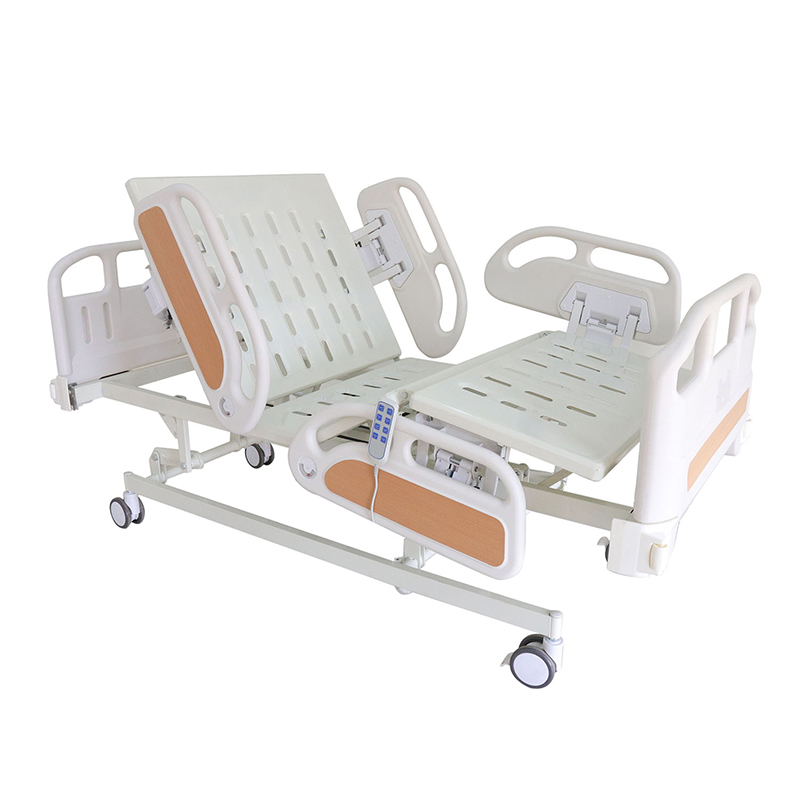
- Electric adjustable beds
- ICU intensive care beds
- Кровати для домашнего ухода
- Реабилитационные койки
- Specialized bariatric or pediatric beds
A capable manufacturer must demonstrate engineering adaptability. This includes the ability to modify bed dimensions, load capacity, motor systems, and accessory configurations based on hospital requirements.
OEM/ODM capability is particularly important for international distributors and hospital procurement agencies.
Export Experience and Market Familiarity
Suppliers with experience exporting to developed healthcare markets typically have stronger compliance awareness. Buyers should examine:
- Export history by region
- Familiarity with CE, FDA, ISO, or local certifications
- Past hospital or government project participation
- Packaging and logistics experience for long-distance shipping
This ensures that the supplier understands not only production but also international delivery requirements.
Factory Capability and Production System Evaluation
Factory capability is one of the most decisive elements in a supplier audit. It determines whether a manufacturer can handle long-term hospital supply contracts.
Production Layout and Workflow Organization
A professional medical bed factory should have clearly separated production zones:
- Raw material storage and inspection area
- Steel cutting and welding workshop
- Semi-finished assembly zone
- Electrical system integration area
- Quality testing laboratory
- Packaging and dispatch section
Poorly organized layouts often indicate weak process control, which increases defect risks.
Manufacturing Scale and Operational Capacity
Production scale should align with order requirements. Key indicators include:
- Monthly production capacity
- Number of active production lines
- Workforce size and specialization
- Peak season scalability
Factories like Jcare typically maintain scalable production systems designed for bulk hospital procurement and distributor orders.
Workforce Skills and Technical Stability
Medical bed production requires skilled labor, especially in welding, electrical assembly, and mechanical calibration.
Покупатели должны оценить:
- Worker training programs
- Technical certification levels
- Supervisor-to-worker ratio
- Production consistency across shifts
Skilled labor directly impacts weld quality, structural stability, and product lifespan.
Quality Management System (QMS) Deep Evaluation
A supplier audit must go beyond visual inspection and evaluate the internal quality management system.
Core Certification Requirements
Key certifications in medical bed manufacturing include:
- ISO 9001 Quality Management System
- ISO 13485 Medical Device Manufacturing Standard
- CE certification for European compliance
- Optional regional compliance certifications depending on export market
These certifications indicate structured processes rather than ad-hoc quality control.
Multi-Stage Quality Inspection System
A reliable manufacturer should implement inspections at multiple stages:
- Incoming raw material inspection
- Welding quality inspection
- Semi-assembly functional testing
- Electrical system verification
- Final pre-shipment inspection
Each stage should be documented with traceable records.
Quality Documentation and Traceability
Traceability is essential in medical procurement. Buyers should ensure:
- Batch number tracking system
- Material sourcing documentation
- Inspection reports for each production stage
- Product serial number identification
This is especially important for hospital procurement audits and regulatory compliance.
Raw Material and Component Quality Assessment
Medical beds rely heavily on structural engineering and mechanical durability.
Steel Frame Quality and Structural Engineering
Buyers should assess:
- Steel thickness consistency
- Anti-rust treatment quality
- Structural load distribution design
- Welding reinforcement techniques
Weak structural design can lead to long-term safety risks in hospital environments.
Medical-Grade Components
Key components include:
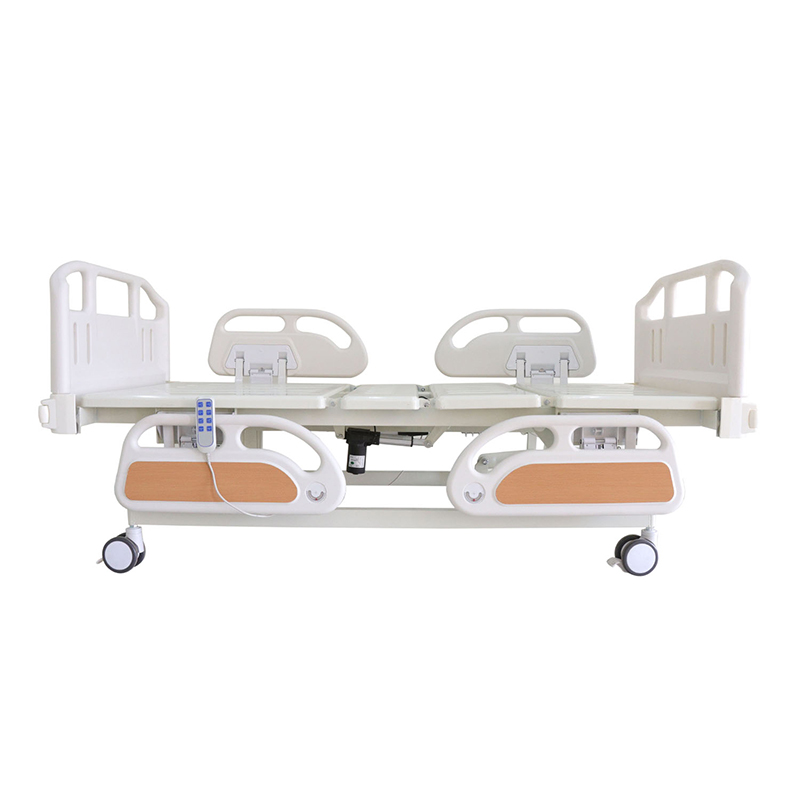
- ABS headboards and footboards
- Aluminum alloy or stainless steel side rails
- Medical casters with locking systems
- Motorized lifting systems for electric beds
Each component must meet durability and safety requirements.
Electrical System and Motor Evaluation
For electric hospital beds, motors are critical components. Buyers should test:
- Adjustment speed consistency
- Несущая способность
- Noise level under operation
- Emergency power or manual override systems
- Control panel responsiveness
Production Process Audit and Workflow Verification
Understanding how products move through production helps identify inefficiencies or hidden risks.
Welding and Frame Assembly Quality
Welding is the foundation of medical bed safety. Buyers should inspect:
- Weld uniformity
- Joint strength consistency
- Structural alignment accuracy
- Surface finishing quality
Assembly Line Standardization
Standardization ensures consistent quality across large production batches. Buyers should verify whether:
- Assembly procedures are documented
- Workers follow standardized SOPs
- Each model has defined assembly steps
- Quality checkpoints exist during assembly
Electrical Integration Process
Electrical systems must be integrated safely and consistently. Buyers should evaluate:
- Wiring protection standards
- Motor installation accuracy
- Control system calibration
- Safety insulation measures
Finished Product Testing and Performance Validation
Testing ensures real-world usability and long-term reliability.
Load and Stress Testing
Medical beds must undergo:
- Static weight load tests
- Dynamic movement stress tests
- Long-cycle fatigue testing
Functional Performance Testing
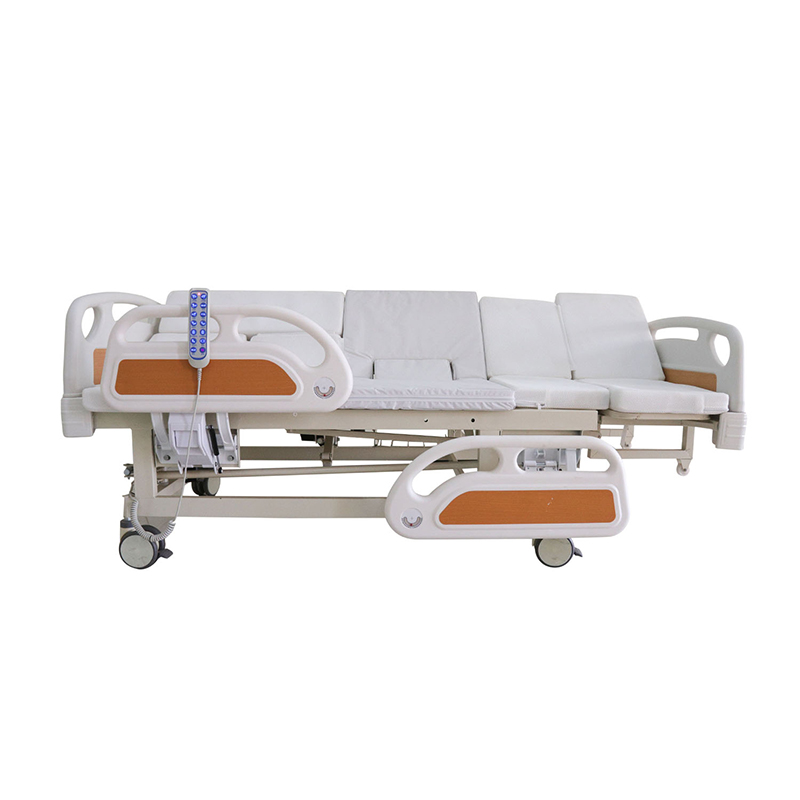
Key functions include:
- Backrest adjustment smoothness
- Leg elevation stability
- Height adjustment precision
- Brake system reliability
Operational Noise and Comfort Testing
Hospitals require quiet environments. Buyers should evaluate:
- Motor noise levels
- Movement vibration
- Mechanical smoothness
International Compliance and Certification Standards
Different markets require different compliance systems.
European and US Market Standards
- CE marking requirements
- FDA-related compliance documentation
- Electrical safety certifications
- Biocompatibility standards
Asia and Middle East Requirements
- Import registration documents
- Hospital procurement approvals
- Regional safety compliance verification
Documentation Transparency
Reliable suppliers must provide:
- Протоколы испытаний
- Сертификаты на материалы
- Compliance documentation
- Factory inspection records
Common Red Flags During Supplier Audits
Weak Production Transparency
If a supplier cannot clearly explain its production process, it may indicate outsourcing or lack of control.
Sample vs Mass Production Inconsistency
Significant differences between samples and bulk goods indicate unstable quality systems.
Missing Testing Equipment
Without proper testing tools, long-term product reliability cannot be guaranteed.
Excessive Subcontracting
Heavy reliance on third parties leads to inconsistent quality and delivery delays.
Building Long-Term Strategic Supplier Partnerships
Supplier audits should not only eliminate risks but also identify long-term partners.
Strong partnerships enable:
- Stable pricing structures
- Priority production scheduling
- OEM customization flexibility
- Faster product iteration cycles
- Better after-sales support
Long-term cooperation with manufacturers like Jcare ensures stable supply chains for hospitals, distributors, and healthcare procurement companies worldwide.
Заключение
A supplier audit for medical bed manufacturers in China is a structured, multi-layered evaluation process that covers factory capability, production systems, quality management, raw materials, compliance, and final product performance. It is not a one-time inspection but a strategic procurement tool that ensures long-term safety, reliability, and cost efficiency.
For global healthcare buyers, implementing a standardized audit system transforms sourcing from a transactional decision into a controlled supply chain strategy that reduces risk and improves procurement outcomes.
If you are currently evaluating medical bed suppliers or planning hospital procurement projects, a structured audit checklist can significantly improve decision quality. Feel free to share your experiences or questions—supplier evaluation strategies often improve through real-world collaboration and shared insights.