
Many hospitals, distributors, and healthcare procurement teams experience delays when ordering hospital beds in large quantities. These delays can disrupt facility expansion projects, delay patient admissions, increase operational costs, and create inventory shortages. Fortunately, by understanding the most common causes of order delays and implementing proven procurement strategies, buyers can significantly improve delivery reliability and keep projects on schedule.
To avoid delays in hospital bed bulk orders, buyers should plan purchases early, choose experienced manufacturers, finalize product specifications before production, maintain clear communication, conduct quality inspections, and arrange logistics in advance. Working with a reliable supplier that has strong production capacity and export experience can significantly reduce manufacturing and shipping risks while ensuring timely delivery.
Understanding where delays occur and how to prevent them is essential for successful hospital bed procurement. Let’s explore the most effective strategies.
Why Do Hospital Bed Bulk Orders Get Delayed?
Hospital bed procurement involves multiple stages, including raw material sourcing, manufacturing, assembly, quality inspection, packaging, transportation, customs clearance, and final delivery. Delays can occur at any point throughout this process.
One of the most common causes is poor planning. Buyers often place orders when inventory is already running low, leaving little flexibility if production or shipping issues arise. In other cases, suppliers may encounter material shortages, labor constraints, or production bottlenecks.
International logistics also contribute to delays. Port congestion, container shortages, customs inspections, and transportation disruptions can extend delivery schedules beyond original estimates.
Understanding these risks allows buyers to develop proactive strategies rather than reacting to problems after they occur.
How Far in Advance Should Hospital Bed Orders Be Placed?
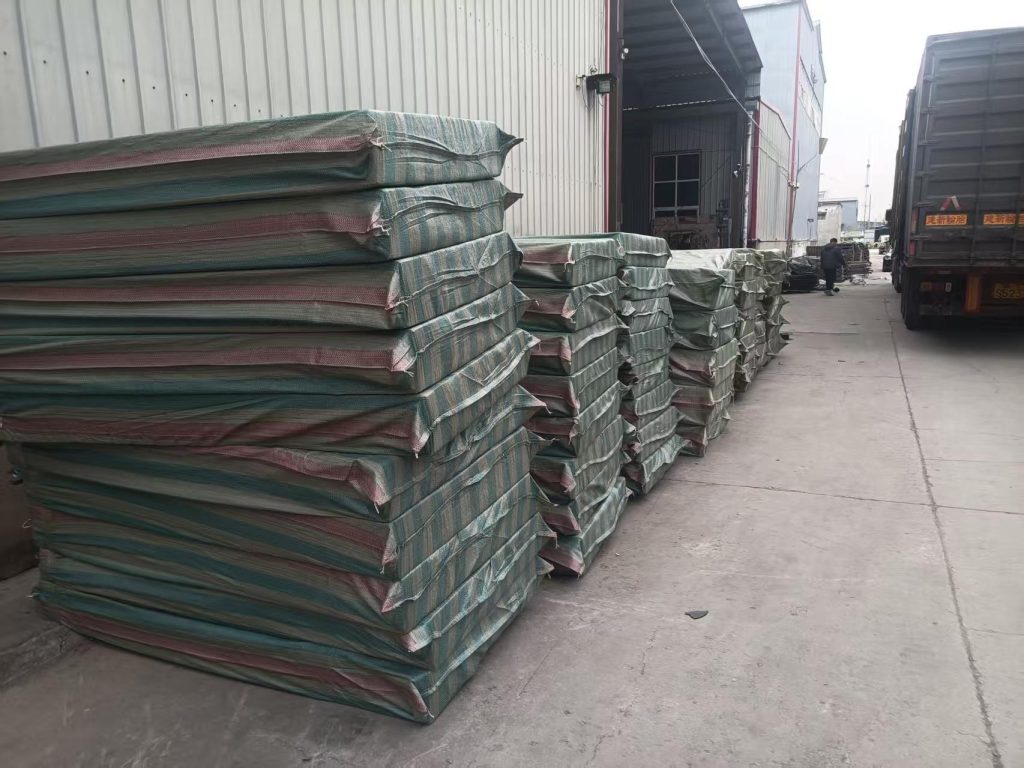
Early planning remains one of the most effective ways to avoid delays.
Healthcare facilities should forecast demand based on future expansion plans, patient volume projections, replacement schedules, and upcoming healthcare projects. Rather than waiting until inventory becomes critically low, procurement teams should begin sourcing discussions several months before products are required.
Large hospital bed orders often require significant production time, particularly when customized features are involved. Depending on order volume and specifications, manufacturing may take several weeks or even months.
Planning purchases three to six months in advance provides suppliers with sufficient time to allocate materials, schedule production, and coordinate shipping arrangements. Buyers who plan ahead also gain greater flexibility when comparing suppliers and negotiating favorable terms.
How Can You Choose a Reliable Hospital Bed Manufacturer?
Supplier selection plays a critical role in delivery performance.
Many procurement problems originate from choosing manufacturers based solely on price. While competitive pricing is important, delivery reliability often depends on factors beyond cost.
When evaluating a manufacturer, buyers should consider:
- Factory size and production capacity
- Manufacturing equipment and technology
- Системы контроля качества
- Опыт экспорта
- Lead time consistency
- Customer references
- Industry certifications
Manufacturers that own and operate their own production facilities generally have greater control over scheduling and quality than companies that outsource production.
Experienced exporters are also better prepared to handle documentation requirements, compliance standards, and international shipping procedures, reducing the likelihood of unexpected delays.
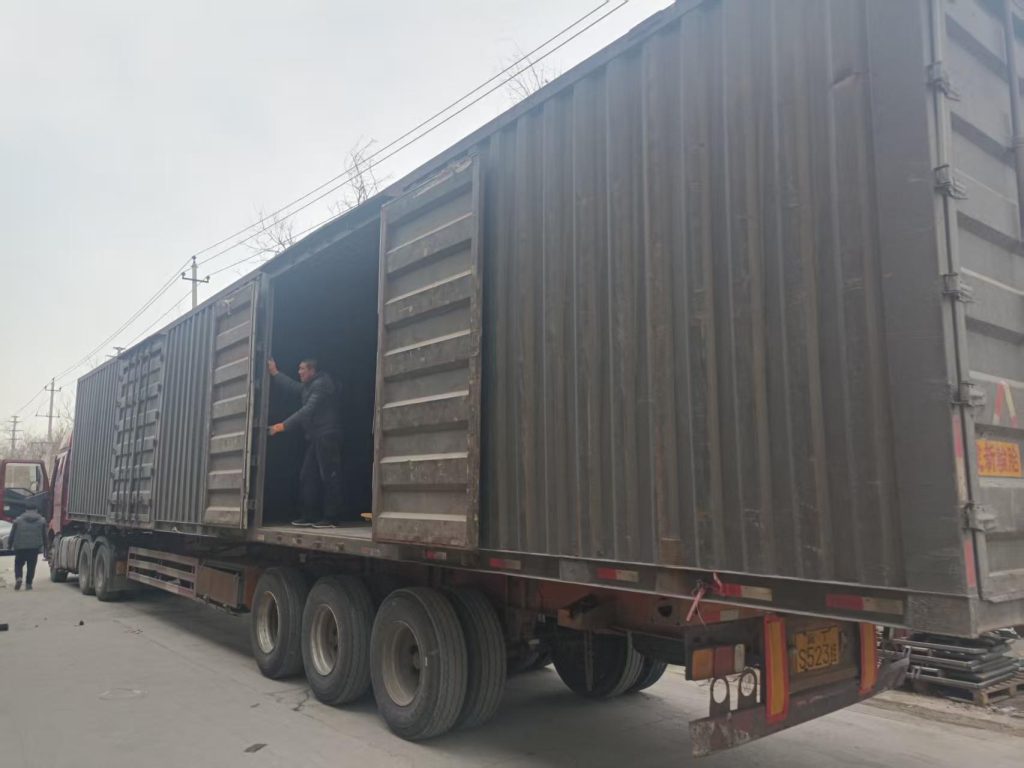
Why Is Production Capacity Important for Large Orders?
Production capacity directly affects a supplier’s ability to fulfill large orders on time.
A manufacturer may offer attractive pricing but lack sufficient resources to handle high-volume projects efficiently. If production lines are already operating at maximum capacity, new orders may face scheduling delays before manufacturing even begins.
Buyers should request information regarding:
- Monthly production output
- Number of production lines
- Current order backlog
- Workforce size
- Expansion capabilities
Suppliers with substantial manufacturing capacity are often better equipped to absorb fluctuations in demand and maintain consistent lead times.
For large healthcare projects, understanding a supplier’s actual production capability is just as important as evaluating product quality.
How Can Product Specifications Prevent Delays?
Unclear specifications frequently create avoidable production problems.
Hospital beds are available with numerous options, including manual or electric operation, different side rail designs, mattress systems, patient monitoring features, and accessory configurations. Any ambiguity during the quotation stage can lead to misunderstandings later.
Buyers should finalize details such as:
- Размеры кровати
- Functionality requirements
- Грузоподъёмность
- Side rail type
- Mattress specifications
- Electrical standards
- Аксессуары
- Требования к упаковке
Comprehensive purchase documentation helps manufacturers accurately plan production and reduces the need for costly revisions.
The clearer the specifications, the smoother the manufacturing process becomes.
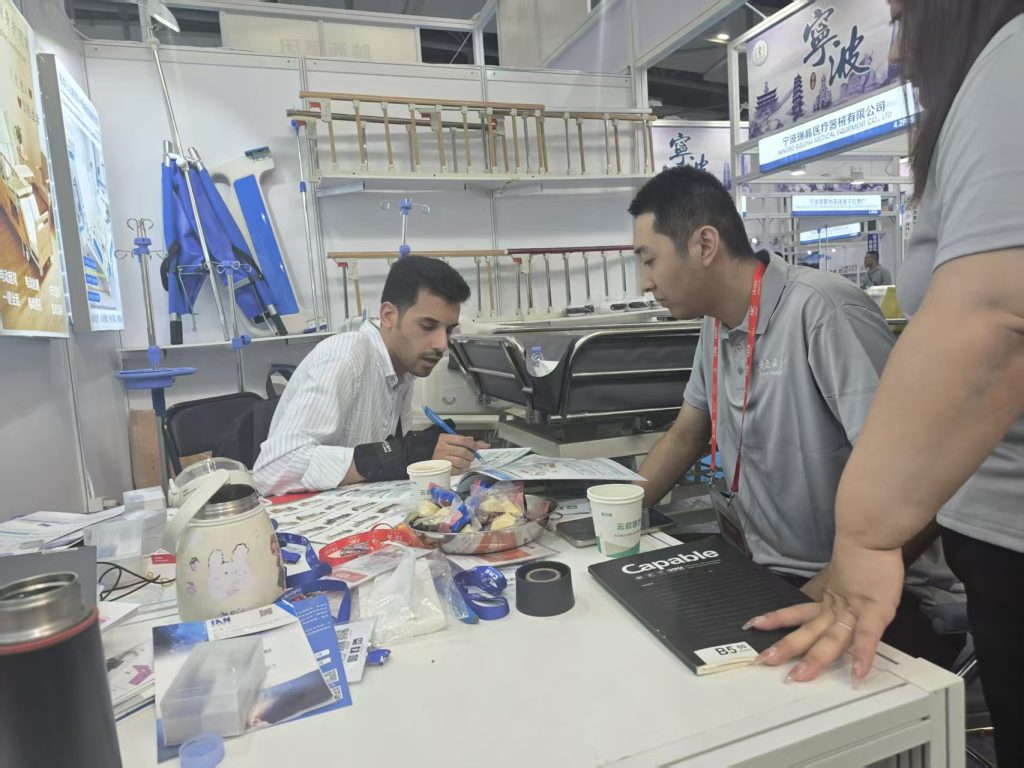
What Happens When Buyers Request Changes During Production?
Late design modifications are among the most common causes of project delays.
Once production begins, even small changes may require significant adjustments. New components may need to be sourced, engineering drawings revised, production schedules updated, and completed assemblies reworked.
These changes often create ripple effects throughout the manufacturing process.
For example, changing a side rail design may require new tooling, additional testing, or modifications to packaging materials. What appears to be a minor adjustment can extend production timelines considerably.
To minimize disruption, all technical requirements should be reviewed and approved before manufacturing starts.
How Does Communication Affect Delivery Performance?
Strong communication improves visibility and helps resolve issues before they become major problems.
Many delays occur because buyers and suppliers fail to exchange information efficiently. Questions remain unanswered, specifications become unclear, or production updates are not shared promptly.
Effective communication includes:
- Dedicated project contacts
- Regular progress reports
- Scheduled production updates
- Clear escalation procedures
- Prompt approval processes
Regular communication allows both parties to identify potential challenges early and implement corrective actions before schedules are affected.
Transparency throughout the procurement process significantly reduces uncertainty.
Should Buyers Conduct Quality Inspections During Production?
Quality inspections are not only about product quality—they also help protect delivery schedules.
Problems discovered at the final inspection stage can result in substantial delays if large quantities require repair or replacement. Identifying issues earlier allows manufacturers to make corrections while production is still underway.
An effective inspection strategy often includes:
Pre-Production Inspection
Verifies materials, specifications, and production plans before manufacturing begins.
In-Process Inspection
Monitors assembly quality and identifies defects during production.
Final Inspection
Confirms that finished products meet contractual requirements before shipment.
This layered approach reduces the likelihood of unexpected setbacks that could delay delivery.

How Can Logistics Planning Reduce Shipping Delays?
Even when manufacturing finishes on time, shipping problems can still disrupt delivery schedules.
Global logistics networks continue to experience fluctuations caused by seasonal demand, port congestion, weather conditions, and geopolitical events.
To reduce transportation risks, buyers should:
- Book shipping space early
- Confirm vessel schedules in advance
- Monitor freight market conditions
- Prepare shipping documents accurately
- Work with experienced freight forwarders
Sea freight remains the most common transportation method for bulk hospital bed shipments due to its cost efficiency. However, early booking is essential during peak shipping seasons.
Careful logistics planning ensures that completed products leave the factory without unnecessary waiting periods.
What Documents Are Required to Avoid Customs Delays?
Customs-related issues can delay shipments even after products have arrived in the destination country.
Incomplete or inaccurate documentation often results in inspections, clearance delays, or additional administrative requirements.
Commonly required documents include:
- Commercial invoice
- Packing list
- Bill of lading
- Certificate of origin
- Product certifications
- Import permits where applicable
Experienced hospital bed manufacturers typically have dedicated export teams that help prepare these documents correctly.
Verifying paperwork before shipment can save valuable time and prevent costly delays at customs checkpoints.
Why Are Long-Term Supplier Relationships Beneficial?
Long-term partnerships often lead to more reliable procurement outcomes.
Manufacturers typically prioritize customers with established purchasing histories, especially during periods of high demand. Strong relationships improve communication, enhance forecasting accuracy, and facilitate faster problem resolution.
Long-term cooperation also allows suppliers to better understand customer preferences, compliance requirements, and product specifications.
Over time, this familiarity reduces administrative complexity and streamlines future orders.
Many successful healthcare organizations view suppliers not merely as vendors but as strategic partners in their supply chain.

What Warning Signs Suggest Future Delivery Problems?
Identifying potential issues early can help buyers avoid costly disruptions.
Warning signs may include:
- Slow response times
- Inconsistent lead time estimates
- Limited production transparency
- Lack of factory verification
- Frequent schedule changes
- Poor communication
- Limited export experience
When multiple warning signs appear, buyers should conduct additional due diligence before committing to large-volume purchases.
A reliable supplier should be able to provide clear answers regarding production schedules, manufacturing capabilities, and delivery timelines.
Заключение
Avoiding delays in hospital bed bulk orders requires a combination of careful planning, supplier evaluation, detailed specifications, proactive communication, quality control, and logistics management. Buyers who take a strategic approach to procurement are far more likely to receive products on schedule while minimizing operational risks. By partnering with experienced manufacturers and implementing these best practices, hospitals, clinics, distributors, and healthcare organizations can build a more reliable and efficient supply chain. If you have experiences or insights regarding hospital bed procurement, feel free to share your thoughts and continue the conversation.