
Hospitals, clinics, and healthcare procurement teams often face a recurring problem when sourcing hospital beds internationally: delivery timelines are inconsistent, difficult to predict, and frequently longer than expected. This becomes especially challenging when facilities are expanding, emergency demand rises, or existing beds need urgent replacement. The situation can quickly escalate into operational stress, delayed admissions, and reduced patient care capacity. If these issues are not addressed, they can directly impact healthcare quality and hospital revenue. The solution is to understand why fast delivery is essential in international hospital bed sourcing and how it can be achieved through manufacturing strength, inventory planning, and supply chain optimization, which this article explains in depth.
Fast delivery matters when sourcing hospital beds internationally because it ensures hospitals maintain continuous patient care capacity, avoid operational delays, and respond quickly to demand changes. Slow delivery can cause bed shortages, postponed treatments, increased costs, and inefficient hospital operations, while fast delivery improves readiness, reduces risk, and strengthens healthcare system performance.
To fully understand the importance of delivery speed, it is necessary to explore global demand trends, supply chain structures, manufacturing capacity, and logistics coordination across borders.
人々はこうも尋ねる
Why is fast delivery important for hospital beds?
Fast delivery ensures hospitals can admit patients on time, avoid operational disruptions, and maintain continuous healthcare services.
What causes delays in international hospital bed sourcing?
Delays often result from production scheduling issues, shipping congestion, customs clearance delays, and insufficient inventory planning.
Does faster delivery increase procurement costs?
Not necessarily. In many cases, fast delivery reduces total cost by preventing downtime, rental expenses, and project delays.
How can buyers secure faster hospital bed delivery?
By choosing experienced manufacturers, confirming stock availability, and working with suppliers that have integrated logistics systems.
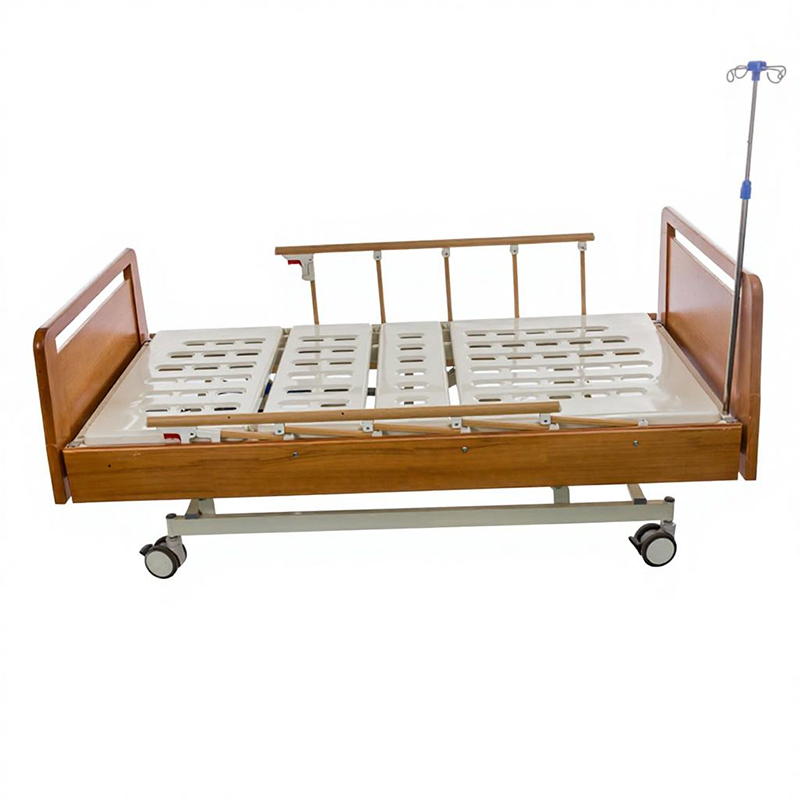
The Rising Global Pressure on Hospital Bed Supply Chains
The global healthcare industry is expanding rapidly, driven by population growth, aging societies, and increased healthcare investment. Countries such as India are building new hospitals at a large scale, while regions like Southeast Asia and the Middle East are accelerating healthcare infrastructure development.
At the same time, highly developed healthcare systems in Europe, United States, Japan, and South Korea continue upgrading hospitals with advanced electric and rehabilitation beds.
This global expansion has created a structural imbalance between supply and demand. Manufacturers are required not only to deliver high-quality hospital beds but also to meet increasingly tight delivery schedules. As a result, procurement teams now consider delivery speed a core selection criterion, not an optional advantage.
Why Hospital Bed Delivery Time Directly Impacts Hospital Performance
Hospital beds are foundational infrastructure in healthcare systems. They determine how many patients can be admitted, treated, and discharged efficiently.
When delivery is delayed, the consequences are immediate and measurable:
Patient admission capacity becomes restricted. Even if medical staff and hospital space are available, lack of beds creates bottlenecks that slow down the entire care process. Emergency departments become overcrowded, and waiting times increase significantly.
New hospital projects face delayed opening schedules. Many healthcare facilities operate under strict government or investor timelines. A delay in bed delivery can push back operational readiness and reduce financial returns.
Emergency response capability is weakened. During outbreaks, disasters, or sudden patient surges, hospitals must scale capacity quickly. Without available beds, response speed is compromised.
Operational workflows become inefficient. Staffing schedules, room allocation, and patient flow management all depend on equipment availability. Delays disrupt coordination across departments.
The Hidden Financial Burden of Slow International Delivery
Many procurement teams focus heavily on unit price, but delivery speed often has a greater impact on total cost.
Delayed delivery leads to revenue loss because hospitals cannot utilize their full capacity. Each unused bed represents lost treatment opportunities and reduced service output.
Emergency procurement becomes necessary when delays occur. Hospitals may need to rent temporary equipment or purchase from alternative suppliers at higher prices.
Administrative workload increases significantly. Procurement teams must spend additional time tracking shipments, communicating with suppliers, and resolving logistics issues.
Large healthcare construction projects are also affected. Hospital infrastructure development requires synchronized delivery of beds, furniture, and medical equipment. A delay in one category can affect the entire project timeline.
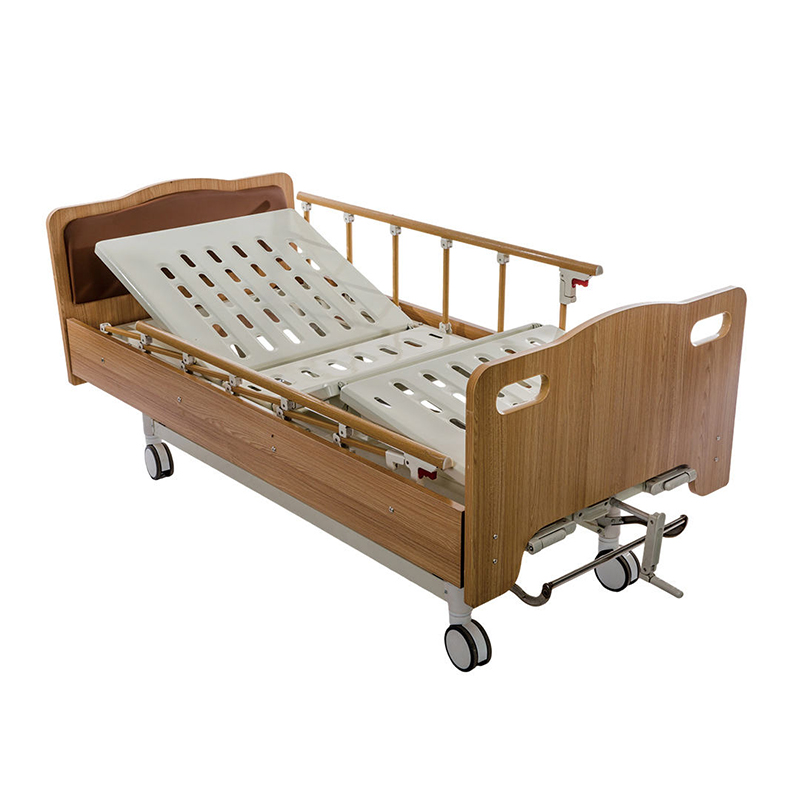
Complexity of International Hospital Bed Supply Chains
International sourcing involves multiple interconnected stages, each contributing to overall delivery time.
Raw materials such as steel frames, electronic motors, and ABS components must be sourced and processed. Any disruption in upstream supply affects production schedules.
Manufacturing capacity determines how quickly orders can be fulfilled. Factories with limited production lines often experience backlog during peak demand periods.
Export documentation adds another layer of complexity. Certificates, customs declarations, and compliance paperwork must be prepared accurately to avoid delays.
Shipping and logistics introduce additional uncertainty. Port congestion, container shortages, and weather conditions can all affect transit time.
Import regulations vary across destinations, including United States and Germany, which may require additional inspections or documentation.
This complexity makes supply chain integration essential for reducing delivery time variability.
How Fast Delivery Improves Healthcare System Efficiency
Fast delivery has a direct impact on healthcare outcomes and operational stability.
Hospitals can begin patient treatment immediately once beds arrive on time. This reduces waiting time and improves recovery speed.
Resource allocation becomes more efficient. Hospital administrators can plan staffing, ward usage, and patient flow with greater accuracy.
Emergency preparedness improves significantly. Rapid replenishment of beds ensures hospitals can respond to sudden demand spikes.
Patient experience also improves. Shorter waiting times and smoother admissions enhance trust in healthcare systems.
Manufacturing Capacity as the Core Driver of Delivery Speed
The foundation of fast delivery lies in manufacturing capability. A large-scale production base allows suppliers to handle bulk orders without bottlenecks.
A manufacturer such as Jcare operates with structured production systems that support consistent output and short lead times.
Key manufacturing advantages include:
Large production facilities that support simultaneous assembly lines
Standardized hospital bed models that reduce production complexity
Integrated quality control systems during production
Skilled workforce with medical equipment specialization
Continuous availability of core components such as motors and side rails
A 3000 square meter manufacturing base provides the physical capacity needed to maintain stable production cycles and reduce dependency on external suppliers.
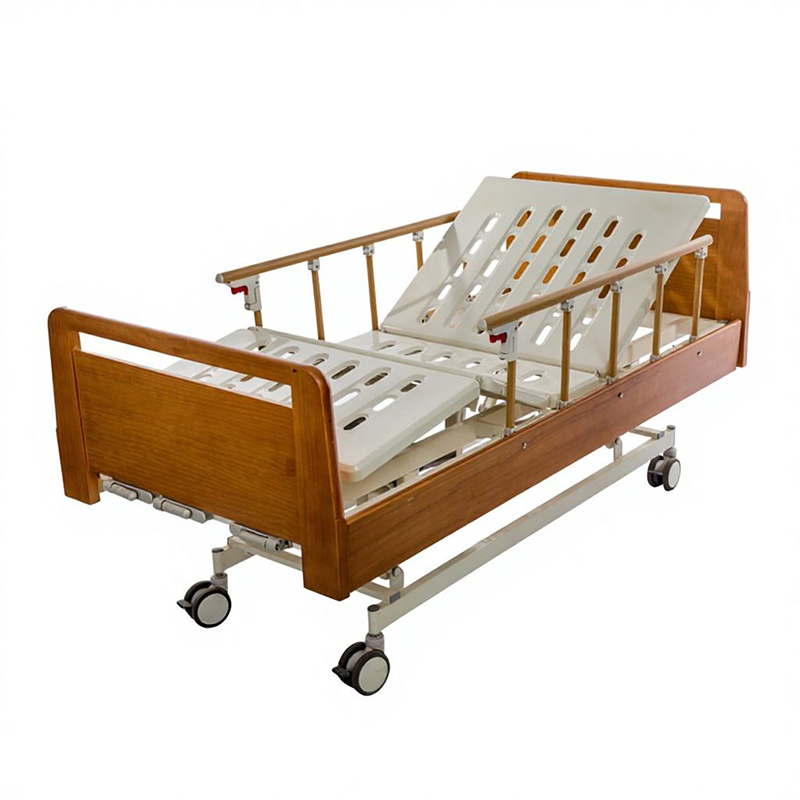
Inventory Planning and Ready-to-Ship Strategy
Fast delivery is not achieved through production alone. Inventory management plays an equally important role.
Many manufacturers maintain ready-to-ship hospital bed models that are pre-produced based on market demand patterns. This allows immediate dispatch once orders are confirmed.
Component stocking is another important strategy. Frequently used parts such as control systems, casters, and frames are stored in advance to avoid production delays.
Batch production improves efficiency by reducing machine setup time and increasing output consistency.
Demand forecasting based on export markets such as Middle East and Southeast Asia allows manufacturers to prepare inventory before orders peak.
OEM Customization and Its Effect on Delivery Time
Customization is a common requirement in international procurement, but it often affects delivery speed.
Standard hospital bed models can be shipped quickly because they follow fixed production processes. OEM customization, however, introduces additional steps such as design modification, branding, and specification adjustments.
While customization increases complexity, experienced manufacturers optimize workflows to minimize delays. Efficient production systems can handle OEM requirements without significantly extending lead time.
Balancing customization and speed is essential for procurement teams that operate under strict deadlines.
Regional Expectations for Hospital Bed Delivery Speed
Different regions have different expectations for delivery timelines.
In India and Southeast Asia, rapid healthcare expansion requires fast deployment of equipment.
In the Middle East, large-scale government healthcare projects operate under strict construction deadlines.
In Europe and the United States, regulatory compliance must be balanced with timely delivery.
In Japan and South Korea, precision healthcare systems require predictable and stable supply chains.
These regional differences increase the complexity of global logistics coordination.
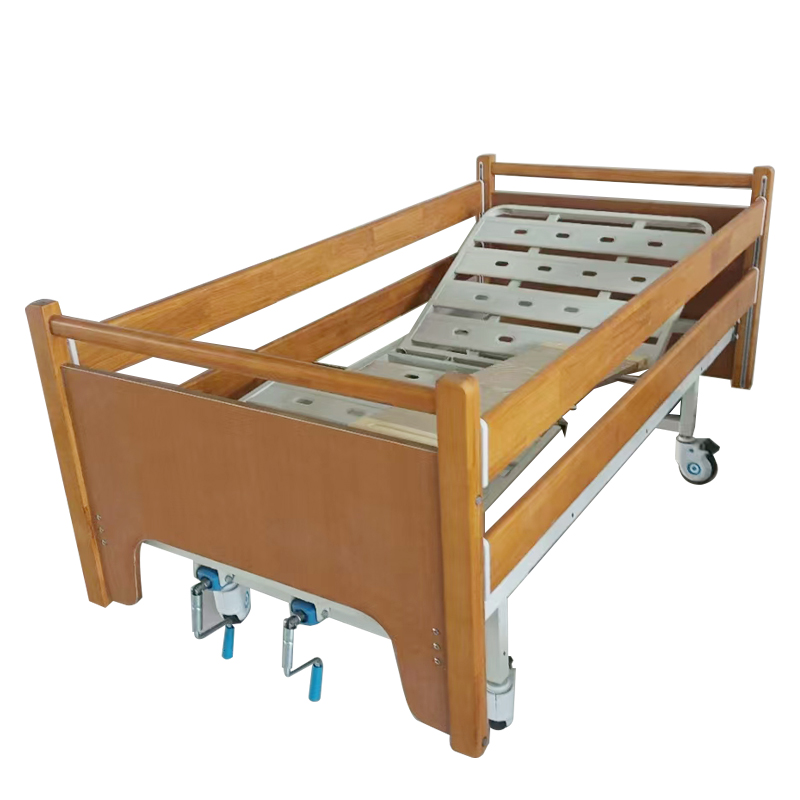
Logistics Optimization in International Shipping
Efficient logistics is essential for maintaining fast delivery performance.
Sea freight remains the most common transportation method for hospital beds due to cost efficiency. Optimized container loading reduces space waste and prevents damage during transit.
Customs preparation is critical. Accurate documentation reduces inspection delays and accelerates clearance processes.
Distribution planning ensures goods reach hospitals and distributors without unnecessary handling delays.
Risk management systems help mitigate disruptions caused by port congestion or regulatory checks.
Manufacturers with export experience can significantly reduce uncertainty in international shipping timelines.
How Buyers Can Secure Faster Delivery
Hospitals and procurement teams can take several practical steps to improve delivery outcomes.
Working with experienced manufacturers is one of the most effective strategies. Suppliers with strong export experience understand logistics challenges and can anticipate potential delays.
Confirming inventory availability before placing orders reduces uncertainty and ensures faster processing.
Standardizing specifications helps avoid unnecessary customization delays.
Building long-term supplier relationships improves priority allocation during high-demand periods.
Working with integrated manufacturers such as Jcare reduces dependency on intermediaries and improves overall delivery speed.
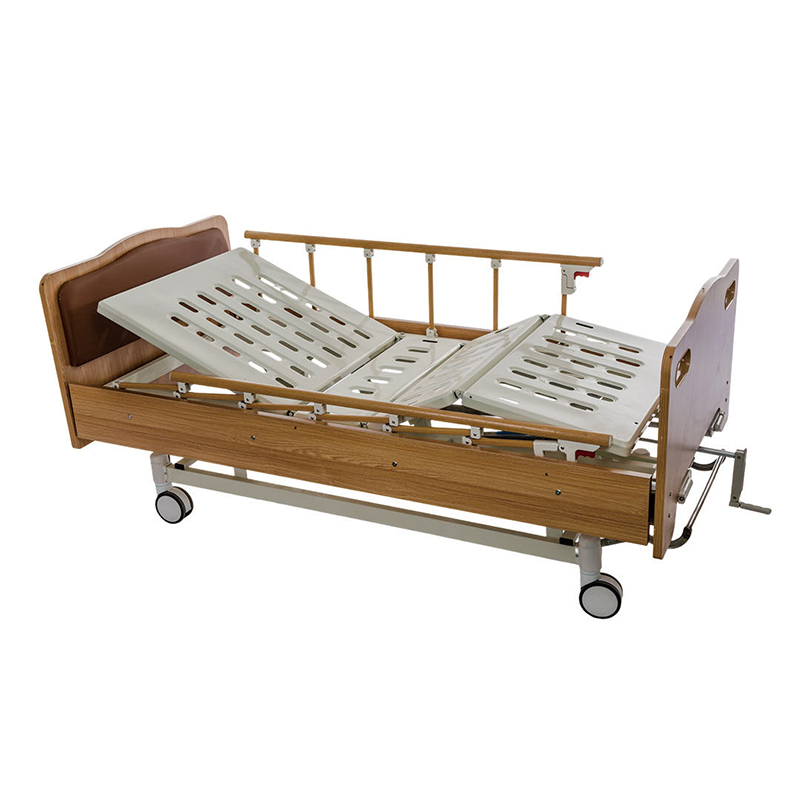
Fast Delivery as a Strategic Advantage in Healthcare Procurement
Fast delivery is no longer just a logistics feature. It has become a strategic advantage that influences hospital performance, financial efficiency, and patient care quality.
Hospitals benefit from improved operational continuity, better emergency readiness, and reduced financial risk. Suppliers benefit from stronger customer trust, repeat orders, and long-term partnerships.
In a competitive global healthcare environment, delivery speed often determines which suppliers succeed in international markets.
結論
Fast delivery plays a critical role in international hospital bed sourcing. It affects hospital operations, patient care efficiency, project timelines, and financial performance. As global demand continues to rise across regions such as India, Europe, and the United States, procurement teams must prioritize suppliers who combine manufacturing strength with efficient logistics systems.
Manufacturers like Jcare demonstrate how integrated production and supply chain management can ensure both quality and fast delivery.
If you found this article helpful, feel free to share your thoughts or experiences with international hospital bed procurement, especially challenges related to delivery time and logistics.