
Many hospitals and healthcare buyers ask whether it is possible to reduce hospital bed procurement costs without lowering product quality. Choosing the wrong supplier or focusing only on low prices can lead to maintenance issues, safety risks, and repeated replacement expenses. Fortunately, buyers can lower procurement costs by selecting reliable manufacturers, optimizing purchasing strategies, and focusing on long-term value instead of only initial pricing.
Hospitals can reduce procurement costs for hospital beds without sacrificing quality by purchasing directly from manufacturers, standardizing product specifications, buying in bulk, evaluating total ownership costs, and selecting durable materials with reliable certifications. Long-term supplier partnerships, efficient logistics planning, and choosing beds based on actual clinical needs also help healthcare facilities control budgets while maintaining patient safety and operational efficiency.
Reducing costs does not mean lowering standards when procurement decisions focus on durability, efficiency, and long-term value.
人々はこうも尋ねる
Why Is Hospital Bed Procurement Cost Control So Important?
Hospital beds are one of the most important medical equipment investments for healthcare facilities. Whether for hospitals, rehabilitation centers, nursing homes, or home care distributors, purchasing decisions directly affect operational budgets and patient care quality.
Healthcare buyers today face growing financial pressure. Rising logistics costs, increasing healthcare demand, and equipment maintenance expenses force procurement teams to search for cost-saving solutions. However, simply choosing the cheapest hospital bed often creates long-term problems.
Low-quality hospital beds may lead to:
- Frequent repairs
- Shorter product lifespan
- Increased maintenance expenses
- Safety risks for patients
- Poor caregiver efficiency
- Higher replacement frequency
As a result, healthcare facilities may ultimately spend far more than expected.
A strategic procurement approach helps buyers balance affordability, safety, durability, and operational performance.
How Does Total Cost of Ownership Affect Procurement Decisions?
One of the biggest procurement mistakes is focusing only on the initial purchase price.
Professional buyers understand that the total cost of ownership is far more important than the lowest quotation.
The total cost of ownership includes:
- Product purchase cost
- Shipping and freight charges
- Installation expenses
- Maintenance costs
- スペアパーツの供給
- 製品の耐久性
- ダウンタイムのリスク
- 保証範囲
- 交換頻度
For example, a hospital bed with unstable electrical systems may require constant repairs, increasing maintenance expenses and interrupting patient care. Similarly, low-grade steel frames may corrode or crack after prolonged use.
Although a higher-quality bed may have a slightly higher upfront price, it often provides much lower long-term operational costs.
ヘルスケアのバイヤーは評価すべきである:
- Expected product lifespan
- メンテナンスの容易さ
- Supplier support capability
- Structural durability
- Spare part accessibility
This approach allows procurement teams to make smarter long-term investments.
Why Is Buying Directly From Manufacturers More Cost-Effective?
Purchasing hospital beds directly from manufacturers is one of the most effective ways to reduce procurement expenses.
When buyers work through multiple intermediaries or trading companies, additional commissions and operational costs increase the final product price.
Direct manufacturers typically provide:
- Factory pricing
- Faster communication
- Better customization flexibility
- 安定した在庫
- Faster delivery schedules
- Better after-sales support
- More consistent quality control
For example, manufacturers like Jcare operate with their own production facilities and processing plants, helping healthcare buyers access competitive pricing while maintaining strict quality standards.
Direct cooperation is especially valuable for:
- Hospital procurement projects
- 政府入札
- Medical distributors
- Nursing home chains
- リハビリセンター
- Long-term wholesale partnerships
Factory-direct sourcing also improves transparency during the procurement process.
How Can Bulk Purchasing Reduce Hospital Bed Costs?
Bulk procurement significantly lowers per-unit costs.
Manufacturers generally offer better pricing for:
- Full container orders
- Long-term contracts
- Repeat purchases
- Multi-project procurement
- Combined product orders
Bulk purchasing helps reduce:
- Production costs
- Packaging expenses
- Freight costs
- Administrative expenses
In many cases, buyers can also negotiate:
- Free accessories
- Spare part packages
- Extended warranty coverage
- Better payment terms
- 優先生産スケジューリング
Hospital groups and large distributors often use centralized procurement systems to increase negotiation power and improve purchasing efficiency.
Why Should Hospitals Standardize Bed Specifications?
Many healthcare facilities unknowingly increase procurement costs by purchasing too many bed variations.
Different models may require different:
- 交換用部品
- Maintenance procedures
- Training methods
- アクセサリー
- Electrical systems
This complexity creates higher operational costs over time.
Standardizing hospital bed specifications improves efficiency and reduces expenses.
Areas commonly standardized include:
- ベッドのサイズ
- Mattress sizes
- サイドレール
- キャスター
- 制御システム
- Motor types
- アクセサリー
Standardization helps procurement teams simplify maintenance management while improving compatibility across departments.
It also reduces spare part inventory requirements and technician training complexity.
What Materials Improve Hospital Bed Durability?
Product durability directly affects procurement value.
High-quality hospital beds reduce maintenance frequency and extend service life.
When evaluating hospital beds, buyers should pay close attention to material quality and structural design.
Steel Frame Quality
Strong steel frames improve stability and load-bearing performance. Powder-coated steel also helps prevent corrosion caused by cleaning chemicals and humid environments.
Welding Technology
Poor welding can cause structural cracks and long-term safety risks. Reinforced welding improves product reliability.
Surface Treatment
Advanced surface coatings protect beds from rust, scratches, and chemical damage.
Casters and Mobility Systems
Durable medical casters improve bed movement while reducing replacement frequency.
Electrical Components
Reliable motors and control systems reduce downtime and improve operational stability.
Choosing durable materials may slightly increase initial cost, but it dramatically lowers long-term maintenance expenses.
How Does Supplier Reliability Affect Procurement Costs?
An unreliable supplier can create hidden financial risks.
Late deliveries, inconsistent product quality, and poor after-sales service often increase operational costs for healthcare facilities.
Before selecting a supplier, buyers should evaluate:
- Manufacturing experience
- Export capability
- Production capacity
- Quality management systems
- Delivery performance
- Customer feedback
- Certification compliance
- テクニカルサポート
Reliable suppliers help buyers avoid:
- Shipment delays
- Product defects
- Spare part shortages
- Warranty disputes
- Compliance risks
Long-term cooperation with trusted suppliers also creates more stable pricing and supply chain management.
Why Is Easy Maintenance Important for Hospital Beds?
Maintenance costs are a major part of hospital equipment ownership.
Beds designed with complex systems or difficult repair access often increase service expenses.
Procurement teams should prioritize hospital beds with:
- Modular designs
- Replaceable components
- Standard spare parts
- Easy motor access
- Simplified electrical layouts
Easy-maintenance products reduce downtime and improve repair efficiency.
This is especially important for large hospitals managing hundreds of beds across multiple departments.
Should Hospitals Avoid Unnecessary Bed Functions?
Not every healthcare environment requires advanced multifunction hospital beds.
Many procurement teams overspend on features that are rarely used in daily operations.
Highly advanced systems may increase:
- Purchase costs
- Repair expenses
- Maintenance complexity
- Staff training requirements
Instead, procurement teams should match bed functions with actual clinical needs.
例えば、こうだ:
| 医療環境 | 推奨ベッドタイプ |
|---|---|
| ICU | Advanced electric hospital bed |
| General ward | Semi-electric or manual bed |
| Rehabilitation center | Adjustable rehabilitation bed |
| Home care | Simple electric care bed |
| Nursing home | Durable low-maintenance bed |
Selecting the appropriate function level improves procurement efficiency while controlling costs.
How Can Logistics Optimization Reduce Procurement Expenses?
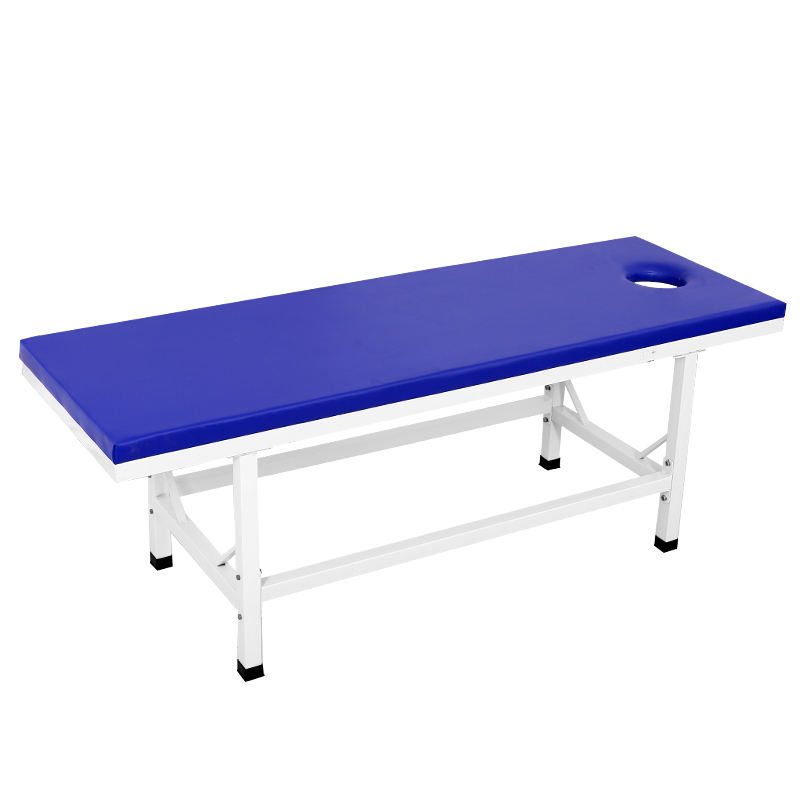
International freight costs play a major role in hospital bed procurement budgets.
Healthcare buyers can lower logistics expenses through:
- Full container shipping
- Combined product loading
- Optimized packaging
- Long-term freight partnerships
- Regional warehouse cooperation
Experienced exporters can also help buyers reduce customs risks and shipping delays.
For international markets such as India, Southeast Asia, the Middle East, Europe, Japan, South Korea, and the USA, logistics planning is essential for cost control.
Suppliers with stable inventory and fast production capabilities can further improve delivery efficiency.
Why Are Certifications Important Even When Reducing Costs?
Reducing procurement expenses should never compromise patient safety.
Hospital beds must comply with relevant international standards and medical regulations.
重要な資格には以下のようなものがある:
- ISO 13485
- CE認証
- FDA登録
- IEC electrical safety standards
Certified products improve:
- Product reliability
- Buyer confidence
- Regulatory compliance
- Market acceptance
Non-certified products may create legal risks, operational problems, and reputational damage.
Quality compliance is a critical part of sustainable procurement.
How Do Long-Term Supplier Partnerships Help Buyers Save Money?
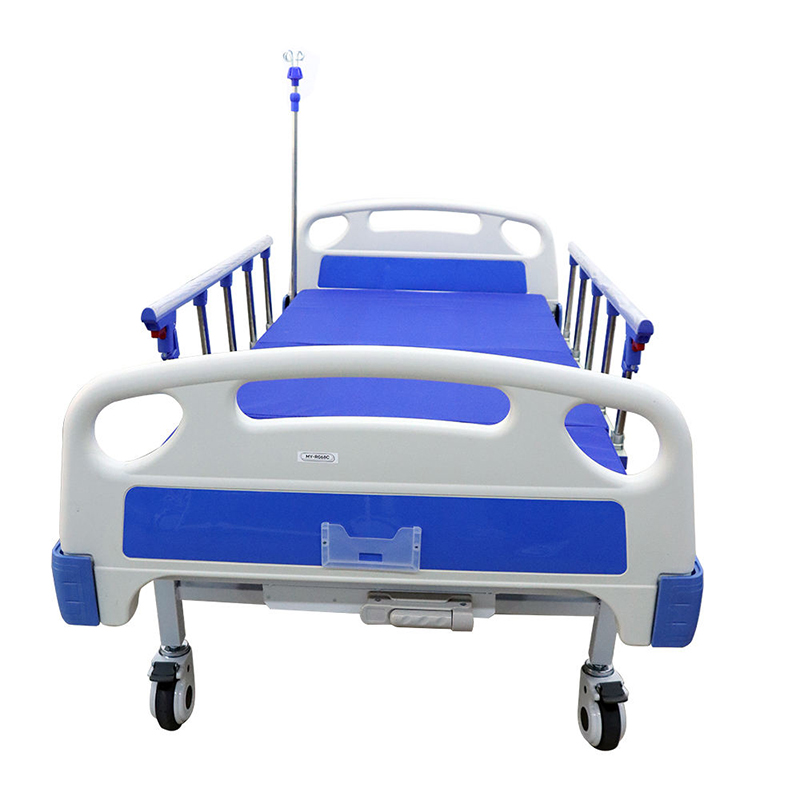
Building long-term partnerships with hospital bed manufacturers often creates significant financial advantages.
Long-term cooperation may provide:
- Stable pricing
- リードタイムの短縮
- Better payment terms
- Priority production
- Spare part support
- Technical assistance
Suppliers are also more willing to customize solutions for repeat buyers.
Partnership-based procurement improves supply chain stability and reduces purchasing uncertainty.
For distributors and healthcare groups, strong supplier relationships often lead to better overall business performance.
What Procurement Trends Are Shaping the Hospital Bed Industry?
Several industry trends are influencing procurement strategies worldwide.
Growing Home Care Demand
Aging populations continue increasing demand for affordable home care beds.
Smart Hospital Bed Development
Advanced monitoring technologies improve patient management but may increase procurement costs.
Supply Chain Diversification
Many buyers now prioritize suppliers with stable inventory and reliable export capabilities.
Sustainability Focus
Healthcare organizations increasingly prefer durable and recyclable materials to improve long-term operational efficiency.
Understanding these trends helps procurement teams make more future-oriented purchasing decisions.
結論
Reducing procurement costs for hospital beds without sacrificing quality requires strategic planning rather than simply choosing the lowest-priced product. Healthcare buyers should focus on total ownership costs, supplier reliability, durable materials, standardized specifications, and long-term operational value.
Purchasing directly from experienced manufacturers like Jcare can help hospitals, distributors, and healthcare procurement teams access factory pricing, stable inventory, dependable quality, and faster delivery times. By balancing affordability with performance and safety, healthcare facilities can improve operational efficiency while maintaining high standards of patient care.
If you are looking for reliable hospital bed procurement solutions, feel free to share your thoughts, ask questions, or contact us to discuss your project requirements.