
Hospitals, clinics, nursing homes, and home care providers often ask the same question: should they choose adjustable beds or traditional care beds? Making the wrong choice can affect patient comfort, caregiver efficiency, recovery outcomes, and long-term operating costs. Fortunately, understanding the differences between these two bed types makes it easier to select the most suitable solution for specific healthcare environments. This article compares adjustable beds and traditional care beds to help buyers make informed purchasing decisions.
Adjustable beds are generally the better choice for modern healthcare environments because they improve patient comfort, support safer repositioning, reduce caregiver workload, and enhance recovery outcomes. Traditional care beds remain useful for basic care situations and budget-conscious facilities, but adjustable beds provide greater functionality, flexibility, and long-term value for hospitals, rehabilitation centers, nursing homes, and home care settings.
The answer seems straightforward, but the best choice depends on patient needs, care requirements, budget, and facility goals. Let’s explore the details.
What Are Adjustable Beds?
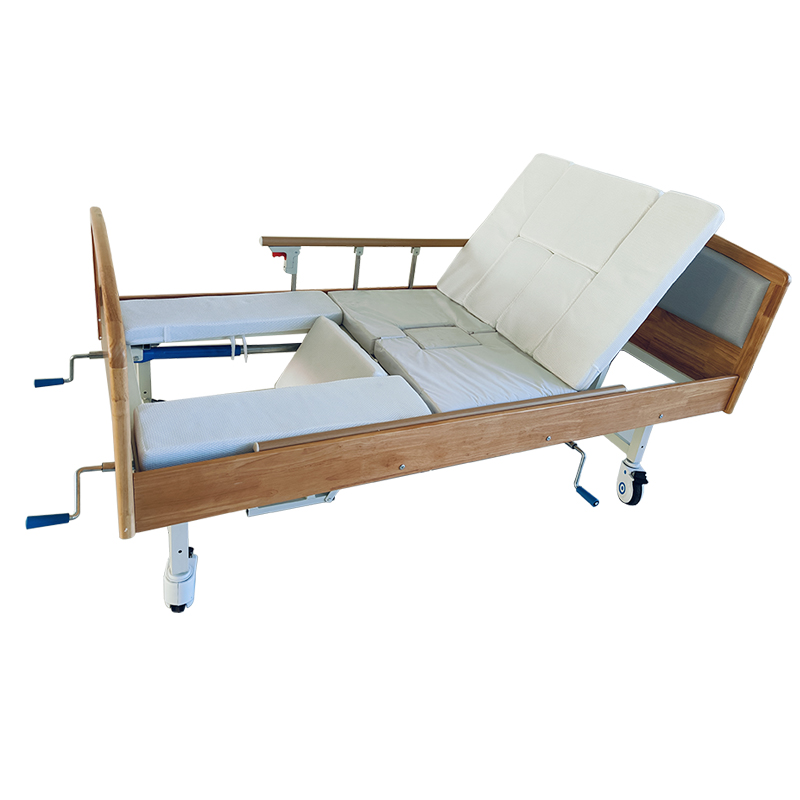
Adjustable beds are medical beds designed with movable sections that allow caregivers or patients to modify bed positions according to specific care needs. Depending on the model, adjustable beds may offer electric, semi-electric, or manual adjustment functions.
Common adjustment features include:
- 背もたれの高さ
- レッグエレベーション
- 高さ調整
- トレンデレンブルグのポジショニング
- 逆トレンドレンブルグポジショニング
- Chair positioning
- Auto-contour functions
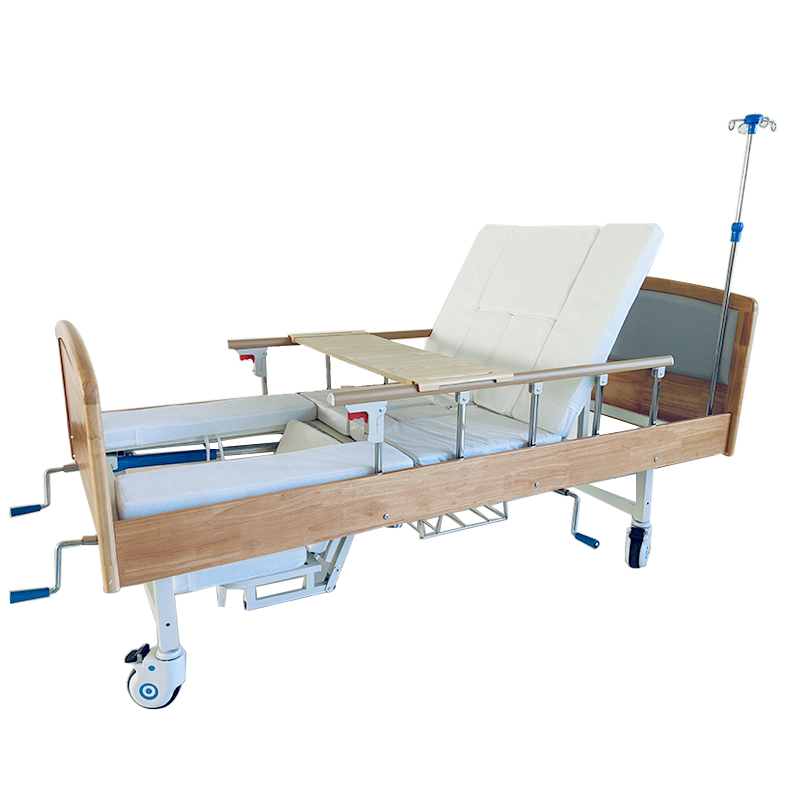
Modern adjustable hospital beds often incorporate advanced control systems, safety rails, locking casters, and integrated patient monitoring capabilities.
Healthcare facilities increasingly rely on adjustable beds because they support a wide range of treatment and recovery requirements.
What Are Traditional Care Beds?
Traditional care beds are basic patient beds with limited or no positioning capabilities. Many traditional beds use fixed frames and offer minimal adjustment options.
These beds are commonly found in:
- Basic care facilities
- Temporary medical facilities
- Budget-sensitive healthcare environments
- Certain home care settings
Traditional care beds are valued for their simplicity, lower acquisition cost, and straightforward maintenance requirements.
However, they generally lack the advanced functionality available in adjustable beds.
Why Bed Selection Matters in Healthcare
The choice between adjustable beds and traditional care beds extends beyond furniture selection.
Hospital beds directly influence:
- 患者の快適性
- Recovery speed
- Caregiver productivity
- 患者の安全
- Facility efficiency
- Long-term operational costs
A bed that supports proper positioning can reduce complications, improve patient satisfaction, and help healthcare professionals deliver more effective care.
Poor bed selection can create challenges that affect both patients and caregivers for years.
Patient Comfort: Adjustable Beds Take the Lead
Comfort is one of the most significant factors in patient care.
Patients often spend extended periods in bed during recovery, rehabilitation, or long-term care. Remaining in a fixed position for long periods can create discomfort, stiffness, and pain.
Adjustable beds allow patients to:
- Raise their upper body
- Elevate their legs
- Change sleeping positions
- プレッシャーポイントを減らす
- 循環の改善
These features significantly improve comfort levels.
Traditional care beds offer limited positioning options, making it more difficult to accommodate individual patient preferences and medical requirements.
Patients recovering from surgery, stroke, respiratory conditions, or chronic illnesses often benefit substantially from adjustable positioning.
Recovery Outcomes and Healing Support
Patient positioning plays an important role in recovery.
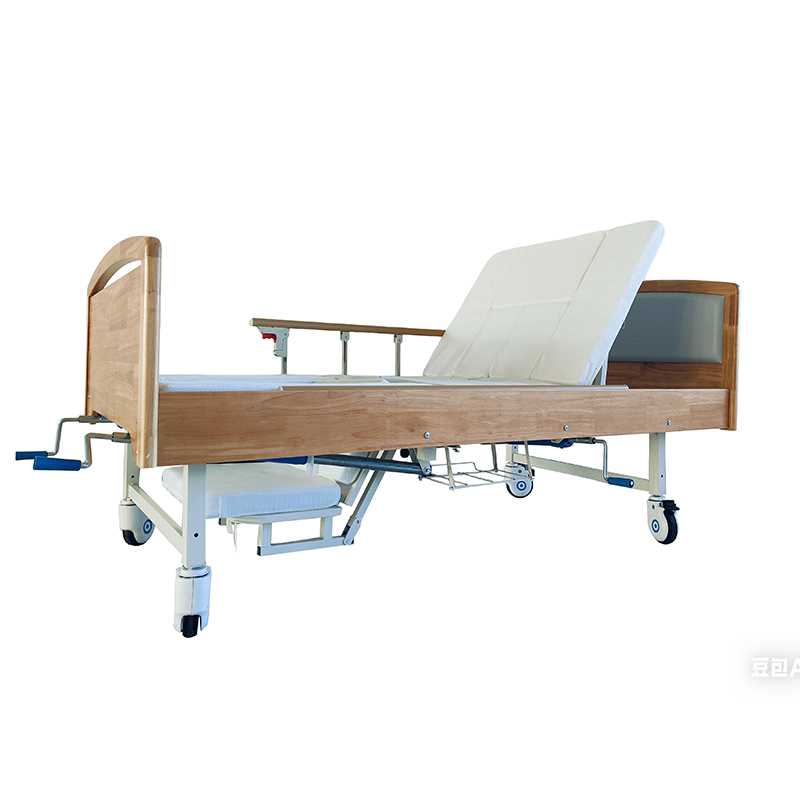
Adjustable beds contribute to healing by supporting:
Better Blood Circulation
Elevating specific body areas can encourage healthy circulation and reduce swelling.
Improved Respiratory Function
Patients with respiratory conditions often experience easier breathing when the upper body is elevated.
Reduced Pressure Injuries
Frequent repositioning helps minimize pressure ulcer risks.
Enhanced Mobility
Patients can transition between lying and sitting positions more easily.
Greater Independence
Some patients can adjust their own positions without requiring caregiver assistance.
Traditional care beds provide fewer opportunities to optimize these recovery-related factors.
As healthcare providers increasingly focus on patient-centered care, adjustable beds continue gaining popularity.
Caregiver Efficiency and Workload Reduction
Healthcare professionals face significant physical demands every day.
Nurses and caregivers frequently assist patients with:
- Position changes
- Transfers
- フィーディング
- 衛生ケア
- Medical procedures
Adjustable beds simplify many of these tasks.
When bed height can be adjusted, caregivers can work in more ergonomic positions, reducing strain on the back, shoulders, and knees.
Electric positioning features allow caregivers to reposition patients with less physical effort.
Traditional care beds often require more manual lifting and repositioning, increasing caregiver fatigue and injury risks.
Facilities that invest in adjustable beds frequently report improved staff efficiency and reduced workplace injuries.
Safety Considerations
Patient safety remains a top priority across healthcare settings.
Adjustable beds offer several safety advantages:
転倒防止
Low-height positioning helps reduce fall-related injuries.
安全サイドレール
Integrated safety rails provide additional protection.
Locking Casters
Mobility systems can be securely locked during patient care.
Safe Transfers
Height adjustments simplify wheelchair transfers.
緊急位置特定
Rapid positioning options support emergency medical interventions.
Traditional care beds can still provide safe environments, but they generally lack many advanced safety features found in modern adjustable beds.
Long-Term Cost Comparison
Many buyers initially focus on purchase price.
Traditional care beds typically cost less upfront.
However, total ownership costs tell a more complete story.
Traditional Care Bed Costs
Advantages:
- Lower acquisition cost
- Simpler maintenance
- Fewer electronic components
Challenges:
- Higher caregiver labor requirements
- Increased injury risks
- Potentially lower patient satisfaction
- Limited adaptability
Adjustable Bed Costs
Advantages:
- Better patient outcomes
- 介護者の負担軽減
- Increased operational efficiency
- Greater versatility
Challenges:
- Higher initial investment
- More sophisticated maintenance requirements
When evaluating healthcare equipment, decision-makers should consider lifecycle value rather than purchase price alone.
In many situations, adjustable beds generate greater long-term returns despite higher initial costs.
Comparing Adjustable Beds and Traditional Care Beds by Healthcare Environment
Different care settings have different priorities.
病院
Hospitals benefit significantly from adjustable beds because patients often require intensive monitoring and frequent repositioning.
Adjustable beds support:
- Surgical recovery
- Intensive care
- Respiratory treatment
- Emergency care
リハビリセンター
Rehabilitation patients frequently need customized positioning.
Adjustable beds assist with:
- Physical therapy
- モビリティ・トレーニング
- Recovery programs
老人ホーム
Long-term care residents benefit from comfort-focused positioning and pressure injury prevention.
ホームケア
Home care environments vary widely.
Adjustable beds can improve comfort and independence for elderly individuals and patients with chronic conditions.
Traditional beds may still serve short-term or low-acuity situations.
Technology Integration in Modern Adjustable Beds
Today’s adjustable beds offer far more than simple movement functions.
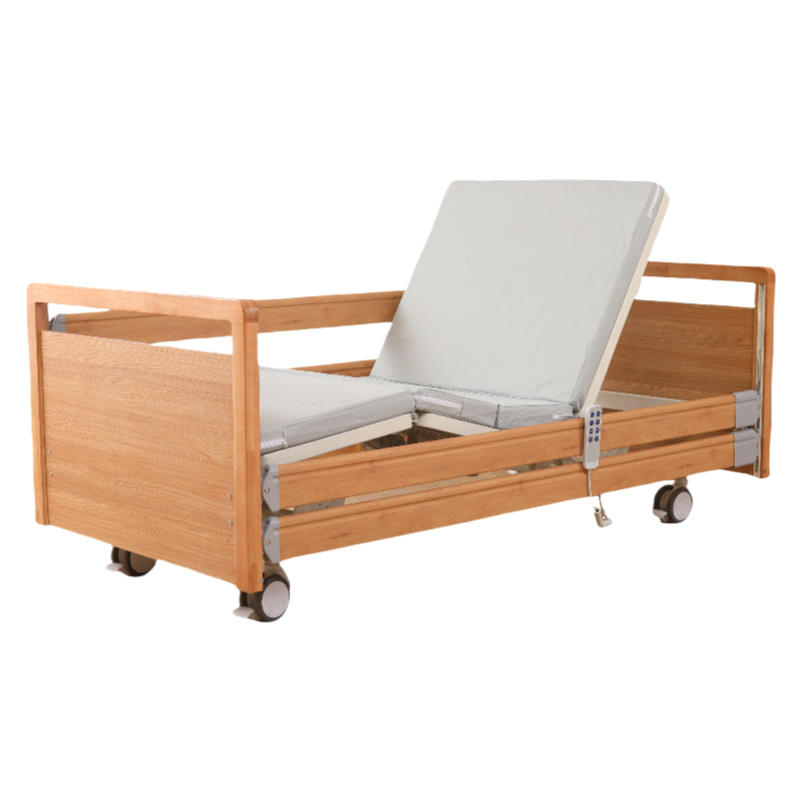
Advanced models may include:
- Digital control panels
- ナースコール統合
- Patient weighing systems
- ベッド退出アラーム
- USB charging ports
- Remote controls
- バッテリーバックアップシステム
These innovations help healthcare facilities improve operational efficiency while enhancing patient experiences.
Traditional care beds typically lack these advanced capabilities.
As healthcare becomes increasingly technology-driven, adjustable beds align more closely with modern care delivery models.
褥瘡の予防
Pressure injuries remain a significant concern in healthcare.
Patients who remain immobile for extended periods face elevated risks.
Adjustable beds assist prevention efforts by enabling:
- Frequent repositioning
- Weight redistribution
- 血行の改善
- Better support surfaces
Many adjustable beds can also be paired with specialized pressure-relief mattresses.
Traditional beds provide fewer tools for pressure management.
This difference becomes particularly important in long-term care environments.
Infection Control Considerations
Healthcare facilities prioritize cleanliness and infection prevention.
Modern adjustable beds are often designed with:
- Easy-to-clean surfaces
- Seamless construction
- Antimicrobial materials
- Reduced dirt accumulation points
High-quality adjustable beds support infection control protocols without sacrificing functionality.
Traditional beds can also be hygienic, but newer adjustable models often incorporate design improvements specifically intended for healthcare environments.
Mobility and Patient Independence
Patient independence contributes positively to both physical and psychological well-being.
Adjustable beds encourage independence by allowing patients to:
- Sit upright independently
- Enter and exit bed more easily
- Adjust comfort settings
- Participate in self-care activities
This independence can boost confidence and reduce caregiver dependence.
Traditional care beds generally offer fewer opportunities for patient-controlled positioning.
Which Patients Benefit Most from Adjustable Beds?
Adjustable beds are especially beneficial for:
高齢の患者
Age-related mobility limitations often make repositioning difficult.
Post-Surgical Patients
Recovery frequently requires position changes and elevation.
Stroke Patients
Positioning support helps rehabilitation efforts.
Respiratory Patients
Elevated positioning improves breathing comfort.
Long-Term Care Residents
Comfort and pressure management become ongoing priorities.
Bariatric Patients
Specialized adjustable beds provide enhanced support and safety.
These patient populations often experience measurable benefits from advanced bed functionality.
Situations Where Traditional Care Beds May Still Be Appropriate
Despite the advantages of adjustable beds, traditional care beds remain useful in certain circumstances.
例としては、次のようなものがあります:
- Temporary care facilities
- Emergency overflow situations
- Budget-constrained projects
- Low-acuity patient populations
- Short-duration care requirements
For some organizations, traditional beds continue serving practical purposes.
The key is matching bed capabilities with actual patient care requirements.
Procurement Considerations for Healthcare Buyers
Before selecting a bed type, buyers should evaluate:
患者数
What conditions and care requirements are most common?
Staff Requirements
How many caregivers will interact with patients?
予算の制約
What are the short-term and long-term financial goals?
Facility Type
Hospitals, nursing homes, and home care providers have different priorities.
Regulatory Requirements
Certain healthcare environments require specific safety standards.
Future Growth
Will patient needs evolve over time?
Adjustable beds often provide greater flexibility for future changes.
Why Healthcare Trends Favor Adjustable Beds
Healthcare systems worldwide are increasingly focused on:
- Patient-centered care
- Safety improvement
- Workforce efficiency
- Technology integration
- Long-term value
Adjustable beds support each of these priorities.
As populations age and chronic health conditions become more common, demand for advanced patient care equipment continues growing.
Many healthcare facilities now view adjustable beds as essential infrastructure rather than optional upgrades.
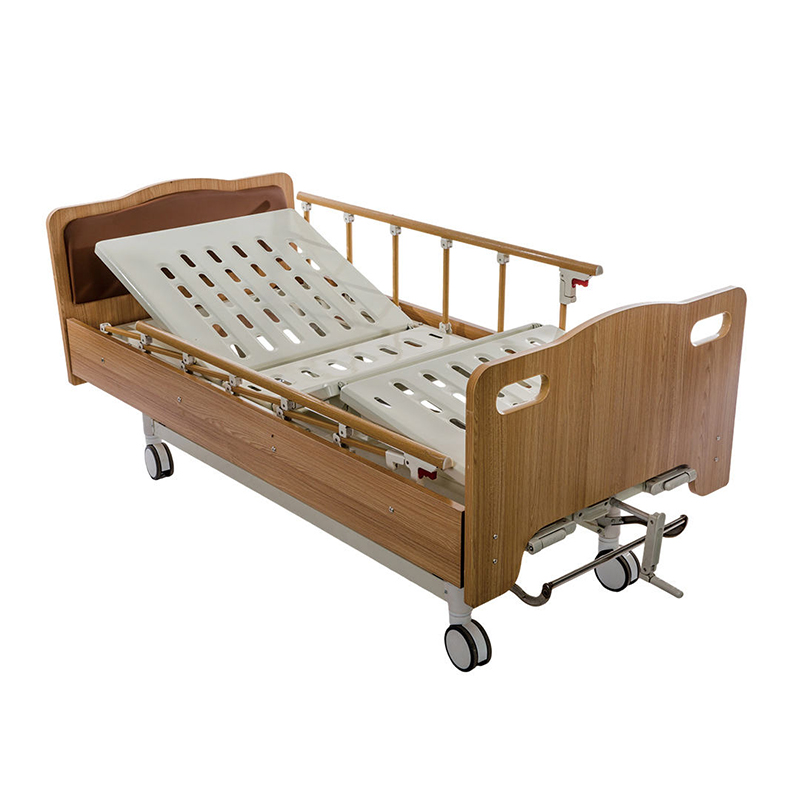
How Manufacturers Are Improving Adjustable Bed Technology
Leading medical bed manufacturers continue investing in innovation.
Recent developments include:
- Smarter control systems
- Enhanced battery technology
- Improved motor reliability
- Quieter operation
- Better ergonomic designs
- Integrated digital monitoring
These advancements further strengthen the advantages of adjustable beds over traditional alternatives.
Facilities purchasing modern adjustable beds today can expect years of reliable performance while meeting evolving patient care expectations.
人々はこうも尋ねる
Are adjustable beds worth the higher cost?
In many healthcare settings, yes. Adjustable beds improve patient comfort, caregiver efficiency, safety, and recovery outcomes, often delivering greater long-term value than traditional care beds.
Do hospitals prefer adjustable beds?
Most modern hospitals prefer adjustable beds because they support a wider range of treatments, improve patient outcomes, and reduce caregiver workload.
Can adjustable beds reduce caregiver injuries?
Yes. Adjustable height and positioning features reduce manual lifting and awkward working positions, helping minimize caregiver strain and injury risks.
Are traditional care beds becoming obsolete?
Not entirely. Traditional care beds remain useful in certain low-acuity and budget-sensitive environments, although adjustable beds are becoming the preferred choice in many healthcare facilities.
Which bed is best for long-term patient care?
Adjustable beds are generally considered superior for long-term care because they improve comfort, positioning, safety, and pressure injury prevention.
結論
When comparing adjustable beds and traditional care beds, adjustable beds emerge as the stronger option for most modern healthcare environments. Their ability to enhance patient comfort, improve recovery outcomes, support caregiver efficiency, increase safety, and adapt to changing care needs makes them a valuable investment for hospitals, rehabilitation centers, nursing homes, and home care providers.
Traditional care beds still have a place in specific low-acuity or budget-focused settings, but healthcare trends increasingly favor adjustable solutions that deliver better overall patient experiences and operational efficiency.
As healthcare organizations continue seeking ways to improve care quality while managing costs, adjustable beds are likely to remain a preferred choice for the future.
What are your experiences with adjustable beds or traditional care beds? Share your thoughts, questions, or insights in the comments and help others make informed healthcare equipment decisions.