
Hospital bed distributors often ask how much stock to keep, which models to prioritize, and how to avoid delayed deliveries. If inventory is poorly planned, capital gets trapped in slow-moving beds while urgent hospital or clinic orders may be missed. The solution is a clear system based on forecasting, product classification, supplier lead time, and fast replenishment.
Hospital bed distributors can manage inventory effectively by forecasting demand, keeping fast-moving models in core stock, using ABC classification, controlling slow-moving products, planning accessories, and working with reliable manufacturers that offer stable supply and short delivery times. This helps reduce stockouts, protect cash flow, improve order accuracy, and serve hospitals, clinics, nursing homes, and home care buyers more efficiently.
Inventory control connects purchasing, sales, logistics, after-sales service, and supplier cooperation.
Why Is Inventory Management Important for Hospital Bed Distributors?
Hospital beds are high-value medical furniture products. They are larger, heavier, and more function-specific than many medical supplies. Each model requires storage space, protection, accessory matching, and delivery plan.
Good inventory management helps distributors balance availability and cost. Too little stock can cause missed orders, delayed hospital projects, and weaker buyer trust. Too much stock can create pressure on cash flow, storage space, and warehouse labor. The goal is to hold the right models in the right quantity.
For B2B distributors, inventory also affects sales speed. When a hospital, private clinic, nursing home, or home care buyer asks for a quotation, the distributor must know whether products are available, when they can ship, and which accessories can be included. A clear stock system helps sales teams respond faster.
What Makes Hospital Bed Inventory Different from General Medical Supplies?
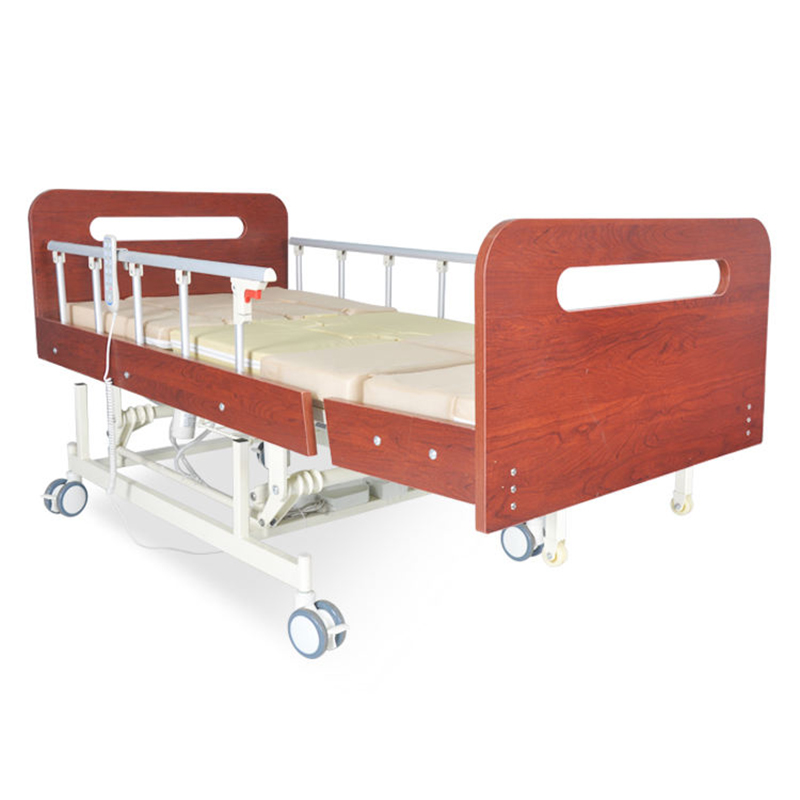
Hospital bed inventory is bulky, technical, and often linked to urgent care needs. A distributor may stock manual hospital beds, electric hospital beds, home care beds, rehabilitation beds, mattresses, side rails, casters, headboards, footboards, bedside cabinets, over bed tables, and spare parts. These products occupy large warehouse areas and require clear storage zones.
Hospital beds also have higher unit value. Overstocking can lock capital for months and reduce the distributor’s ability to invest in faster-moving products or new customers. Every purchase should match sales data, market demand, and replenishment speed.
Different buyers need different bed types. Hospitals may need durable electric beds, private clinics may prefer cost-effective manual beds, and nursing homes often need safe home care beds for long-term use. Because buyer needs vary, distributors should divide inventory by function, customer group, price level, and sales frequency.
How Can Distributors Forecast Hospital Bed Demand?
Demand forecasting is the base of inventory planning. Without forecasting, distributors often rely on guesswork, which can cause shortages and slow-moving stock.
Distributors should group buyers into hospitals, private clinics, nursing homes, rehabilitation centers, home care buyers, government projects, and medical equipment dealers. Hospitals may place larger project orders but take longer to decide. Clinics may buy smaller quantities but expect quick delivery.
Sales history shows what the market really buys. Distributors should review monthly and quarterly data, including model, quantity, buyer type, region, delivery time, and repeat orders. Consistent sellers should remain in regular stock, while rare products should be ordered only after customer confirmation.
Project cycles are another important signal. Demand may rise when hospitals expand wards, clinics open branches, nursing homes upgrade facilities, or government projects begin. Sales teams should record project inquiries, tender schedules, and dealer forecasts so purchasing teams can prepare earlier.
Which Hospital Beds Should Distributors Keep in Stock?
Not every model needs the same inventory level. A practical system separates products into core stock, flexible stock, and special-order stock.
Core stock includes fast-moving models with broad market demand, such as manual hospital beds, 2-function electric hospital beds, 3-function electric hospital beds, standard home care beds, basic mattresses, side rails, casters, and common spare parts. Distributors should reorder before shortages occur.
Flexible stock includes products that sell well in specific markets but do not move every week. Examples include rehabilitation beds, low-height beds, patient transfer products, bedside cabinets, and over bed tables. Distributors can adjust flexible stock according to regional demand, seasonal inquiries, and project opportunities.
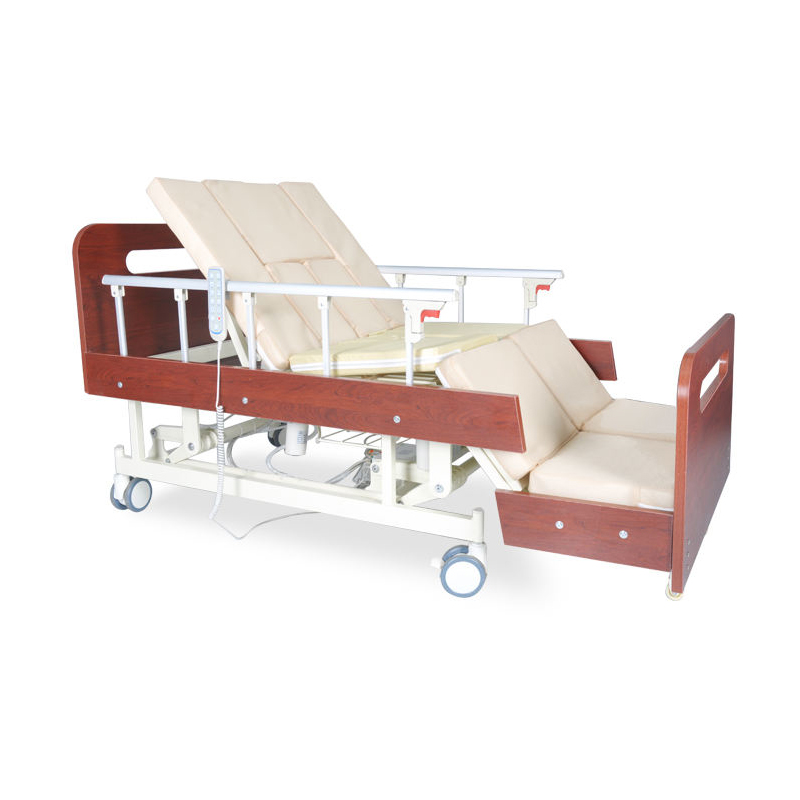
Special-order products may include advanced ICU beds, rotating hospital beds, wheelchair-integrated beds, or customized medical furniture. For these models, distributors can confirm production time with the manufacturer before quoting buyers.
How Does ABC Classification Improve Hospital Bed Inventory?
ABC classification helps distributors manage products by business importance. It allows teams to focus on the items that affect revenue, delivery speed, and customer satisfaction most.
A-class products are high-demand or high-value items, such as best-selling electric hospital beds, standard manual beds, and essential accessories. Shortages of these products can directly reduce sales, so distributors should check A-class inventory frequently, set safety stock levels, and reorder before stock becomes too low.
B-class products have moderate demand or moderate value. They may include selected rehabilitation products, home care bed accessories, bedside cabinets, and other medical furniture. These products need regular review but not daily control.
C-class products sell slowly or have limited demand. They may include uncommon spare parts, special accessories, or less popular bed models. Distributors should avoid overstocking them. However, some C-class items still matter for after-sales service because important spare parts can protect long-term customer relationships.
How Can Distributors Balance Stock and Cash Flow?
Inventory creates value only when it supports sales. If too much money stays in slow-moving beds, the distributor may lose flexibility and profit. Each important product should have a minimum and maximum stock level. The minimum level prevents shortages, while the maximum level prevents overstock. These levels should be based on average sales, supplier lead time, shipping time, and safety stock needs.
Low factory prices help distributors stay competitive, but low price alone should not drive purchasing decisions. A large order can become expensive if the beds move slowly or take too much warehouse space. Before placing a bulk order, distributors should ask: Who will buy this product? How fast can it sell? How quickly can the supplier replenish it?
Distributors can also improve stock movement by offering packages. Hospital beds can be bundled with mattresses, side rails, bedside cabinets, over bed tables, IV stands, or spare parts. Packages make purchasing easier and increase order value.
Why Is Supplier Cooperation Important for Inventory Management?
A distributor’s inventory plan depends strongly on supplier reliability. Even a well-organized warehouse cannot perform well if the manufacturer has unstable quality, unclear lead time, or weak communication.
Jcare is a China-based B2B wholesale supplier of hospital beds, home care beds, rehabilitation products, other medical furniture, and medical bed accessories. With factory prices, ample inventory, and short delivery time, Jcare can support distributors that need stable replenishment and flexible bulk purchasing.
When a manufacturer can provide stable supply, distributors do not always need to hold excessive local inventory. They can keep fast-moving products in stock and rely on the supplier for replenishment. This improves cash flow, reduces warehouse pressure, and helps distributors respond to urgent orders.
Factory prices help distributors build competitive wholesale offers, while short delivery time improves customer response. This helps reduce delays and improve customer satisfaction.
How Should Distributors Manage Medical Bed Accessories?
Accessories are essential in hospital bed inventory. A bed order may require mattresses, side rails, casters, headboards, footboards, control panels, IV stands, bedside cabinets, over bed tables, or spare parts. If the bed is available but the accessories are missing, the order may still be delayed.
Distributors should keep common accessories available because they support both new orders and after-sales service. Accessory compatibility must also be clear. Each accessory should match the correct bed model to reduce quotation mistakes, packing errors, and after-sales disputes.
Spare parts also matter. Hospital beds are long-term-use products, so buyers care about maintenance. Keeping essential spare parts in stock helps distributors solve service problems faster and build trust with hospitals, clinics, and dealers.
What Warehouse Practices Improve Hospital Bed Inventory Efficiency?
Warehouse organization affects delivery speed, product safety, and labor efficiency. Since hospital beds are large and heavy, the warehouse should be clear and easy to manage.
Every bed, accessory, and spare part should have a SKU code. Labels should include model name, specification, quantity, batch number, and storage location. Fast-moving beds and accessories should be placed near loading areas, while slow-moving products can stay in deeper warehouse zones.
Storage protection is also important. Hospital beds should stay in clean, dry, and safe conditions. Packaging should protect frames, motors, side rails, panels, wheels, and accessories. Good storage reduces product damage, missing parts, and customer complaints.
What Inventory Metrics Should Hospital Bed Distributors Track?
Distributors need clear metrics to improve stock decisions. Important metrics include stock turnover rate, stockout rate, supplier lead time, order accuracy, inventory aging, and accessory availability.
Stock turnover shows how quickly products move. Stockout rate shows how often buyers cannot get the product they need. Lead time shows how long replenishment really takes. Order accuracy shows whether the correct bed and accessories are shipped. Inventory aging shows which products have stayed too long in the warehouse.
By reviewing these metrics regularly, distributors can reduce slow-moving stock and improve purchasing plans.
Conclusion
Inventory management is essential for hospital bed distributors because it affects delivery speed, cash flow, order accuracy, and buyer trust. A strong strategy should include demand forecasting, core stock planning, ABC classification, accessory control, warehouse organization, and regular performance tracking.
Distributors should keep fast-moving models available, control slow-moving products, and avoid purchasing only because of temporary low prices. They should also work with reliable wholesale manufacturers that can provide stable supply, factory prices, ample inventory, and short delivery time.
For distributors serving hospitals, clinics, nursing homes, rehabilitation centers, and home care buyers, Jcare can support inventory planning with a broad product range, B2B wholesale supply, and efficient export service. With the right strategy and supplier support, hospital bed distributors can reduce risk and grow more profitably.
If this guide helped you, share it with your purchasing or warehouse team. You can also leave a comment about your biggest inventory challenge.