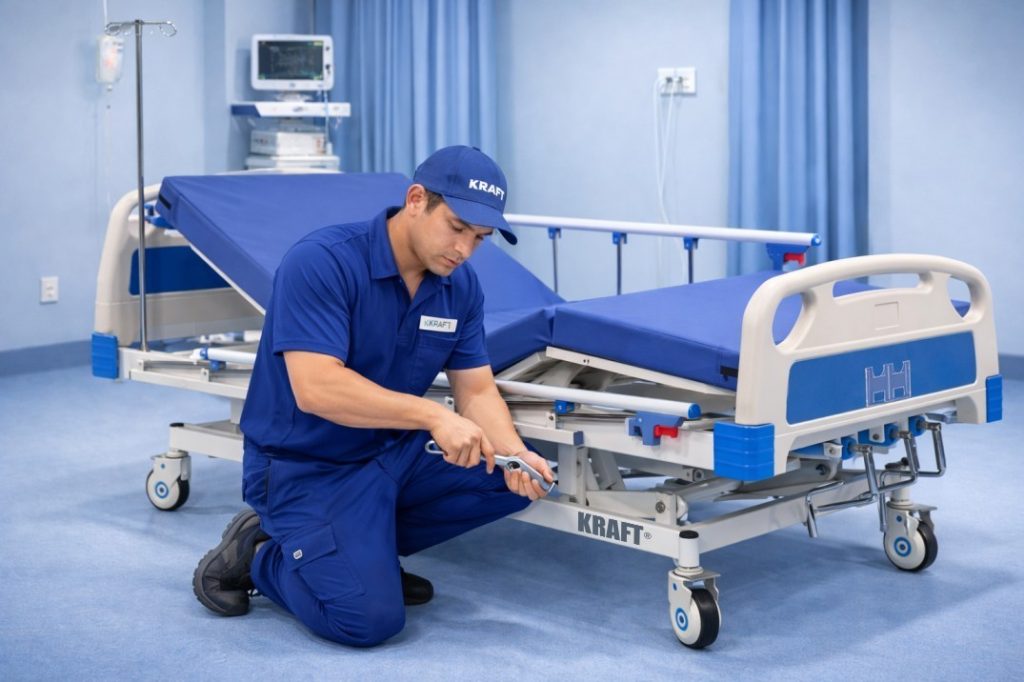
Many medical equipment distributors struggle to scale beyond inconsistent small orders because of fragmented supply chains, unpredictable pricing, and limited access to stable manufacturing capacity. As global healthcare demand continues to rise, especially in hospital infrastructure and home care systems, these limitations become more damaging to long-term growth. Without a reliable supply foundation, businesses cannot compete in large institutional tenders or international procurement projects. The solution is to build a structured wholesale expansion model centered on hospital beds, supported by factory-direct sourcing, scalable production systems, and global export capabilities provided by manufacturers such as Jcare.
Scaling a medical equipment business with wholesale hospital beds requires integrating factory-direct sourcing, stable production systems, global B2B marketing channels, and long-term institutional buyer relationships. Hospital beds act as core infrastructure products that generate continuous bulk demand from hospitals, clinics, and home care providers, enabling sustainable international expansion and higher profit margins.
To scale effectively in this industry, businesses must connect manufacturing capability with global procurement demand and structured distribution systems.
How to Scale Medical Equipment Business with Wholesale Hospital Beds
Scaling a medical equipment business requires building an ecosystem rather than simply selling products. Hospital beds are ideal for this because they sit at the center of hospital infrastructure procurement, with consistent global demand, repeat purchase cycles, and strong compatibility with other medical furniture categories.
Manufacturers like Jcare enable this scaling process by providing OEM production capability, export compliance support, and stable factory pricing systems that allow distributors to expand internationally without supply instability.
Why Wholesale Hospital Beds Are the Strongest Scaling Product in Medical Equipment
Hospital beds represent one of the most essential and stable product categories in global healthcare procurement. Unlike disposable medical supplies, they form part of long-term hospital infrastructure investment, which makes them highly suitable for scalable B2B business models.
One of the most important advantages is predictable demand cycles. Hospitals continuously upgrade beds due to equipment aging, hygiene requirements, and technology improvements. This creates recurring procurement opportunities that allow distributors to build long-term revenue streams rather than one-time sales.
Another key driver is the expansion of healthcare infrastructure globally. Developing countries are building new hospitals, while developed countries are upgrading aging facilities. Both scenarios require large-scale hospital bed procurement, often in bulk tenders.
Additionally, the home healthcare segment is expanding rapidly, driven by aging populations and post-operative care needs. Adjustable and electric hospital beds are increasingly used in home environments, creating an additional growth channel beyond hospitals.
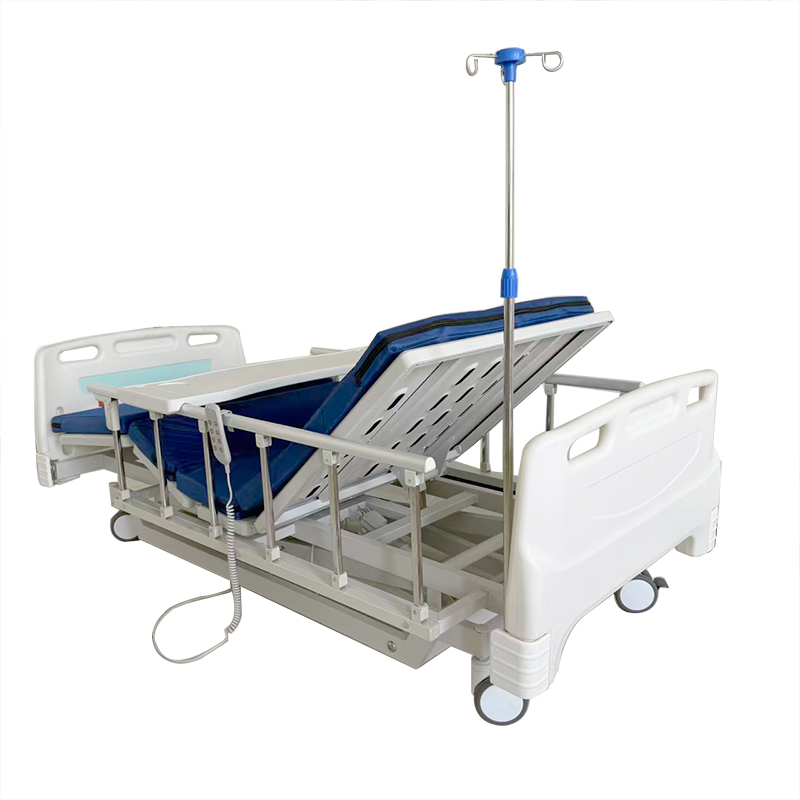
Finally, hospital beds naturally create cross-selling ecosystems, including mattresses, side rails, overbed tables, infusion stands, and rehabilitation equipment, increasing total order value per customer.
Building a Scalable Manufacturing and Supply Chain System
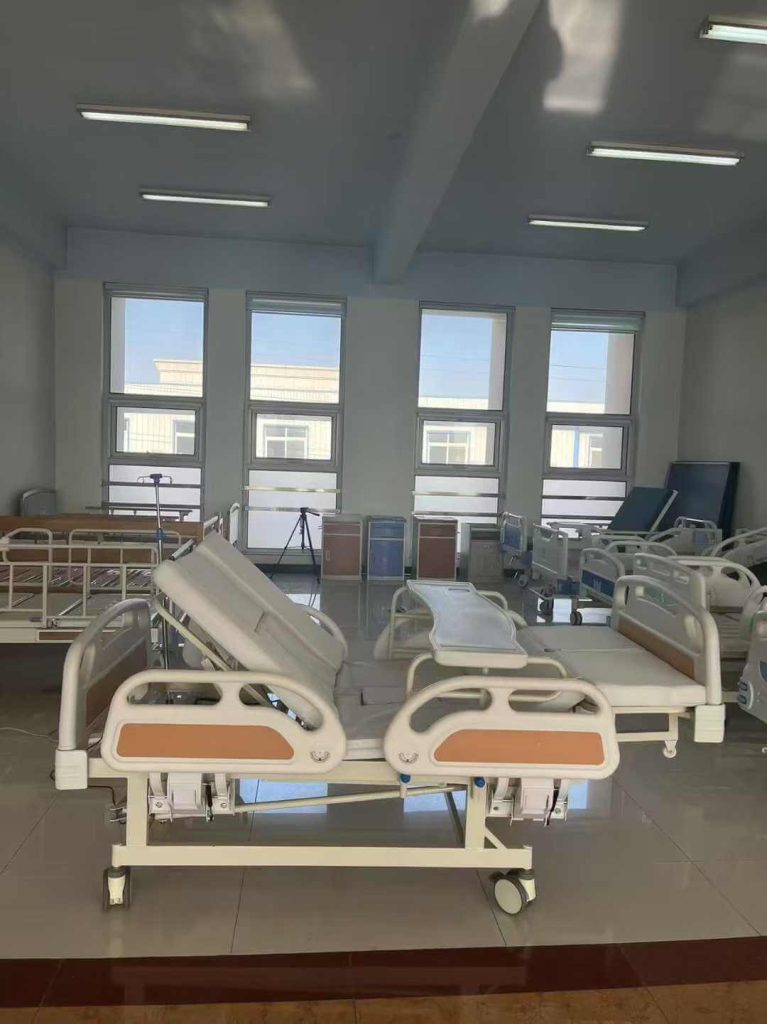
A scalable medical equipment business cannot rely on unstable sourcing or fragmented suppliers. Instead, it requires vertically aligned production and logistics systems.
Working directly with manufacturers such as Jcare allows distributors to eliminate intermediary costs and gain direct control over production scheduling, pricing, and customization. This factory-direct model is essential for maintaining competitiveness in global bidding environments.
A key factor in scalability is production flexibility. Manufacturers must handle both small sample orders and large hospital tenders without disrupting lead times. This requires modular production lines, standardized components, and strong raw material supply chains.
Another critical element is inventory strategy. High-demand models should be kept in ready stock to respond to urgent procurement needs, especially in hospital expansion or emergency healthcare situations. This reduces delivery delays and increases win rates in competitive tenders.
Lead time optimization is also crucial. In international procurement, buyers often compare multiple suppliers, and delivery speed can be as important as pricing. A supplier capable of consistent short lead times gains a strong competitive advantage.
Finally, quality control systems ensure product consistency across batches. For hospital beds, this includes structural strength testing, load-bearing validation, corrosion resistance, and electrical safety testing for motorized systems.
Global Demand Structure Driving Hospital Bed Growth
Hospital bed demand is strongly influenced by long-term macroeconomic and demographic trends.
The most significant factor is global population aging. Countries such as Japan, Germany, and South Korea are experiencing rapid demographic shifts, increasing demand for elderly care facilities, rehabilitation centers, and long-term care hospitals.
Another major driver is the rise of chronic diseases, including cardiovascular conditions, diabetes, and mobility-related disorders. These conditions require long-term hospitalization or home care support systems, directly increasing hospital bed demand.
Government investment in healthcare infrastructure is also accelerating. Many emerging economies are expanding hospital capacity through public-private partnerships, creating large-scale procurement opportunities for suppliers.
Additionally, the global healthcare system is shifting toward decentralized care models, where patients are discharged earlier and continue recovery at home. This has significantly increased demand for home care hospital beds and adjustable medical furniture.
Finally, post-pandemic healthcare restructuring has pushed hospitals to invest more in capacity resilience, emergency readiness, and ICU expansion, all of which require advanced hospital bed systems.
Product Strategy for Scaling Hospital Bed Businesses
A scalable product strategy requires balancing standardization and customization.
Standardization allows manufacturers to optimize production efficiency, reduce cost per unit, and maintain consistent quality. Core hospital bed models should be designed for mass production with minimal variation.
However, global markets require customization flexibility. Different countries have different requirements for bed size, motor configuration, safety standards, and patient care systems. OEM and ODM capabilities become essential in this context.
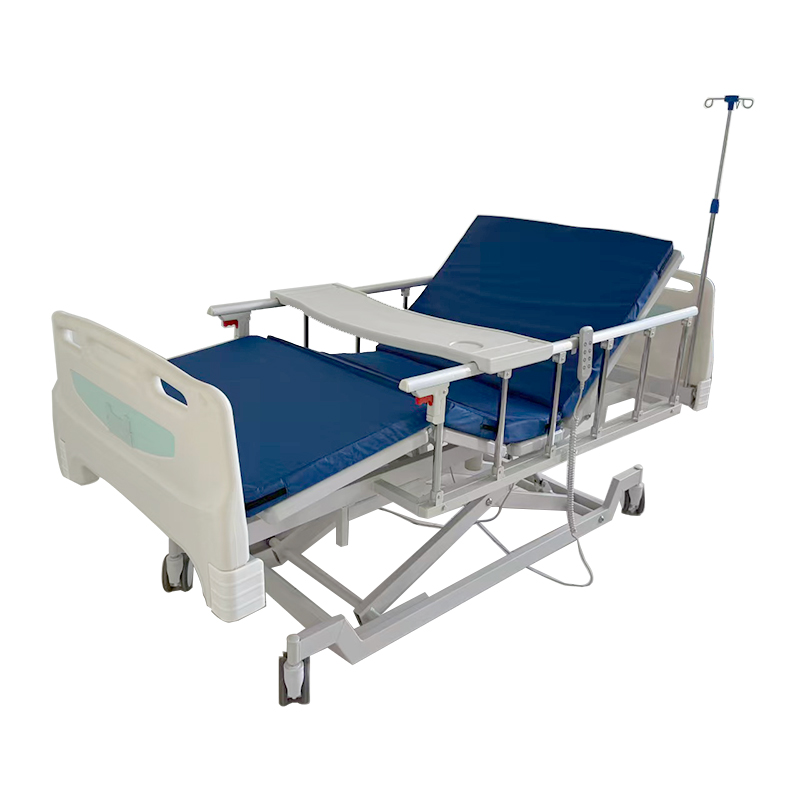
Electric hospital beds are becoming the global standard due to their ease of operation, improved patient comfort, and better clinical efficiency. Manual beds are still used in cost-sensitive markets, but long-term demand is shifting toward electric models.
Safety remains a top priority. Buyers evaluate frame stability, braking systems, side rail design, and maximum load capacity before making procurement decisions.
Compatibility with accessories is another key scaling factor. Beds that support modular upgrades such as monitoring devices, infusion systems, and adjustable mattresses increase long-term product value and customer retention.
Marketing Systems for Global Scaling
Even strong manufacturing capabilities cannot generate growth without structured marketing systems.
B2B platforms such as Alibaba and Made-in-China remain essential for generating inbound procurement leads. These platforms connect suppliers with global buyers actively searching for hospital beds.
However, long-term scalability increasingly depends on SEO-driven content marketing. By publishing detailed procurement guides, technical comparisons, and industry insights, companies build authority in search engines and attract organic traffic from institutional buyers.
Google Ads plays a complementary role by targeting high-intent keywords such as “hospital bed supplier” or “wholesale hospital beds,” capturing buyers at the decision stage.
Trade exhibitions remain critical for building trust, especially in high-value institutional procurement cycles. Face-to-face engagement helps establish credibility in a trust-sensitive industry like medical equipment.
Distributor networks are also essential for geographic expansion. Local partners handle language, logistics, and regulatory complexity, enabling faster market penetration.
Pricing Strategy for Wholesale Hospital Beds
Pricing is one of the most sensitive factors in global medical procurement.
Factory-direct pricing provides a structural advantage. Manufacturers like Jcare can maintain competitive pricing due to integrated production systems and reduced intermediary costs.
Bulk pricing structures are essential for scaling. Hospitals and distributors prefer tiered pricing models that reward larger orders with lower per-unit costs.
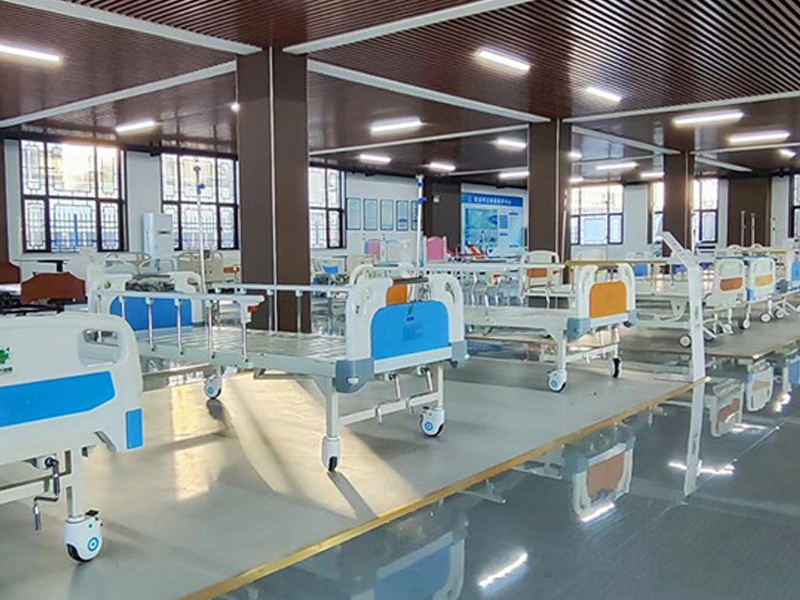
Feature-based pricing segmentation allows suppliers to offer different configurations, including manual beds, electric beds, ICU-grade beds, and premium rehabilitation models.
Long-term contract pricing is common in hospital procurement. Buyers often negotiate fixed pricing agreements to stabilize budgets over multi-year procurement cycles.
Global Expansion Strategy
Scaling internationally requires structured regional strategies.
Emerging markets such as India, Southeast Asia, and the Middle East offer high growth potential due to expanding healthcare infrastructure.
Developed markets require strict compliance with certifications such as ISO, CE, or FDA-related standards, depending on product category and usage environment.
Localization is essential. Different regions require different bed configurations based on hospital layouts, patient demographics, and care practices.
Logistics optimization plays a major role in scaling efficiency. Proper shipping planning, customs documentation, and freight coordination reduce delays and improve customer satisfaction.
Customer Retention and Long-Term Scaling
Sustainable scaling depends heavily on repeat procurement rather than one-time sales.
After-sales service builds long-term trust and increases customer retention. Hospitals prefer suppliers who provide technical support and troubleshooting assistance.
Spare parts availability ensures long product lifecycle value, which is critical for hospital procurement decisions.
Installation support and training improve operational efficiency for hospital staff.
Continuous product upgrades encourage repeat purchasing cycles and long-term partnerships.
Risks and Challenges
Scaling also introduces risks that must be managed strategically.
Supply chain disruptions can delay production and affect international delivery schedules.
Regulatory compliance requirements vary across markets and can delay entry into new regions.
Price competition from low-cost manufacturers increases pressure on margins.
Currency fluctuations impact international profitability.
Long procurement cycles require strong cash flow management and customer relationship tracking systems.
Future Trends in Hospital Bed Industry
The hospital bed industry is evolving rapidly.
Smart hospital beds with integrated sensors and monitoring systems are becoming more common in advanced hospitals.
AI-driven healthcare systems may enable automated adjustments and predictive patient care.
Lightweight materials are improving transport efficiency and reducing logistics costs.
Sustainability is becoming a procurement requirement, influencing material selection and manufacturing processes.
Conclusion
Scaling a medical equipment business with wholesale hospital beds requires a complete system that integrates manufacturing strength, global marketing, pricing strategy, and long-term customer relationships. Hospital beds are uniquely positioned as core infrastructure products that generate stable and recurring global demand.
Companies like Jcare demonstrate how factory-direct production, OEM flexibility, and export capability can support sustainable international expansion across hospitals, clinics, and home care markets.
By combining strategic supply chain management with global marketing execution, businesses can transform hospital beds into a long-term scalable growth engine.