
Many hospitals, distributors, and healthcare procurement managers face the same challenge: how can they identify a reliable hospital bed supplier among thousands of manufacturers worldwide? Choosing the wrong supplier can lead to poor product quality, delayed deliveries, regulatory issues, and financial losses. Fortunately, by evaluating certifications, manufacturing capabilities, quality control systems, export experience, and customer support, buyers can confidently select suppliers that deliver long-term value and dependable medical equipment.
Reliable hospital bed suppliers can be identified by examining their certifications, manufacturing capacity, quality control processes, export experience, customer references, and after-sales support. The most trustworthy suppliers consistently deliver compliant products, maintain transparent communication, provide stable supply chains, and demonstrate proven success in serving healthcare facilities across international markets.
Understanding the evaluation process can help buyers reduce risks and establish strong supplier partnerships.
Why Is Choosing a Reliable Hospital Bed Supplier So Important?
Hospital beds are among the most critical pieces of equipment in healthcare facilities. They directly affect patient safety, caregiver efficiency, and operational performance.
When a supplier fails to meet quality standards, hospitals may encounter equipment failures, increased maintenance costs, or even safety incidents. These problems can negatively impact patient care and damage an organization’s reputation.
Reliable suppliers do more than provide products. They become long-term partners that support healthcare facilities through dependable production, consistent quality, and professional service.
For distributors and wholesalers, working with trusted manufacturers also reduces warranty claims, customer complaints, and unexpected supply disruptions.
What Certifications Should a Hospital Bed Supplier Have?
Certifications serve as important indicators of a supplier’s commitment to quality and compliance.
ISO 13485
ISO 13485 is one of the most widely recognized quality management standards for medical device manufacturers. Suppliers holding this certification demonstrate that they follow structured processes designed specifically for medical equipment production.
CE Certification
For suppliers serving European markets, CE certification indicates compliance with relevant European regulations and safety requirements.
FDA Registration
Manufacturers exporting to the United States often maintain FDA registration to facilitate market access and demonstrate familiarity with U.S. regulatory requirements.
Additional Regional Certifications
Depending on the destination market, buyers may also need suppliers that comply with local regulations in Japan, South Korea, the Middle East, or other regions.
While certifications alone do not guarantee reliability, they provide an important starting point for supplier evaluation.
How Can Buyers Assess Manufacturing Capabilities?
Manufacturing capability is one of the strongest indicators of supplier reliability.
Evaluate Factory Infrastructure
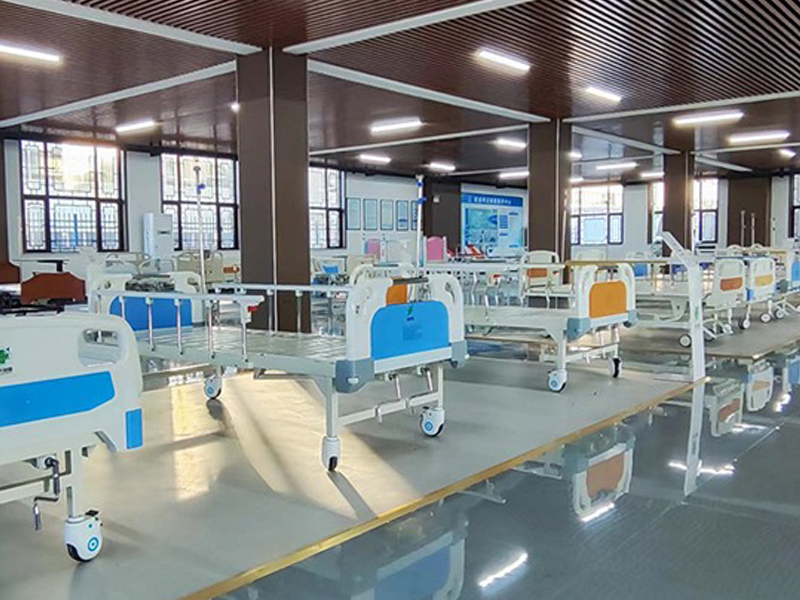
A supplier’s factory provides valuable insights into its operational capabilities. Modern production facilities typically indicate greater efficiency and quality consistency.
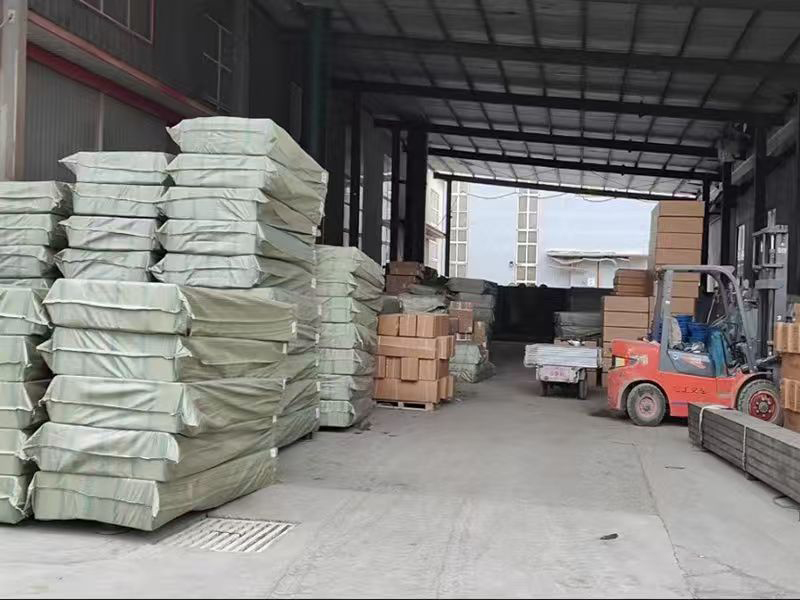
Buyers should look for organized production lines, advanced machinery, adequate warehouse space, and professional quality control areas.
Review Production Capacity
Reliable suppliers should be capable of handling both current orders and future growth.
Questions to ask include:
- How many hospital beds can be produced each month?
- What is the average lead time?
- Can production be scaled during peak demand?
Suppliers with sufficient capacity are less likely to experience delivery delays.
Examine Workforce Expertise
Skilled engineers, technicians, and production staff contribute significantly to product quality.
Experienced teams are generally better equipped to maintain consistency and solve manufacturing challenges.
Why Does Export Experience Matter?
International trade involves more than simply manufacturing products.
Experienced exporters understand customs procedures, shipping documentation, packaging requirements, and regulatory compliance across different countries.
Suppliers with a strong export history often have established logistics networks that improve delivery reliability.
Additionally, manufacturers serving multiple international markets typically understand varying customer expectations and quality standards.
For example, a supplier that regularly exports to Europe, the United States, Japan, South Korea, Southeast Asia, and the Middle East is likely to possess greater experience managing complex international projects.
This experience can significantly reduce procurement risks for buyers.
How Can Product Quality Be Evaluated Before Ordering?
Product quality should never be assumed.
Buyers should perform comprehensive evaluations before committing to large purchases.
Request Product Samples
Physical samples allow buyers to inspect:
- Material quality
- Surface finishing
- Welding consistency
- Bed functionality
- Electrical components
Samples often reveal issues that may not be visible in product catalogs.
Review Testing Reports
Reliable suppliers should provide testing documentation related to:
- Load capacity
- Durability
- Electrical safety
- Stability
- Functional performance
These reports demonstrate that products have undergone proper evaluation.
Conduct Third-Party Inspections
Independent inspections provide unbiased assessments of both products and manufacturing facilities.
Many international buyers use third-party agencies to verify supplier claims before finalizing contracts.
What Features Indicate a High-Quality Hospital Bed?
Quality hospital beds share several common characteristics.
Durable Frame Construction
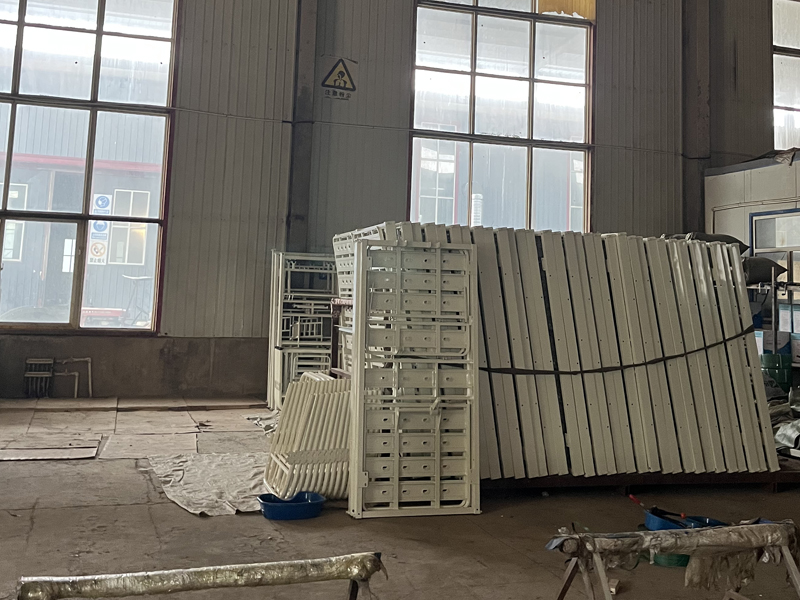
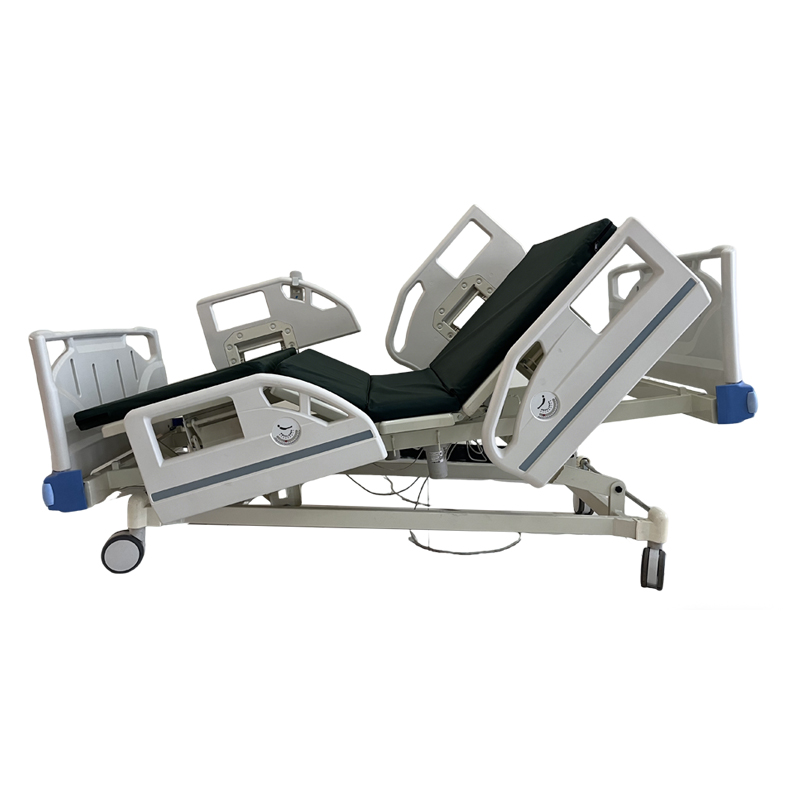
The frame should be manufactured from high-strength steel or other durable materials capable of supporting continuous use.
Reliable Motor Systems
For electric hospital beds, motor performance is critical.
Buyers should evaluate:
- Actuator quality
- Noise levels
- Adjustment smoothness
- Emergency functions
- Long-term reliability
Safety Features
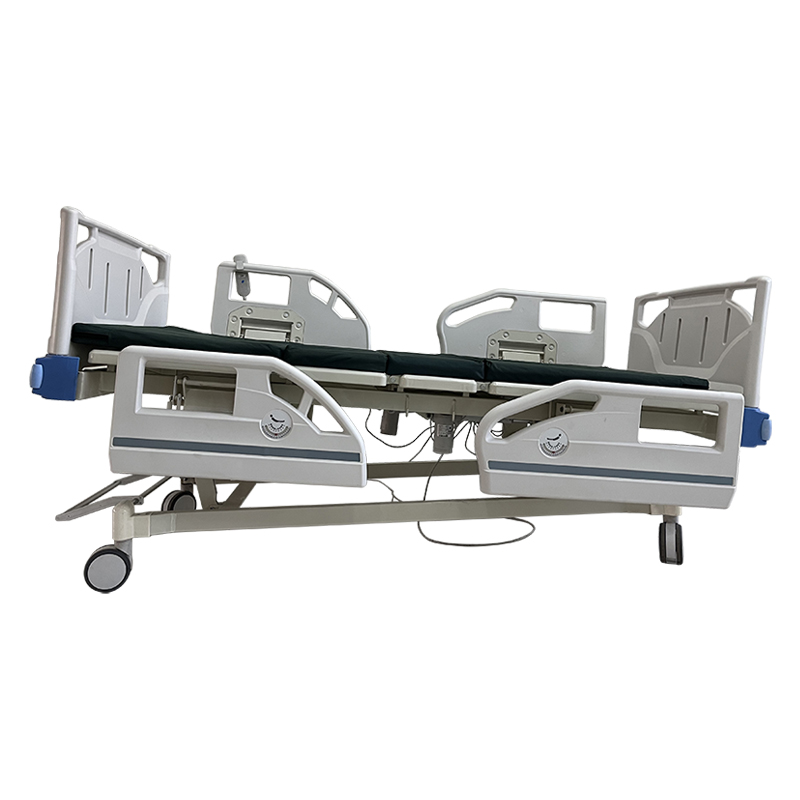
Reliable hospital beds typically include:
- Secure side rails
- Locking casters
- Emergency positioning functions
- Stable bed platforms
- Patient protection systems
Easy Maintenance
Healthcare facilities benefit from beds designed for easy cleaning, maintenance, and spare parts replacement.
This reduces long-term operational costs and equipment downtime.
How Important Is Quality Control During Manufacturing?
Quality control is often what separates reliable suppliers from unreliable ones.
Strong manufacturers implement inspections throughout the production process rather than relying solely on final inspections.
Incoming Material Inspection
Raw materials should be inspected before entering production.
This helps prevent defects from affecting the finished product.
In-Process Quality Checks
Regular inspections during manufacturing allow problems to be identified and corrected immediately.
Final Product Testing
Completed hospital beds should undergo comprehensive testing before shipment.
This may include functional testing, load testing, electrical testing, and visual inspections.
Suppliers that maintain strict quality control systems generally achieve lower defect rates and higher customer satisfaction.
What Questions Should Buyers Ask Potential Suppliers?
Asking the right questions can reveal important information about supplier reliability.
Consider asking:
What Is Your Typical Lead Time?
Consistent lead times indicate production stability.
What Warranty Do You Provide?
A strong warranty demonstrates confidence in product quality.
How Do You Handle Quality Complaints?
Reliable suppliers should have documented procedures for resolving customer issues.
Can You Provide Customer References?
Existing customer feedback often offers valuable insights into supplier performance.
Do You Maintain Spare Parts Inventory?
Available spare parts help healthcare facilities minimize downtime and extend product lifespan.
The quality of a supplier’s responses can be as important as the answers themselves.
How Can Buyers Verify Supplier Reputation?
Reputation is often built over many years of consistent performance.
Review Customer Testimonials
Testimonials can provide useful information regarding product quality, communication, and delivery reliability.
Check Industry Presence
Suppliers that regularly participate in international medical exhibitions often demonstrate a stronger commitment to industry development.
Evaluate Online Profiles
Platforms such as Alibaba, Made-in-China, and independent company websites can provide information about certifications, years in business, and customer reviews.
Request Case Studies
Successful project examples demonstrate practical experience serving healthcare organizations.
The more evidence a supplier can provide, the easier it becomes to verify credibility.
Why Is After-Sales Service Critical?
Even high-quality hospital beds may occasionally require technical support or replacement parts.
Reliable suppliers understand this and invest heavily in after-sales service.
Technical Assistance
Prompt technical support helps customers resolve issues efficiently.
Spare Parts Availability
A dependable spare parts supply chain reduces equipment downtime.
Documentation and Training
User manuals, maintenance guides, and training materials improve equipment performance and safety.
Fast Response Times
Timely communication demonstrates professionalism and commitment to customer satisfaction.
Strong after-sales service often distinguishes exceptional suppliers from average competitors.
What Are the Warning Signs of an Unreliable Supplier?
Recognizing red flags early can help buyers avoid costly mistakes.
Common warning signs include:
Unusually Low Prices
Prices significantly below market averages may indicate poor-quality materials or inadequate manufacturing standards.
Lack of Certifications
Missing certifications can create compliance and safety concerns.
Poor Communication
Slow responses and unclear answers often signal future service problems.
Inconsistent Documentation
Incomplete technical specifications or contradictory information may indicate operational weaknesses.
Limited Factory Information
Reliable manufacturers are generally transparent about their facilities, production capabilities, and quality systems.
When multiple warning signs appear simultaneously, buyers should proceed cautiously.
What Characteristics Do the Best Global Hospital Bed Suppliers Share?
The world’s most reliable hospital bed suppliers typically share several important characteristics.
They maintain internationally recognized certifications, operate modern manufacturing facilities, implement strict quality control systems, and possess extensive export experience.
They invest in product innovation, prioritize customer support, and continuously improve operational efficiency.
Many leading manufacturers also maintain stable inventory levels, competitive factory pricing, and flexible production capabilities.
Companies such as Jcare, which serve hospitals, clinics, distributors, and healthcare projects across India, Southeast Asia, the Middle East, Europe, the United States, Japan, and South Korea, demonstrate how manufacturing expertise, export experience, and customer-focused service can create long-term value for global buyers.
Conclusion
Identifying reliable hospital bed suppliers globally requires more than comparing prices. Buyers should carefully evaluate certifications, manufacturing capabilities, product quality, export experience, quality control systems, reputation, and after-sales support. Taking the time to perform thorough supplier assessments can significantly reduce procurement risks and improve long-term outcomes. Have you developed your own supplier evaluation process? Share your experiences and insights in the comments, and feel free to share this article with colleagues involved in healthcare procurement.