
Hospitals and medical equipment buyers often wonder how many functions a hospital bed really needs when choosing between different models. Selecting too few functions may affect patient comfort and nursing efficiency, while choosing unnecessary features can increase costs and maintenance pressure. Understanding the purpose of each function helps buyers select the right hospital bed for their actual needs.
Most hospital beds need between 2 and 5 essential functions depending on the care environment. Basic beds usually require backrest, leg rest, and height adjustment functions, while advanced models may include Trendelenburg, reverse Trendelenburg, or lateral turning functions. The ideal number of hospital bed functions depends on patient conditions, medical department requirements, nursing workload, and budget rather than simply choosing the model with the most features.
Choosing the right hospital bed functions requires understanding what each function does and when it provides real value.
What Are Hospital Bed Functions?
Hospital bed functions refer to the adjustable movements or positioning capabilities that allow caregivers and patients to change the bed’s configuration. These functions are designed to improve patient comfort, support medical treatment, reduce nursing difficulty, and create a safer care environment.
A common misunderstanding among buyers is that more functions always mean a better hospital bed. In reality, the best choice depends on the application. A general ward, rehabilitation center, nursing home, and intensive care unit may all require different levels of functionality.
For example, a standard hospital ward may only need a reliable three-function electric bed, while an ICU department may require additional positioning options for critically ill patients. Similarly, a home care environment may prioritize simple operation, durability, and easy maintenance rather than complex functions.
Therefore, when purchasing hospital beds, buyers should focus on whether the functions solve real care problems instead of only comparing the number of available adjustments.
Why Do Hospital Bed Functions Matter?
Improving Patient Comfort and Recovery
One of the main purposes of hospital bed functions is to improve patient comfort. Many patients spend long periods in bed due to surgery recovery, illness, injury, or limited mobility. A fixed sleeping position can cause discomfort, pressure accumulation, and difficulty with daily activities.
Adjustable hospital beds allow patients to change their body position according to their needs. For example, raising the backrest can help patients sit comfortably for meals, communication, or breathing support. Adjusting the leg section can provide better support and reduce pressure on certain areas.
For long-term care patients, these adjustments can significantly improve daily living quality.
Supporting Healthcare Staff Efficiency
Hospital bed functions also directly affect nursing efficiency. Healthcare workers frequently assist patients with repositioning, transfers, examinations, and daily care activities.
A height-adjustable hospital bed allows nurses and caregivers to raise or lower the bed to a suitable working position. This reduces unnecessary bending and physical strain during patient care.
In busy medical environments, practical functions can save time and reduce workload, especially when many patients require assistance at the same time.
Enhancing Patient Safety
Certain hospital bed functions are designed to reduce risks during treatment and recovery. Proper positioning can help prevent complications caused by long periods of immobility.
For example, changing the angle of the bed can support breathing, improve comfort, and assist with specific medical procedures. In rehabilitation settings, adjustable positioning helps patients gradually regain independence.
However, safety does not depend only on the number of functions. The overall bed design, frame strength, control system reliability, side rails, and emergency features are equally important.
What Are the Most Common Hospital Bed Functions?
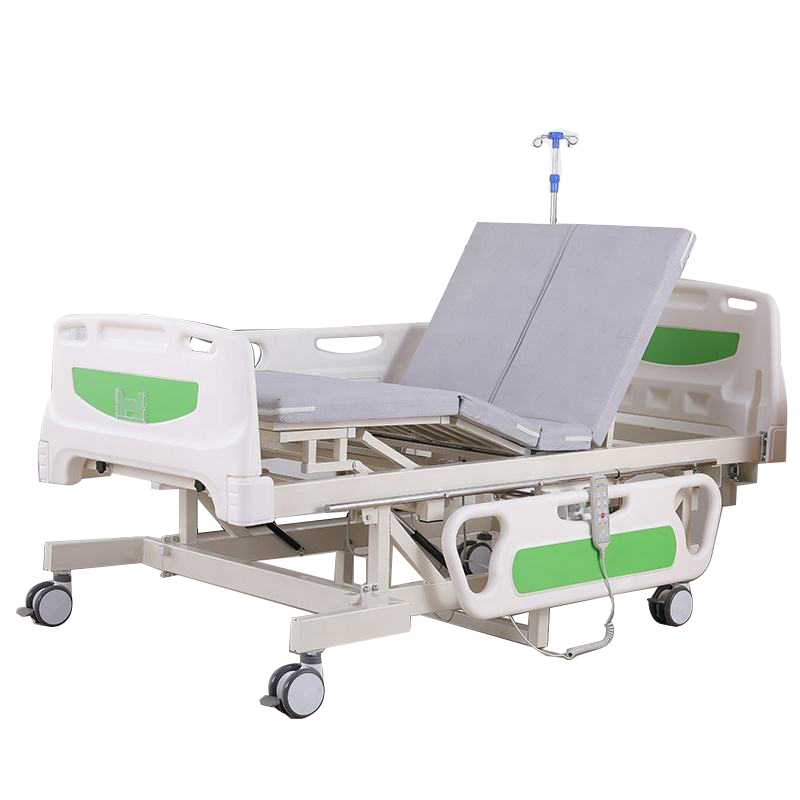
Backrest Adjustment Function
The backrest adjustment function is one of the most basic and widely used hospital bed functions.
It allows the upper section of the bed platform to rise, helping patients move from a lying position to a semi-sitting or sitting position.
This function is useful for:
- Eating and drinking
- Reading or communicating
- Improving comfort during recovery
- Supporting patients with breathing difficulties
Almost all modern hospital beds include this function because it provides practical benefits across many healthcare environments.
For hospitals, clinics, and home care applications, a reliable backrest adjustment system is usually considered an essential requirement.
Leg Rest Adjustment Function
The leg adjustment function allows the lower section of the bed to be raised or lowered according to patient needs.
This function helps provide better body support and can improve comfort for patients recovering from surgery or experiencing mobility limitations.
Common applications include:
- Supporting lower limb recovery
- Improving sitting stability
- Reducing discomfort caused by extended bed rest
- Helping patients find a more comfortable position
When combined with backrest adjustment, the leg function creates a more flexible patient positioning system.
Height Adjustment Function
Height adjustment is one of the most valuable functions for professional healthcare environments.
By changing the overall bed height, caregivers can create a safer working position when performing nursing tasks. It also helps patients get in and out of bed more easily when appropriate.
Benefits include:
- Reducing caregiver physical strain
- Improving patient transfer safety
- Supporting examination procedures
- Making daily care easier
For hospitals with professional nursing teams, height adjustment is often worth the additional investment because it improves operational efficiency.
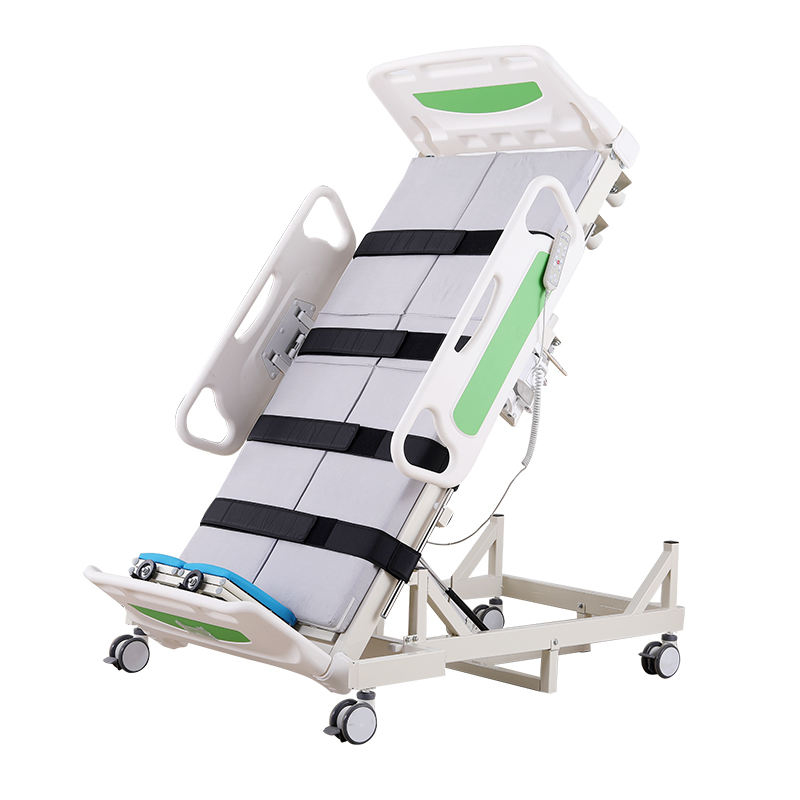
Trendelenburg Function
The Trendelenburg function allows the patient’s body position to be adjusted so that the head and feet are positioned at different angles.
This function is commonly used in specialized medical environments where specific positioning may be required.
Typical applications include:
- Intensive care units
- Emergency departments
- Certain surgical recovery situations
Because it is more specialized, not every hospital department needs this function. Buyers should evaluate whether their clinical applications require it before selecting a higher-level model.
Reverse Trendelenburg Function
Reverse Trendelenburg is the opposite positioning method, where the upper body is elevated compared with the lower body.
This function may improve patient positioning flexibility and is often included in advanced electric hospital beds.
It can be useful for:
- Specific treatment requirements
- Patient comfort adjustment
- Certain rehabilitation situations
Like Trendelenburg, it is usually selected according to department needs rather than general hospital requirements.
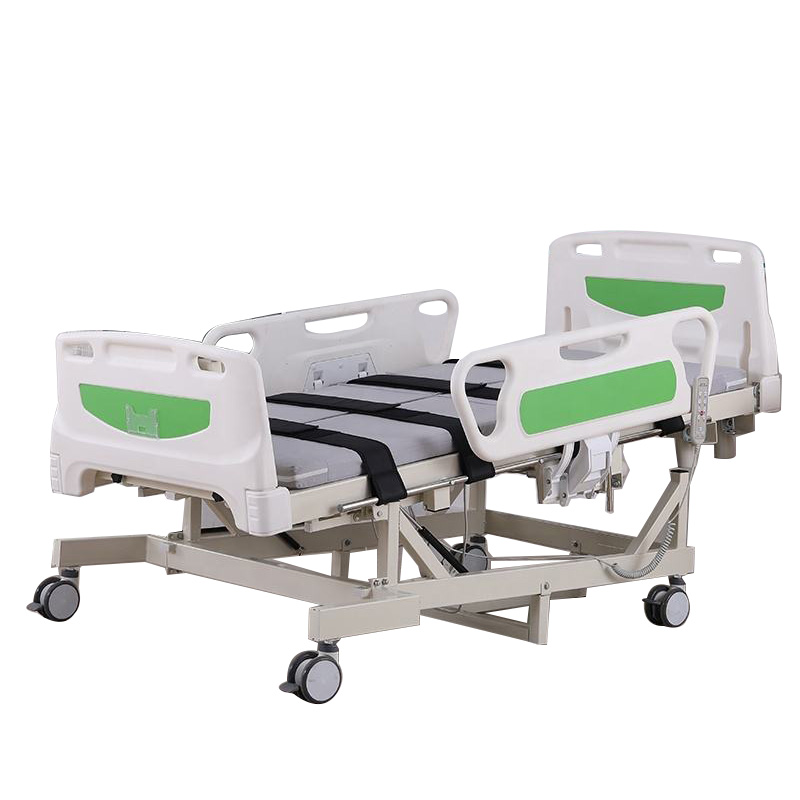
Lateral Turning Function
Lateral turning is an advanced function that allows the bed platform to tilt or rotate sideways.
This function is especially valuable for patients who have difficulty changing position independently.
Benefits include:
- Reducing caregiver workload
- Supporting pressure injury prevention strategies
- Improving repositioning efficiency
- Providing better comfort for long-term patients
However, because this function increases product complexity and cost, it is generally used in specialized care environments.
How Many Functions Does a Basic Hospital Bed Need?
Two-Function Hospital Bed
A two-function hospital bed usually includes:
- Backrest adjustment
- Leg rest adjustment
This configuration is suitable for basic patient care applications where advanced positioning is not necessary.
Advantages include:
- Lower purchase cost
- Simple operation
- Easier maintenance
- Reliable daily performance
Two-function beds are often selected for general wards, clinics, and budget-conscious healthcare projects.
However, they may not provide enough flexibility for patients who require frequent repositioning or more intensive care.
Three-Function Hospital Bed
A three-function hospital bed usually adds height adjustment to the basic backrest and leg adjustment system.
The three main functions are:
- Backrest adjustment
- Leg adjustment
- Height adjustment
This configuration is one of the most popular choices because it provides a good balance between functionality and cost.
It is suitable for:
- General hospitals
- Rehabilitation centers
- Nursing facilities
- Home care applications
For many buyers, a three-function hospital bed provides the practical features needed for daily care without unnecessary complexity.
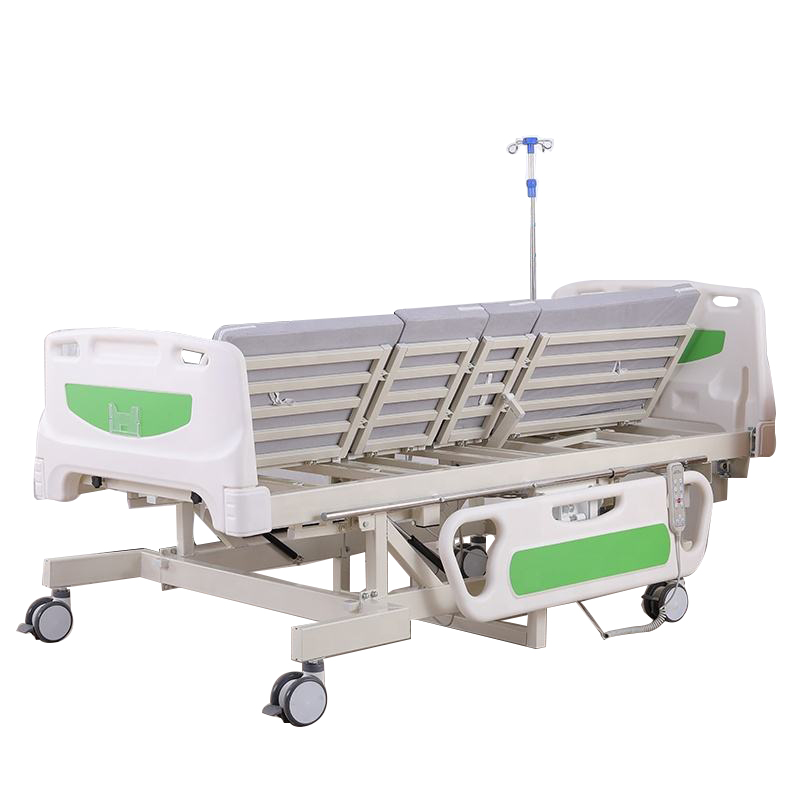
Five-Function Hospital Bed
A five-function hospital bed usually includes:
- Backrest adjustment
- Leg adjustment
- Height adjustment
- Trendelenburg
- Reverse Trendelenburg
This type of bed provides greater positioning flexibility and is commonly used in more advanced healthcare environments.
Suitable applications include:
- ICU departments
- Specialized medical centers
- High-level rehabilitation facilities
Although five-function beds offer more possibilities, buyers should consider whether these functions will actually be used regularly.
Do More Hospital Bed Functions Always Mean Better Performance?
A common purchasing mistake is assuming that the bed with the highest number of functions must be the best choice.
In reality, additional functions bring both advantages and challenges.
Advantages of More Functions
More functions provide:
- Greater patient positioning flexibility
- Better adaptation to different care situations
- Improved nursing convenience
- More options for specialized treatment
For facilities with complex patient needs, additional functions can provide significant value.
Challenges of Too Many Functions
However, more functions also mean:
- Higher purchasing costs
- More complex electrical systems
- More maintenance requirements
- Greater dependence on spare parts availability
For some facilities, a simpler hospital bed with reliable essential functions may deliver better long-term value.
The goal is not to purchase the bed with the most functions. The goal is to purchase the bed with the right functions.
How Should Buyers Choose the Right Number of Hospital Bed Functions?
Consider the Patient Type
Different patients have different requirements.
For example:
Elderly patients in long-term care may benefit from height adjustment and comfortable positioning functions.
Post-surgery patients may require better back and leg adjustments.
Critical care patients may need advanced positioning functions.
Understanding the patient group is the first step in selecting the appropriate hospital bed.
Consider the Medical Department
Different departments usually require different bed configurations.
General wards often focus on comfort, durability, and easy operation.
Rehabilitation departments may need more adjustable functions to support recovery.
ICU departments typically require advanced positioning and safety features.
Therefore, hospitals should evaluate the actual department application before making a purchase decision.
Consider Maintenance Capability
A hospital bed is a long-term investment. Buyers should consider not only the initial purchase price but also future maintenance.
Important questions include:
- Are spare parts available?
- Is technical support provided?
- Is the motor system reliable?
- Can local technicians maintain the product?
A well-designed hospital bed from a reliable supplier can reduce downtime and operating costs.
Electric Hospital Beds vs Manual Hospital Beds: Which Has More Suitable Functions?
Manual Hospital Beds
Manual hospital beds use mechanical systems operated by handles or manual adjustment mechanisms.
Advantages include:
- Lower cost
- Simple structure
- Easy maintenance
- No dependence on electricity
They are suitable for facilities requiring basic patient positioning.
Electric Hospital Beds
Electric hospital beds use motors to control different movements through a handset or control panel.
Advantages include:
- Easier operation
- Better patient independence
- Reduced caregiver effort
- More precise positioning
For modern hospitals and rehabilitation facilities, electric beds are increasingly popular because they improve efficiency and convenience.
However, the correct choice depends on the facility’s budget, patient needs, and service environment.
What Other Factors Should Buyers Evaluate Besides Functions?
Although functions are important, they are only one part of hospital bed selection.
Professional buyers should also evaluate:
Frame Strength and Durability
A strong bed frame ensures long-term performance under frequent daily use.
Materials, manufacturing processes, and load capacity all affect product reliability.
Safety Design
Important safety elements include:
- Stable side rails
- Reliable locking casters
- Emergency functions
- Smooth adjustment movement
Safety should always be considered alongside functionality.
Supplier Manufacturing Capability
A capable supplier can provide:
- Stable product quality
- Consistent production
- Customization options
- Faster delivery
- Better after-sales support
For hospitals and distributors purchasing in bulk, supplier reliability is just as important as product specifications.
Why Choosing the Right Hospital Bed Supplier Matters
Selecting hospital beds is not only about comparing technical specifications. Buyers also need a supplier that understands healthcare requirements and can provide consistent support.
Jcare focuses on supplying hospital beds, home care beds, rehabilitation products, and medical furniture for international markets. With a 3000 square meter manufacturing facility and experience serving overseas customers, Jcare supports hospitals, clinics, and distributors with factory-direct supply, stable inventory, and efficient delivery.
For large-scale medical projects, working with a professional manufacturer helps ensure product consistency and long-term cooperation.
Conclusion
The number of hospital bed functions a buyer needs depends on the actual care environment, patient requirements, nursing workflow, and budget. Basic applications may only require two or three essential functions, while advanced medical environments may benefit from five or more positioning options.
More functions do not always mean better value. The right hospital bed should provide the functions that improve patient care, support healthcare workers, and maintain reliable performance over time.
When selecting hospital beds, buyers should carefully evaluate both product functions and supplier capability. Choosing the right configuration can help hospitals improve efficiency while controlling investment costs.
If you have experience purchasing or using hospital beds, share your thoughts and requirements in the comments. Your insights may help other healthcare professionals make better decisions.