
Many healthcare providers struggle to safely accommodate heavy patients using standard hospital beds, often facing concerns about weight limits, patient comfort, and caregiver injuries. Choosing unsuitable equipment can increase fall risks, pressure injuries, and operational challenges. Bariatric hospital beds solve these issues through reinforced structures, wider platforms, advanced positioning systems, and specialized safety features designed specifically for high-weight patient care.
Bariatric hospital beds support heavy patients safely by combining reinforced steel frames, higher weight capacities, wider sleeping surfaces, electric positioning systems, pressure-relief support, and enhanced safety mechanisms. These specialized beds improve patient comfort, reduce fall risks, protect caregivers from injury, and help hospitals and care facilities provide safer and more efficient long-term treatment for overweight and obese patients.
Let’s explore how bariatric hospital beds improve safety, comfort, and caregiving efficiency in modern healthcare environments.
People Also Ask: What Is a Bariatric Hospital Bed?
A bariatric hospital bed is a heavy-duty medical bed specifically designed to support overweight or obese patients safely and comfortably. Unlike standard hospital beds, bariatric beds are engineered with stronger materials, larger dimensions, and advanced support systems to handle significantly higher patient weights.
These beds are widely used in:
- Hospitals
- Intensive care units
- Rehabilitation centers
- Long-term care facilities
- Nursing homes
- Home care environments
Standard hospital beds typically support around 450–500 lbs, while bariatric hospital beds may support 600 lbs, 800 lbs, 1000 lbs, or more depending on the model.
As obesity rates continue increasing globally, bariatric medical equipment has become essential for healthcare systems seeking safer patient handling and improved care outcomes.
Why Heavy Patients Need Specialized Hospital Beds
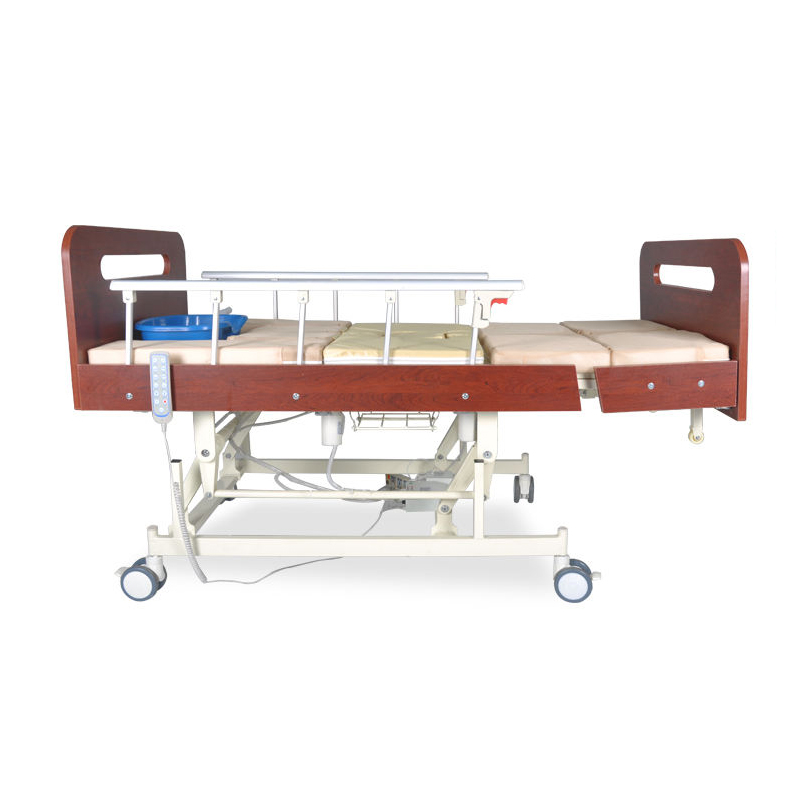
Heavy patients face unique medical and mobility challenges that standard hospital beds are not always designed to handle.
Using inappropriate beds can create serious problems for both patients and caregivers.
Increased Pressure on Bed Structures
Excessive patient weight places continuous stress on:
- Bed frames
- Motors
- Casters
- Side rails
- Adjustment systems
Over time, this can lead to equipment instability or failure.
A damaged or overloaded bed may increase the risk of:
- Patient falls
- Mechanical breakdowns
- Caregiver injuries
- Emergency maintenance costs
Bariatric hospital beds are specifically reinforced to prevent these risks.
Higher Risk of Pressure Ulcers
Heavy patients are often more vulnerable to pressure injuries because body weight creates greater pressure on skin and tissues.
Without proper support surfaces, patients may experience:
- Skin breakdown
- Poor circulation
- Pressure ulcers
- Pain and discomfort
Bariatric beds are designed to work with specialized pressure-relief mattresses that improve patient protection and comfort.
Mobility Challenges
Obese or overweight patients may struggle with:
- Turning in bed
- Sitting upright
- Entering or exiting the bed
- Repositioning independently
Specialized bariatric beds help reduce these mobility difficulties through wider platforms and electric adjustment systems.
Reinforced Frames Provide Greater Structural Safety
One of the most important safety features of a bariatric hospital bed is its reinforced frame design.
Manufacturers commonly use:
- Heavy-duty steel construction
- Reinforced welding points
- Thick support tubing
- Industrial-grade connectors
These structural enhancements help the bed remain stable under high loads and continuous use.
In healthcare environments, structural reliability is critical because bariatric beds often experience:
- Frequent repositioning
- Constant motorized movement
- Heavy transfer activity
- Long-term patient occupancy
A well-engineered bariatric bed improves both patient safety and product lifespan.
For B2B buyers such as hospitals and distributors, durability also helps reduce maintenance costs and replacement frequency.
Higher Weight Capacities Improve Safety and Reliability
Weight capacity is one of the defining differences between standard and bariatric hospital beds.
Typical Weight Capacity Comparison
| Bed Type | Typical Capacity |
|---|---|
| Standard Hospital Bed | 450–500 lbs |
| Mid-Range Bariatric Bed | 600–750 lbs |
| Heavy-Duty Bariatric Bed | 800–1000 lbs |
| Extra-Heavy Bariatric Bed | 1000+ lbs |
A higher safe working load helps healthcare providers avoid overloading medical equipment.
However, buyers should remember that total load capacity includes:
- Patient weight
- Mattress weight
- Accessories
- IV poles
- Medical equipment
- Dynamic pressure during movement
Selecting the proper weight capacity is essential for long-term operational safety.
Wider Bed Platforms Improve Patient Comfort
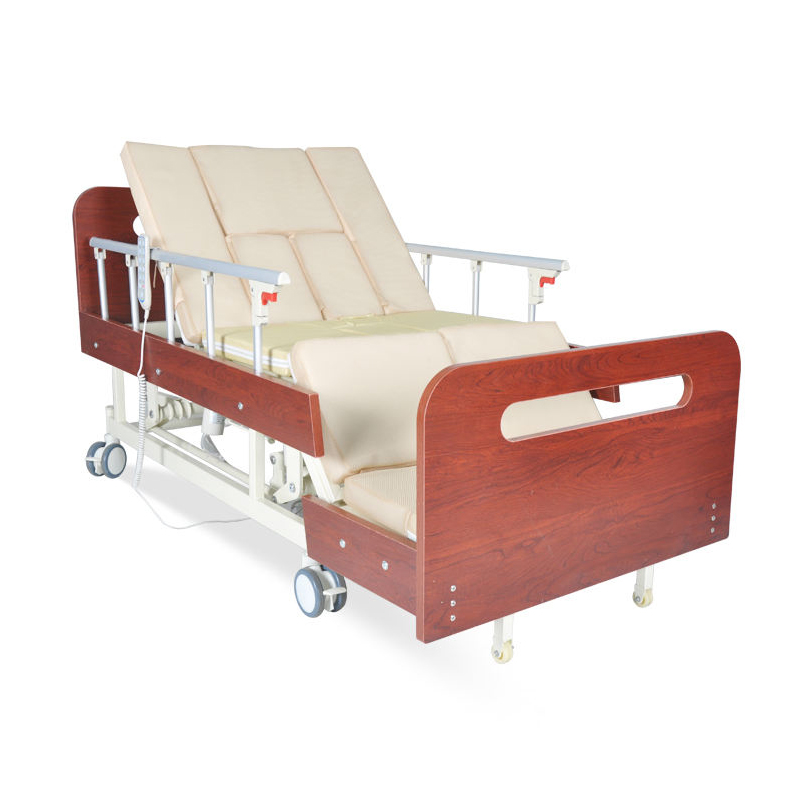
Bariatric hospital beds are significantly wider than standard medical beds.
Common bariatric bed widths include:
- 42 inches
- 48 inches
- 54 inches
- 60 inches
The larger sleeping surface offers several important benefits.
Better Weight Distribution
A wider platform distributes body weight more evenly across the mattress.
This helps reduce:
- Pressure concentration
- Skin irritation
- Circulation problems
- Pressure ulcer formation
Improved pressure distribution supports long-term patient comfort and recovery.
Easier Patient Repositioning
Heavy patients often require assistance with turning and repositioning.
Additional bed width allows caregivers to reposition patients more safely while reducing physical strain.
Patients also gain more freedom of movement, which can improve sleeping quality and overall comfort.
Enhanced Emotional Comfort
Patients who feel cramped in narrow beds may experience anxiety or discomfort.
A properly sized bariatric bed creates a more secure and dignified patient experience, especially during long-term treatment.
Electric Positioning Systems Reduce Caregiver Strain
Modern bariatric hospital beds usually include advanced electric adjustment systems.
These systems allow controlled movement of:
- Backrest sections
- Leg sections
- Bed height
- Trendelenburg positioning
- Reverse Trendelenburg positioning
Electric positioning improves safety for both patients and caregivers.
Safer Transfers
Height-adjustable beds help align the patient with:
- Wheelchairs
- Stretchers
- Transfer equipment
- Patient lifts
This reduces manual lifting and lowers the risk of workplace injuries.
Improved Patient Independence
Electric controls allow some patients to adjust their own position without caregiver assistance.
Patients can more easily:
- Sit upright
- Raise their legs
- Change sleeping positions
- Enter or exit the bed
Greater independence can improve patient dignity and reduce caregiver workload.
Reduced Fall Risks
Low-height positioning helps minimize injuries if a patient accidentally exits the bed.
Some bariatric beds also include:
- Bed exit alarms
- Locking systems
- Emergency stop controls
- Auto-contour positioning
These features provide additional layers of safety in busy healthcare environments.
Pressure-Relief Mattresses Protect Skin and Circulation
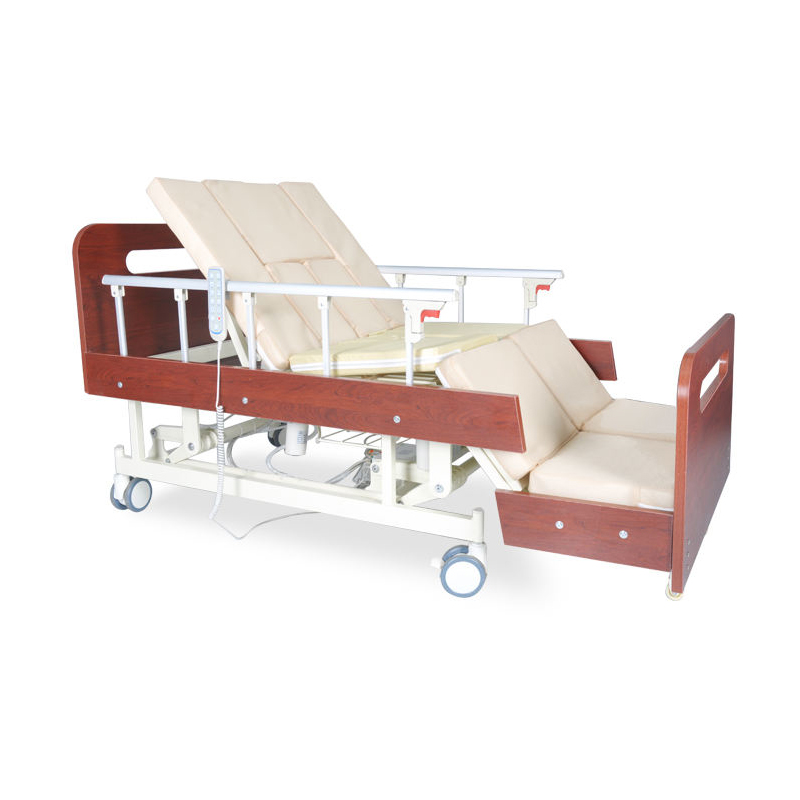
The mattress system is just as important as the bed itself.
Heavy patients often remain in bed for long periods, increasing pressure on skin and tissues.
Bariatric mattress systems are designed to provide:
- Better pressure redistribution
- Higher-density foam support
- Enhanced airflow
- Improved moisture management
Advanced mattresses may include alternating pressure systems that continuously shift pressure points to improve circulation.
Proper mattress support helps reduce:
- Pressure ulcers
- Skin damage
- Pain
- Infection risks
For hospitals and long-term care facilities, pressure injury prevention is a major priority because it improves patient outcomes while reducing treatment costs.
Reinforced Side Rails Improve Patient Protection
Bariatric hospital beds often feature heavy-duty side rail systems designed to handle higher pressure and repeated use.
These rails help:
- Prevent patient falls
- Support repositioning
- Assist bed entry and exit
- Improve patient confidence
Depending on the application, facilities may choose:
- Full-length rails
- Split rails
- Foldable rails
- Half rails
Strong side rail systems are especially important for patients with limited mobility or balance issues.
Weak or unstable rails can create serious safety hazards in healthcare environments.
Heavy-Duty Casters Improve Mobility and Stability
Bariatric hospital beds are much heavier than standard beds, making mobility systems extremely important.
Heavy-duty caster systems help ensure:
- Smooth transportation
- Better directional control
- Improved braking performance
- Stable patient positioning
Central locking caster systems are commonly used to improve stability during patient transfers and examinations.
Reliable mobility systems also help caregivers reposition beds more efficiently within healthcare facilities.
Bariatric Beds Improve Caregiver Safety
Caregiver safety is a growing concern in hospitals and long-term care facilities.
Handling overweight patients manually places enormous physical stress on healthcare staff.
Without proper equipment, caregivers face higher risks of:
- Back injuries
- Muscle strain
- Slips and falls
- Long-term workplace injuries
Bariatric hospital beds help reduce these risks through:
- Electric positioning systems
- Adjustable height functions
- Safer transfer support
- Improved patient accessibility
Healthcare facilities that invest in bariatric equipment often benefit from:
- Lower injury rates
- Reduced workers’ compensation costs
- Improved workflow efficiency
- Better staff productivity
As healthcare staffing shortages continue worldwide, caregiver protection becomes increasingly important.
Key Features Buyers Should Consider When Purchasing Bariatric Hospital Beds
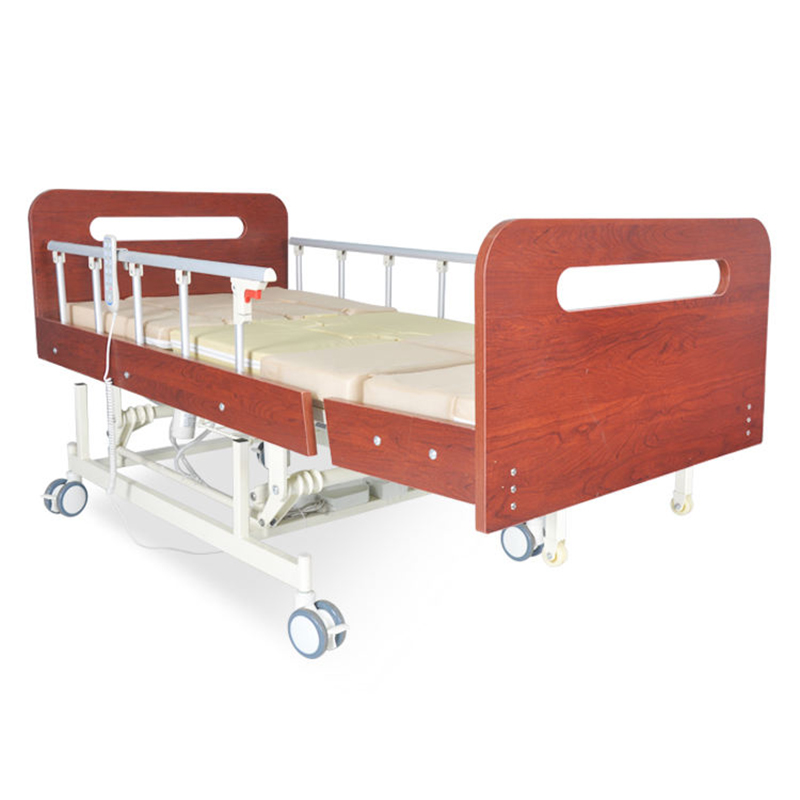
Hospitals, distributors, and procurement teams should carefully evaluate bariatric bed specifications before purchasing.
Weight Capacity
Choose a bed that safely exceeds expected patient requirements.
Future flexibility is important because patient needs may evolve over time.
Bed Dimensions
Bed width and length should support patient comfort while fitting facility layouts and transportation requirements.
Motor Quality
Reliable motors are essential for smooth operation and long-term durability.
Poor-quality motors may fail under high loads.
Safety Features
Important safety options include:
- Emergency CPR release
- Locking caster systems
- Bed exit alarms
- Low-height adjustment
- Reinforced side rails
Mattress Compatibility
The mattress system should match the bed’s weight capacity and pressure-relief requirements.
Spare Parts and Technical Support
For international B2B buyers, dependable after-sales service is critical.
Manufacturers with stable supply chains and available spare parts can help reduce downtime and maintenance problems.
Why Demand for Bariatric Hospital Beds Continues to Grow
Global obesity rates are increasing across many healthcare markets, including:
- North America
- Europe
- Middle East
- Southeast Asia
As a result, hospitals and care facilities are investing more heavily in bariatric medical equipment.
Modern healthcare providers now prioritize:
- Patient safety
- Caregiver protection
- Long-term durability
- Efficient patient handling
Bariatric hospital beds are no longer considered niche products. They have become essential equipment in many healthcare systems worldwide.
For distributors and wholesalers, bariatric medical beds also represent a growing market opportunity due to rising healthcare demand.
Conclusion
Bariatric hospital beds play a vital role in safely supporting heavy patients while improving comfort, mobility, and caregiving efficiency. Reinforced frames, higher weight capacities, wider sleeping surfaces, electric positioning systems, pressure-relief support, and advanced safety features all contribute to safer healthcare environments. As global demand for bariatric care continues to rise, investing in reliable bariatric hospital beds helps hospitals and care facilities improve patient outcomes while protecting caregivers and medical equipment.
If you have questions about bariatric hospital bed solutions or want to share your experience with heavy-duty medical equipment, feel free to leave a comment or share this article with your network.