
Many families and healthcare providers struggle to choose the right hospital bed setup for home nursing environments. Poor bed selection or improper room arrangement can increase caregiver fatigue, patient discomfort, and safety risks. A well-planned hospital bed setup improves patient recovery, enhances caregiver efficiency, and creates a safer and more comfortable home care environment for long-term nursing support.
The ideal hospital bed setup for home nursing environments includes selecting an adjustable hospital bed, using pressure-relief mattresses, ensuring safe room layouts, and adding practical accessories such as side rails, over bed tables, and locking casters. Proper setup improves patient comfort, caregiver convenience, and overall safety while supporting long-term home healthcare needs.
The right setup can transform home nursing care. Below are the most important factors every buyer and caregiver should understand.
People Also Ask: What Is the Best Hospital Bed Setup for Home Nursing Environments?
The best hospital bed setup for home nursing environments depends on the patient’s physical condition, mobility level, and long-term care requirements. In most cases, adjustable electric hospital beds provide the best balance of comfort, safety, and convenience for both patients and caregivers.
A complete home nursing setup usually includes:
- Adjustable hospital bed
- Pressure-relief mattress
- Side rails
- Locking casters
- Over bed table
- Bedside cabinet
- IV stand if needed
- Patient lift accessories
The surrounding room layout is equally important. Sufficient caregiver access, safe electrical connections, proper ventilation, and organized medical supplies all contribute to better patient care and operational efficiency.
Why Home Nursing Environments Need Professional Hospital Bed Setups
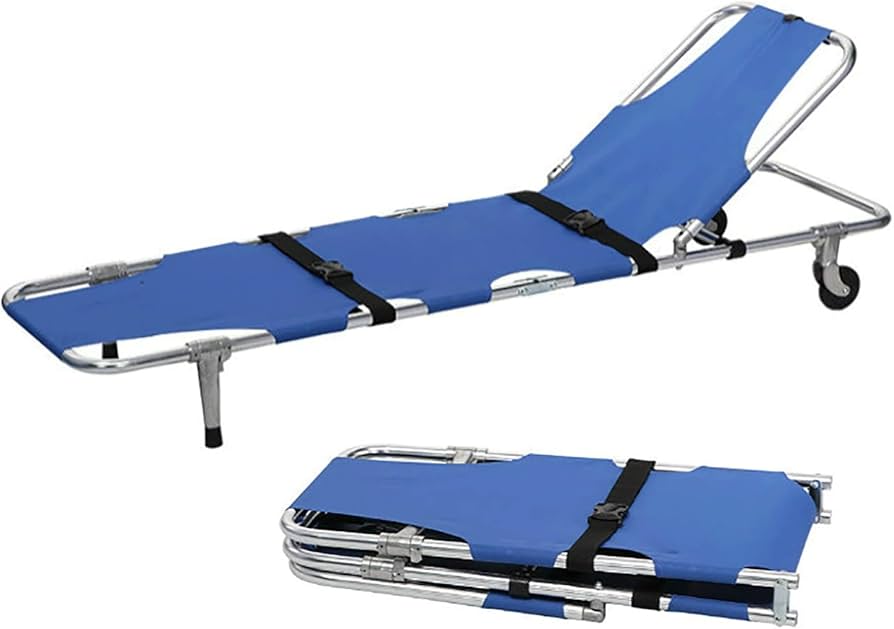
Home healthcare continues to grow worldwide due to aging populations, rising healthcare costs, and increased demand for long-term care solutions. Many patients now recover or receive extended nursing support at home instead of hospitals.
However, standard household beds are not designed for medical care. They often lack the necessary support, adjustability, and safety features required for patients with limited mobility.
Professional hospital bed setups solve these challenges by providing:
- Safer patient positioning
- Easier caregiving operations
- Improved recovery support
- Better comfort during long-term care
- Reduced physical strain for caregivers
For hospitals, rehabilitation centers, distributors, and home care product wholesalers, selecting reliable hospital bed systems is essential for meeting modern healthcare demands.
Key Features of Hospital Beds for Home Nursing
Choosing the right hospital bed involves more than simply selecting a frame. Several important features directly affect patient comfort, caregiver efficiency, and long-term usability.
Adjustable Backrest and Leg Support
Adjustable positioning allows patients to:
- Sit upright comfortably
- Improve breathing
- Reduce swelling
- Support circulation
- Eat or read more easily
Patients who remain in bed for extended periods especially benefit from multiple positioning functions.
Height Adjustment
Height adjustment improves transfer safety and reduces caregiver strain.
Low-height beds are particularly useful for elderly patients because they minimize fall risks when entering or leaving the bed.
Higher positioning also helps caregivers avoid excessive bending during nursing procedures.
Side Rails for Safety
Side rails help prevent accidental falls and improve patient confidence during repositioning.
Common side rail options include:
- ABS side rails
- Foldable aluminum alloy side rails
- Full-length rails
- Half-length rails
The appropriate rail type depends on patient mobility and nursing requirements.
Locking Casters
Medical-grade locking casters provide mobility while ensuring bed stability during patient transfer.
Central locking caster systems are especially popular because they allow caregivers to secure the bed quickly and safely.
Emergency Power Backup
Electric hospital beds with battery backup systems provide additional reliability during power interruptions.
This feature is especially important in regions with unstable electricity supply or emergency home care conditions.
Manual vs Electric Hospital Beds for Home Care
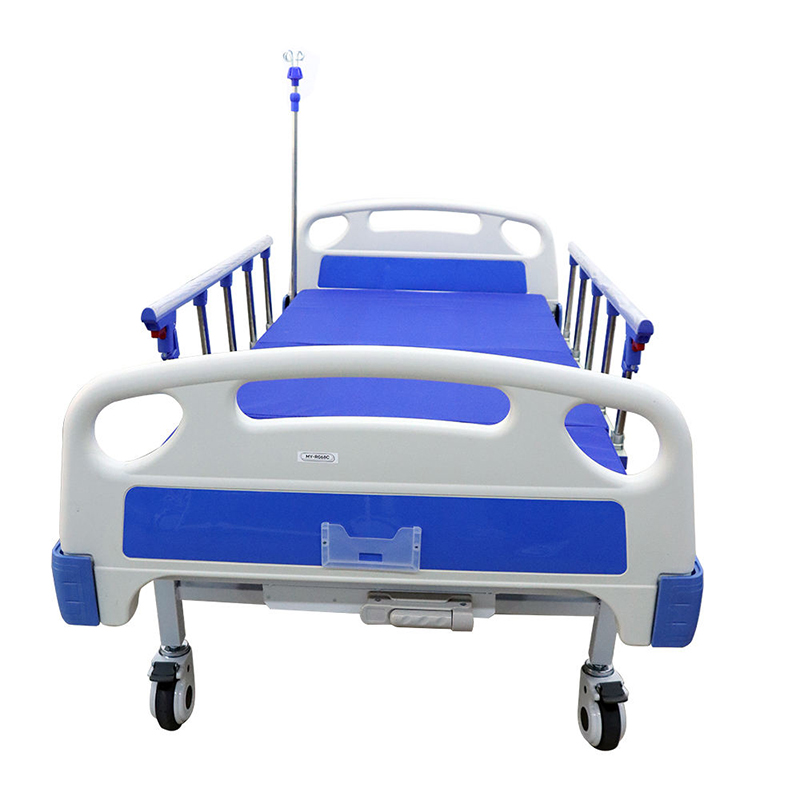
One of the most common purchasing decisions involves choosing between manual and electric hospital beds.
Manual Hospital Beds
Manual hospital beds use hand cranks to adjust bed positions.
Advantages
- Lower initial cost
- Simple structure
- Easy maintenance
- Suitable for temporary care
Limitations
- Requires physical effort
- Slower adjustments
- Less convenient for caregivers
Manual beds are often used in short-term recovery situations or budget-sensitive projects.
Electric Hospital Beds
Electric beds use motors to adjust bed positioning automatically.
Advantages
- Easier patient positioning
- Reduced caregiver workload
- Better patient independence
- Faster operation
- More comfortable long-term care
Limitations
- Higher purchase cost
- Requires electricity
- More complex maintenance
For most long-term home nursing environments, fully electric hospital beds offer the best overall performance.
How to Optimize Room Layout for Home Nursing
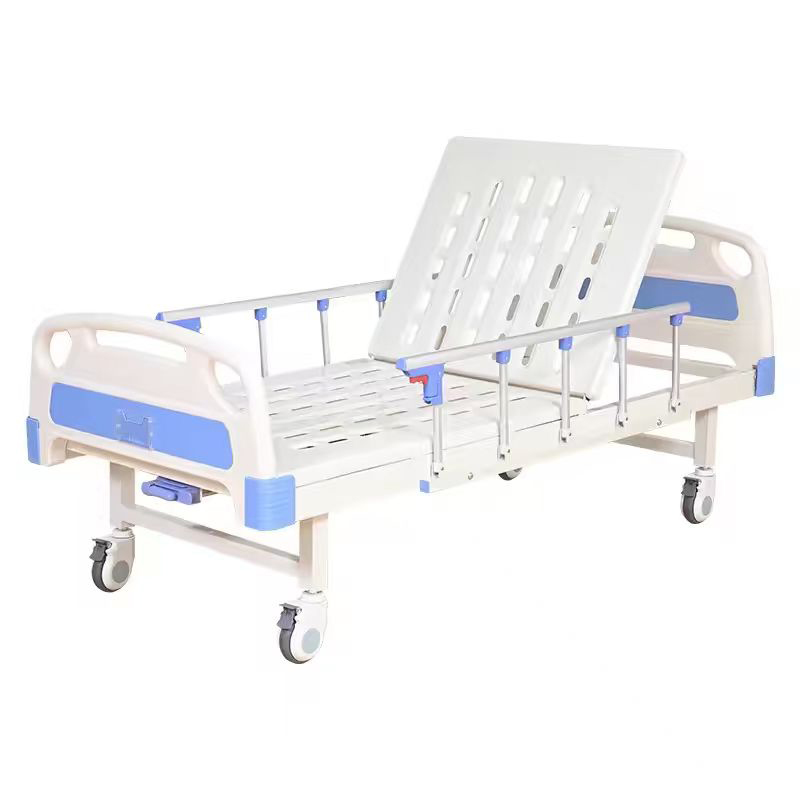
Even high-quality hospital beds may become difficult to use if the room layout is poorly planned.
Allow Sufficient Caregiver Space
Caregivers need enough surrounding space to:
- Assist patient movement
- Operate wheelchairs
- Use lifting equipment
- Access both sides of the bed
A narrow or crowded room can reduce nursing efficiency and increase accident risks.
Ensure Easy Electrical Access
Electric beds, air mattresses, and medical devices require nearby electrical outlets.
Power cables should remain organized to avoid:
- Tripping hazards
- Equipment damage
- Electrical overload
Improve Lighting Conditions
Good lighting improves:
- Nighttime patient monitoring
- Medication administration
- Safe patient transfers
- General caregiver visibility
Soft night lights are especially helpful in elderly care environments.
Maintain Proper Ventilation
Fresh air circulation improves patient comfort and helps maintain a healthier environment during long-term care.
Importance of Pressure-Relief Mattresses
Pressure ulcers remain one of the most common complications during long-term bed rest.
Pressure-relief mattresses help reduce skin damage and improve patient comfort.
Foam Mattresses
Foam mattresses provide:
- Basic comfort
- Pressure distribution
- Cost-effective support
They are suitable for low-risk patients.
Alternating Pressure Mattresses
These mattresses use air cells that alternate pressure points continuously.
Benefits include:
- Better pressure redistribution
- Improved circulation
- Reduced pressure sore risks
They are ideal for high-risk or immobile patients.
Gel and Hybrid Mattresses
Gel-based systems offer additional cooling and comfort benefits for patients requiring extended bed rest.
Essential Accessories for Home Nursing Bed Setups
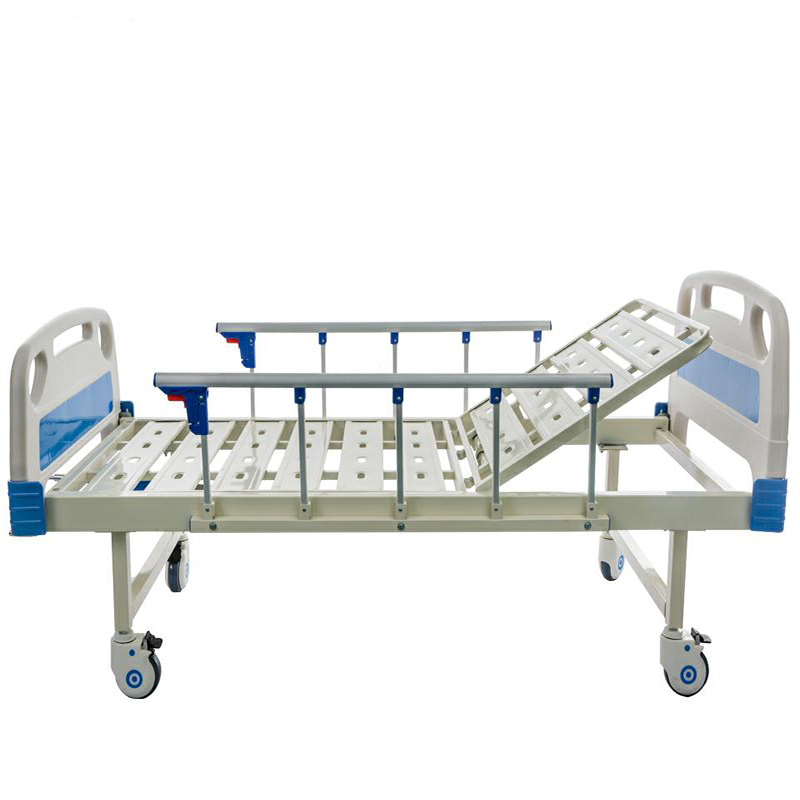
Accessories significantly improve hospital bed functionality and caregiving convenience.
Over Bed Tables
Over bed tables allow patients to:
- Eat meals
- Read books
- Use electronic devices
- Store personal items
Adjustable tables improve flexibility.
Bedside Cabinets
Bedside cabinets organize:
- Medications
- Nursing supplies
- Medical documents
- Daily essentials
Organized storage improves caregiver workflow.
IV Stands
Patients receiving infusion therapy often require stable IV poles.
Stainless steel IV stands with durable bases are widely used in home care environments.
Patient Lift Systems
Electric patient lifts improve:
- Transfer safety
- Caregiver protection
- Patient mobility assistance
These systems are highly valuable for bariatric or immobile patients.
Bedside Commodes
Bedside commodes improve convenience for patients with limited walking ability, especially during nighttime care.
Safety Tips for Hospital Bed Setup at Home
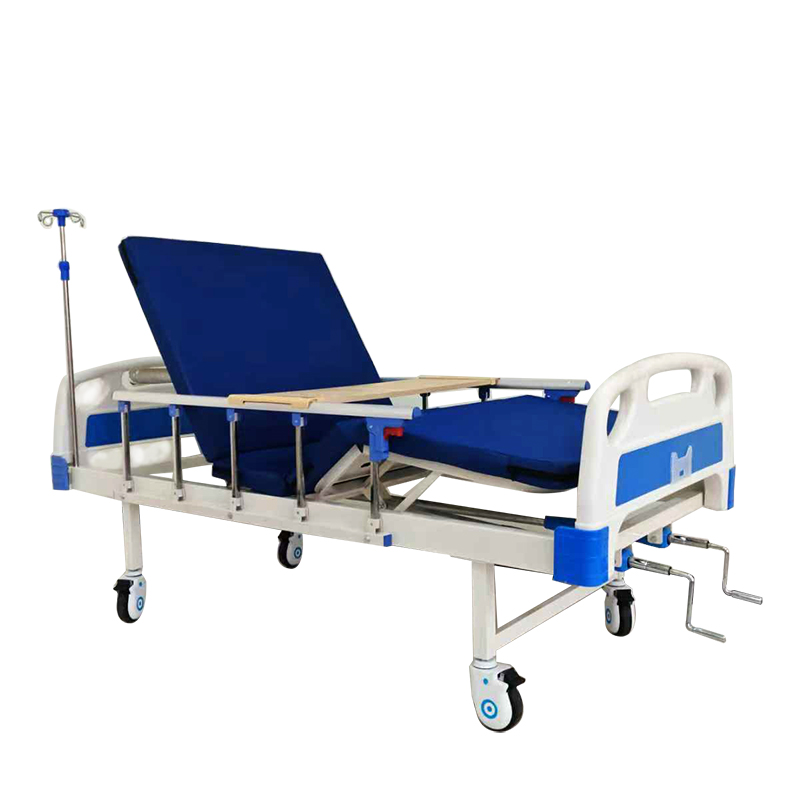
Patient safety should remain the highest priority during home nursing setup.
Position the Bed Properly
The bed should:
- Sit on a stable floor
- Stay away from slippery rugs
- Avoid blocking doors
- Provide access from multiple sides
Lock Bed Wheels
Casters should remain locked whenever the bed is stationary.
Unlocked wheels can cause dangerous movement during patient transfers.
Keep Frequently Used Items Nearby
Patients should easily reach:
- Water
- Phones
- Remote controls
- Medication
- Emergency call devices
This reduces unnecessary movement and fall risks.
Inspect Equipment Regularly
Routine inspection helps identify:
- Loose side rails
- Motor issues
- Worn casters
- Electrical damage
- Mattress deterioration
Preventive maintenance improves product lifespan and patient safety.
How Proper Hospital Bed Setup Improves Caregiver Efficiency
Home caregivers often experience physical and emotional stress during long-term nursing care.
A properly configured hospital bed setup significantly improves daily caregiving efficiency.
Reduced Physical Fatigue
Electric positioning minimizes repetitive bending and lifting.
Faster Patient Transfers
Adjustable height simplifies transfers to:
- Wheelchairs
- Walkers
- Stretchers
- Patient lifts
Better Workflow Organization
Organized accessories and accessible equipment reduce unnecessary caregiver movement.
Improved Patient Monitoring
Proper bed positioning improves visibility and accessibility during nursing tasks.
Common Mistakes to Avoid When Buying Home Nursing Hospital Beds
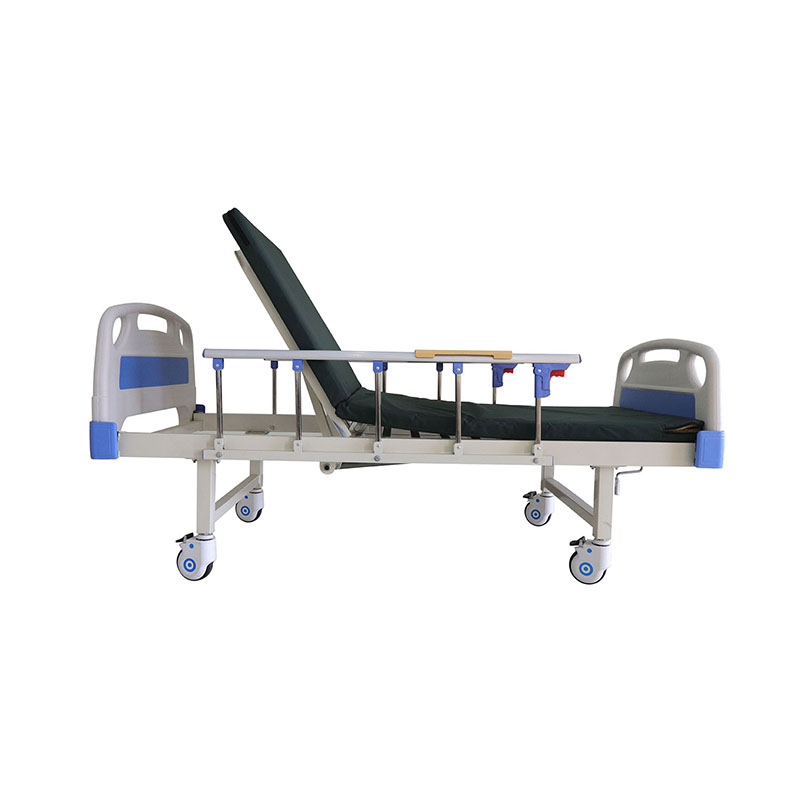
Many buyers focus only on pricing while overlooking long-term usability and safety.
Choosing Beds Without Future Flexibility
Patient conditions may worsen or change over time.
Beds with multiple adjustment functions offer better long-term value.
Ignoring Room Measurements
Always measure:
- Doorways
- Elevators
- Hallways
- Room dimensions
Improper sizing can create installation problems.
Selecting Low-Quality Mattresses
Poor mattress support may increase discomfort and pressure sore risks.
Overlooking Caregiver Needs
Hospital bed setups should support both patients and caregivers equally.
Easy operation and ergonomic design greatly improve daily care efficiency.
Why Global Buyers Choose Reliable Hospital Bed Manufacturers
For B2B buyers, choosing dependable hospital bed suppliers is critical for long-term business success.
Reliable manufacturers provide:
- Stable product quality
- Factory-direct pricing
- Large inventory availability
- Fast delivery times
- Professional export experience
- Long-term cooperation support
As a professional Chinese manufacturer, Jcare supplies hospital beds, home care beds, rehabilitation products, medical furniture, and medical bed accessories to global markets including India, the Middle East, Southeast Asia, Europe, the USA, Japan, and South Korea.
With a 3000-square-meter processing facility, Jcare focuses on providing cost-effective and reliable B2B healthcare solutions for hospitals, clinics, distributors, and home nursing equipment buyers worldwide.
Conclusion
A professional hospital bed setup for home nursing environments greatly improves patient comfort, caregiver efficiency, and overall healthcare safety. From selecting adjustable beds and pressure-relief mattresses to optimizing room layouts and adding essential accessories, every detail contributes to better long-term nursing outcomes. Businesses and healthcare buyers who invest in reliable hospital bed solutions can better meet the growing global demand for home healthcare services.
Have questions about choosing the right home nursing hospital bed setup? Feel free to share your thoughts, discuss your requirements, or contact Jcare for professional support and product recommendations.