
International buyers often ask how many hospital beds fit into a container, which packaging method is safest, and how to prevent shipping damage. Poor loading plans can increase freight costs, delay delivery, or cause missing and damaged parts. A clear loading strategy helps buyers control costs, protect products, and simplify customs clearance.
To load hospital beds efficiently, confirm product and carton dimensions, choose the correct container, use space-saving packaging, protect fragile components, distribute weight evenly, and complete a final inspection. Buyers should also request an accurate packing list, loading photos, container and seal numbers, and confirmation that all beds, accessories, manuals, and spare parts have been loaded.
Loading begins before the container arrives. These tips help buyers improve space use, reduce damage, and avoid shipment disputes.
Why Hospital Bed Container Loading Needs Careful Planning
Hospital beds are large, heavy, and more complex than ordinary export products. One shipment may include frames, headboards, side rails, mattresses, motors, casters, IV poles, cabinets, overbed tables, and spare parts. If these items are not arranged correctly, valuable container space can be wasted.
Loading mistakes also create hidden costs. Oversized cartons reduce the number of beds per container, while weak packaging can allow frames to scratch or deform. Poor weight distribution may make transport and unloading unsafe. Missing labels or unclear documents can delay customs inspection and warehouse receiving.
Confirm Product and Packaging Specifications
The first step is to verify every model in the order. Manual, electric, wooden home care, ICU, and bariatric beds may require different packaging and loading methods.
Check Dimensions, Weight, and Configuration
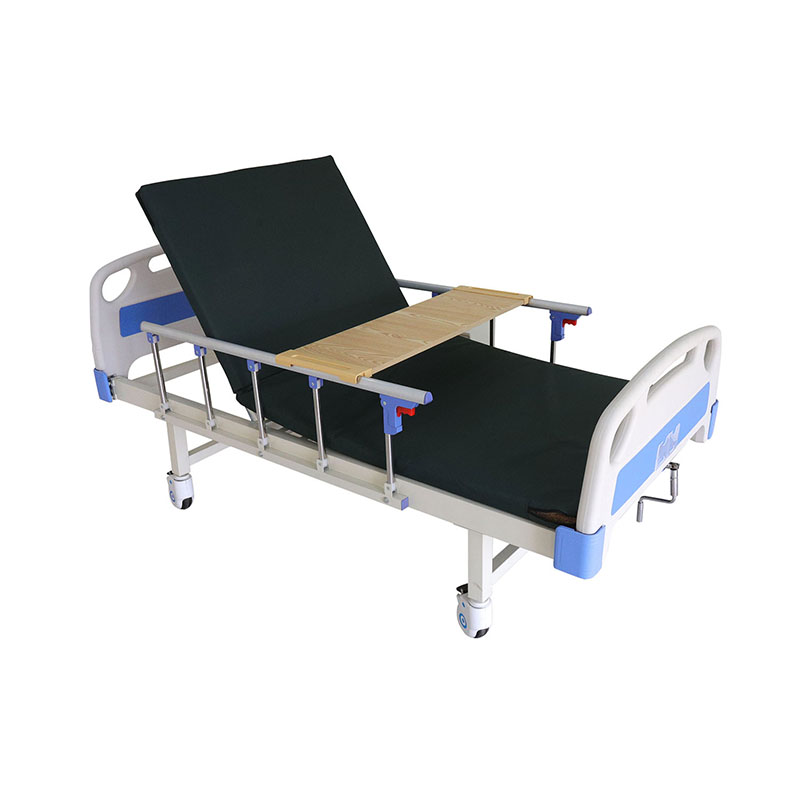
Buyers should confirm the bed’s assembled size, net weight, packed dimensions, gross weight, and safe working load. The packed dimensions are especially important because loading quantities must be calculated from the actual export cartons rather than the assembled product size.
Electric beds usually need more protective packaging because they contain motors, control boxes, cables, batteries, and handsets. Wooden panels require corner and surface protection, while heavier ICU or bariatric models may need reinforced cartons, wooden supports, or pallets.
List Accessories Separately
Mattresses, IV poles, side rails, cabinets, tables, spare casters, and installation kits should appear as separate items on the packing list. The supplier should explain whether these items are packed inside the bed-frame package, placed in individual cartons, or used to fill safe gaps.
Small parts should be sealed in labeled bags and fixed to the corresponding bed. Loose bolts, pins, cables, or tools can move during transport and may be lost during unloading.
Choose the Correct Container Type
The most common options are 20-foot general-purpose, 40-foot general-purpose, and 40-foot high-cube containers. The best choice depends on order volume, bed size, package height, total weight, and accessory quantity.
A 20-foot container may suit trial orders, small projects, or heavier products. However, hospital beds are usually limited by volume before container weight. As a result, the freight cost per bed may be higher than in a larger container.
A 40-foot high-cube container is often suitable for wholesale orders because its extra height and volume support more efficient stacking. It can accommodate knock-down bed frames, mattresses, cabinets, and tables more effectively. The exact loading quantity must still be calculated for the specific model.
Buyers should request a written loading estimate showing carton dimensions, gross weight, estimated quantity, and accessory allocation.
Use Knock-Down Packaging to Save Space
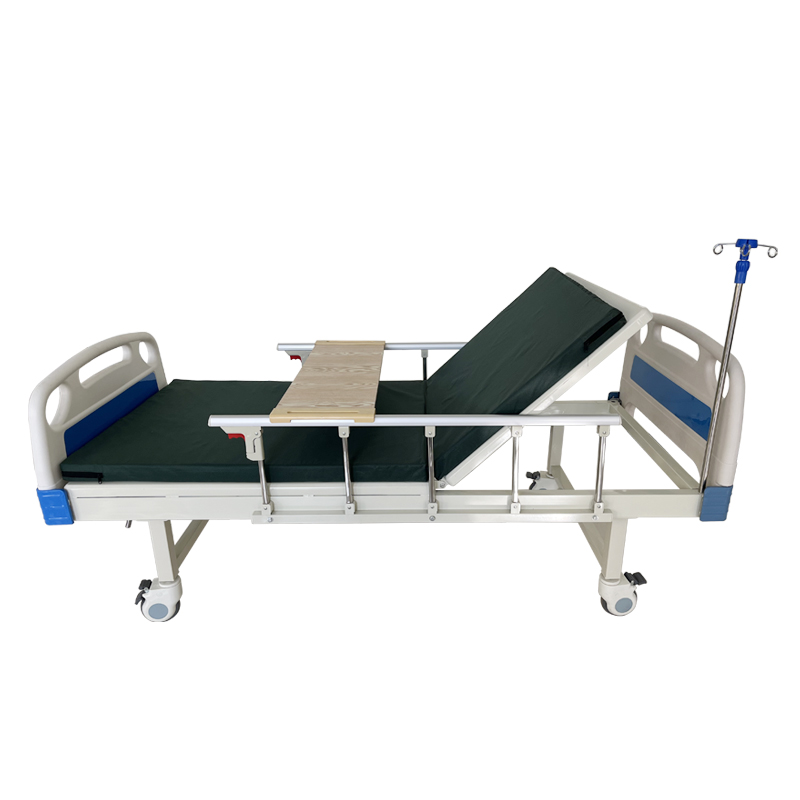
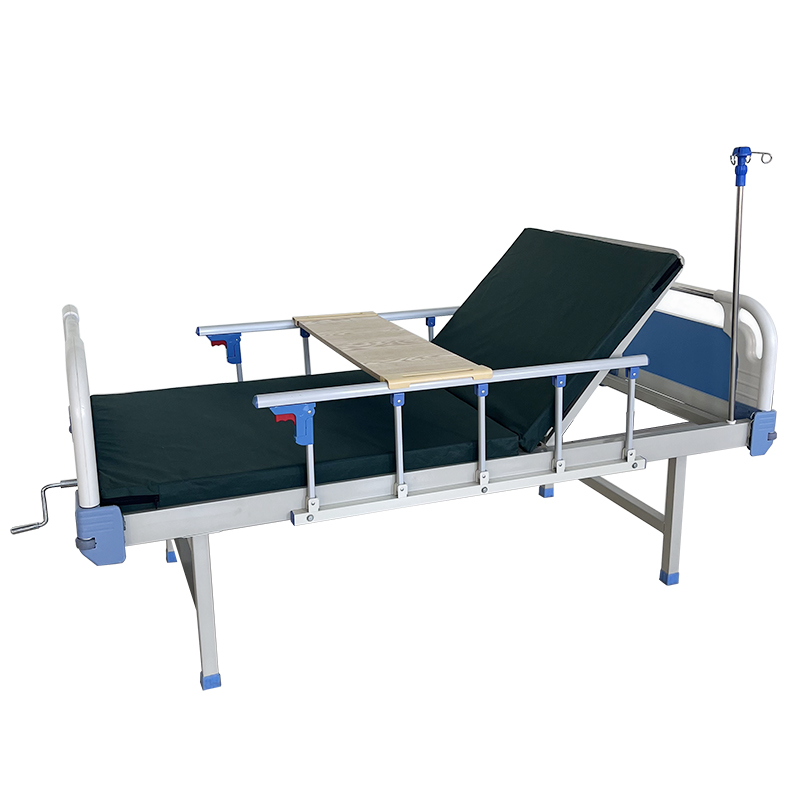
Knock-down packaging reduces volume by removing components before shipment. Depending on the model, the supplier may detach headboards, footboards, side rails, casters, IV poles, hand cranks, and selected control parts.
This method can increase loading quantity and lower freight cost per unit. Buyers should still ensure easy assembly. Each part should be clearly marked, and hardware bags should match the correct model and carton.
The supplier should provide assembly instructions and hardware lists. For electric beds, motors and control boxes must be protected from impact and moisture, cables secured neatly, and all functions tested before packing.
Strengthen Export Packaging
Hospital beds may spend several weeks moving by truck, vessel, port equipment, and local delivery vehicles. Packaging must withstand vibration, humidity, stacking pressure, and repeated handling.
Protect Frames and Finished Surfaces
Metal frames should be wrapped with foam, film, sleeves, or cardboard before being placed in cartons. Corners, welded joints, side rails, and exposed tubes need extra protection. Painted or powder-coated parts should never rub directly against other metal components.
Foam sheets, cardboard separators, bubble wrap, and fixed straps can prevent scratches and movement. Decorative wooden panels and plastic headboards should have reinforced corner protection.
Use Suitable Cartons or Supports
Heavy bed frames may require double-wall corrugated cartons, wooden strips, plywood cases, or pallets. The packaging design should match the product’s weight and shape rather than using one standard carton for every model.
Wood packaging must comply with the destination country’s import requirements. Pallets improve forklift handling and warehouse efficiency, but they also occupy container space. Buyers should compare the value of faster unloading and stronger protection with the possible reduction in loading quantity.
Plan the Loading Sequence
A professional supplier should prepare a loading layout before the container arrives. Heavy bed frames should normally be placed at the bottom, while lighter cartons and mattresses can be positioned above them.
Weight must be distributed evenly from front to back and from side to side. Concentrating heavy products in one area may create safety risks and make unloading difficult. The supplier should also avoid stacking fragile electric components beneath heavy frames.
Items needed first at the destination, such as installation kits, spare parts, samples, or tools, can be placed near the doors when practical. However, cartons must be secured so they do not fall when the doors are opened.
The final row should fit without crushing packages. Forcing extra cartons into the remaining space may damage the goods and prevent the container doors from closing correctly.
Use Empty Space Safely
Efficient loading does not mean placing loose products in every gap. Smaller accessory cartons may be positioned between stable packages, and detachable boards, side rails, or IV poles can be grouped in dedicated cartons.
Mattresses may be loaded vertically or horizontally depending on their packaging and resistance to compression. Cabinets and overbed tables can sometimes use spaces around bed frames, provided weight remains balanced.
All filler cartons must be secured with straps, blocking materials, air bags, or braces. Loose parts can shift during sea transport and damage nearby products. The cargo should remain stable during port handling, sudden braking, and travel on uneven roads.
Prevent Moisture and Rust
Temperature changes can create condensation inside a sea container. Moisture may cause rust, soft cartons, mold, or damage to electronic components.
Beds should be clean and dry before packing. Metal parts may need anti-rust protection, film, or desiccant bags. Motors, control boxes, handsets, batteries, and cables should be sealed against moisture.
Container desiccants are especially useful for long routes, humid seasons, and tropical destinations. Buyers should ask how many bags will be used and where they will be placed.
The container should be checked for holes, water stains, odors, damaged floors, and contamination.
Verify Labels and Shipping Documents
Each carton should display the product name, model, quantity, carton number, gross weight, net weight, and handling marks where required. Shipping marks should match the commercial invoice and packing list.
For knock-down beds, related packages should be easy to identify. The frame, headboard, side rails, motor box, and hardware carton for one model should use coordinated labels. This reduces confusion during assembly and warehouse distribution.
The final packing list should show carton quantities, dimensions, total volume, gross weight, and net weight. Buyers may also request purchase order numbers, destination codes, hospital project names, or warehouse references on the cartons.
Complete a Final Loading Inspection
Before sealing the container, the supplier should confirm the model, quantity, package condition, labels, accessories, and container condition. Buyers may appoint a third-party inspector, request a live video, or review the supplier’s inspection records.
Loading photos should show the empty container, loading stages, final arrangement, closed doors, and seal. These records help resolve shortage or damage claims.
The container number and seal number must match the shipping documents. Random cartons can also be opened before loading to verify products, parts, manuals, and hardware.
Prepare for Unloading at the Destination
A loading plan should support safe unloading. Buyers should tell the supplier whether the destination has a loading dock, forklift, pallet jack, crane, or sufficient workers.
Floor-loaded cargo uses space efficiently but may require more labor. Palletized cargo is usually faster to unload but reduces available volume. Large bed frames should not be packed so tightly that workers cannot remove them safely.
The receiving team should have the packing list and loading photos before arrival. Cartons should be counted during unloading, and visible damage should be photographed immediately. A broken seal, wet floor, or damaged container should be documented before the cargo is moved.
People Also Ask
How Many Hospital Beds Fit in a Shipping Container?
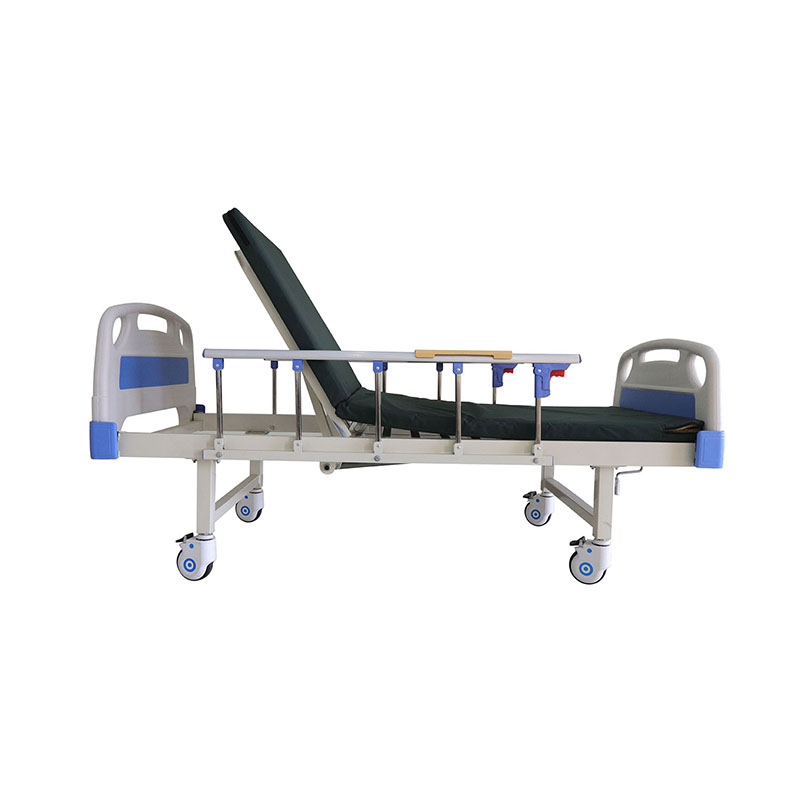
The quantity depends on the bed model, carton dimensions, knock-down structure, container type, and included accessories. A simple manual bed normally occupies less space than an electric ICU bed. Buyers should request a model-specific calculation that includes mattresses, cabinets, tables, side rails, and spare parts.
Is Pallet Loading Better for Hospital Beds?
Pallets improve forklift handling, protect cartons from the container floor, and speed up receiving. However, they reduce usable space. Floor loading is often better for maximizing quantity, while pallet loading may be preferable when unloading speed, labor cost, or damage prevention is more important.
What Documents Should Buyers Request?
Buyers should request the final packing list, commercial invoice, bill of lading information, container number, seal number, loading photos, inspection report, certificate of origin when required, and destination-specific compliance documents. Manuals, warranties, spare-parts lists, and assembly instructions should also be prepared.
Work with an Export-Experienced Supplier
A reliable hospital bed supplier should understand packaging, loading calculations, moisture control, documentation, and destination requirements. Buyers should ask how loading quantities are calculated, how electric parts are protected, how knock-down components are labeled, and whether packaging, pallets, desiccants, loading labor, and transport to port are included in the quotation.
Jcare supplies hospital beds, home care beds, rehabilitation products, medical furniture, and accessories for international buyers. Factory-direct pricing, inventory support, and export experience can help buyers develop a practical loading plan based on product configuration, order size, destination, and unloading conditions.
Conclusion
Successful hospital bed container loading depends on accurate specifications, suitable container selection, space-saving packaging, strong protection, balanced weight, moisture control, clear labels, and final inspection. These details should be confirmed before production is completed rather than on the day of shipment.
A well-prepared plan can reduce freight cost per bed, limit transport damage, simplify customs clearance, and make unloading easier. Buyers should always request loading calculations, photos, seal details, and complete shipping documents.
Have you experienced damaged packaging, missing accessories, or unexpected loading costs in a hospital bed shipment? Share your experience in the comments and send this guide to other international medical equipment buyers.