
Many buyers know they need hospital beds, but they are not always sure what details to confirm before placing an order. If key points are missed, the result may be wrong specifications, delayed delivery, higher maintenance costs, or unhappy end users. A clear checklist helps buyers order with confidence and reduce procurement risks.
Before ordering hospital beds, buyers should confirm the bed type, functions, dimensions, load capacity, frame material, side rails, casters, mattress options, accessories, packaging, certifications, lead time, warranty, customization needs, and after-sales support. B2B buyers should also verify supplier experience, inventory capacity, export documents, and whether the quotation includes all required configurations.
The right checklist protects both quality and budget. It also helps buyers compare suppliers more accurately.
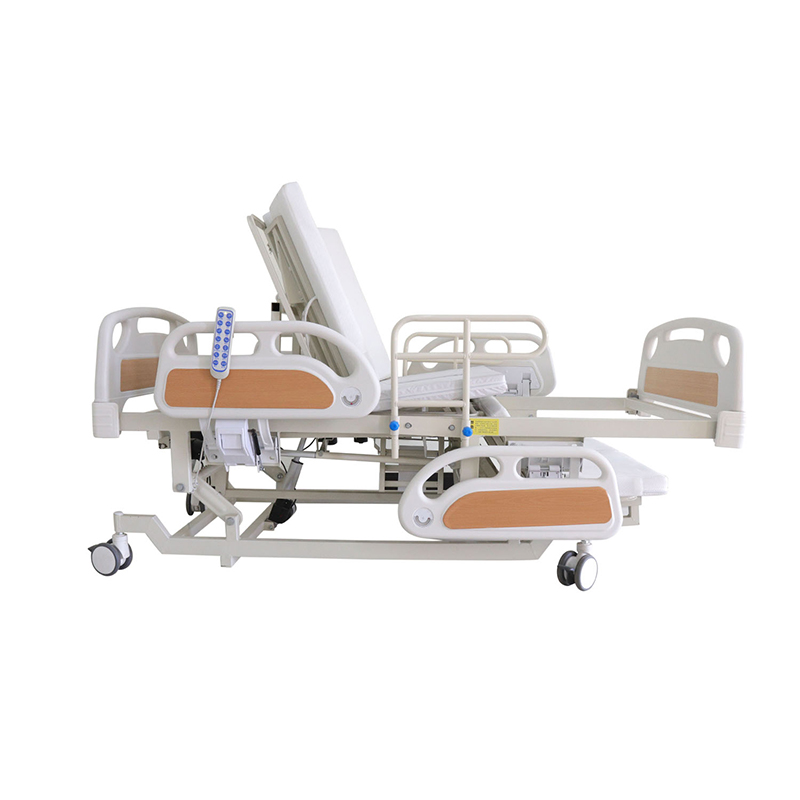
Why Do Buyers Need a Hospital Bed Checklist?
Hospital beds are not simple furniture products. They are used in hospitals, private clinics, nursing homes, rehabilitation centers, and home care environments. Because they affect patient comfort, caregiver efficiency, and safety, buyers must confirm more than price before ordering.
For distributors and medical bed purchasers, one incorrect order can create serious problems. If the bed size is unsuitable, it may not fit local rooms. If the load capacity is too low, it may not match patient needs. If the packaging is weak, beds may arrive damaged after long-distance shipping. Therefore, a checklist helps buyers avoid hidden risks before production begins.
A checklist also improves communication with the supplier. Instead of asking only for the “best price,” buyers can confirm the exact bed model, materials, functions, accessories, and delivery schedule. This makes the quotation clearer and reduces misunderstandings.
For a B2B wholesale supplier like Jcare, clear buyer requirements make it easier to recommend suitable hospital beds, home care beds, rehabilitation products, medical furniture, and accessories for different markets.
Confirm the Real Use Scenario
Before choosing a model, buyers should first confirm where the hospital bed will be used. A general ward, ICU room, private clinic, elderly care facility, and home care room may all require different bed designs.
For example, a private clinic may need a practical manual bed with stable structure and easy cleaning. A nursing home may need an electric home care bed that is quiet and easy to operate. A hospital project may need stronger beds, more functions, and matching accessories.
When the use scenario is clear, buyers can avoid buying beds that look suitable in photos but fail to meet real operating needs.
Match the Bed With Target Customers
B2B buyers should also think about their final customers. Hospitals may focus on durability and function. Home care buyers may care more about comfort, appearance, and simple operation. Distributors may need models that are easy to sell, easy to stock, and suitable for repeated orders.
If the bed does not match local market demand, even a low purchase price may not bring good business results. Therefore, market fit should be part of the purchasing checklist.
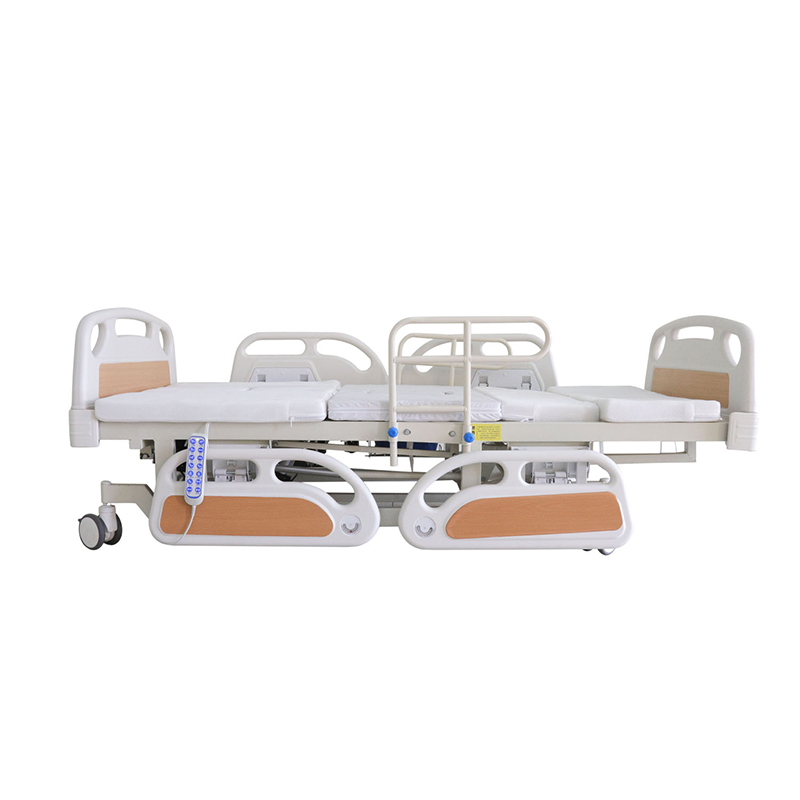
What Bed Type Should Buyers Confirm First?
The first item on the checklist is the hospital bed type. Different bed types have different functions, prices, structures, and target users. Buyers should not confirm an order before they understand which category fits their project.
Common choices include manual hospital beds, electric hospital beds, home care beds, ICU beds, transfer beds, and rehabilitation-related beds. Each type has its own purchasing focus.
Manual Hospital Beds
Manual hospital beds are adjusted by cranks. They are often used in general wards, small clinics, home care projects, and price-sensitive markets. Buyers should confirm the number of crank functions, such as backrest lifting, leg lifting, and height adjustment.
Although manual beds are usually more economical, quality is still important. Buyers should check the crank system, welding quality, frame strength, side rail design, and caster stability. A low-cost bed is not a good choice if it is difficult to operate or breaks easily.
Electric Hospital Beds
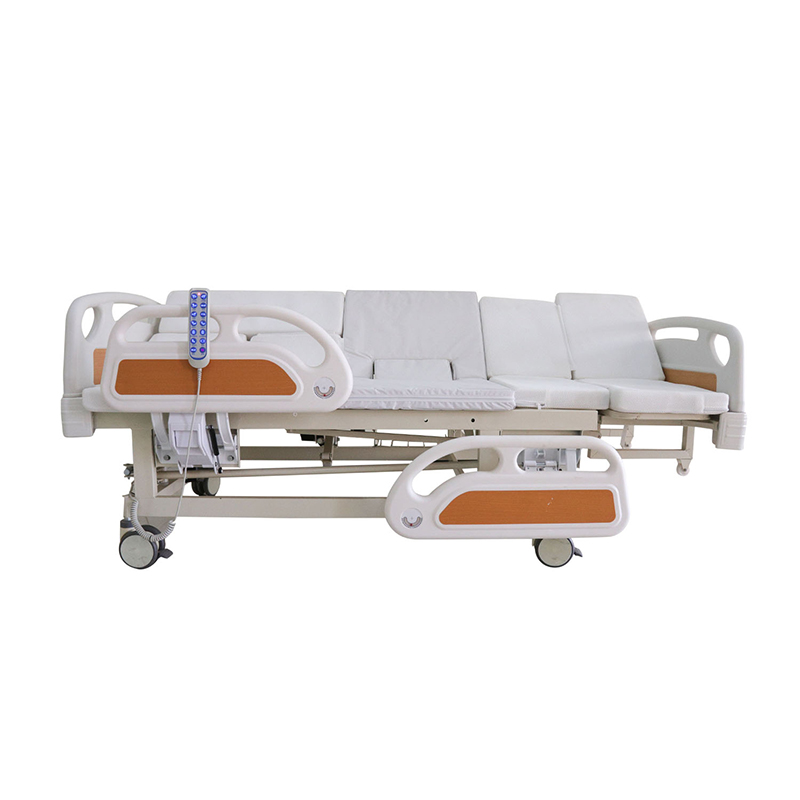
Electric hospital beds use motors and controllers to adjust bed positions. They are suitable for hospitals, nursing homes, rehabilitation centers, and care environments where easier operation is needed.
Before ordering electric beds, buyers should confirm the number of functions, motor quality, control system, voltage, plug type, backup options, and spare parts availability. The buyer should also ask whether the supplier can provide clear operation instructions and after-sales support.
Electric beds may cost more than manual models, but they can improve caregiver efficiency and patient comfort. For many markets, they also support higher-value sales.
Home Care Beds
Home care beds are designed for elderly users, long-term care patients, or home recovery needs. Buyers should confirm appearance, comfort, noise level, mattress compatibility, and ease of installation.
Some buyers prefer wooden-style home care beds because they look warmer in residential environments. Others prefer simple medical-style designs because they are easier to clean and maintain. The best choice depends on the local market and sales channel.
Which Specifications Must Be Checked?
After confirming the bed type, buyers should review the core specifications. These details directly influence safety, user experience, and long-term performance.
Important specifications include overall bed size, sleeping platform size, height range, backrest angle, leg rest angle, load capacity, frame material, side rail type, caster size, and braking system.
Dimensions and Bed Height
Hospital bed dimensions should match patient needs, room size, door width, elevator access, and local market preferences. If a bed is too wide or too long, it may be difficult to install or move. If it is too small, it may reduce comfort.
Bed height is also important. Adjustable height can help caregivers work more comfortably and may improve patient transfer. For home care or elderly care, a suitable low position may also help reduce risk when patients get in or out of bed.
Load Capacity
Load capacity should never be ignored. Buyers should confirm the working load and ask whether the structure is suitable for the expected users. Standard beds may be suitable for most patients, while heavier users may need stronger designs.
For distributors, choosing the right load capacity helps reduce complaints and after-sales issues. It also makes the product easier to recommend to hospitals, clinics, and care facilities.
Adjustable Functions
Buyers should confirm which functions are required. Basic functions may include backrest lifting and leg lifting. More advanced beds may include height adjustment, Trendelenburg, reverse Trendelenburg, side turning, or other special functions.
More functions can increase product value, but unnecessary functions may also increase cost. Buyers should choose functions based on real market demand, not only on product appearance.
How Should Buyers Check Materials and Safety Design?
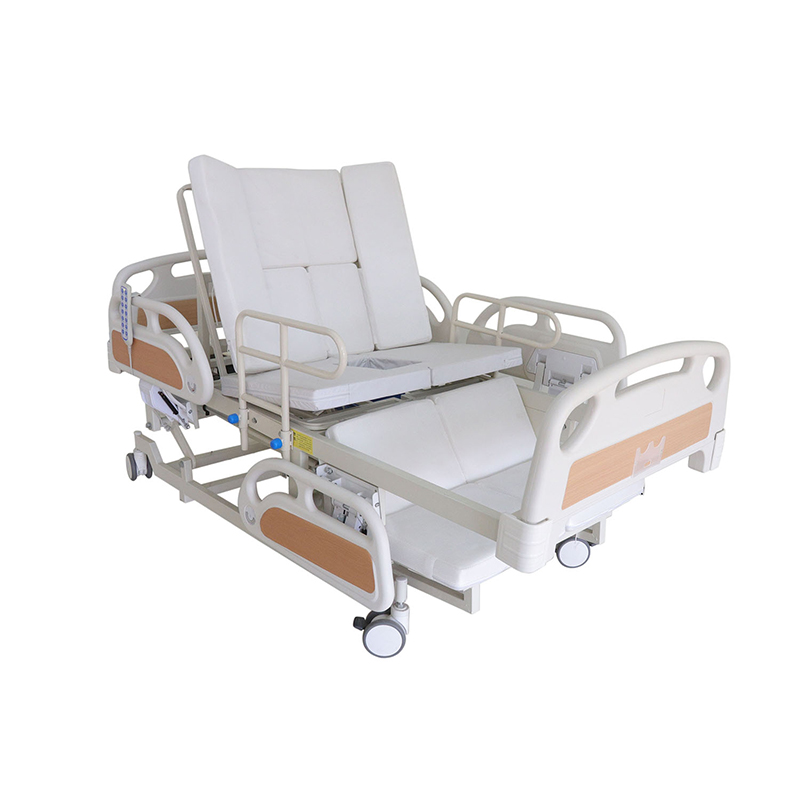
A hospital bed must perform well under repeated daily use. Therefore, the frame, surface treatment, side rails, casters, and brakes should all be checked before ordering.
A strong structure reduces shaking and noise. Good surface treatment improves corrosion resistance. Reliable side rails and brakes help improve safety during care.
Frame and Welding Quality
The frame is the foundation of the bed. Buyers should ask about steel material, tube thickness, welding process, and surface coating. A stable frame helps the bed remain reliable during long-term use.
Welding quality is especially important. Poor welding may cause weak points, unstable movement, or early damage. Buyers can ask for detailed photos or videos to check the structure before mass production.
Surface Treatment
Hospital beds often face cleaning, movement, storage, and shipping. Therefore, surface treatment should resist scratches, rust, and peeling. Powder coating quality should be smooth and even.
For export orders, buyers should also consider sea transportation and warehouse humidity. Good coating and protective packaging can reduce damage before the product reaches the final customer.
Side Rails and Brakes
Side rails help protect patients and support daily care. Buyers should confirm the material, lifting method, locking system, and ease of cleaning. Common options may include ABS side rails or aluminum alloy side rails.
Casters and brakes are equally important. Buyers should check caster size, movement smoothness, brake strength, and whether the bed can remain stable when locked. If beds will be moved frequently, stronger casters are recommended.
What Accessories Should Be Confirmed?
Many buyers do not order only bed frames. They may also need mattresses, IV poles, bedside cabinets, over bed tables, side rails, controllers, motors, casters, and other medical bed accessories.
Confirming accessories early helps buyers avoid mismatch problems. It also allows distributors to offer more complete solutions to hospitals, private clinics, and home care customers.
Mattress Options
The mattress should match the bed platform size and user needs. Buyers should confirm mattress length, width, thickness, material, cover type, and cleaning requirements.
If the mattress is too thin, comfort may be poor. If it is too thick or incorrectly sized, it may affect side rail safety or bed function. For bulk orders, buyers should also confirm whether mattresses are packed together or separately.
Spare Parts and Replacement Needs
Spare parts are important for long-term business. Buyers should ask whether the supplier can provide motors, hand controllers, cranks, casters, side rails, and other replacement parts.
For distributors, spare parts support can reduce after-sales pressure. It also helps build trust with local customers who expect long-term service.
Related Medical Furniture
Some projects require more than hospital beds. Buyers may also need bedside cabinets, over bed tables, rehabilitation products, transfer equipment, or other medical furniture.
Jcare supplies hospital beds, home care beds, rehabilitation products, medical furniture, and medical bed accessories. This product range can help B2B buyers source multiple items from one supplier and simplify communication.
What Should Buyers Confirm About Packaging and Shipping?
Packaging is critical for hospital bed export orders. Hospital beds are large, heavy, and often shipped over long distances. Weak packaging can lead to scratches, dents, missing accessories, or damaged parts.
Buyers should confirm carton strength, foam protection, wooden case options, accessory packing, loading quantity, and container planning.
Packing Method
Buyers should ask whether the bed is shipped fully assembled, semi-assembled, or disassembled. Each method affects loading quantity, installation time, and shipping cost.
Disassembled packing may save space, but it requires clear assembly instructions. Semi-assembled packing may make installation easier but may take more container space. The best method depends on the buyer’s market and service ability.
Container Loading Quantity
Hospital bed price should not be separated from freight cost. A bed with a lower unit price may not be cheaper if its packaging wastes container space.
Buyers should ask the supplier to provide estimated loading quantities for common container types when needed. This helps calculate the real landed cost and compare different quotations more fairly.
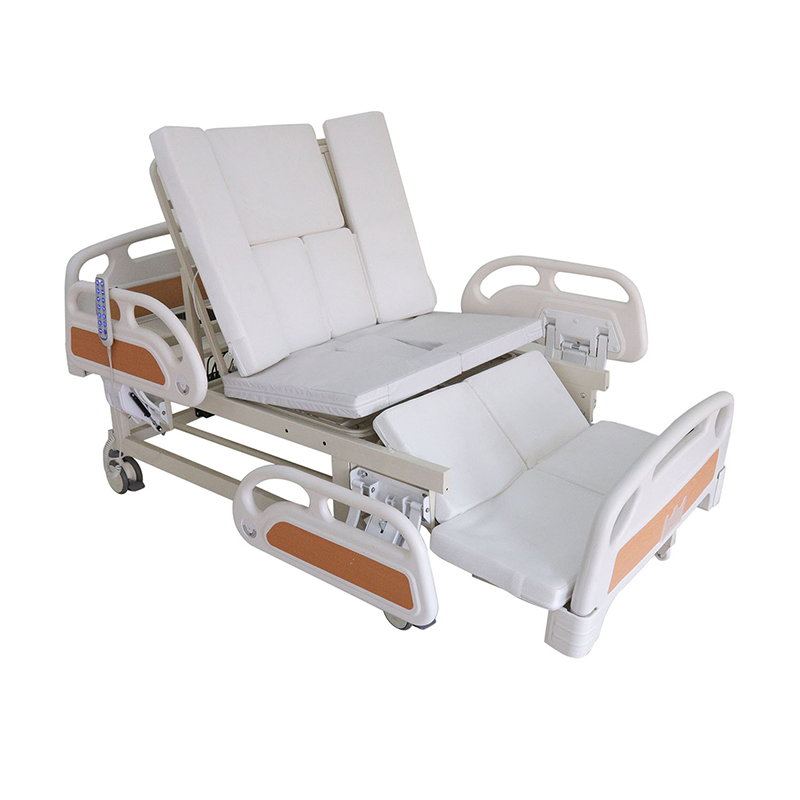
How Can Buyers Verify Quality Before Ordering?
Quality control should be confirmed before mass production. Buyers should not rely only on catalog pictures. They should ask how the supplier controls raw materials, production, assembly, inspection, and packaging.
A professional supplier should provide clear product details and cooperate with reasonable inspection requests.
Sample or Video Confirmation
If possible, buyers can order a sample before a large order. A sample helps verify structure, functions, accessories, color, packaging, and overall workmanship.
If a sample is not practical due to shipping cost, buyers can request videos, detailed photos, production images, or online inspection. These materials help reduce uncertainty before final confirmation.
Pre-Shipment Inspection
Before shipment, buyers should confirm inspection points. These may include motor operation, crank function, bed stability, brake performance, side rail locking, surface finish, accessory quantity, and packaging condition.
For large orders, third-party inspection may also be useful. A reliable supplier should be able to support inspection and provide clear order information.
What Should Buyers Confirm About Lead Time and Inventory?
Lead time is important for hospitals, clinics, distributors, and project buyers. Delayed delivery may affect installation schedules, tender projects, or resale plans.
Before ordering, buyers should ask about current stock, production time, order capacity, and expected shipping schedule.
Stock Availability
If buyers need fast delivery, inventory can be a strong advantage. Ample stock allows suppliers to respond faster to urgent orders and repeat purchases.
Jcare focuses on factory prices, ample inventory, and short delivery time. This can help wholesale buyers reduce waiting time and serve their customers more efficiently.
Production Capacity
For large orders, buyers should confirm whether the supplier can complete production on time. They should also ask how production will be arranged and whether customization will extend the delivery schedule.
Jcare owns a 3000 square meter bearing processing plant, supporting stable supply coordination for B2B buyers. For long-term cooperation, reliable production capacity can make repeat orders easier to plan.
What Customization Details Should Be Confirmed?
Many B2B buyers need customized products. Customization may include logo, color, packaging, manuals, product labels, accessories, or special configurations.
Buyers should confirm customization details before production begins. Changes after production may increase cost or delay delivery.
OEM and ODM Support
OEM support is useful for buyers who want to sell products under their own brand. ODM support can help buyers develop or adjust products for specific market needs.
Before ordering, buyers should confirm MOQ, design requirements, packaging options, and whether customization affects price or lead time.
Product Configuration
Configuration details may include side rail type, headboard design, caster size, mattress option, motor system, controller type, and accessory package.
A clear configuration sheet helps both buyer and supplier avoid mistakes. It also makes future repeat orders easier.
Conclusion
A hospital bed checklist helps buyers confirm the right product before placing an order. Buyers should review bed type, functions, dimensions, load capacity, materials, safety design, accessories, documents, packaging, quality control, lead time, customization, warranty, and supplier experience.
For B2B buyers, this checklist is not only a purchasing tool. It is also a risk-control method that protects budget, delivery, customer satisfaction, and long-term business value.
Jcare is a China-based B2B wholesale supplier of hospital beds, home care beds, rehabilitation products, medical furniture, and medical bed accessories. With factory price advantages, ample inventory, short delivery time, and export experience across major markets, Jcare can support hospitals, private clinics, medical bed purchasers, and home care bed buyers.
If you are planning a hospital bed order, share your target market, quantity, preferred functions, and accessory needs. You can also save or share this checklist with your team before confirming your next bulk purchase.