
Hospitals, nursing homes, rehabilitation centers, and home care providers often ask the same question: what truly makes a medical bed suitable for long-term patient care? Choosing the wrong bed can lead to patient discomfort, increased caregiver workload, safety risks, and higher maintenance expenses. Fortunately, understanding the essential features of a high-quality medical bed helps healthcare facilities improve patient outcomes, enhance operational efficiency, and achieve better long-term value.
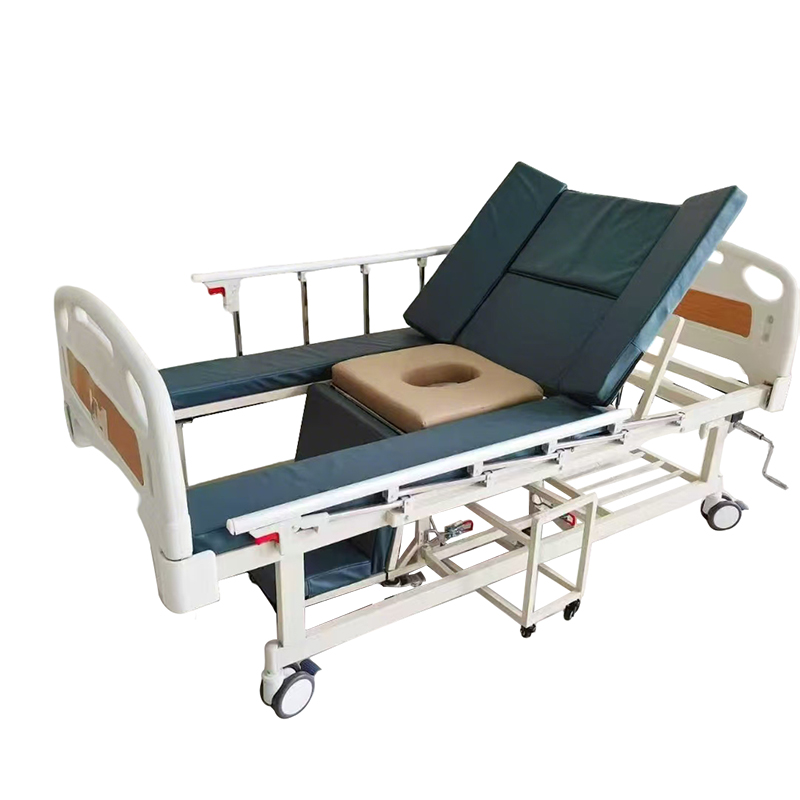
A high-quality medical bed for long-term patient care combines safety, comfort, durability, adjustability, mobility, and caregiver-friendly functionality. Features such as sturdy frame construction, multiple positioning options, pressure relief support, reliable side rails, smooth mobility systems, and easy maintenance contribute to better patient outcomes, reduced caregiver strain, and lower ownership costs over the lifespan of the bed.
The details behind these features determine whether a medical bed merely serves its purpose or truly supports long-term patient well-being.
Questions fréquentes
Why Is Medical Bed Quality So Important for Long-Term Care?
Long-term care patients often spend weeks, months, or even years in a bed. During this period, the bed becomes much more than a piece of furniture—it becomes a critical component of the patient’s care plan.
A poor-quality bed may contribute to discomfort, pressure injuries, mobility challenges, and safety concerns. Healthcare providers may also experience greater difficulty performing routine care tasks.
Conversely, a high-quality medical bed can improve patient comfort, promote recovery, reduce caregiver fatigue, and support safer healthcare delivery.
For hospitals and long-term care facilities, the benefits extend beyond patient satisfaction. Better equipment often leads to lower maintenance costs, fewer equipment failures, and improved operational efficiency.
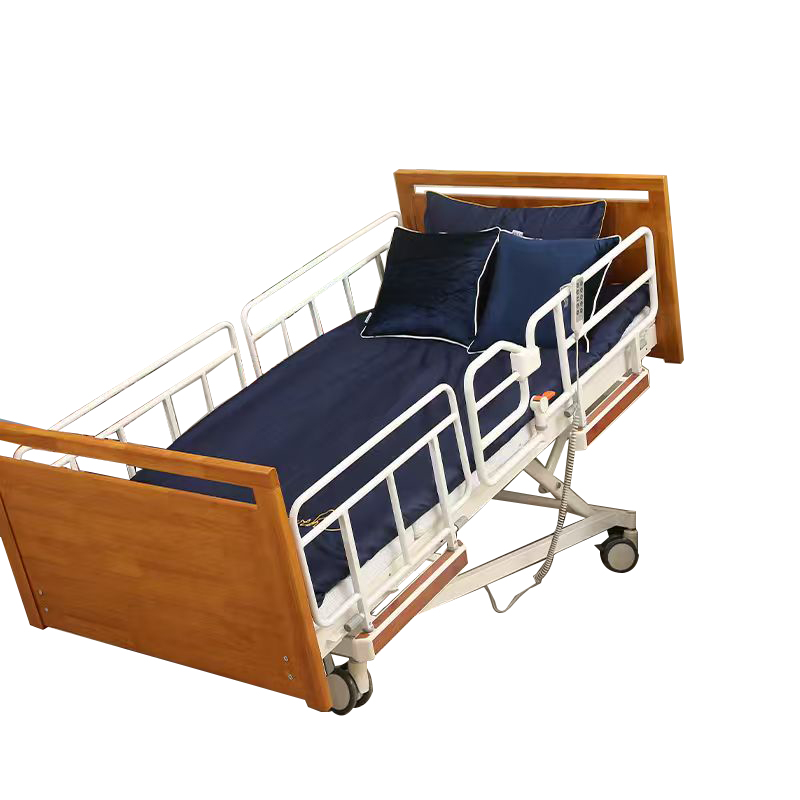
How Does Bed Frame Construction Affect Quality?
The foundation of any medical bed is its frame.
High-Strength Steel Materials
Most premium medical beds utilize high-strength carbon steel or cold-rolled steel. These materials provide exceptional structural integrity and long-term durability.
Les avantages comprennent :
- Increased weight capacity
- Improved stability
- Resistance to bending
- Extended product lifespan
Healthcare facilities often operate beds continuously for many years. Therefore, frame quality directly influences long-term performance.
Precision Welding Technology
A strong frame depends not only on materials but also on manufacturing quality.
Advanced welding techniques help ensure:
- Consistent structural strength
- Reduced risk of frame failure
- Better load distribution
- Enhanced reliability
High-quality manufacturers invest heavily in production technologies that guarantee structural consistency across every bed produced.
Revêtements de protection de surface
Medical environments require frequent cleaning and disinfection.
Powder-coated surfaces provide protection against:
- Corrosion
- Produits chimiques de nettoyage
- Moisture exposure
- Daily wear and tear
These coatings help maintain appearance and functionality throughout years of use.
What Role Does Adjustability Play in Patient Care?
One of the defining characteristics of a modern medical bed is adjustability.
Patients recovering from surgery, managing chronic illnesses, or experiencing mobility limitations often require different positioning throughout the day.
Réglage du dossier
Backrest elevation supports:
- Prendre ses repas
- Lecture
- Watching television
- Respiratory comfort
Patients who remain completely flat for extended periods may experience discomfort and breathing difficulties.
Knee and Leg Elevation
Leg adjustment functions help improve circulation and reduce swelling.
These features are particularly beneficial for:
- Patients âgés
- Post-surgical patients
- Individuals with vascular conditions
- Patients with edema
Réglage de la hauteur
Height adjustment benefits both patients and caregivers.
For patients, lower bed heights reduce fall risks.
For caregivers, proper working height minimizes bending and physical strain during daily care activities.
Fonctions de Trendelenburg et de Trendelenburg inversé
Advanced hospital beds often include specialized positioning functions.
These adjustments may assist with:
- Certain medical treatments
- Circulation management
- Respiratory support
- Confort du patient
Such features are commonly found in intensive care units and high-acuity environments.
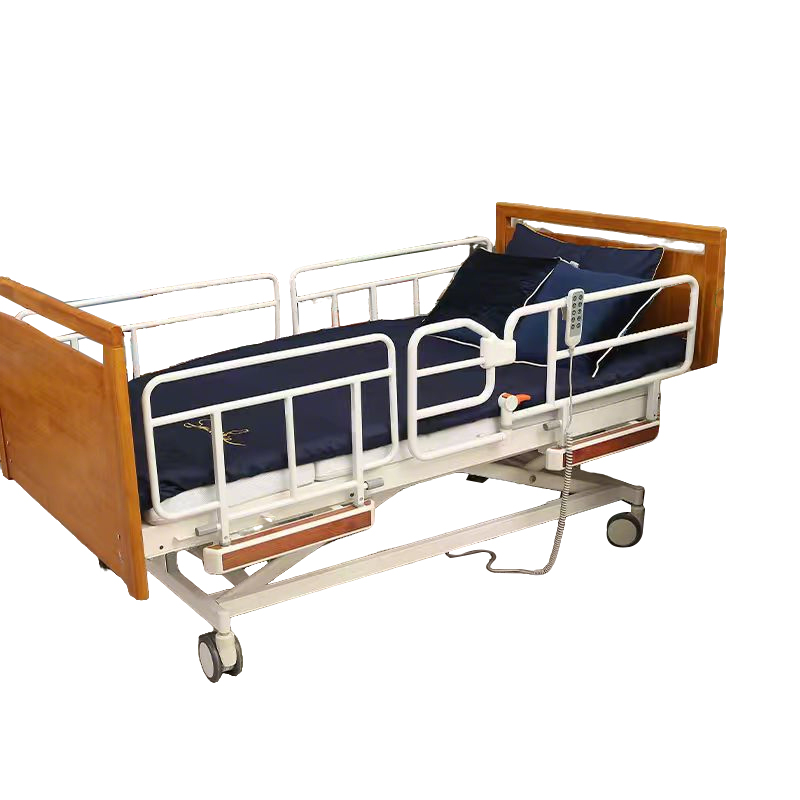
Why Is Patient Comfort Essential for Long-Term Care?
Comfort is not merely a luxury. It is a critical factor affecting patient health and recovery.
Better Sleep Quality
Long-term patients spend substantial amounts of time resting.
A comfortable bed promotes:
- Improved sleep
- Reduced stress
- Better healing
- Enhanced overall well-being
Sleep disturbances can negatively impact recovery outcomes and patient satisfaction.
Pressure Redistribution
Pressure injuries remain a major concern in healthcare settings.
Quality medical beds support advanced mattress systems designed to distribute pressure more evenly.
This helps reduce the likelihood of:
- Skin breakdown
- Pressure ulcers
- Painful pressure points
Stable Bed Platform
A stable sleep surface contributes significantly to comfort.
High-quality beds minimize:
- Excessive movement
- Shaking
- Unwanted noise
Patients feel more secure when the bed remains stable during adjustments and transfers.
Fonctionnement silencieux
Modern electric beds often feature low-noise motors.
Le fonctionnement silencieux est amélioré :
- Qualité du sommeil
- Confort du patient
- Roommate satisfaction
- Overall care environment
What Safety Features Should Every Medical Bed Have?
Patient safety remains a top priority in every healthcare facility.
Barrières latérales
Properly designed side rails help prevent accidental falls while still allowing convenient patient access.
Modern side rails often feature:
- Foldable designs
- Ergonomic operation
- Mécanismes de verrouillage sécurisés
Aluminum alloy side rails are especially popular due to their strength and durability.
Reliable Braking Systems
Bed movement can create significant risks if not properly controlled.
High-quality beds incorporate:
- Systèmes de verrouillage centralisé
- Individual wheel brakes
- Easy-to-use pedal controls
Reliable brakes improve stability during patient transfers and treatment procedures.
Conception anti-pincement
Modern safety standards require careful attention to potential entrapment areas.
Quality beds minimize gaps that could create risks for:
- Limbs
- Clothing
- Medical tubing
Manufacturers continuously improve designs to meet evolving safety requirements.
Emergency Functions
Advanced electric beds may include:
- Systèmes d'alimentation de secours par batterie
- Emergency CPR release functions
- Manual override controls
These features enhance preparedness during emergencies and power outages.
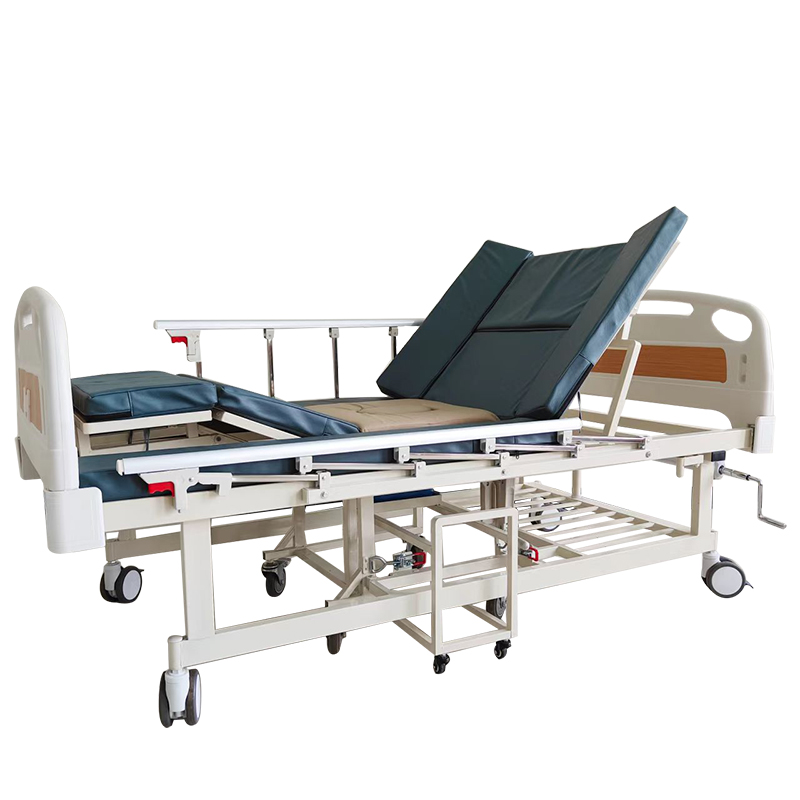
Why Are Electric Medical Beds Preferred for Long-Term Care?
Electric medical beds have become increasingly common in healthcare facilities worldwide.
Reduced Physical Strain on Caregivers
Manual patient repositioning requires significant effort.
Electric adjustment systems help caregivers:
- Save time
- Reduce injuries
- Improve efficiency
- Focus on patient care
This is particularly important in facilities managing large patient populations.
Greater Patient Independence
Many patients appreciate the ability to control their own positioning.
Electric controls allow patients to:
- Adjust their posture
- Increase comfort
- Participate more actively in daily activities
Greater independence often improves emotional well-being.
Improved Care Efficiency
Quick position adjustments enable caregivers to perform tasks more effectively.
Daily activities such as:
- Alimentation
- Dressing changes
- Therapy sessions
- Medical examinations
become easier and safer.
How Important Are Casters and Mobility Systems?
Mobility is frequently overlooked during purchasing decisions.
However, it plays a critical role in daily operations.
Un transport sans encombre
Patients often require movement between:
- Chambres des patients
- Examination areas
- Imaging departments
- Rehabilitation facilities
Quality casters ensure smooth transportation while minimizing discomfort.
Central Locking Systems
Premium medical beds commonly feature centralized brake controls.
Les avantages comprennent :
- Improved safety
- Faster operation
- Better stability
Caregivers can secure all wheels with a single action.
Long-Term Durability
High-quality wheels withstand years of continuous movement.
Durable casters reduce:
- Coûts d'entretien
- Temps d'arrêt des équipements
- Fréquence de remplacement
How Do Medical Bed Accessories Improve Functionality?
Accessories transform a standard bed into a comprehensive patient care platform.
Barrières latérales
Modern side rails support both safety and convenience.
IV Poles
Integrated IV poles provide flexibility for patient treatment and mobility.
Overbed Tables
These accessories support:
- Meals
- Lecture
- Writing
- Activités de rééducation
Bedside Storage Solutions
Convenient storage helps patients keep essential items within reach.
What Should Healthcare Buyers Look for in a Manufacturer?
Selecting the right manufacturer is just as important as choosing the right bed.
Expérience en matière de fabrication
Experienced manufacturers understand healthcare requirements and industry standards.
Capacité de production
Reliable production capacity helps ensure:
- Consistent supply
- Timely deliveries
- Stable quality
This is particularly important for large procurement projects.
Quality Control Systems
Comprehensive quality control includes:
- Material inspections
- Production monitoring
- Final product testing
Strong quality management reduces defects and improves reliability.
International Export Experience
Manufacturers serving multiple international markets often understand diverse customer requirements and compliance expectations.
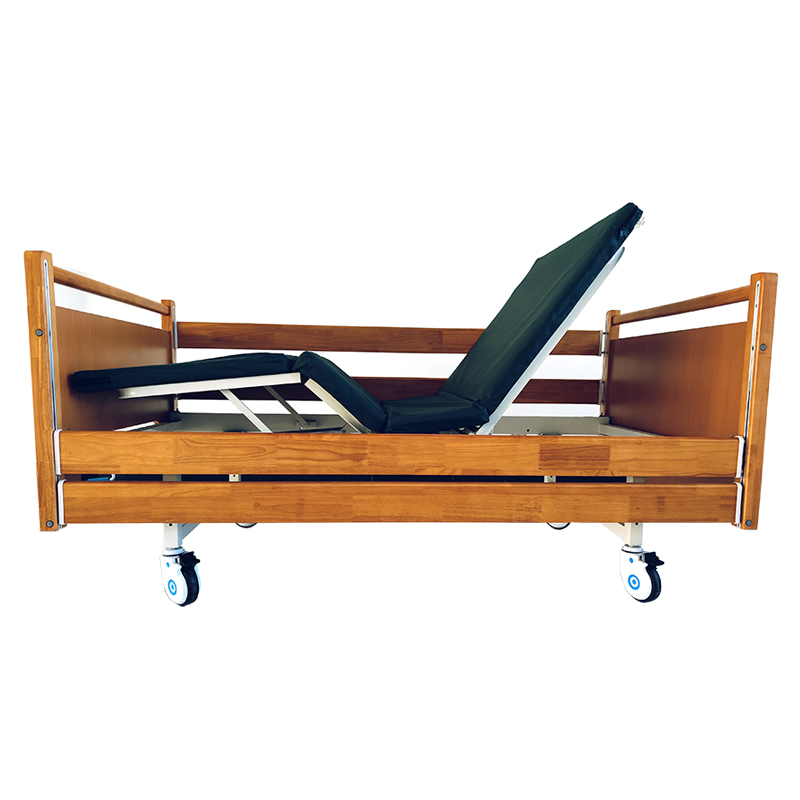
How Does Durability Influence Total Cost of Ownership?
Some buyers focus exclusively on purchase price.
However, long-term value depends on total ownership cost.
A durable medical bed typically provides:
- Fewer repairs
- Lower maintenance expenses
- Durée de vie prolongée
- Better operational reliability
While premium beds may require a higher initial investment, they often generate significant savings over time.
Healthcare facilities should evaluate:
- Expected lifespan
- Service requirements
- Disponibilité des pièces de rechange
- Fréquence d'entretien
rather than considering purchase price alone.
Why Are Multifunctional Medical Beds Becoming More Popular?
Healthcare environments continue to evolve.
Modern facilities increasingly seek equipment capable of supporting diverse patient needs.
Multifunctional beds offer:
Greater Clinical Flexibility
Different patients require different care approaches.
A multifunctional bed can adapt to:
- Acute care
- Rééducation
- Long-term care
- Environnements de soins à domicile
Improved Space Utilization
Facilities can serve a wider range of patients without purchasing multiple specialized bed types.
Better Return on Investment
Versatile equipment often provides stronger long-term value.
How Can Jcare Support Global Medical Bed Buyers?
As a professional medical bed manufacturer in China, Jcare provides comprehensive solutions for healthcare facilities, distributors, wholesalers, and procurement organizations worldwide.
Our strengths include:
Factory-Direct Pricing
Direct manufacturing reduces unnecessary costs and improves competitiveness.
Capacité de production stable
Our 3,000-square-meter manufacturing facility supports reliable production schedules.
Livraison rapide
Efficient manufacturing processes help meet project deadlines and urgent procurement requirements.
Wide Product Portfolio
Jcare offers:
- Hospital beds
- Electric medical beds
- Manual medical beds
- Lits de soins à domicile
- Rehabilitation products
- Medical furniture
- Medical bed accessories
Global Export Experience
We serve customers across:
- Inde
- Asie du Sud-Est
- Moyen-Orient
- L'Europe
- United States
- Japon
- Corée du Sud
This international experience enables us to understand diverse market needs and healthcare requirements.
Conclusion
A high-quality medical bed for long-term patient care must deliver much more than basic functionality. The best medical beds combine durable construction, advanced adjustability, superior safety features, patient comfort, smooth mobility, and caregiver-friendly operation. These characteristics directly influence patient outcomes, staff efficiency, and long-term operational costs.
For hospitals, nursing homes, rehabilitation centers, distributors, and healthcare procurement professionals, investing in quality medical beds is an investment in better care and stronger long-term value. By partnering with experienced manufacturers such as Jcare, buyers can secure reliable products that meet the demanding needs of modern healthcare environments.
What features do you consider most important when selecting a medical bed for long-term care? Share your thoughts, experiences, or questions in the comments, and feel free to share this article with colleagues who may find it useful.