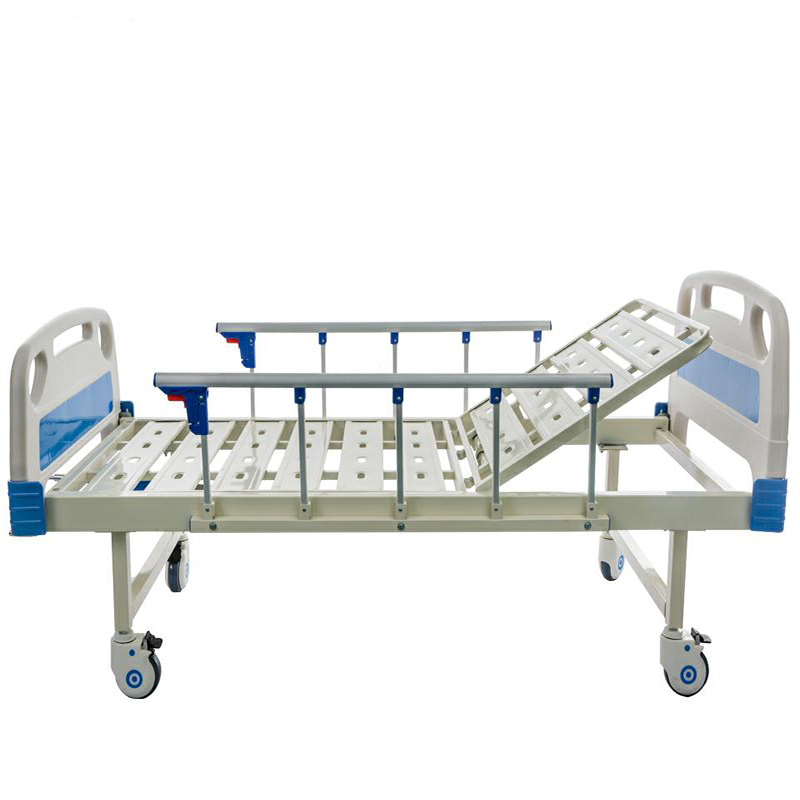
Families searching for a hospital bed for home care and rehabilitation often struggle to understand which model ensures safety, comfort, and long-term recovery efficiency. This confusion can lead to poor purchasing decisions that affect both patients and caregivers. Choosing the right hospital bed requires understanding product types, medical needs, and supplier reliability.
The best hospital bed for home care and rehabilitation is generally a full electric adjustable hospital bed equipped with multi-position functionality, reinforced steel structure, safety side rails, and compatibility with pressure-relief mattresses. It offers maximum comfort, safety, and caregiver convenience. However, semi-electric beds suit medium-term recovery and budget balance, while manual beds are best for short-term or low-care situations. The ideal choice depends on patient mobility level, care duration, and clinical condition.
To choose correctly, it is necessary to understand hospital bed categories, features, clinical applications, and procurement considerations in detail.
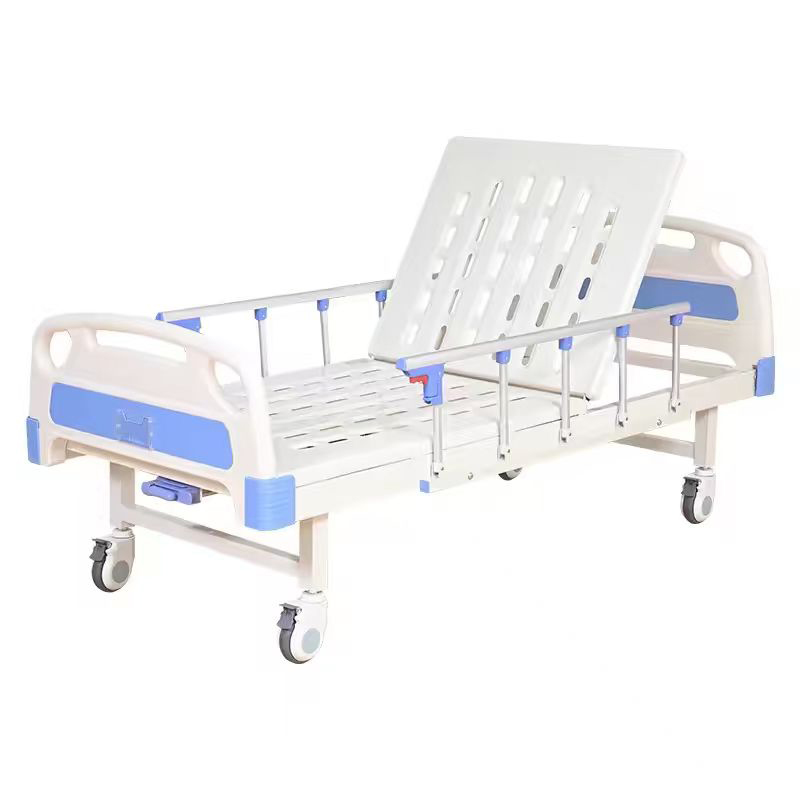
People Also Ask: Complete Guide to Choosing the Best Hospital Bed
Understanding Hospital Beds for Home Care and Rehabilitation.
A hospital bed for home care is a medically engineered bed designed to support patients who need continuous or semi-continuous care outside a hospital environment. Unlike standard home beds, hospital beds integrate mechanical, electrical, and ergonomic systems that allow caregivers to adjust patient positioning safely and efficiently.
These beds are widely used in:
- Home rehabilitation after surgery
- Elderly long-term care
- Stroke and neurological recovery
- Fracture and mobility impairment recovery
- Gestion des maladies chroniques
In modern healthcare systems, especially across Asia, Europe, and North America, early discharge policies have increased the importance of home care infrastructure. As a result, hospital beds have become essential medical equipment rather than optional furniture.
A proper hospital bed supports:
- Safe posture adjustment
- Pressure redistribution
- Assisted feeding and hygiene
- Allègement de la charge de travail des soignants
- Faster rehabilitation outcomes
Without the right bed, patients are at higher risk of complications such as pressure ulcers, muscle stiffness, poor circulation, and respiratory issues.
Why Choosing the Right Hospital Bed Matters So Much
Selecting a hospital bed is not just a product decision—it directly impacts medical outcomes, caregiver workload, and long-term healthcare costs.
Medical Impact on Patients
A well-designed hospital bed helps improve:
- Blood circulation through regular repositioning
- Respiratory function through upper body elevation
- Digestive comfort during feeding
- Joint flexibility during recovery
- Pressure distribution to prevent bedsores
For immobile patients, incorrect positioning can lead to severe complications within days.
Caregiver Efficiency and Safety
Caregivers often face:
- Heavy lifting injuries
- Fatigue from manual repositioning
- Difficulty maintaining hygiene
- Increased stress and workload
Electric hospital beds significantly reduce physical strain by allowing remote-controlled adjustments.
Economic Impact for Families and Institutions
A poor hospital bed choice can lead to:
- Additional medical expenses
- Increased caregiver requirements
- Bed replacement costs
- Higher hospital readmission risk
A high-quality bed is a long-term cost-saving asset.
Emotional and Quality-of-Life Impact
Patients using proper hospital beds experience:
- Greater independence
- Une meilleure qualité de sommeil
- Improved dignity and comfort
- Reduced anxiety during recovery
This emotional improvement is often overlooked but critically important.
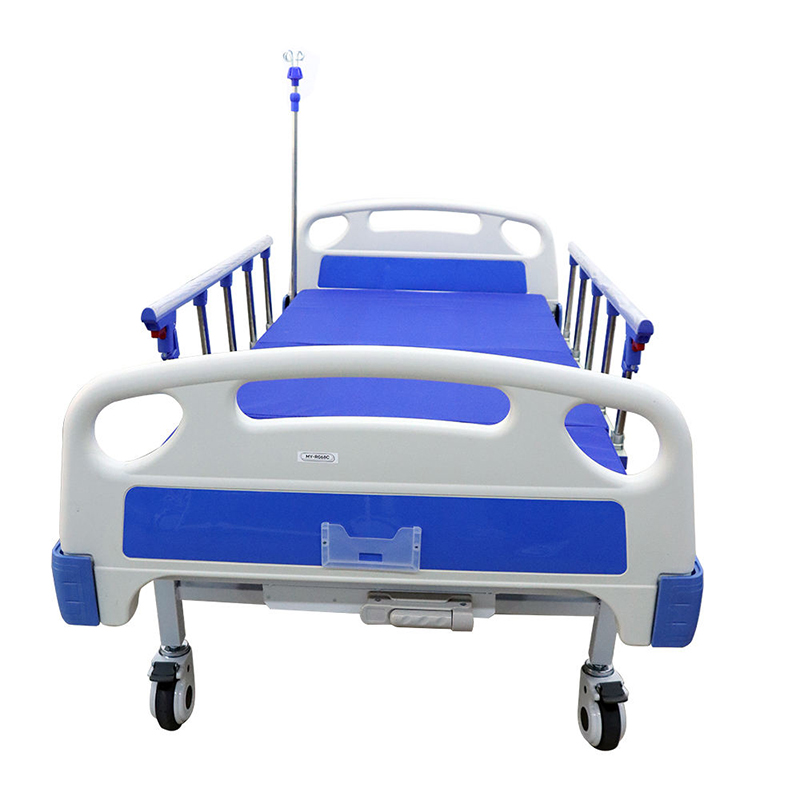
Full Classification of Hospital Beds for Home Care
Understanding hospital bed types is essential before purchasing.
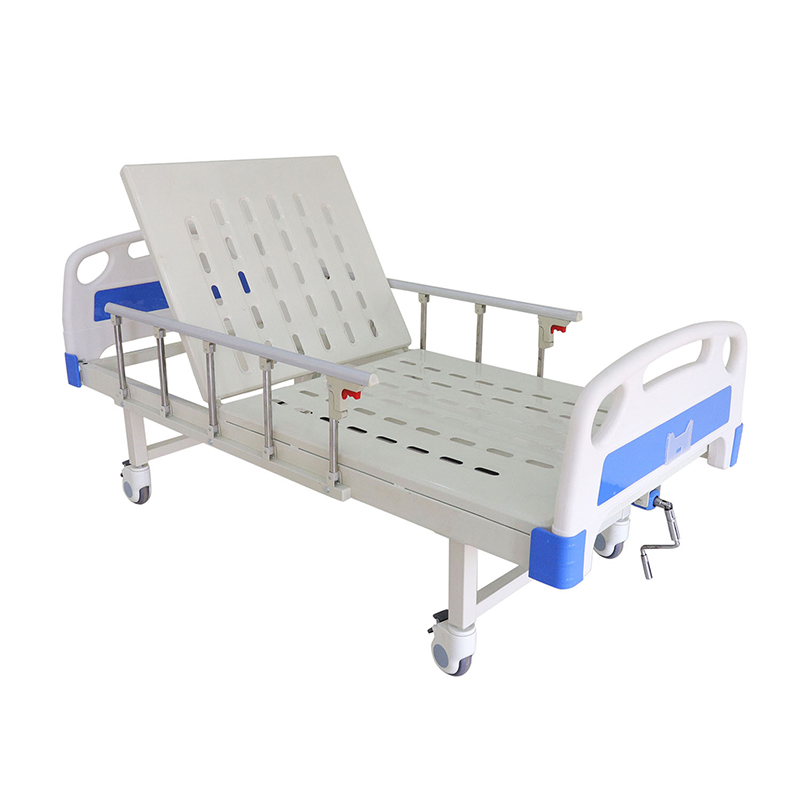
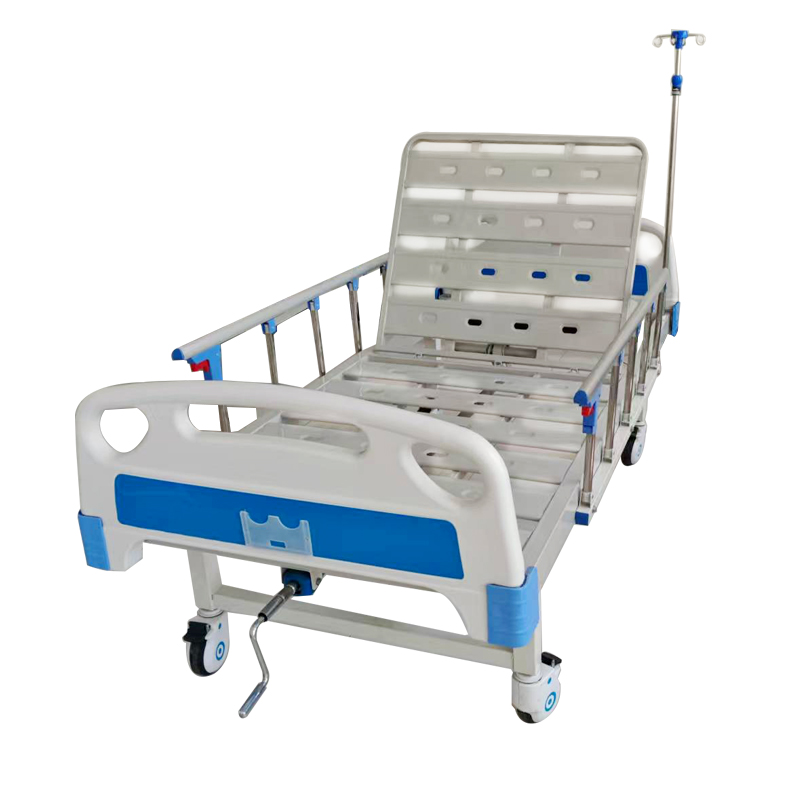
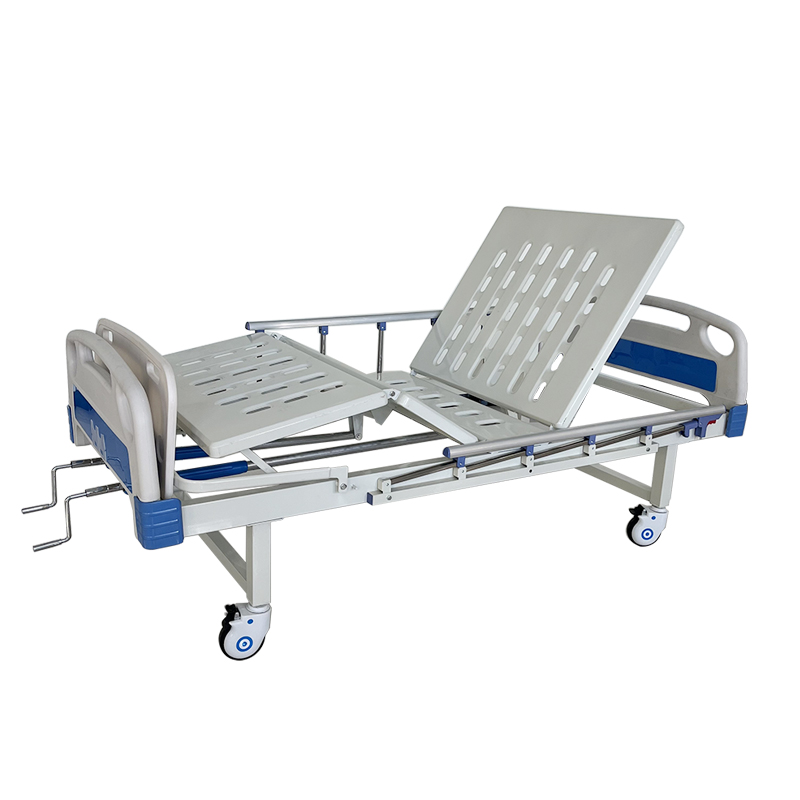
Lits d'hôpital à commande manuelle
Manual hospital beds are mechanically operated using hand cranks.
Key Functions:
- Réglage du dossier
- Élévation des jambes
- Sometimes height adjustment
Avantages :
- Lowest cost entry point
- Simple structure
- No electricity required
- Easy to maintain and repair
Limites :
- Requires physical effort from caregiver
- Des réglages qui prennent beaucoup de temps
- Not suitable for frequent repositioning
- Less comfortable for long-term care
Ideal Users:
- Short-term recovery patients
- Emergency home care
- Low-budget buyers
- Temporary injury cases
Manual beds are widely used in developing healthcare markets due to affordability.
Lits d'hôpital semi-électriques
Semi-electric beds combine motorized and manual functions.
Typically:
- Electric: backrest + leg section
- Manual: bed height adjustment
Avantages :
- More comfortable than manual beds
- Lower cost than full electric beds
- Suitable for moderate care needs
- Allègement de la charge pesant sur les aidants
Limites :
- Partial manual operation required
- Slower compared to full electric systems
- Limited advanced positioning features
Ideal Users:
- Récupération postopératoire
- Medium-term rehabilitation
- Home care with moderate caregiver support
- Budget-conscious institutions
Semi-electric beds are the most commonly purchased type in global mid-tier markets.
Full Electric Hospital Beds (Premium Solution)
Full electric hospital beds are fully motorized systems controlled by remote or control panel.
Functions:
- Réglage du dossier
- Élévation des jambes
- Réglage de la hauteur
- Trendelenburg positioning (advanced models)
- Auto-contour positioning
Avantages :
- Maximum patient comfort
- Full caregiver automation
- Fast and precise adjustments
- Ideal for frequent repositioning
- Safer for elderly users
Limites :
- Higher initial cost
- Requires electricity
- Slightly higher maintenance complexity
Ideal Users:
- Elderly long-term care
- Stroke or paralysis patients
- Severe mobility limitations
- Intensive rehabilitation programs
- Premium home care environments
This category is widely considered the best overall hospital bed type.
Essential Features That Define the Best Hospital Bed
A high-quality hospital bed is defined by multiple technical and structural features.
Multi-Function Adjustment System
The most important feature is positioning flexibility.
A high-quality bed should support:
- Upright sitting position
- Semi-reclined resting position
- Flat sleeping position
- Élévation des jambes
- Clinical positioning modes
This supports both comfort and medical treatment.
Safety Side Rail System
Side rails are essential for patient protection.
Key requirements:
- Strong locking mechanism
- Easy foldability
- Anti-slip surface
- Durable metal structure
They prevent accidental falls, especially for elderly patients.
Mattress System Compatibility
Hospital beds must support specialized medical mattresses such as:
- Memory foam pressure relief mattresses
- Alternating air pressure mattresses
- Gel-based medical mattresses
Without proper mattress compatibility, bedsores become a serious risk.
Structural Strength and Load Capacity
A professional hospital bed uses:
- Reinforced steel frame
- Anti-bending structural design
- High load capacity (often 200–300kg+)
This ensures long-term durability and patient safety.
Mobility System (Medical Wheels)
Hospital beds often include caster wheels.
Caractéristiques importantes :
- Silent operation
- 360-degree rotation
- Strong braking system
- Floor-safe materials
Hygiene-Friendly Design
Medical environments require strict hygiene control.
Best designs include:
- Anti-rust coating
- Waterproof surfaces
- Smooth welds
- Easy cleaning structure
Electrical System Quality (for Electric Beds)
High-end electric beds include:
- Low-noise motors
- Emergency power systems
- Protection contre les surcharges
- Stable voltage design
Motor quality directly affects product lifespan.
Best Hospital Bed by Patient Condition
Elderly Home Care
Best choice: Full electric hospital bed
Why:
- Simple remote operation
- Improves safety
- Reduces caregiver dependence
Post-Surgical Recovery
Best choice: Semi-electric hospital bed
Why:
- Balanced cost and function
- Supports short-to-medium recovery
- Easy adjustment
Long-Term Bedridden Patients
Best choice: Full electric bed + air mattress system
Why:
- Prevents pressure ulcers
- Supports continuous repositioning
- Reduces complications
Short-Term Injury Patients
Best choice: Manual hospital bed
Why:
- Low cost
- Fonctionnement simple
- Short usage cycle
Neurological Rehabilitation (Stroke/Paralysis)
Best choice: Full electric hospital bed
Why:
- Frequent repositioning required
- High safety needs
- Assisted movement support
Common Mistakes When Buying Hospital Beds
Only Comparing Price
Low-cost beds often compromise safety and durability.
Ignoring Medical Condition
Each condition requires different positioning functions.
Overlooking Caregiver Needs
A hospital bed should reduce labor, not increase it.
Ignoring Mattress System
Mattress quality is critical for preventing complications.
Choosing Non-Industrial Suppliers
Medical beds require certified manufacturing standards.
Why Manufacturer Selection Is Critical
Hospital bed quality depends heavily on:
- Production engineering capability
- Welding and steel processing quality
- Motor and electronic component sourcing
- Quality inspection systems
- Export compliance standards
For B2B buyers, supplier reliability determines long-term success.
About Jcare – Global Medical Bed Manufacturer
Jcare is a professional manufacturer focusing on hospital beds, home care beds, rehabilitation equipment, and medical furniture.
With a 3000-square-meter production facility, Jcare provides scalable manufacturing capacity and stable global supply.
Core Strengths:
- Factory-direct wholesale pricing (B2B only)
- Large production and inventory capacity
- Fast delivery cycles
- Strong export experience across global markets
- Full product ecosystem: hospital beds, accessories, rehabilitation furniture
Export Markets:
- Inde
- Moyen-Orient
- Asie du Sud-Est
- L'Europe
- ÉTATS-UNIS
- Japon
- Corée du Sud
Target Customers:
- Hôpitaux
- Cliniques
- Distributors
- Importers
- Centres de réadaptation
Global Hospital Bed Industry Trends
Aging Population Growth
Global aging increases demand for home care beds.
Shift Toward Home Healthcare
Hospitals discharge patients earlier, increasing home care reliance.
Smart Medical Bed Technology
Future beds include:
- Sensors
- AI monitoring
- Remote health tracking
Expansion in Emerging Markets
Rapid growth in India, Southeast Asia, and Africa drives demand.
Increasing Demand for Modular Beds
Portable and modular hospital beds are becoming popular.
Procurement Guide for B2B Buyers
For distributors and healthcare institutions, consider:
- MOQ (minimum order quantity)
- Certification requirements
- Disponibilité des pièces de rechange
- Delivery timelines
- Service après-vente
- OEM/ODM customization options
Working with a factory ensures better pricing and stable supply chain control.
Conclusion
The best hospital bed for home care and rehabilitation depends on patient condition, care duration, and caregiver capability. Full electric beds remain the most advanced and effective option, while semi-electric and manual beds serve specific needs based on budget and usage scenarios.
Choosing the right hospital bed improves recovery outcomes, enhances patient safety, and reduces caregiver stress significantly. For hospitals, clinics, and distributors, selecting a reliable manufacturer is equally important as choosing the product itself.
A professional supplier like Jcare ensures factory-level quality, stable supply, and scalable B2B solutions for global medical markets.