
Many hospitals, clinics, and home care providers struggle to understand what truly makes an adjustable hospital bed reliable, safe, and comfortable. Choosing poorly engineered beds can lead to patient discomfort, caregiver injuries, equipment failures, and costly maintenance issues. By understanding the engineering behind adjustable hospital beds, buyers can select safer, more durable, and more efficient medical bed solutions for modern healthcare environments.
The engineering behind adjustable hospital beds combines durable steel structures, electric actuator systems, ergonomic positioning, safety mechanisms, and intelligent electronic controls to improve patient comfort, caregiver efficiency, and medical safety. Modern adjustable hospital beds use precision motors, reinforced frames, advanced caster systems, and smart positioning technology to support rehabilitation, long-term care, intensive treatment, and efficient patient management in hospitals and home care environments.
Modern hospital beds are no longer simple furniture. Their engineering directly affects patient recovery, operational efficiency, and healthcare safety.
What Is the Engineering Behind Adjustable Hospital Beds?
Adjustable hospital beds are highly engineered medical devices designed to support patient treatment, rehabilitation, mobility, and caregiver efficiency. Unlike traditional beds, adjustable medical beds can change positions electronically or manually to improve comfort and medical functionality.
The engineering process combines multiple disciplines, including:
- Mechanical engineering
- Electrical engineering
- Ergonomic design
- Material science
- Medical safety engineering
- Intelligent electronic integration
Every component must work together smoothly while meeting strict medical safety and durability standards.
Modern adjustable hospital beds are widely used in:
- Hôpitaux
- Unités de soins intensifs
- Centres de réadaptation
- Maisons de retraite
- Cliniques privées
- Environnements de soins à domicile
As healthcare demands continue increasing worldwide, manufacturers are developing more advanced bed systems that improve patient outcomes and reduce caregiver workload.
How Do Adjustable Hospital Beds Work?
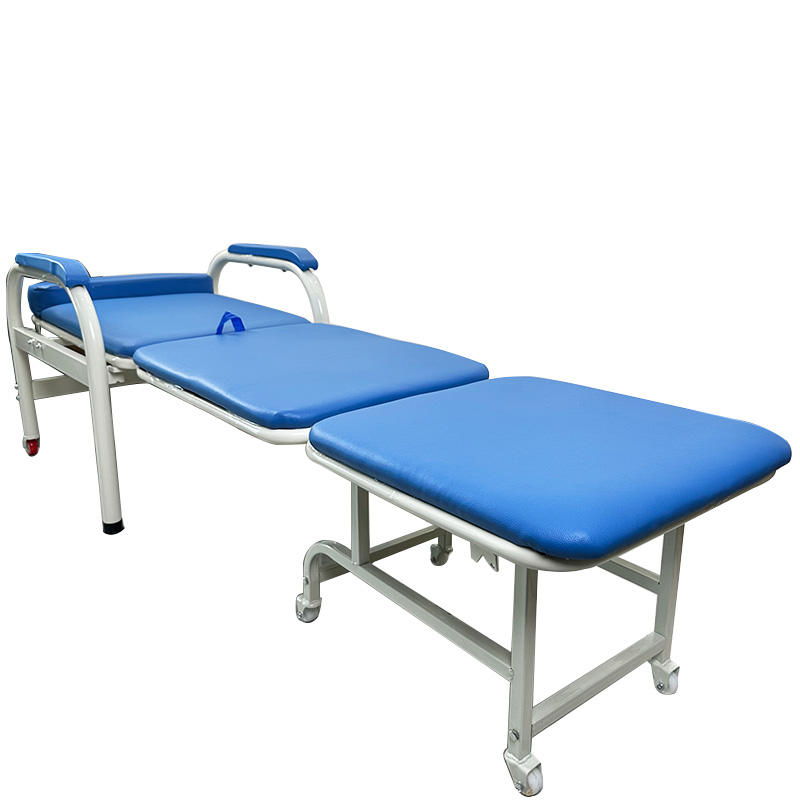
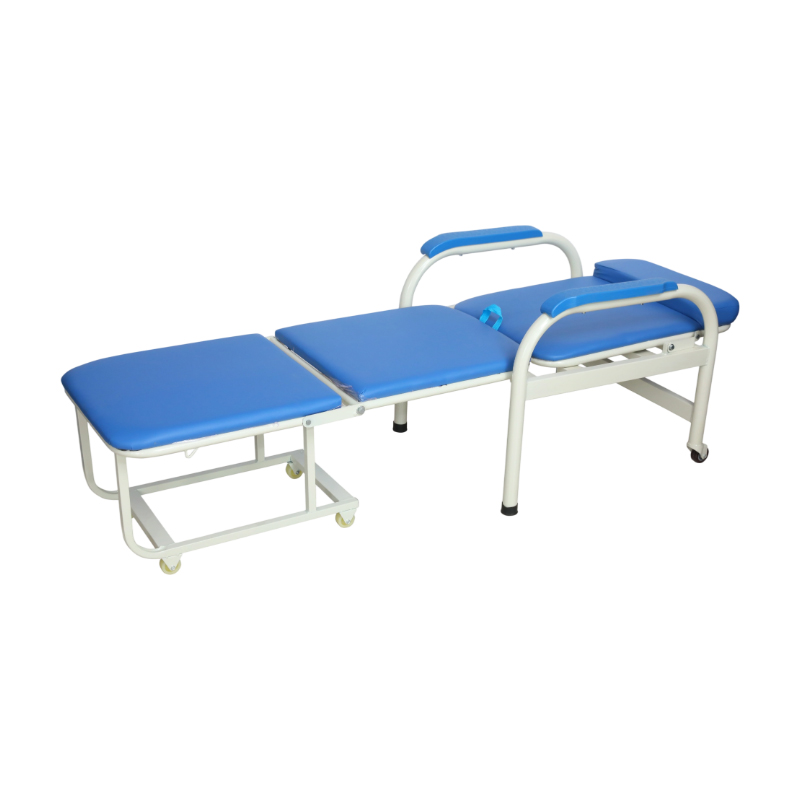
The core function of an adjustable hospital bed is controlled movement. This movement allows caregivers and patients to reposition the bed platform for treatment, comfort, and recovery support.
Most modern hospital beds use electric linear actuators connected to different bed sections. These actuators convert electrical energy into mechanical motion, enabling smooth adjustments.
Common adjustable functions include:
- Élévation du dossier
- Leg section elevation
- Positionnement du genou
- Réglage de la hauteur du lit
- Position de Trendelenburg
- Position de Trendelenburg inversée
- Chair positioning
The bed’s electronic control system sends commands to the actuators, which then move the corresponding bed sections precisely and safely.
Manual hospital beds operate differently. Instead of electric motors, they use crank systems that require physical effort from caregivers. Although manual beds are more affordable, electric hospital beds provide greater efficiency and patient convenience in modern healthcare settings.
What Materials Are Used in Adjustable Hospital Bed Engineering?
Material selection is critical in hospital bed manufacturing because medical environments demand high durability, hygiene, and structural stability.
High-Strength Steel Frames
Most adjustable hospital beds use cold-rolled steel or carbon steel frames due to their excellent load-bearing capacity and structural strength.
Steel frames provide:
- Long-term durability
- High weight capacity
- Resistance to deformation
- Stable patient support
- Improved equipment lifespan
Powder-coated steel surfaces also improve corrosion resistance and simplify cleaning and disinfection.
Heavy-duty bariatric hospital beds often use reinforced steel structures to support higher patient weight capacities safely.
ABS Plastic Components
Many modern hospital beds use ABS plastic for headboards, footboards, and side rails.
ABS plastic offers several engineering advantages:
- Lightweight construction
- Impact resistance
- Easy sanitization
- Smooth surface finishing
- Better appearance
The use of ABS materials helps reduce overall bed weight while maintaining excellent durability.
Aluminum Alloy Side Rails
Premium adjustable beds frequently use aluminum alloy foldable side rails because aluminum combines lightweight performance with strong corrosion resistance.
These side rails improve:
- Sécurité des patients
- Caregiver convenience
- Facilité d'utilisation
- Fiabilité à long terme
Aluminum engineering also helps reduce maintenance requirements in busy medical environments.
Why Are Electric Actuators Important in Adjustable Hospital Beds?
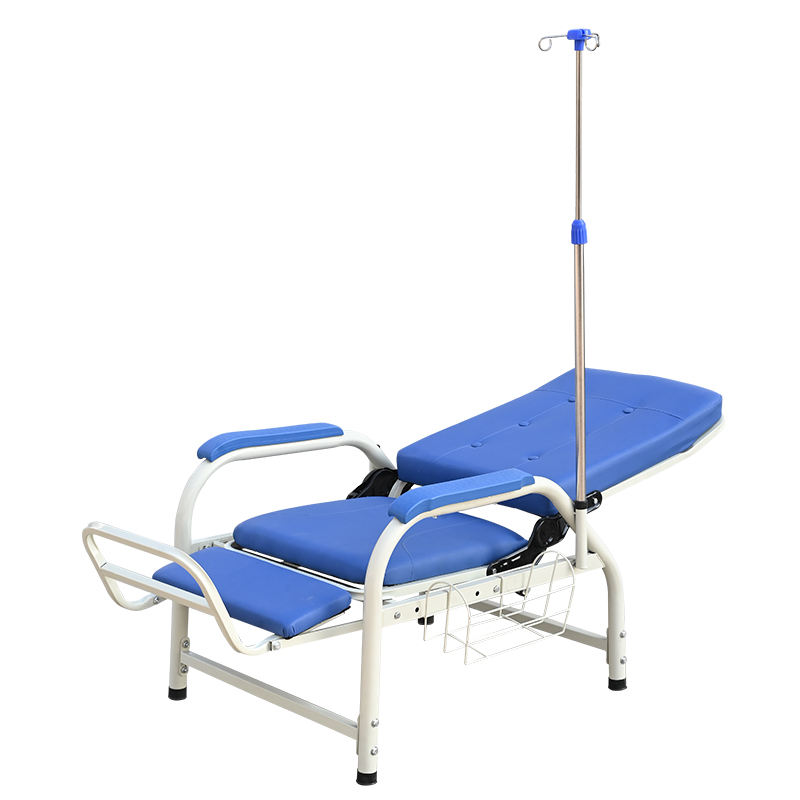
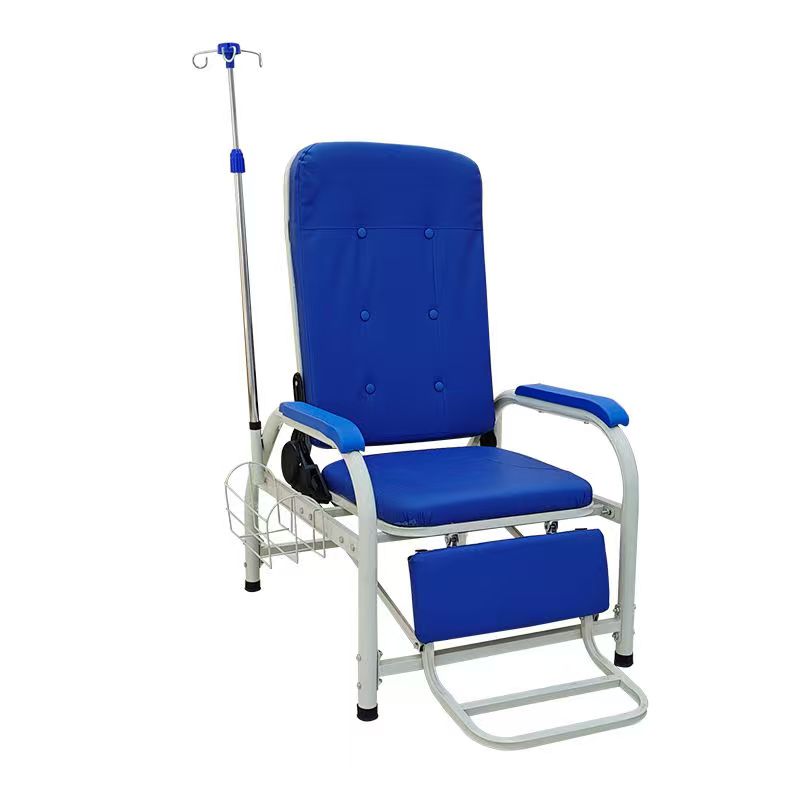
Electric actuators are among the most important engineering components in modern adjustable hospital beds. They are responsible for controlling bed movement smoothly, quietly, and accurately.
An actuator system usually includes:
- Electric motors
- Gear systems
- Linear drive mechanisms
- Position sensors
- Electronic control modules
These components work together to achieve stable and precise motion.
Amélioration du confort du patient
Electric actuators allow patients to adjust positions without sudden movement or discomfort. This is especially important for elderly patients, rehabilitation patients, and individuals with mobility limitations.
Allègement de la charge de travail des aidants
Automated positioning reduces the need for manual lifting and repositioning, lowering caregiver fatigue and injury risks.
Precise Positioning Support
Modern actuators provide highly accurate angle control that supports:
- Better circulation
- Improved breathing
- Reduced pressure points
- Easier feeding
- More effective rehabilitation
Fonctionnement silencieux
Advanced actuator systems operate quietly, creating a calmer healthcare environment that supports patient recovery and sleep quality.
How Does Ergonomic Engineering Improve Hospital Beds?
Ergonomics is a major part of adjustable hospital bed engineering because both patients and caregivers rely on the bed for daily activities and treatment.
Height Adjustment Engineering
Electric height adjustment systems allow caregivers to work at safer and more comfortable positions.
Les avantages comprennent :
- Reduced back strain
- Easier patient transfer
- Better treatment access
- Amélioration de l'efficacité des processus de travail
Ultra-low bed designs also help reduce fall-related injuries for elderly patients.
Système d'aide à la redistribution de la pression
Many adjustable hospital beds are designed to reduce pressure ulcer risks by improving pressure distribution across the mattress platform.
This engineering may include:
- Flexible support sections
- Systèmes de positionnement réglables
- Compatibility with pressure-relief mattresses
- Weight distribution optimization
These features are especially valuable for long-term bedridden patients.
Mobility Assistance Features
Some rehabilitation and home care beds include specialized engineering features that help patients move more independently.
En voici quelques exemples :
- Standing assistance systems
- Rotating bed functions
- Modes de positionnement de la chaise
- Bed exit assistance
These functions improve rehabilitation efficiency while supporting patient independence.
What Safety Features Are Engineered Into Adjustable Hospital Beds?
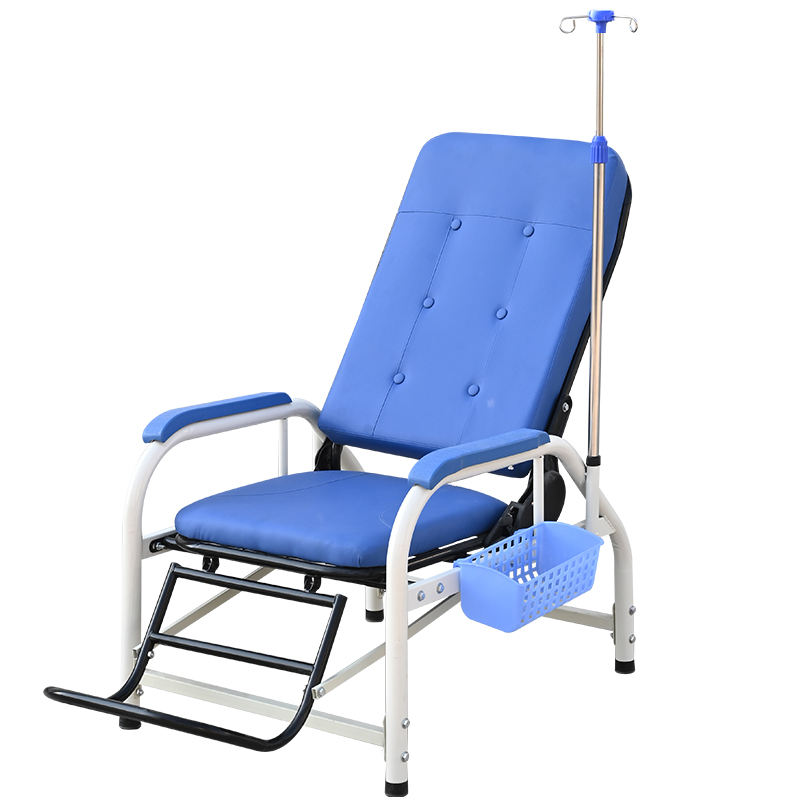
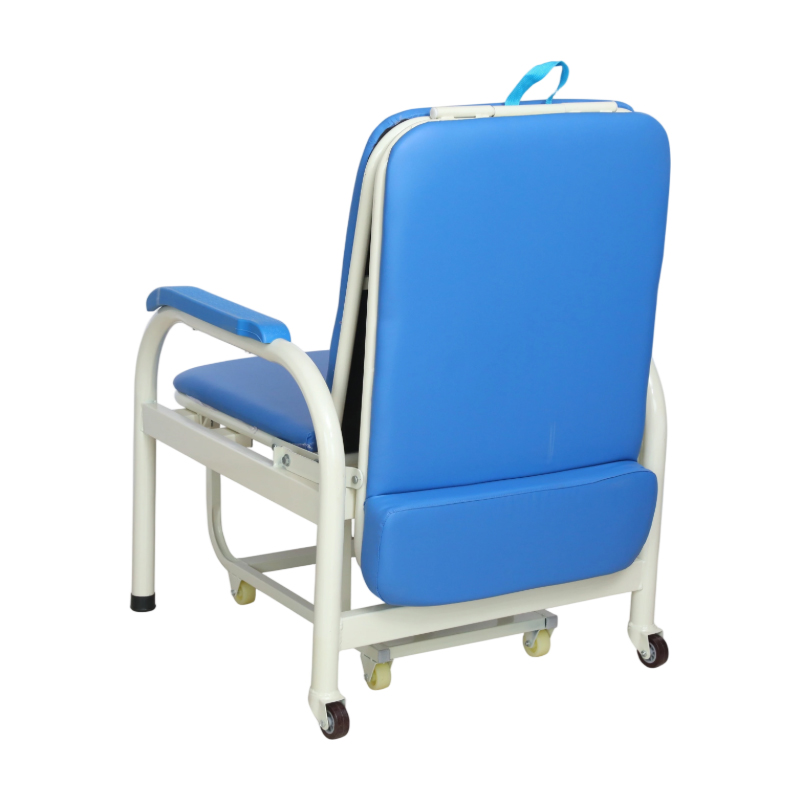
Safety engineering is essential in hospital bed manufacturing because patient protection is always a top priority.
Side Rail Protection Systems
Foldable side rails help prevent accidental falls while allowing quick caregiver access when necessary.
Modern side rail engineering may include:
- Mécanismes de verrouillage
- Anti-pinch designs
- Quick-release functions
- Position indicators
These systems improve both safety and operational efficiency.
Roulettes à blocage central
Hospital beds use medical-grade caster systems for mobility and stability.
Central locking casters improve:
- Bed transportation
- Position stability
- Emergency handling
- Maneuverability
Double-sided locking systems allow caregivers to operate brakes more efficiently from either side of the bed.
Emergency CPR Functions
Some electric hospital beds include quick-release CPR functions that rapidly flatten the bed platform during emergencies.
This engineering feature supports faster emergency response in critical care situations.
Battery Backup Systems
Advanced hospital beds often include emergency battery systems that continue operating during power failures.
This feature is especially important in ICUs and emergency care environments.
Conception anti-pincement
Manufacturers carefully engineer gaps between bed sections and rails to reduce patient entrapment risks during movement.
This improves patient protection and regulatory compliance.
How Do Electronics Improve Modern Adjustable Hospital Beds?
Electronic integration has become increasingly important in hospital bed engineering as healthcare facilities adopt smarter medical technologies.
Digital Control Panels
Electronic control systems allow caregivers and patients to adjust bed positions quickly and accurately.
Modern controls may include:
- Handheld remote controls
- Panneaux de commande pour infirmières
- Locking systems
- Memory positioning
- One-touch adjustment functions
These features improve operational efficiency and patient convenience.
Smart Hospital Bed Technology
Some advanced hospital beds integrate intelligent monitoring systems such as:
- Bed occupancy detection
- Patient movement monitoring
- Fall alarms
- Weight measurement systems
- Intégration de l'appel infirmière
These technologies help hospitals improve patient management and workflow efficiency.
IoT Integration and Future Trends
The future of adjustable hospital bed engineering includes greater integration with smart healthcare systems.
Emerging innovations include:
- Remote monitoring
- Predictive maintenance
- AI-assisted positioning
- Cloud-connected monitoring systems
- Automated rehabilitation programs
These technologies are transforming hospital beds into intelligent healthcare platforms.
Why Is Weight Capacity Engineering So Important?
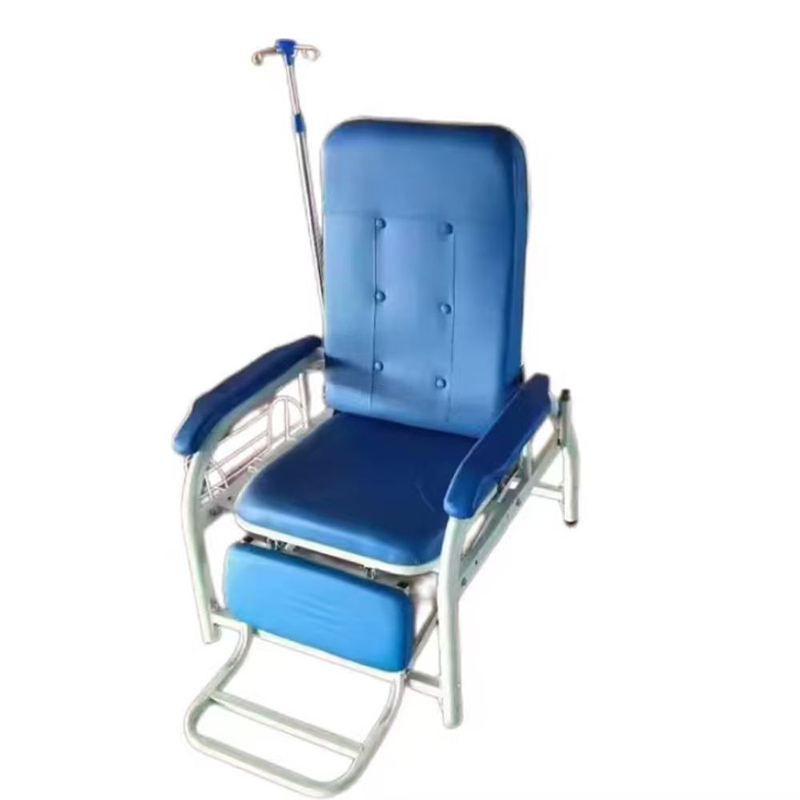
Hospital beds must safely support different patient sizes, movement loads, and medical equipment.
Engineering teams calculate:
- Static load capacity
- Dynamic load capacity
- Frame stress distribution
- Actuator performance limits
- Caster durability
Poor weight engineering can result in structural failures, reduced equipment lifespan, and safety risks.
Bariatric Bed Engineering
Bariatric hospital beds require reinforced structures capable of supporting significantly higher weight capacities.
Heavy-duty engineering may include:
- Châssis en acier renforcé
- Larger actuators
- Wider mattress platforms
- Heavy-duty casters
- Stronger support systems
Proper engineering ensures safe and stable operation for larger patients.
How Do Manufacturers Test Adjustable Hospital Beds?
Reliable hospital bed manufacturers perform extensive testing to ensure product quality, safety, and long-term durability.
Structural Durability Testing
Manufacturers test:
- Frame strength
- Weld durability
- Performance en matière de portance
- Long-term movement cycles
These tests simulate years of continuous hospital use.
Electrical Safety Testing
Electric hospital beds undergo testing for:
- Fiabilité du moteur
- Electrical insulation
- Battery backup performance
- Emergency functionality
This ensures safe operation in demanding medical environments.
Mobility and Stability Testing
Caster systems and braking mechanisms are tested for:
- Stabilité
- Maneuverability
- Emergency stopping performance
- Transportation safety
Compliance With International Standards
Many manufacturers design hospital beds according to international standards such as:
- ISO certifications
- Certification CE
- IEC medical electrical standards
- FDA-related requirements
Compliance improves buyer confidence and supports global export requirements.
What Should B2B Buyers Consider When Choosing Adjustable Hospital Beds?
Hospitals, distributors, and procurement managers should carefully evaluate engineering quality before purchasing hospital beds.
Structural Reliability
Choose beds with reinforced steel frames and proven actuator systems for long-term durability.
Disponibilité des pièces de rechange
Reliable spare parts support for motors, casters, rails, and electronic systems reduces maintenance downtime.
Manufacturing Capacity
Factories with stable production systems and sufficient inventory can support large wholesale orders and faster delivery schedules.
Customization Options
Many B2B buyers require customized specifications such as:
- Dimensions du lit
- Rail configurations
- Compatibilité avec les matelas
- Voltage standards
- Branding requirements
After-Sales Technical Support
Professional after-sales service is essential for maintaining long-term equipment reliability and customer satisfaction.
How Is Adjustable Hospital Bed Engineering Evolving?
The engineering behind adjustable hospital beds continues advancing alongside modern healthcare needs.
Manufacturers are increasingly focusing on:
- Intelligent automation
- Smart patient monitoring
- Lightweight materials
- Improved infection control
- Efficacité énergétique
- Quieter actuator systems
- Better caregiver ergonomics
As hospitals continue prioritizing patient-centered care, adjustable hospital beds will become even more advanced, intelligent, and efficient.
Conclusion
The engineering behind adjustable hospital beds combines mechanical structures, electric actuator systems, ergonomic design, advanced safety features, and intelligent electronics to create safer and more efficient healthcare solutions. From reinforced steel frames and precision motors to smart monitoring technologies and pressure-relief support, every engineering detail directly impacts patient comfort, caregiver efficiency, and medical safety. For hospitals, clinics, distributors, and home care providers, investing in well-engineered hospital beds is essential for improving healthcare quality and long-term operational reliability.
If you found this article helpful, feel free to share it with your team or leave a comment to discuss the latest innovations in adjustable hospital bed engineering.