
Many healthcare buyers and caregivers ask how much weight a standard hospital bed can safely support. Choosing the wrong bed capacity may lead to safety risks, equipment failure, and reduced patient comfort, especially in hospitals and long-term care environments. Understanding hospital bed weight limits helps buyers select safer, stronger, and more durable medical beds for professional healthcare applications.
A standard hospital bed typically supports between 250 kg and 450 kg (550–1000 lbs), depending on the bed type, frame construction, and motor system. Manual hospital beds usually support lower capacities, while electric and bariatric hospital beds are designed for heavier patients. Choosing the correct hospital bed weight capacity improves patient safety, extends equipment lifespan, and ensures stable performance in hospitals, clinics, and home care settings.
Hospital bed weight capacity depends on multiple structural and mechanical factors. Let’s explore what affects bed strength and how to choose the right option.
People Also Ask: How Much Weight Can a Standard Hospital Bed Support?
Standard hospital beds are designed to provide safe patient support during treatment, recovery, rehabilitation, and long-term care. However, not all medical beds have the same load-bearing capacity. The maximum supported weight depends on the bed structure, materials, motor system, and intended healthcare application.
Most standard hospital beds used in healthcare facilities support between 250 kg and 450 kg. Bariatric hospital beds can support significantly higher weights for specialized patient care.
Typical hospital bed capacities include:
| Hospital Bed Type | Average Weight Capacity |
|---|---|
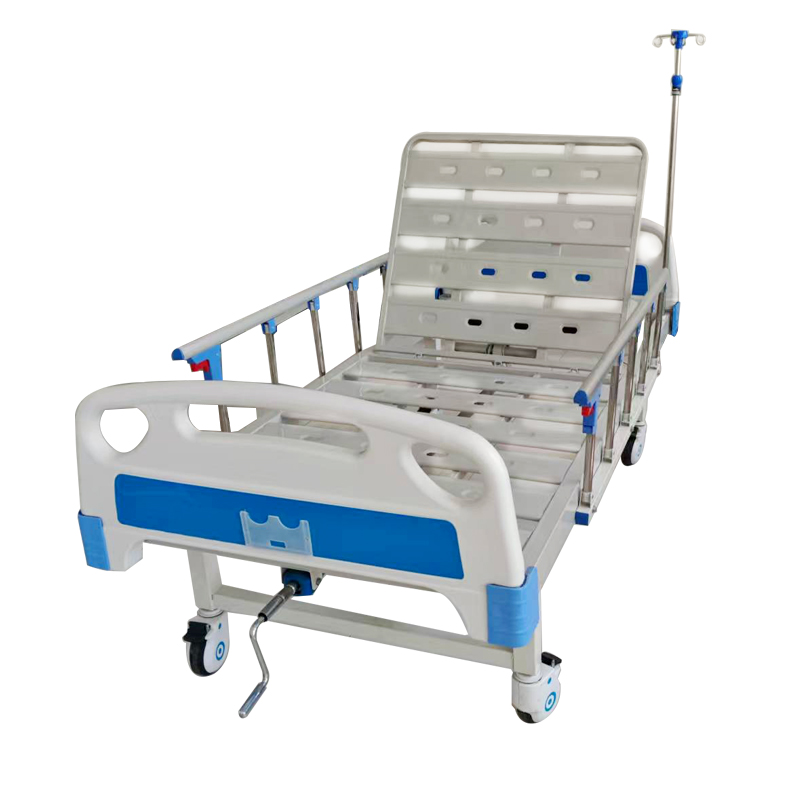
| Lit d'hôpital manuel | 250–300 kg |
| Semi-Electric Hospital Bed | 250–350 kg |
| Full Electric Hospital Bed | 300–400 kg |
| Bariatric Hospital Bed | 450–1000 kg |
| Lit de soins à domicile | 180–250 kg |
These weight capacities generally include the patient, mattress, bedding, accessories, and movement forces during bed adjustments.
For hospitals and medical distributors, understanding safe working load limits is essential for improving patient safety and reducing long-term equipment damage.
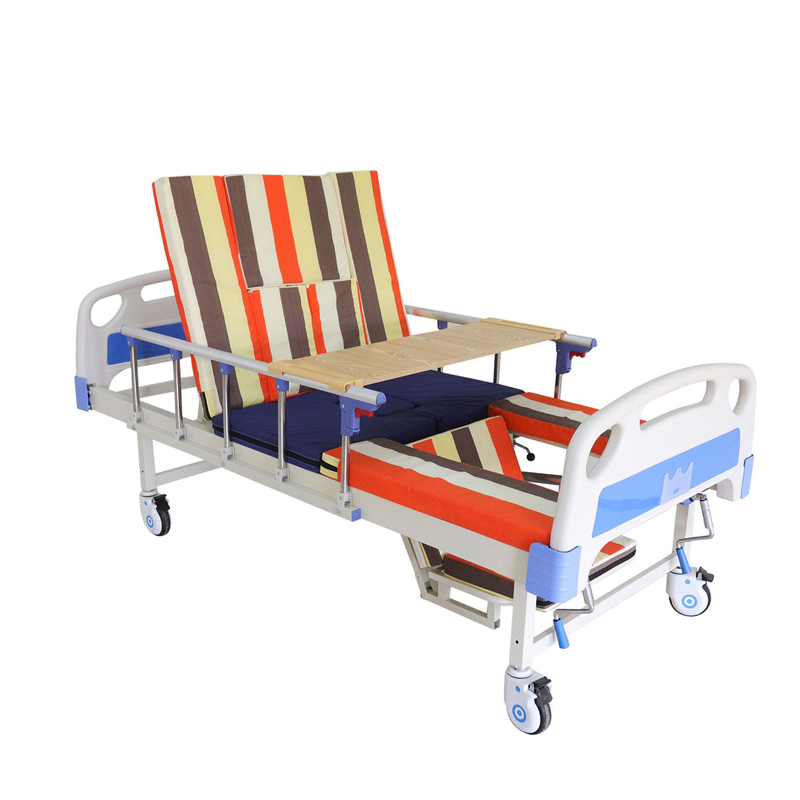
Why Hospital Bed Weight Capacity Matters
Weight capacity is one of the most important specifications when purchasing hospital beds. It affects not only patient support but also the durability and operational safety of the entire healthcare environment.
Sécurité des patients
A hospital bed that exceeds its weight limit may become unstable during patient movement or bed adjustments. Overloaded beds can experience:
- Frame bending
- Motor failure
- Caster instability
- Side rail damage
- Sudden mechanical malfunction
These issues increase the risk of patient falls and caregiver injuries.
Patients with limited mobility rely heavily on stable bed support systems. Hospitals must ensure the selected medical bed can safely handle the expected patient load.
Equipment Lifespan
Beds that constantly operate near or above their maximum load capacity experience faster structural wear.
Key components affected include:
- Electric actuators
- Steel frame joints
- Casters and wheel systems
- Bed platforms
- Adjustment mechanisms
Choosing higher-capacity beds often reduces repair frequency and maintenance costs.
Efficacité des soignants
Stable hospital beds improve daily caregiving activities such as:
- Patient repositioning
- Réglage de la hauteur du lit
- Rehabilitation exercises
- Patient transfers
- Emergency treatment procedures
Weak or overloaded beds create operational difficulties and may slow down medical workflows.
Compliance with Medical Standards
Many healthcare institutions must comply with safety regulations regarding patient support equipment. Certified hospital beds with verified load capacities help facilities meet international healthcare standards.
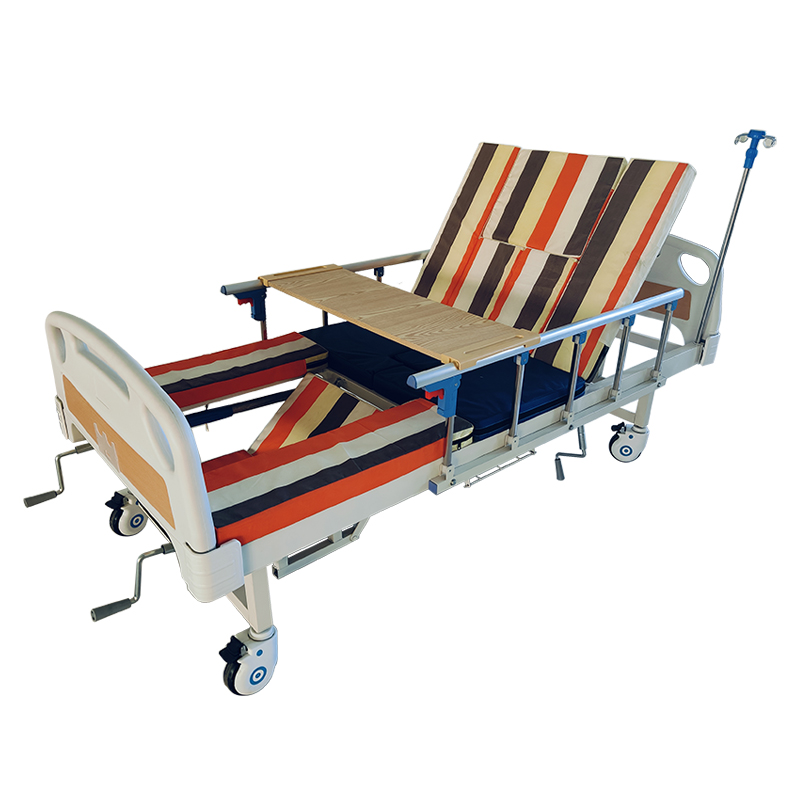
What Determines a Hospital Bed’s Weight Capacity?
Several engineering factors influence how much weight a hospital bed can safely support.
Bed Frame Material
The frame is the core structural component of a hospital bed.
Common materials include:
- Acier au carbone peint par poudrage
- Acier inoxydable renforcé
- Alliage d'aluminium
- Heavy-duty welded steel tubing
Beds made with thicker steel frames generally support heavier loads and offer longer durability.
High-quality hospital beds often use reinforced crossbars and advanced welding technology to improve strength.
Mattress Platform Design
The mattress platform distributes patient weight across the bed frame.
Strong platform structures may include:
- Full punching steel platforms
- Welded mesh support systems
- Multi-section reinforced panels
- Thickened support beams
A poorly designed platform can create pressure concentration points that weaken the structure over time.
Electric Motor System
Electric hospital beds use actuator systems to control:
- Élévation du dossier
- Leg positioning
- Réglage de la hauteur
- Trendelenburg functions
The motor quality directly affects weight-handling performance.
High-capacity electric hospital beds usually feature:
- Dual motor systems
- Heavy-duty actuators
- Protection contre les surcharges
- Stable lifting mechanisms
Low-quality motors may overheat or fail under heavy loads.
Casters and Wheel Strength
Hospital bed casters must support both static and dynamic weight during patient movement.
Heavy-duty medical casters often include:
- Systèmes de verrouillage centralisé
- Double-sided braking
- Polyurethane wheels
- Shock absorption features
Weak casters may crack or lose stability during transportation.
Side Rail Construction
Side rails improve patient protection during movement and repositioning.
Strong side rails are commonly made from:
- ABS plastic
- Alliage d'aluminium
- Reinforced steel structures
Although side rails are not designed to hold full patient weight, they contribute to overall bed stability.
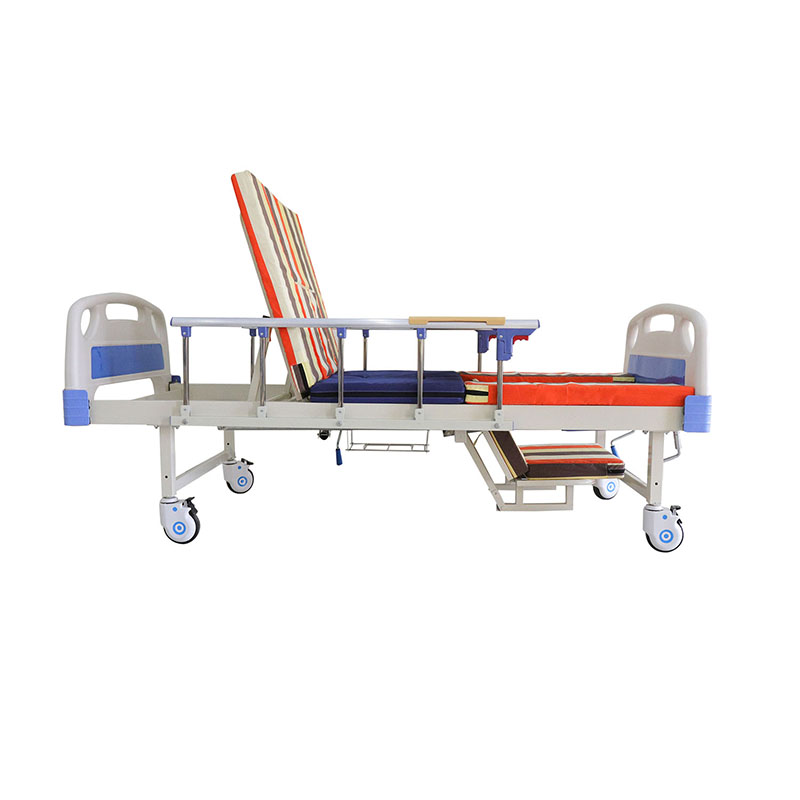
Standard Hospital Beds vs Bariatric Hospital Beds
Many buyers confuse standard hospital beds with bariatric beds, but the two are designed for different patient requirements.
Standard Hospital Beds
Standard medical beds are widely used in:
- General hospitals
- Cliniques
- Centres de réadaptation
- Maisons de retraite
- Environnements de soins à domicile
These beds balance affordability, functionality, and space efficiency.
Parmi les caractéristiques communes, on peut citer :
- Standard width design
- Moderate load capacity
- Basic electric or manual adjustment
- Compact frame structure
They are ideal for average patient weight ranges.
Lits d'hôpitaux bariatriques
Bariatric hospital beds are specifically engineered for overweight and obese patients.
These beds feature:
- Reinforced steel construction
- Des surfaces de couchage plus larges
- Heavy-duty motor systems
- Larger casters
- Enhanced side rails
- Higher lifting capacities
Bariatric beds often support between 450 kg and 1000 kg.
They are commonly used in:
- Bariatric treatment centers
- Établissements de soins de longue durée
- Specialized rehabilitation hospitals
- Obesity treatment clinics
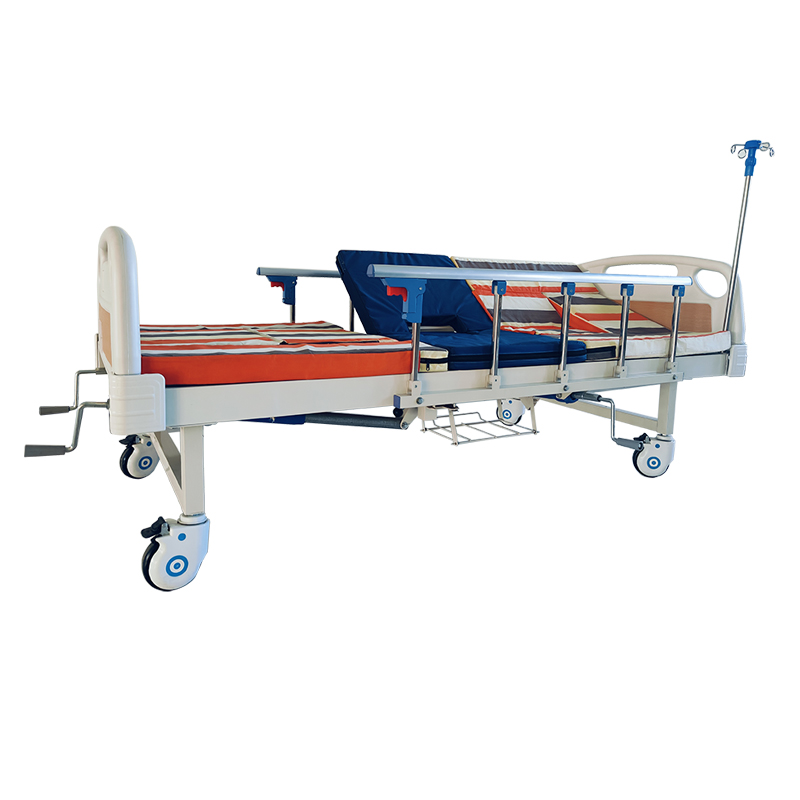
Dynamic Load vs Static Load: What’s the Difference?
Hospital bed manufacturers often provide two different load ratings.
Static Load Capacity
Static load refers to the maximum weight a bed can support while remaining stationary.
This includes:
- Poids du patient
- Matelas
- Accessoires
- Additional equipment
Static testing usually measures structural strength without movement.
Dynamic Load Capacity
Dynamic load measures the weight the bed can safely support during operation and movement.
This includes:
- Height adjustments
- Relevage du dossier
- Patient repositioning
- Bed transportation
Dynamic load ratings are more important for real healthcare applications because beds constantly move during patient care.
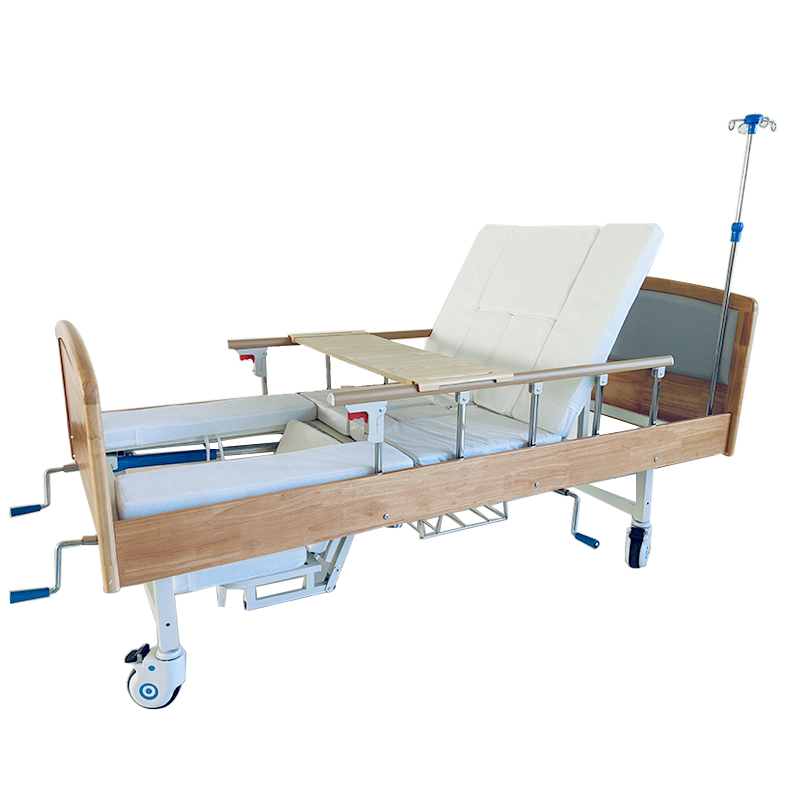
Common Problems Caused by Overloaded Hospital Beds
Using hospital beds beyond their intended capacity can create serious operational problems.
Structural Deformation
Excessive weight may bend the frame or weaken welded joints.
Motor Burnout
Electric actuators may overheat or stop functioning under continuous overload.
Caster Failure
Poor-quality wheel systems may break during transportation.
Increased Maintenance Costs
Overloaded beds require more frequent repairs and part replacements.
Reduced Patient Comfort
Unstable bed structures negatively affect pressure distribution and patient positioning.
For hospitals and distributors, selecting the correct bed capacity significantly reduces operational risks.
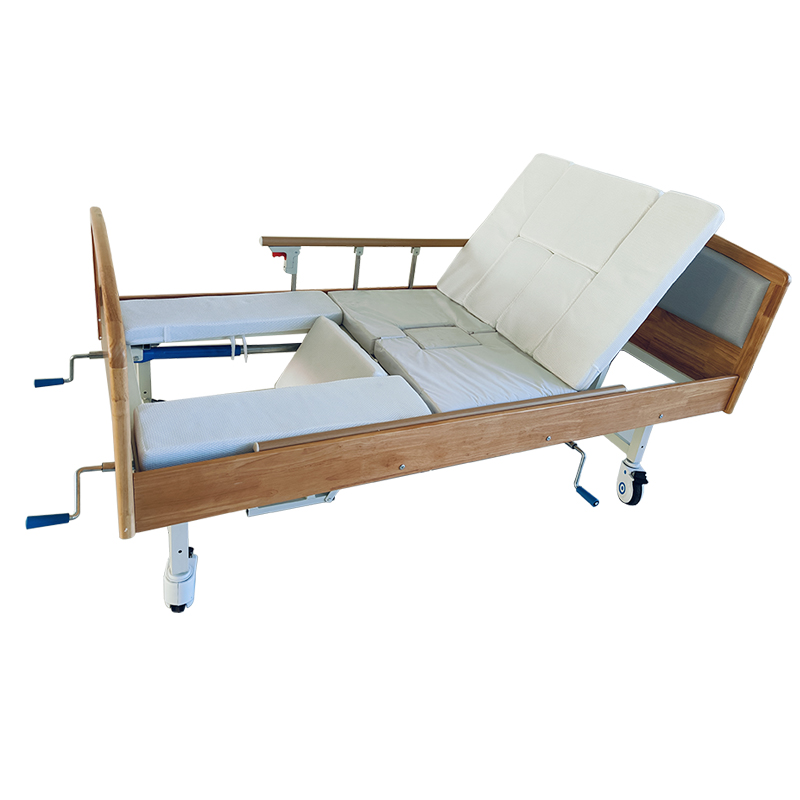
How Manufacturers Test Hospital Bed Weight Capacity
Reliable hospital bed manufacturers conduct strict testing procedures before products enter the market.
Static Pressure Testing
Beds are loaded with heavy weight for extended periods to evaluate structural strength.
Fatigue Testing
Repeated adjustments simulate years of real-world hospital use.
Impact Resistance Testing
Beds are tested against sudden force changes during patient movement.
Caster Durability Testing
Wheel systems are tested under continuous movement and braking conditions.
Side Rail Strength Testing
Rails are evaluated for resistance against patient pressure and accidental impacts.
Professional manufacturers often provide testing certifications to support international medical equipment standards.
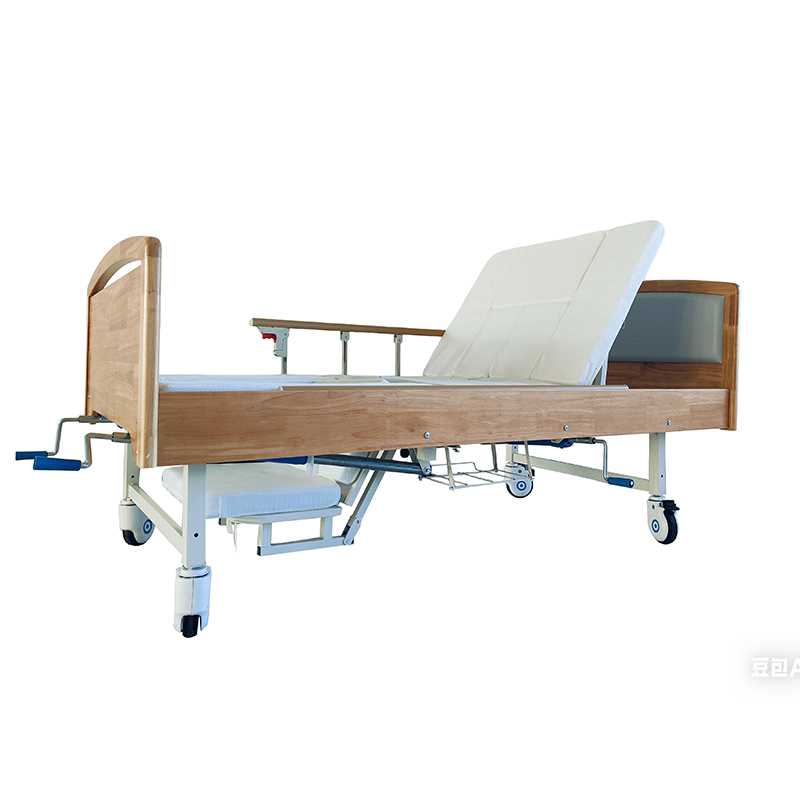
How to Choose the Right Hospital Bed Capacity
Selecting the correct hospital bed requires more than simply checking patient body weight.
Consider Additional Equipment
The total bed load may include:
- Systèmes de matelas
- Poteaux à perfusion
- Medical monitors
- Barrières latérales
- Traction equipment
- Bedding accessories
These components increase overall load pressure.
Leave a Safety Margin
Healthcare facilities should avoid selecting beds that operate continuously at maximum capacity.
A higher load margin improves:
- Sécurité
- Durabilité
- Fiabilité à long terme
Match the Bed to the Healthcare Environment
Different healthcare applications require different capacities.
| Environnement de soins de santé | Type de lit recommandé |
|---|---|
| General Hospital | Standard Electric Bed |
| USI | Heavy-Duty ICU Bed |
| Soins à domicile | Lit de soins à domicile |
| Obesity Care | Bariatric Hospital Bed |
| Rehabilitation Center | Rehabilitation Medical Bed |
Understanding the patient population helps buyers choose the most suitable equipment.
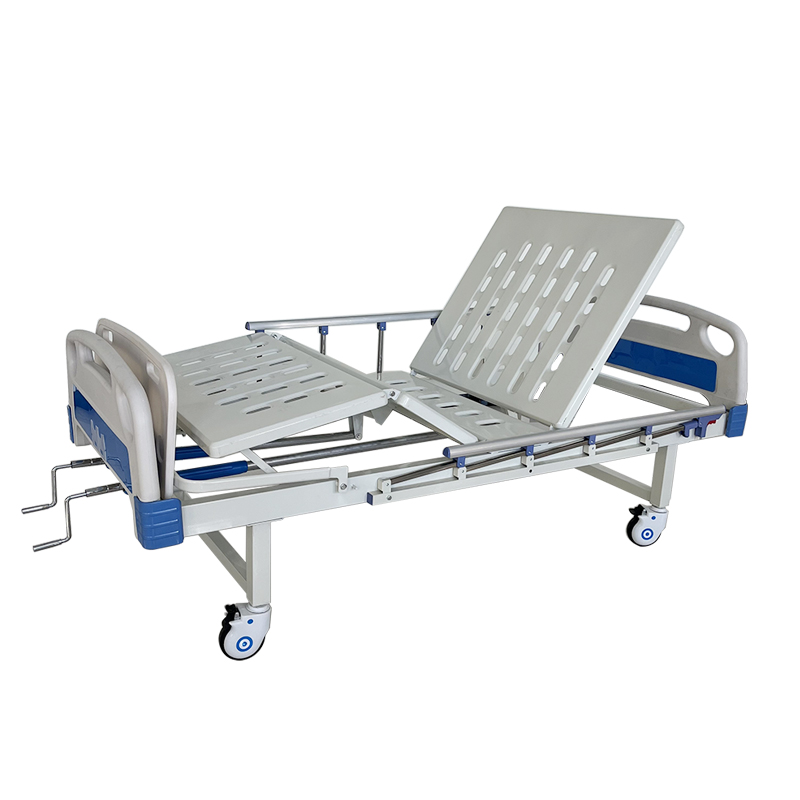
Why B2B Buyers Prioritize High-Capacity Medical Beds
For hospitals, distributors, and healthcare procurement companies, bed durability directly affects operational efficiency and customer satisfaction.
High-capacity hospital beds offer:
- Lower maintenance costs
- Durée de vie plus longue des produits
- Better patient safety
- Improved institutional reputation
- Stronger international market competitiveness
Healthcare buyers increasingly prefer suppliers who provide:
- CE certifications
- ISO certifications
- Factory testing reports
- Quality inspection documentation
These certifications improve purchasing confidence in global markets.
Jcare Hospital Beds for Global Healthcare Buyers
As a professional Chinese hospital bed manufacturer, Jcare supplies durable medical beds and healthcare furniture for hospitals, distributors, clinics, and wholesalers worldwide.
Jcare’s product range includes:
- Lits d'hôpitaux manuels
- Lits d'hôpitaux électriques
- Lits de soins à domicile
- Rehabilitation products
- Medical furniture
- Medical bed accessories
With a 3000-square-meter manufacturing facility, Jcare offers:
- Tarification directe à l'usine
- Qualité stable des produits
- Large inventory support
- Délais de livraison courts
- OEM and wholesale solutions
Products are exported to India, the Middle East, Southeast Asia, Europe, the USA, Japan, and South Korea.
Conclusion
Standard hospital beds generally support between 250 kg and 450 kg, depending on their structure, motor system, and intended healthcare application. Choosing the correct weight capacity improves patient safety, extends equipment lifespan, and reduces maintenance problems in hospitals and care facilities. Buyers should carefully evaluate frame strength, dynamic load ratings, and manufacturer certifications before purchasing medical beds.
If you have questions about choosing the right hospital bed for your healthcare project, feel free to leave a comment or share this article with your team and industry partners.