
Are you wondering how to choose the right hospital bed for your healthcare facility, clinic, nursing home, or distribution business? Making the wrong purchasing decision can lead to higher maintenance costs, reduced patient comfort, safety risks, and operational inefficiencies. Fortunately, understanding the key factors involved in hospital bed selection can help buyers make informed decisions that improve patient care, maximize investment value, and ensure long-term reliability.
When purchasing a hospital bed, buyers should evaluate bed type, functionality, safety features, durability, patient requirements, weight capacity, mobility, maintenance needs, regulatory compliance, and supplier reliability. The right hospital bed improves patient comfort, caregiver efficiency, and operational performance while reducing long-term ownership costs. Careful supplier selection is equally important to ensure consistent product quality, timely delivery, and dependable after-sales support.
Hospital bed purchasing involves much more than comparing prices. Understanding the details behind quality, safety, and performance can help buyers make smarter long-term investments.
Why Hospital Bed Selection Is More Important Than Ever
Hospital beds are among the most frequently used and mission-critical pieces of equipment in any healthcare environment. Whether they are installed in hospitals, rehabilitation centers, nursing homes, home care facilities, or private clinics, hospital beds directly affect patient safety, recovery outcomes, caregiver efficiency, and facility operations.
Many buyers focus primarily on initial purchase price. While budget considerations are important, the cheapest option often becomes the most expensive over time due to maintenance costs, replacement expenses, patient dissatisfaction, and operational inefficiencies.
A properly selected hospital bed can:
- Improve patient comfort
- Enhance caregiver productivity
- Reduce injury risks
- Support faster recovery
- Lower maintenance expenses
- Increase equipment lifespan
- Improve facility reputation
For healthcare organizations planning long-term growth, hospital bed selection should be viewed as a strategic investment rather than a simple procurement decision.
Understanding Different Types of Hospital Beds
Before evaluating technical specifications, buyers should understand the various hospital bed categories available on the market.
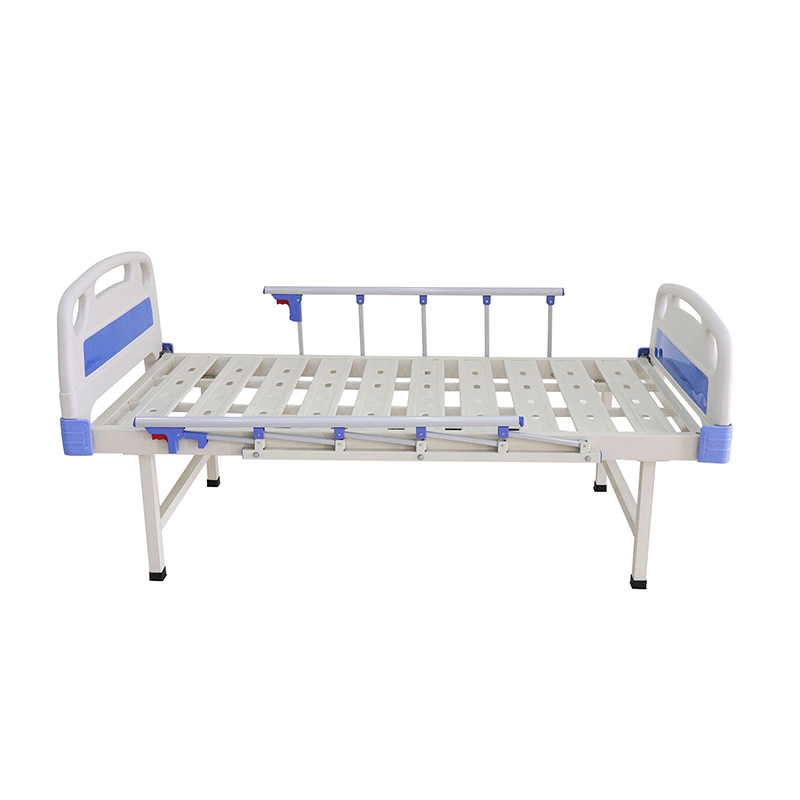
Lits d'hôpital à commande manuelle
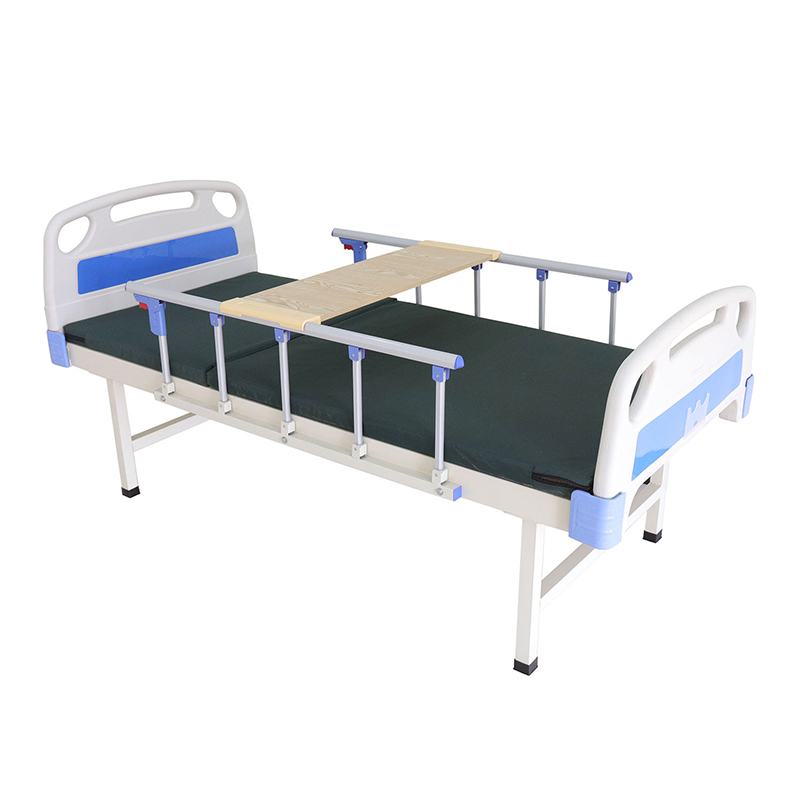
Manual hospital beds rely on hand-operated cranks to adjust bed positions.
Parmi les avantages, on peut citer :
- Lower purchase cost
- Fonctionnement simple
- Exigences électriques minimales
- Easier maintenance
These beds are commonly used in:
- Small clinics
- Temporary care facilities
- Budget-sensitive healthcare environments
However, manual beds require more physical effort from caregivers and offer fewer convenience features.
Lits d'hôpital semi-électriques
Semi-electric beds combine electric positioning with manual height adjustment.
Les avantages comprennent :
- Improved patient comfort
- Allègement de la charge de travail des soignants
- Lower cost compared to fully electric beds
- Better positioning capabilities
They are frequently used in:
- Maisons de retraite
- Établissements de soins de longue durée
- Centres de réadaptation
Semi-electric beds offer a balanced solution between affordability and functionality.
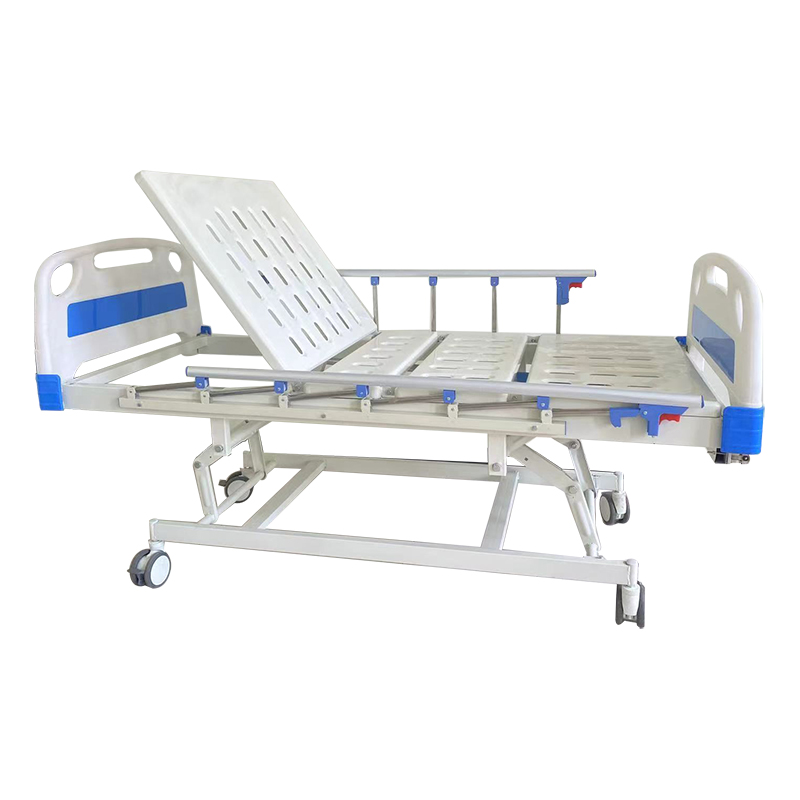
Fully Electric Hospital Beds
Fully electric hospital beds allow users to control all major functions electronically.
Typical functions include:
- Réglage du dossier
- Élévation des jambes
- Réglage de la hauteur
- Position de Trendelenburg
- Position de Trendelenburg inversée
These beds provide the highest level of convenience and efficiency.
They are commonly installed in:
- Hôpitaux
- Unités de soins intensifs
- Salles de réveil chirurgical
- High-dependency care units
Specialized Hospital Beds
Some healthcare environments require advanced solutions.
En voici quelques exemples :
- lits de soins intensifs
- Lits bariatriques
- Lits pédiatriques
- Lits de soins pivotants
- Lits ultra-bas
- Lits de soins à domicile
- Lits de réadaptation
Selecting the appropriate specialized bed depends on patient demographics and treatment requirements.
Evaluating Hospital Bed Functionality
Not every healthcare facility requires the same level of functionality.
Buyers should carefully assess their operational needs before investing in advanced features.
Réglage du dossier
Backrest adjustment is one of the most essential functions.
It helps patients:
- Sit upright
- Mangez tranquillement
- Read or communicate
- Improve respiratory function
This feature also supports post-surgical recovery and long-term care.
Leg Elevation Function
Leg adjustment contributes to:
- Better blood circulation
- Reduced swelling
- Increased patient comfort
- Enhanced recovery support
This function is especially valuable for elderly patients and those with mobility limitations.
Réglage de la hauteur
Height-adjustable beds provide advantages for both patients and caregivers.
Les avantages comprennent :
- Des transferts de patients plus faciles
- Improved accessibility
- Allègement de la charge pesant sur les aidants
- Better fall prevention
Healthcare facilities increasingly prioritize height-adjustable beds because of their ergonomic advantages.
Positions de Trendelenburg et de Trendelenburg inversé
These advanced positioning functions are commonly used in critical care environments.
They assist with:
- Medical procedures
- Prise en charge circulatoire
- Respiratory support
- Emergency treatment protocols
Facilities that provide acute care should strongly consider these features.
Safety Features Every Buyer Should Prioritize
Patient safety remains one of the most important considerations when purchasing hospital beds.
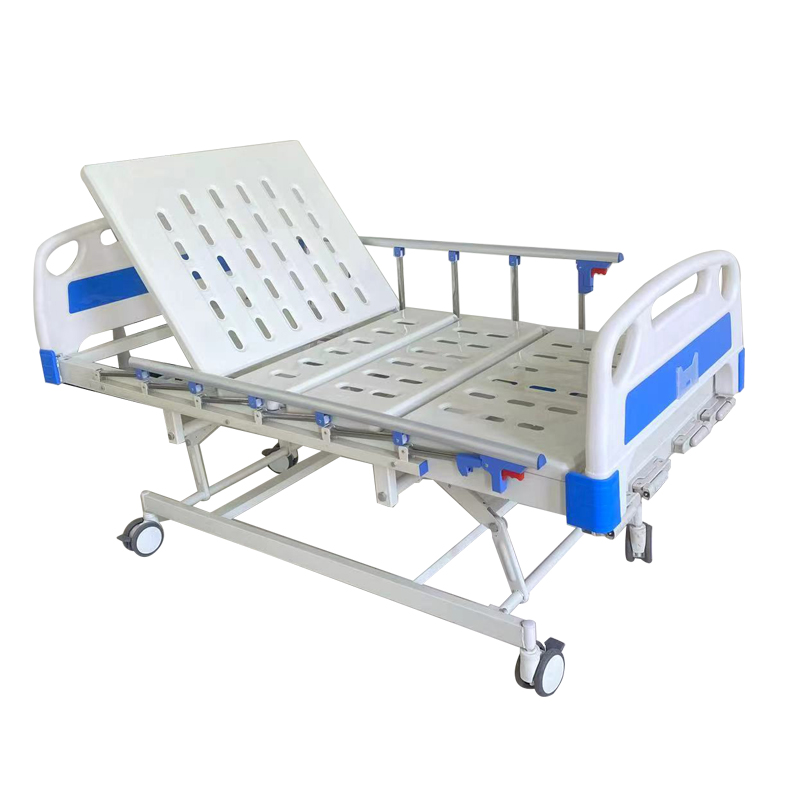
Side Rail Systems
Side rails help prevent accidental falls and improve patient security.
Modern hospital beds may feature:
- Foldable aluminum alloy side rails
- Split side rails
- Full-length protection rails
- Quick-release mechanisms
Quality side rails should balance patient protection with caregiver accessibility.
Roulettes à blocage central
Mobility is important, but stability is equally critical.
Central locking caster systems provide:
- Secure positioning
- Easy transportation
- Amélioration de la sécurité des patients
- Better operational efficiency
Reliable caster systems are essential in busy healthcare environments.
Autorisation de réanimation cardio-pulmonaire en cas d'urgence
Many advanced hospital beds include emergency CPR functionality.
This feature allows caregivers to rapidly flatten the bed during emergency situations.
Quick response capability can be extremely important in critical care settings.
Anti-Collision Protection
Protective corner bumpers and impact-resistant structures help reduce damage during transportation and daily use.
These features contribute to:
- Durée de vie plus longue des produits
- Lower repair costs
- Improved equipment appearance
Weight Capacity Considerations
One of the most commonly overlooked purchasing factors is bed weight capacity.
Healthcare facilities should anticipate future patient requirements rather than focusing solely on current needs.
Standard Weight Capacity
Most standard hospital beds support approximately:
- 180 kg to 250 kg
This capacity is sufficient for the majority of patients.
Bariatric Solutions
Facilities serving diverse populations should consider bariatric bed options.
Les avantages comprennent :
- Capacité de charge plus élevée
- Des surfaces de couchage plus larges
- Enhanced frame durability
- Improved patient comfort
Purchasing beds with appropriate capacity helps avoid premature equipment replacement.
Why Durability Matters in Hospital Bed Procurement
Hospital beds operate continuously and endure significant daily use.
Durability directly affects long-term ownership costs.
Frame Construction
The frame serves as the foundation of the entire bed.
Buyers should look for:
- High-strength steel construction
- Soudage de précision
- Reinforced structural components
- Stable load-bearing performance
Quality frame construction significantly extends product lifespan.
Traitement de surface
Healthcare environments expose equipment to frequent cleaning and disinfection.
High-quality powder coating provides:
- Résistance à la corrosion
- Scratch resistance
- Entretien facile
- Professional appearance
Proper surface treatment contributes to both durability and hygiene.
Bed Platform Design
A well-designed bed platform offers:
- Improved ventilation
- Better mattress support
- Enhanced patient comfort
- Nettoyage plus facile
These benefits improve both functionality and infection control.
The Importance of Mattress Compatibility
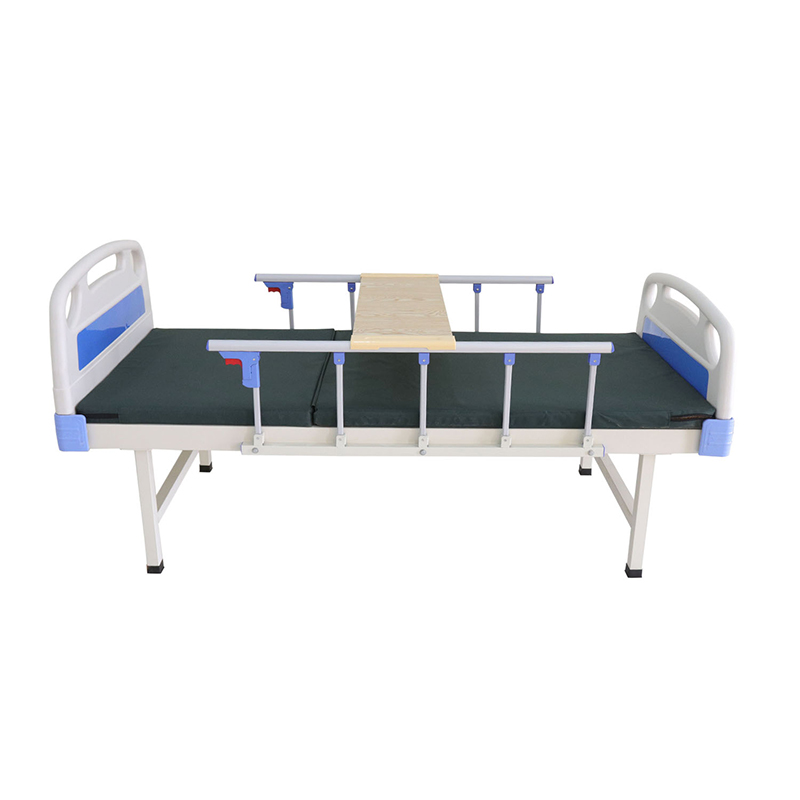
Even the best hospital bed cannot deliver optimal results without a suitable mattress.
Support de décharge de pression
Pressure ulcers remain a significant concern in healthcare environments.
Pressure-relieving mattresses help:
- Reduce skin breakdown risks
- Improve comfort
- Support long-term care patients
Infection Prevention
Mattresses should include:
- Waterproof surfaces
- Antimicrobial materials
- Easy-clean covers
These features help maintain hygiene standards.
Patient Comfort
Comfort directly influences:
- Recovery quality
- Qualité du sommeil
- Patient satisfaction
Selecting compatible mattresses is essential for maximizing the value of hospital bed investments.
Mobility and Transportation Efficiency
Hospital beds must move safely and efficiently throughout healthcare facilities.
Qualité des roulettes
High-performance casters should provide:
- Mouvement fluide
- Reliable braking
- Low operational noise
- Longue durée de vie
Steering Assistance
Advanced hospital beds may include steering systems that improve maneuverability.
Les avantages comprennent :
- Easier navigation
- Faster transportation
- Allègement de la charge de travail des aidants
Transfer Efficiency
Efficient transportation systems improve workflow and reduce staff fatigue.
For larger healthcare facilities, mobility features can significantly impact daily operations.
Maintenance and Service Considerations
Hospital bed maintenance costs can accumulate over time.
Buyers should evaluate service requirements before making purchasing decisions.
Motor Quality
For electric hospital beds, motor reliability is critical.
Important factors include:
- Réputation du fabricant
- Operational lifespan
- Niveaux sonores
- Couverture de la garantie
Des moteurs fiables permettent de réduire les temps d'arrêt et les frais d'entretien.
Disponibilité des pièces de rechange
Healthcare facilities should verify:
- Spare parts inventory
- Replacement lead times
- Technical support capabilities
Easy access to replacement parts minimizes operational disruptions.
Cleaning and Disinfection
Hospital beds should be designed for easy cleaning.
Features that support infection control include:
- Surfaces lisses
- Minimal dirt accumulation points
- Easy-access components
These design characteristics improve healthcare hygiene standards.
Regulatory Compliance and Certifications
Compliance demonstrates product quality and market readiness.
Quality Management Standards
Parmi les certifications importantes, on peut citer :
- ISO 9001
- ISO 13485
These standards indicate established quality management systems.
Market-Specific Certifications
Depending on the destination market, buyers may require:
- Certification CE
- Enregistrement auprès de la FDA
- Regional regulatory approvals
Compliance helps reduce procurement risks and facilitates market entry.
Evaluating Total Cost of Ownership
Smart buyers evaluate long-term value rather than focusing exclusively on purchase price.
Initial Investment
Factors affecting initial cost include:
- Functionality
- Matériaux
- Accessoires
- Technology level
Operating Costs
Long-term expenses may include:
- Maintenance
- Repairs
- Pièces de rechange
- Service labor
Durée de vie du produit
A durable hospital bed often provides superior value despite a higher purchase price.
Productivity Benefits
Advanced hospital beds can improve caregiver efficiency, reducing labor demands over time.
When all factors are considered, premium-quality beds frequently offer lower overall ownership costs.
Selecting the Right Hospital Bed Supplier
Even the best product can become a poor investment if sourced from an unreliable supplier.
Expérience en matière de fabrication
Experienced manufacturers often provide:
- Better engineering
- Une qualité constante
- Proven reliability
Capacité de production
Healthcare buyers should assess:
- Superficie de l'usine
- Manufacturing capabilities
- Systèmes de contrôle qualité
Large-scale production capacity supports consistent supply.
Inventory Availability
Suppliers with substantial inventory can provide:
- Livraison plus rapide
- Reduced project delays
- Improved supply chain reliability
Customization Capability
Many buyers require customized solutions.
Customization options may include:
- Dimensions du lit
- Side rail configurations
- Color schemes
- Branding requirements
Flexible manufacturers provide greater purchasing advantages.
Service après-vente
Strong support services include:
- Assistance technique
- Couverture de la garantie
- Spare parts supply
- Conseils d'entretien
Reliable support reduces long-term operational risks.
Common Mistakes Buyers Should Avoid
Many procurement challenges stem from avoidable purchasing mistakes.
Common errors include:
Choosing Based Only on Price
Low-cost products may lead to:
- Réparations fréquentes
- Shorter lifespan
- Higher long-term costs
Ignoring Patient Requirements
Different patient populations require different solutions.
Failure to match products with patient needs can reduce care quality.
Overlooking Maintenance Requirements
Some buyers underestimate service and spare parts costs.
Maintenance planning should be part of the purchasing process.
Failing to Verify Certifications
Certification verification helps ensure product quality and regulatory compliance.
Selecting Inexperienced Suppliers
An unreliable supplier can create delivery delays, quality issues, and support challenges.
Why Global Buyers Choose Jcare
As a professional manufacturer of hospital beds, home care beds, rehabilitation products, medical furniture, and hospital bed accessories, Jcare supports healthcare buyers worldwide with reliable and cost-effective solutions.
Key advantages include:
- Tarification directe à l'usine
- Qualité stable des produits
- Large inventory capacity
- Délais de livraison courts
- Professional export experience
- Flexible customization services
- Comprehensive after-sales support
Serving customers across India, the Middle East, Southeast Asia, Europe, the United States, Japan, and South Korea, Jcare continues to help healthcare organizations improve patient care while optimizing procurement efficiency.
What is the most important factor when buying a hospital bed?
Safety, functionality, durability, and patient requirements should all be considered together. No single factor should determine the purchasing decision.
How long does a hospital bed typically last?
A quality hospital bed can last between 8 and 15 years depending on usage conditions, maintenance practices, and construction quality.
Are electric hospital beds worth the investment?
Yes. Electric hospital beds improve patient comfort, increase caregiver efficiency, and often reduce long-term operational costs.
What certifications should hospital beds have?
Depending on the market, buyers should look for certifications such as ISO 13485, ISO 9001, CE, and other applicable regulatory approvals.
Why should buyers purchase directly from manufacturers?
Direct sourcing often provides better pricing, greater customization flexibility, faster communication, and more reliable after-sales support.
Conclusion
Choosing the right hospital bed requires careful evaluation of patient needs, functionality, safety features, durability, maintenance requirements, regulatory compliance, and supplier reliability. Buyers who focus on long-term value rather than initial purchase price are more likely to achieve better healthcare outcomes, improved operational efficiency, and lower ownership costs. By partnering with experienced manufacturers such as Jcare, healthcare organizations can secure dependable hospital bed solutions that support both patient care and business growth. If you found this guide helpful, feel free to share it with your colleagues, leave a comment, or contact us for personalized hospital bed procurement advice.