
Many healthcare buyers struggle to understand why hospital bed prices vary so dramatically between suppliers and models. Choosing the wrong bed can lead to overspending, poor patient comfort, frequent maintenance issues, and long-term operational losses. Understanding hospital bed pricing strategies and cost breakdowns helps hospitals, distributors, and clinics make smarter purchasing decisions while balancing quality, functionality, and budget efficiency.
Hospital bed pricing depends on factors such as bed type, motor systems, material quality, certifications, accessories, logistics, and after-sales support. Manual beds are generally the most affordable, while ICU electric beds cost more due to advanced functions and safety technologies. Buyers can reduce procurement costs through bulk purchasing, factory-direct sourcing, standardized specifications, and evaluating total ownership costs instead of focusing only on the initial unit price.
Understanding the true cost structure behind hospital beds helps buyers avoid hidden expenses and improve long-term procurement value.
What Determines Hospital Bed Prices?
Hospital bed pricing is influenced by numerous technical, operational, and market-related factors. Many buyers initially focus only on visible product prices while overlooking hidden costs that can significantly affect long-term purchasing budgets.
The final hospital bed cost usually depends on:
- Fonctionnalités du lit
- Manufacturing materials
- Motor and actuator systems
- Safety certifications
- Accessories and optional features
- Packaging standards
- Shipping costs
- Réputation des fournisseurs
- Couverture de la garantie
- After-sales service
For example, a basic manual hospital bed designed for short-term patient care may cost significantly less than a fully electric ICU bed equipped with digital controls, weighing systems, electronic CPR functions, and advanced positioning features.
Different healthcare facilities also have different procurement priorities. Rural clinics may focus on affordability and durability, while modern hospitals often prioritize advanced patient care functions and ergonomic operation.
Why Do Hospital Bed Prices Vary So Much?
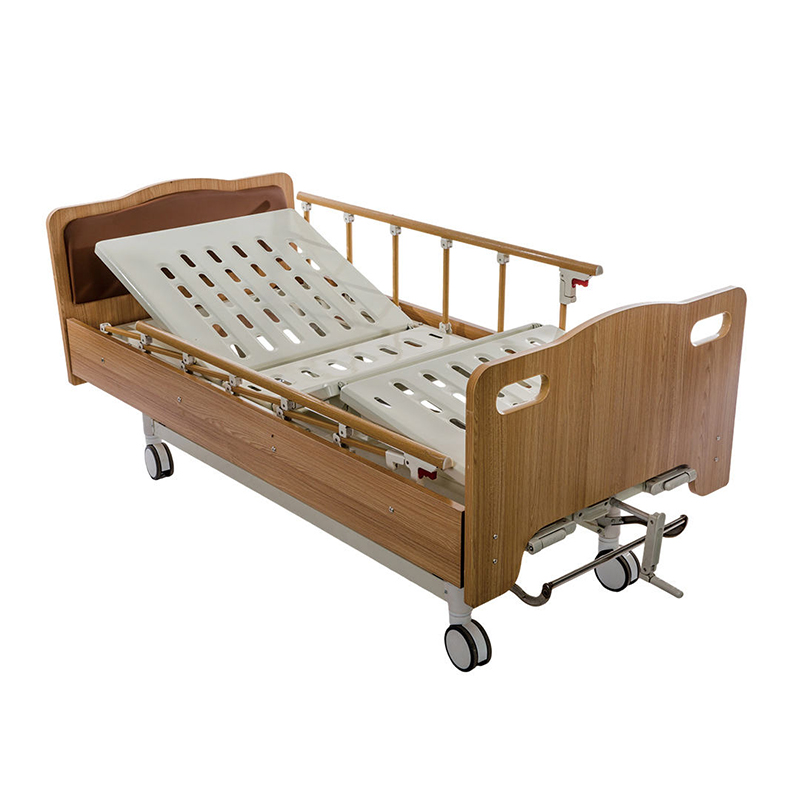
Hospital beds are not standardized products. Different healthcare applications require different designs, technologies, and performance capabilities.
Manual vs Electric Systems
Manual hospital beds use crank-based adjustment systems, making them mechanically simple and relatively affordable.
Electric hospital beds require:
- Linear actuators
- Electronic control systems
- Power management units
- Backup batteries
- Wiring systems
These components increase manufacturing complexity and production costs.
Functional Differences
Additional bed functions directly influence pricing.
Common adjustable functions include:
- Élévation du dossier
- Surélévation du genou
- Réglage de la hauteur
- Position de Trendelenburg
- Position de Trendelenburg inversée
- Lateral tilt systems
Beds with multiple motorized functions naturally cost more due to higher engineering requirements and component integration.
Safety Technologies
Modern hospital beds increasingly include advanced safety features such as:
- Alarmes de sortie de lit
- Central locking caster systems
- Electronic braking
- Side rail sensors
- Auto-contour positioning
- Emergency CPR release
These technologies improve patient safety but also raise production and compliance expenses.
How Much Do Different Types of Hospital Beds Cost?
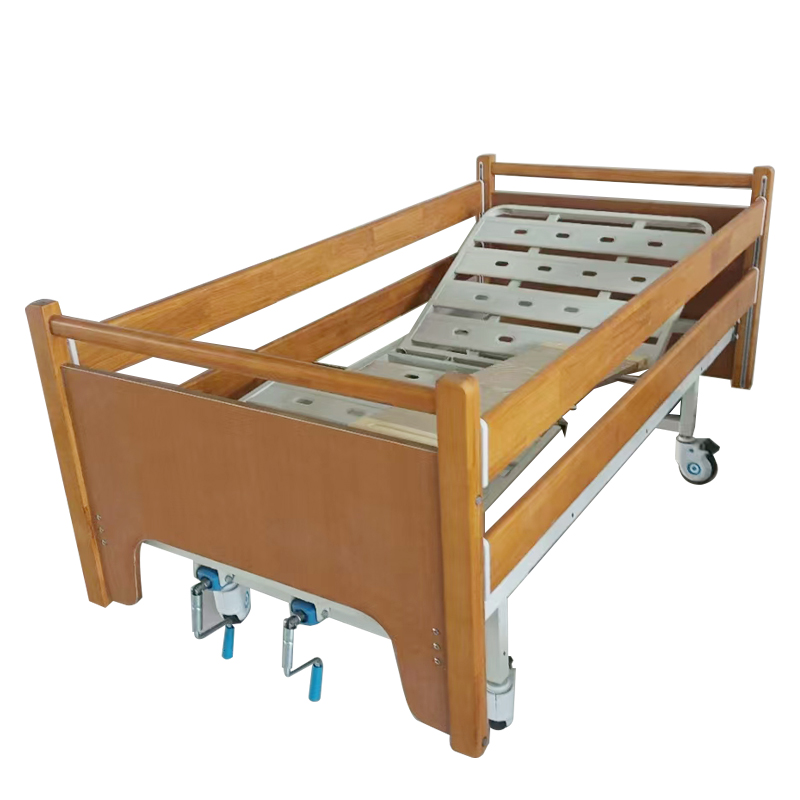
Hospital beds are generally categorized into several major types, each with different pricing levels and clinical applications.
Flat Manual Hospital Beds
Flat manual beds are among the most economical products available.
Parmi les caractéristiques typiques, on peut citer :
- Fixed height
- Manual backrest adjustment
- Basic steel frame
- Simple side rails
These beds are commonly used in:
- Small clinics
- Centres de réadaptation
- Rural healthcare facilities
- Temporary care environments
Their affordability and low maintenance costs make them attractive for budget-sensitive buyers.
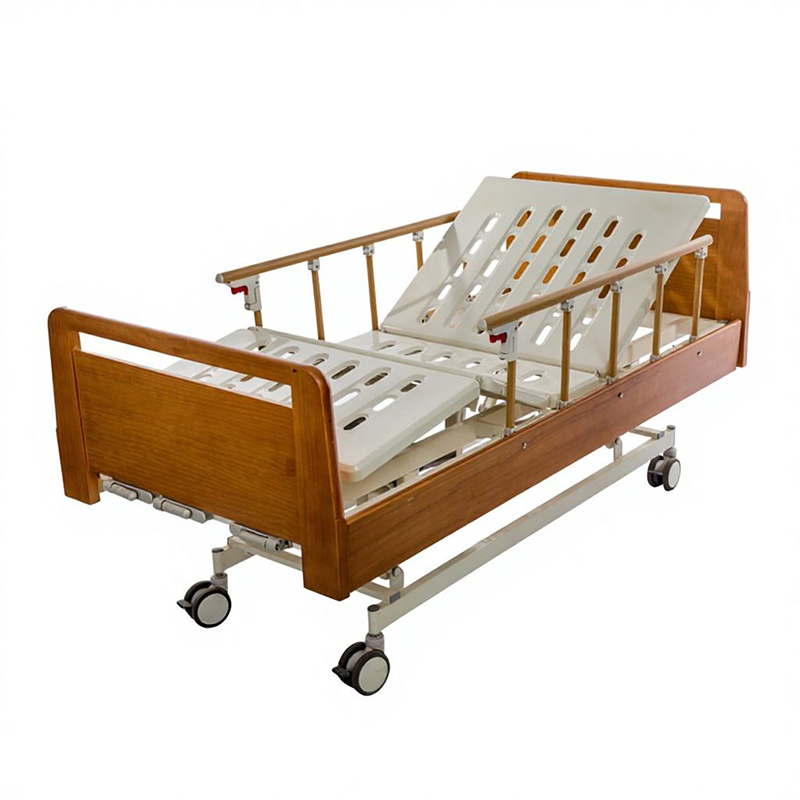
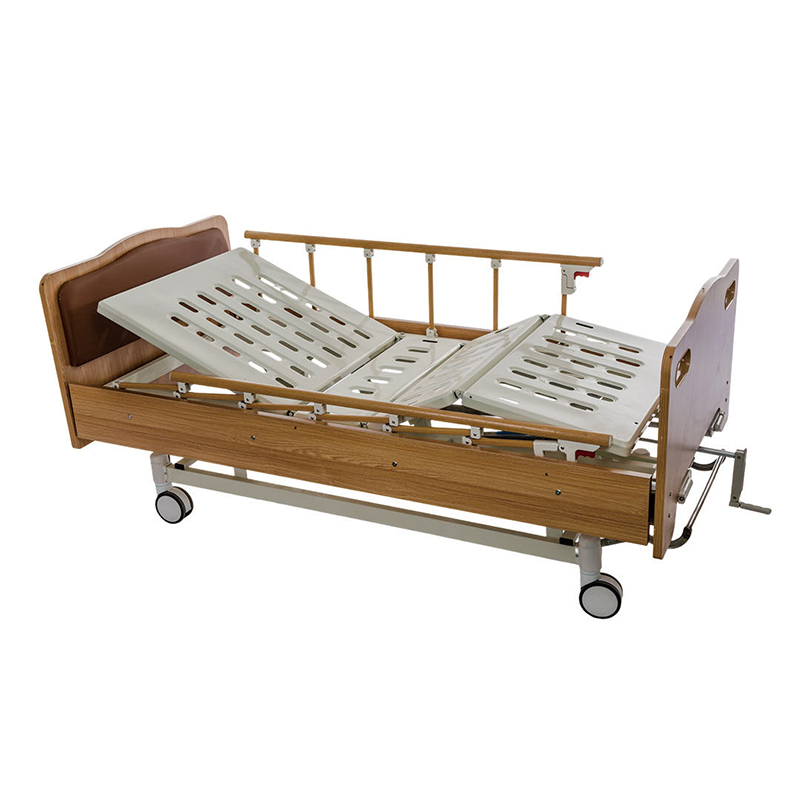
Two-Function and Three-Function Manual Beds
These beds provide more flexibility through manual crank systems.
Functions may include:
- Réglage du dossier
- Élévation des jambes
- Réglage de la hauteur
Compared with flat beds, they improve patient comfort while maintaining relatively low procurement costs.
Lits d'hôpital semi-électriques
Semi-electric beds combine manual and electric systems.
Parmi les avantages, on peut citer :
- Improved caregiver efficiency
- Reduced physical labor
- Moderate pricing
- Un meilleur positionnement du patient
They are widely used in mid-sized hospitals and private clinics seeking cost-performance balance.
Fully Electric Hospital Beds
Fully electric beds allow complete motorized adjustment.
Typical functions include:
- Electric height control
- Élévation du dossier
- Surélévation du genou
- Position memory
- Nurse control systems
These beds improve workflow efficiency but require larger procurement budgets.
Lits d'hôpitaux pour soins intensifs
ICU beds represent the premium segment of the hospital bed market.
Advanced ICU systems may include:
- Digital displays
- Integrated weighing scales
- Compatibilité avec les rayons X
- Electronic CPR
- Alimentation de secours par batterie
- Fonctions d'inclinaison latérale
- Smart monitoring compatibility
Because of these technologies, ICU beds are significantly more expensive than general ward beds.
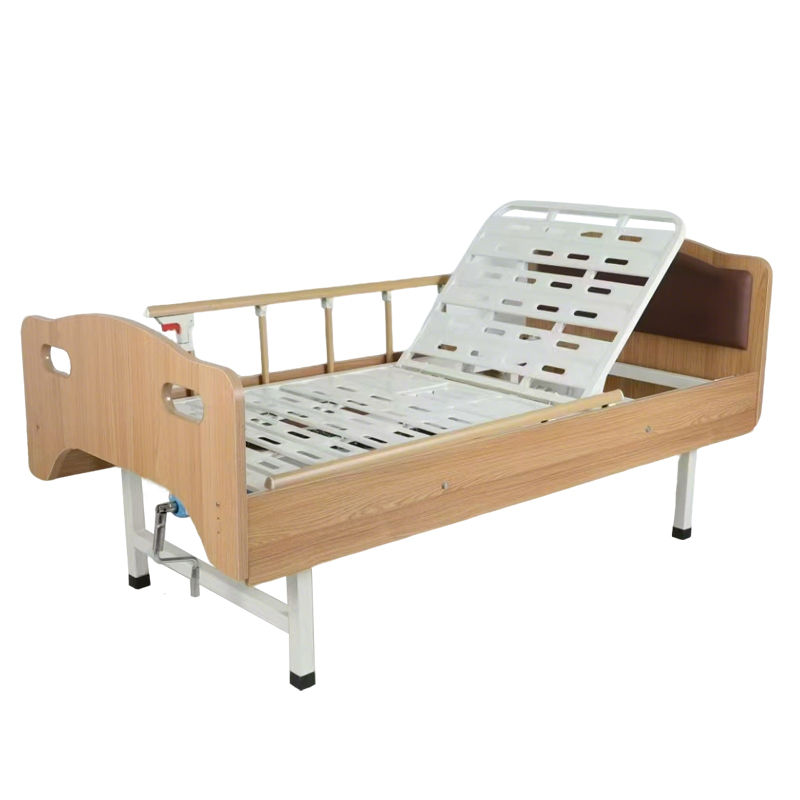
What Materials Affect Hospital Bed Costs?
Material quality directly impacts both manufacturing costs and long-term durability.
Steel Frame Construction
Steel is the primary structural material used in hospital beds.
Higher-grade steel provides:
- Better load-bearing capacity
- Improved stability
- Durée de vie prolongée
- Greater corrosion resistance
Powder-coated steel frames generally cost more but perform better in demanding healthcare environments.
ABS Plastic Components
ABS materials are commonly used for:
- Têtes de lit
- Marchepieds
- Barrières latérales
- Control covers
High-quality ABS components improve:
- Durabilité
- Appearance
- Impact resistance
- Cleaning efficiency
Premium ABS materials increase production costs but improve overall product quality.
Mattress Systems
Mattress pricing varies greatly depending on:
- Foam density
- Pressure relief technology
- Waterproof capability
- Antibacterial treatment
- Breathability
Anti-decubitus mattresses designed for pressure ulcer prevention can substantially increase total procurement expenses.
Why Are Electric Hospital Beds More Expensive?
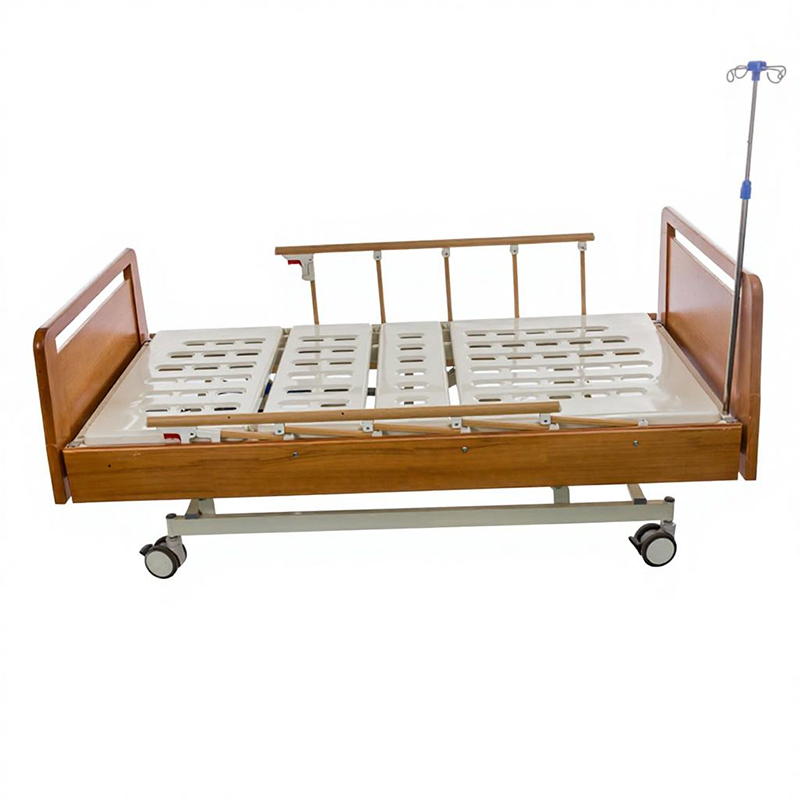
Electric hospital beds require sophisticated mechanical and electronic systems that increase production complexity.
Linear Actuators and Motors
Electric beds rely on actuator systems for movement.
High-quality motors provide:
- Fonctionnement fluide
- Low noise
- Better stability
- Durée de vie plus longue
- Enhanced safety
Reliable motor systems are one of the largest cost drivers in electric hospital bed manufacturing.
Electronic Control Systems
Modern electric beds often include:
- Handset controls
- Groupes d'infirmières
- Safety lock systems
- Position memory
- Systèmes d'alimentation de secours par batterie
These technologies improve usability but increase manufacturing costs.
Compliance and Certifications
Beds exported to regulated markets often require:
- Certification CE
- normes ISO
- Electrical safety testing
- Quality management audits
Compliance costs are included in the final product price.
What Hidden Costs Should Hospital Bed Buyers Consider?
Many first-time buyers underestimate additional procurement expenses beyond the quoted unit price.
International Shipping Costs
Shipping expenses may include:
- Ocean freight
- Container loading
- Customs clearance
- Import duties
- Inland transportation
Large electric beds occupy more container space, which affects freight efficiency.
Packaging Requirements
Export-grade packaging increases logistics safety but also adds costs.
Packaging options may include:
- Carton packaging
- Wooden crates
- Foam protection
- Palletization
Different countries may also have specific packaging regulations.
Installation and Training
Advanced hospital beds may require:
- Technical installation
- User training
- Maintenance instruction
These service costs should be considered during procurement planning.
Disponibilité des pièces de rechange
Long-term maintenance often involves:
- Motor replacement
- Roulettes
- Barrières latérales
- Hand controllers
- Batteries
Reliable spare parts supply is critical for minimizing equipment downtime.
How Can Buyers Reduce Hospital Bed Procurement Costs?
Strategic purchasing methods can significantly improve budget efficiency without sacrificing quality.
Buy Directly From Manufacturers
Factory-direct sourcing eliminates intermediary markups.
Manufacturers like Jcare can often provide:
- Des prix plus compétitifs
- Des délais de livraison plus courts
- Stock stable
- Personnalisation OEM
- Better communication
Direct purchasing also improves quality control transparency.
Purchase in Bulk
Bulk procurement improves:
- Unit pricing
- Container efficiency
- Negotiation leverage
Wholesale buyers frequently reduce costs through full-container orders.
Standardize Product Specifications
Excessive customization often increases:
- Production complexity
- Spare parts diversity
- Maintenance difficulty
Standardized configurations usually offer better long-term cost efficiency.
Compare Total Ownership Costs
The lowest initial price does not always represent the best investment.
Les acheteurs doivent évaluer :
- Durée de vie du produit
- Fréquence d'entretien
- Repair costs
- Couverture de la garantie
- Risques liés aux temps d'arrêt
High-quality beds may reduce operational expenses over time.
How Do Regional Markets Influence Hospital Bed Pricing?
Hospital bed purchasing behavior differs significantly across international markets.
Developing Markets
In regions such as:
- Asie du Sud-Est
- Africa
- Parts of the Middle East
buyers often prioritize:
- Affordable pricing
- Basic functionality
- Durabilité
- Entretien facile
Manual and semi-electric beds are especially popular in these regions.
Developed Markets
Healthcare facilities in:
- L'Europe
- ÉTATS-UNIS
- Japon
- Corée du Sud
typically demand:
- Advanced electronic systems
- Strict certifications
- Premium materials
- Enhanced ergonomics
These requirements naturally increase product pricing.
What Should Buyers Ask Before Requesting a Quotation?
Clear communication improves quotation accuracy and procurement efficiency.
Important questions include:
- What functions are required?
- What patient weight capacity is needed?
- Which certifications are mandatory?
- Are mattresses included?
- Are side rails required?
- What voltage standards are needed?
- What is the target order quantity?
- Is OEM branding required?
- What packaging standards are preferred?
- What delivery timeline is expected?
Providing detailed requirements helps suppliers prepare accurate quotations and avoid misunderstandings.
How Can Suppliers Create Competitive Pricing Strategies?
Hospital bed manufacturers and distributors must balance competitiveness with profitability.
Value-Based Pricing
This strategy focuses on:
- Qualité des produits
- Respect des normes de sécurité
- Assistance technique
- Warranty service
- Delivery reliability
It works well in premium healthcare markets.
Competitive Pricing
This approach targets:
- Appels d'offres gouvernementaux
- Bulk procurement projects
- Price-sensitive regions
However, extremely low pricing may reduce profit margins and service quality.
Tiered Product Strategies
Many suppliers offer:
- Economy models
- Standard ward beds
- Premium ICU systems
Tiered pricing allows suppliers to target multiple customer segments simultaneously.
Conclusion
Hospital bed pricing depends on multiple factors including functionality, materials, motor systems, certifications, logistics, and after-sales support. Buyers who understand the complete cost breakdown can make smarter procurement decisions and avoid hidden expenses. Whether purchasing manual beds for clinics or advanced ICU systems for hospitals, evaluating long-term value instead of focusing only on initial pricing is essential for successful healthcare procurement.
Have questions about hospital bed sourcing, pricing strategies, or wholesale procurement? Feel free to leave a comment or share this article with your team and industry partners.