
Many hospitals, clinics, and home care buyers often worry that hospital beds may be difficult to assemble, complicated to maintain, or expensive to repair over time. Improper installation can lead to safety risks, operational delays, and higher maintenance costs, especially in busy healthcare environments. Fortunately, modern hospital beds are designed with modular structures, user-friendly installation systems, and simplified maintenance features that make long-term operation far easier and more cost-effective.
Yes, most modern hospital beds are designed to be relatively easy to install and maintain. Manual and electric hospital beds commonly feature modular components, quick assembly systems, and accessible maintenance structures. With proper installation instructions, regular inspections, and preventive maintenance, healthcare facilities can reduce downtime, extend product lifespan, improve patient safety, and minimize long-term operational costs.
Understanding installation and maintenance requirements helps buyers choose safer, more reliable, and cost-efficient hospital bed solutions.
Are Hospital Beds Difficult to Install?
Hospital beds are generally much easier to install today than many buyers expect. Modern manufacturers understand that hospitals, distributors, and healthcare facilities require fast setup procedures to reduce labor costs and improve operational efficiency.
Most hospital beds arrive partially assembled to simplify transportation while reducing packaging size. Depending on the model, installation may involve attaching side rails, mounting casters, securing the headboard and footboard, and connecting electrical systems.
For experienced medical equipment teams, a standard hospital bed installation may take only 20 to 40 minutes. Home care beds are often even simpler because they are designed for residential users and caregivers with limited technical experience.
Reliable manufacturers also provide:
- Detailed installation manuals
- Video assembly instructions
- Online technical support
- Spare parts assistance
- Pre-labeled components
These features significantly reduce installation complexity for hospitals and distributors handling large quantities of beds.
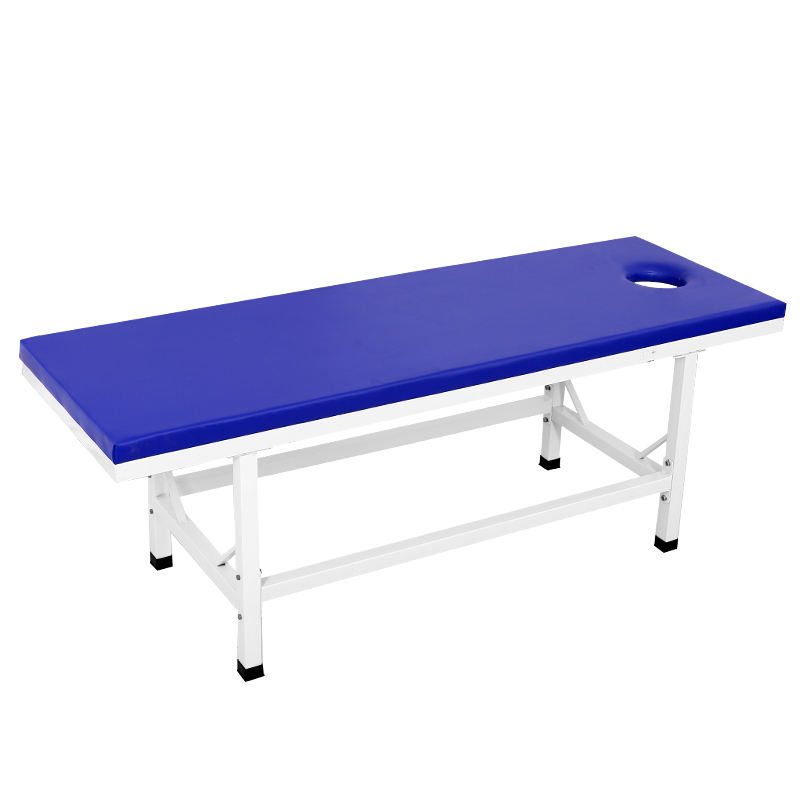
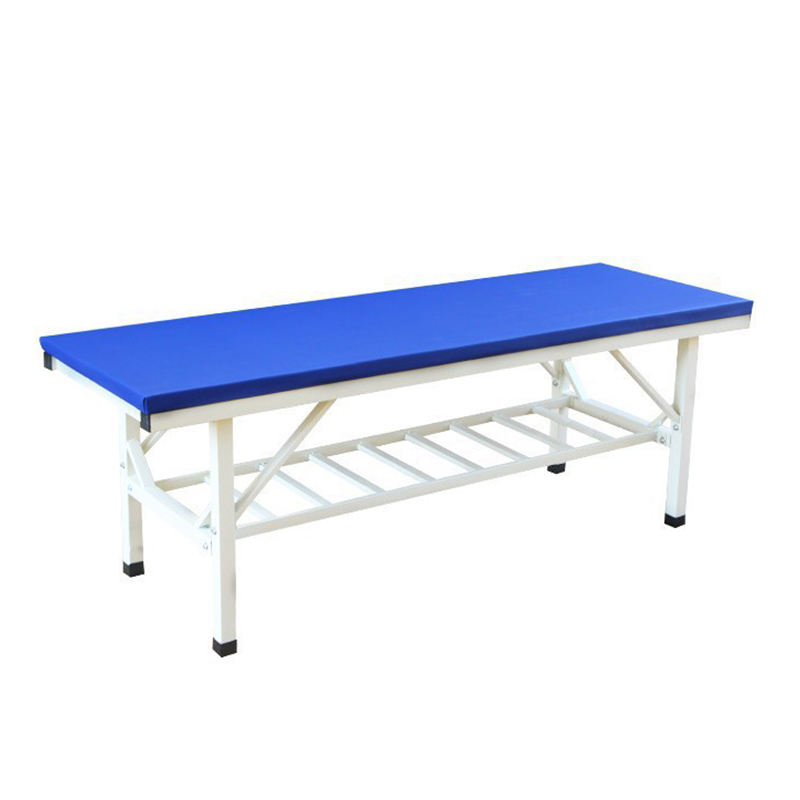
What Components Need to Be Installed on a Hospital Bed?
Hospital beds consist of several core components that are either pre-installed or assembled during setup.
Bed Frame
The bed frame is the main structural foundation of the hospital bed. Most modern frames use bolt-based or quick-lock assembly systems that simplify installation while maintaining structural stability.
Barrières latérales
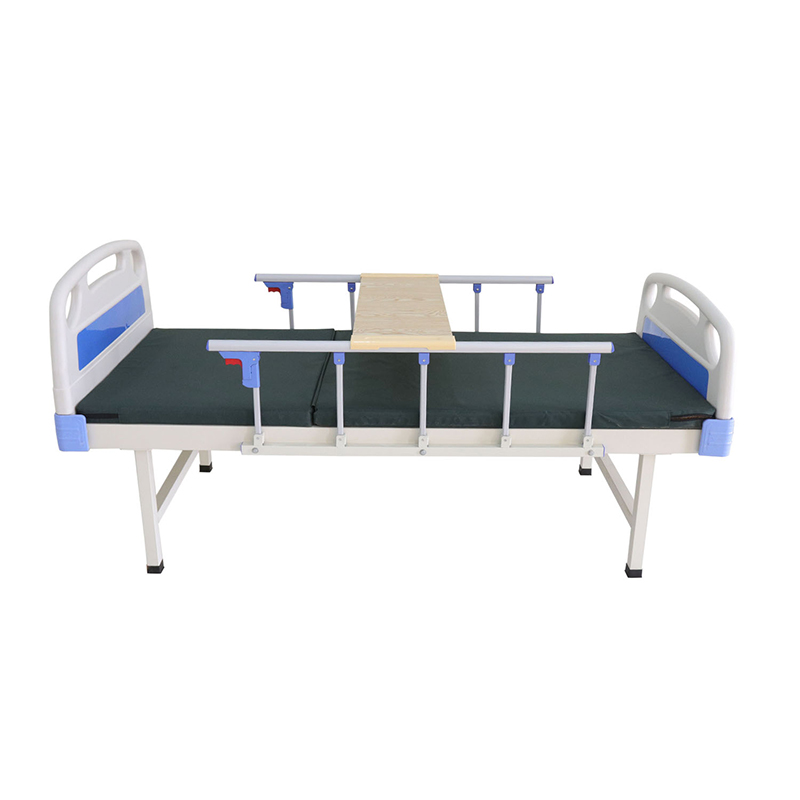
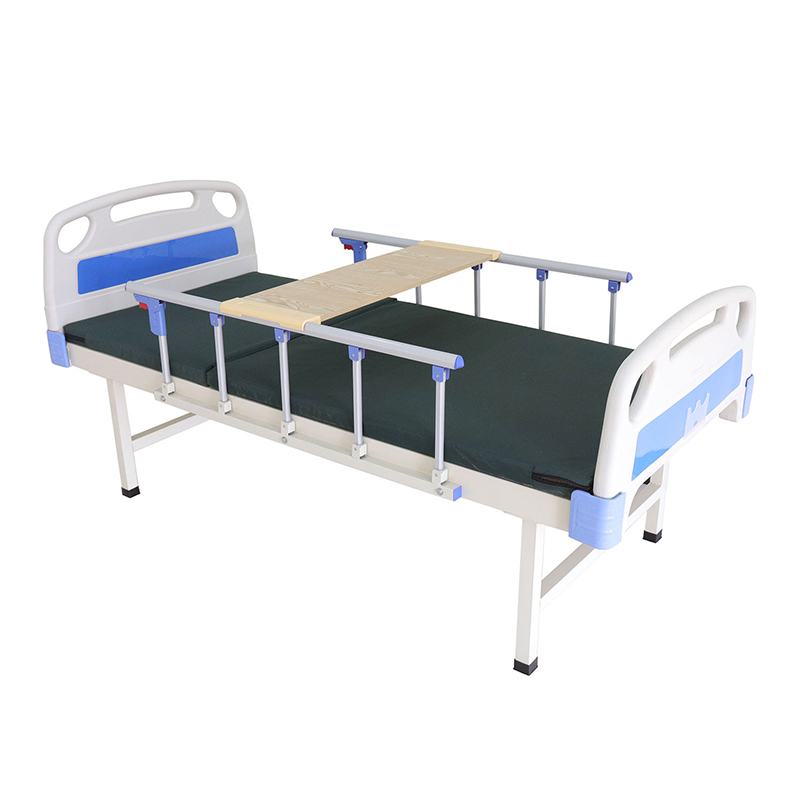
Side rails improve patient safety and help prevent accidental falls. Depending on the model, beds may use ABS side rails or aluminum alloy folding rails.
Roulettes
Hospital bed casters allow smooth mobility inside healthcare facilities. Most beds use central locking or individual braking systems to ensure stability after positioning.
Headboard and Footboard
These detachable panels help improve transportation efficiency and simplify maintenance access.
Electric Motor Systems
Electric hospital beds require motor installation and control box connections. However, modern plug-in systems make this process much simpler than older electrical designs.
Accessoires
Optional accessories may include:
- Poteaux à perfusion
- Over bed tables
- Mattress retainers
- Patient lifting poles
- Crochets pour poches à urine
- Bedside storage systems
Manufacturers serving international wholesale markets often standardize component structures to improve installation efficiency across different regions.
Are Electric Hospital Beds Harder to Maintain?
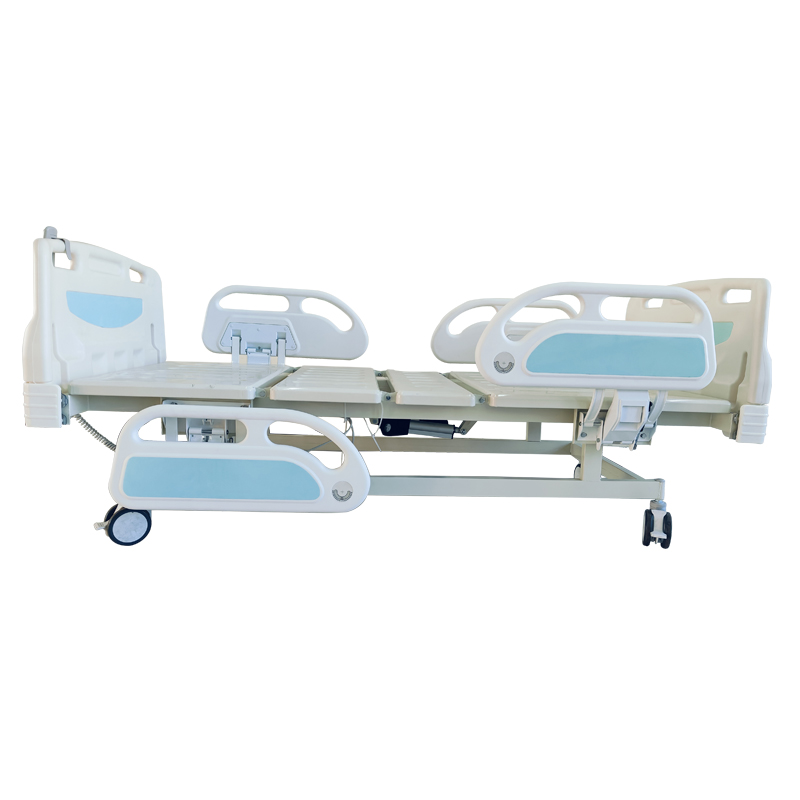
Electric hospital beds require slightly more maintenance than manual beds because they include motors, control systems, and electrical components. However, modern electric beds are designed for durability and simplified servicing.
Routine maintenance is usually straightforward and may include:
- Inspecting electrical cables
- Testing remote controllers
- Checking motor operation
- Cleaning moving mechanisms
- Tightening structural fasteners
- Lubricating adjustable joints
Most modern motor systems use modular technology. This means damaged motors or control boxes can often be replaced individually instead of replacing the entire bed system.
This modular approach significantly reduces repair costs and minimizes downtime for healthcare facilities.
Many hospitals now prefer electric beds because the improved patient comfort and caregiver convenience outweigh the slightly higher maintenance requirements.
How Often Should Hospital Beds Be Maintained?
Hospital bed maintenance frequency depends on patient usage, facility conditions, and bed type.
Daily Maintenance
Healthcare staff should perform basic inspections every day, including:
- Surface cleaning
- Side rail checks
- Wheel lock testing
- Electrical function verification
- Mattress positioning inspection
Daily checks help identify small issues before they become larger operational problems.
Monthly Maintenance
Technical teams should conduct deeper inspections each month, including:
- Bolt and screw tightening
- Motor testing
- Lubrication of moving parts
- Frame stability evaluation
- Electrical cable inspection
Annual Maintenance
Comprehensive yearly maintenance may include:
- Full electrical safety testing
- Weight capacity evaluation
- Motor replacement assessment
- Rust and corrosion inspection
- Brake system performance testing
Preventive maintenance programs help hospitals extend equipment lifespan while reducing emergency repairs.
What Are the Most Common Hospital Bed Maintenance Problems?
Even high-quality hospital beds may experience wear after years of continuous use. Understanding common issues helps facilities prepare preventive maintenance strategies.
Loose Structural Components
Frequent patient movement and transportation can gradually loosen screws, rails, or connectors.
Worn Casters
Hospital bed wheels experience constant movement and heavy loads, which may eventually affect braking performance or mobility.
Electrical Failures
Electric beds may experience motor wear, remote control damage, or cable issues after long-term use.
Damaged Side Rails
Repeated impacts or improper use can weaken folding rails or crack ABS plastic structures.
Corrosion and Surface Damage
Poor cleaning methods or humid environments can increase corrosion risk over time.
High-quality manufacturers reduce these risks by using powder-coated steel frames, durable welding techniques, and corrosion-resistant materials.
How Can Hospitals Reduce Maintenance Costs?
Reducing maintenance costs is extremely important for hospitals managing large numbers of beds.
Choose Reliable Manufacturers
High-quality manufacturers typically use better materials and more durable electrical systems, reducing long-term repair frequency.
Standardize Bed Models
Using standardized bed designs simplifies spare part management and technician training.
Former le personnel de santé
Incorrect operation is one of the leading causes of avoidable hospital bed damage.
Proper training helps reduce:
- Motor overload
- Rail damage
- Improper movement
- Electrical misuse
Follow Preventive Maintenance Schedules
Routine inspections are usually far less expensive than emergency repairs or complete equipment replacement.
Maintain Spare Parts Inventory
Keeping commonly used spare parts available reduces downtime during repairs.
This is especially important for large hospitals and distributors handling international supply chains.
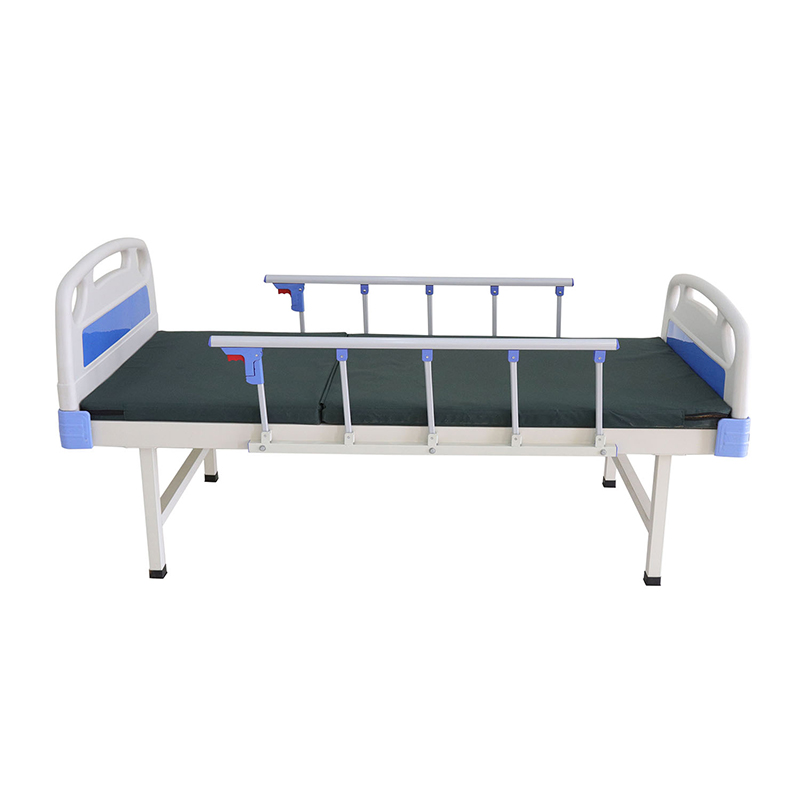
Are Manual Hospital Beds Easier to Maintain?
Manual hospital beds are generally easier and less expensive to maintain because they use fewer electrical components.
Advantages of manual beds include:
- Lower repair costs
- Simplified mechanical systems
- Reduced electrical risks
- Easier troubleshooting
- Lower maintenance frequency
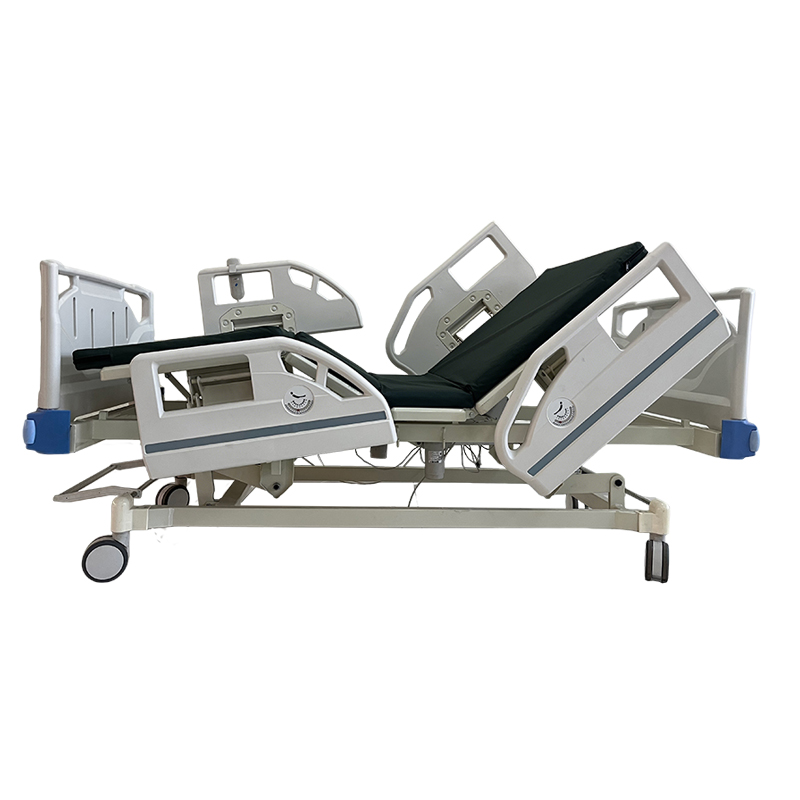
However, electric hospital beds provide advantages such as:
- Improved patient comfort
- Easier caregiver operation
- Un meilleur positionnement du patient
- Réduction de la fatigue des soignants
- Enhanced rehabilitation support
Healthcare facilities must balance maintenance simplicity with operational functionality when selecting bed types.
What Tools Are Required for Hospital Bed Installation?
Most hospital beds require only standard assembly tools.
Common installation tools include:
- Tournevis
- Clés Allen
- Adjustable wrenches
- Socket tools
- Electrical testers for powered beds
Some manufacturers also include installation kits with exported shipments.
Beds designed for global wholesale markets are typically engineered for faster assembly because distributors often install large quantities within limited timeframes.
Quick-install structures also reduce labor costs for hospitals and medical equipment dealers.
How Long Can a Hospital Bed Last?
A high-quality hospital bed can often last between 8 and 15 years with proper maintenance and regular inspections.
Several factors influence product lifespan, including:
Qualité des matériaux
Steel frame thickness and coating quality directly affect durability.
Fréquence d'utilisation
Beds used in intensive care environments may wear faster than home care beds.
Maintenance Quality
Preventive maintenance significantly extends operational lifespan.
Weight Capacity Management
Exceeding designed weight limits may damage structural and electrical systems.
Conditions environnementales
Humidity, cleaning chemicals, and transportation frequency also affect long-term durability.
Hospitals increasingly prioritize durable hospital beds because longer lifespan reduces total ownership costs over time.
Why Is Easy Maintenance Important for Healthcare Facilities?
Easy maintenance directly affects healthcare efficiency, patient safety, and financial performance.
Benefits of simplified maintenance include:
- Reduced equipment downtime
- Faster repairs
- Lower labor costs
- Amélioration de la sécurité des patients
- Better operational efficiency
- Extended product lifespan
Healthcare facilities managing hundreds of beds especially value products with modular structures because technicians can replace components quickly without removing the entire bed from service.
This is particularly important for:
- Hôpitaux
- Centres de réadaptation
- Maisons de retraite
- Cliniques privées
- Home care providers
Reliable maintenance systems help healthcare providers maintain stable patient care quality while controlling operational expenses.
How Do Professional Manufacturers Support Installation and Maintenance?
Experienced manufacturers provide more than just hospital beds. They also support customers with technical assistance and after-sales service.
Professional support may include:
- Formation sur les produits
- Online technical guidance
- Installation manuals
- Maintenance documentation
- Spare parts supply
- Video tutorials
- Fast replacement services
For international B2B buyers, after-sales support is extremely important because equipment downtime can directly affect healthcare operations.
As a professional Chinese hospital bed manufacturer, Jcare focuses on providing stable quality, factory-direct pricing, ample stock, and short delivery times for global healthcare distributors and medical purchasers.
Strong technical support helps buyers reduce long-term risks while improving purchasing confidence.
Conclusion
Modern hospital beds are generally designed to be easy to install and maintain, especially when sourced from reliable manufacturers with strong technical support. Modular structures, simplified electrical systems, and standardized components allow hospitals, clinics, and distributors to reduce installation time, minimize maintenance costs, and improve long-term operational efficiency. With proper preventive maintenance and regular inspections, both manual and electric hospital beds can provide many years of safe and reliable service. If you have experience installing or maintaining hospital beds, feel free to share your insights or questions in the comments and discuss best practices with other healthcare professionals.