
Hospitals often ask when they should replace aging hospital beds and what factors matter most during procurement. However, delaying replacement can increase maintenance expenses, reduce caregiver efficiency, and affect patient safety. A structured evaluation of bed condition, functions, durability, cost, and supplier support can help hospitals make better replacement decisions.
When replacing old hospital beds, hospitals should consider patient safety, required functions, maintenance costs, durability, infection control, budget, and supplier reliability. The right replacement strategy helps healthcare facilities improve patient care, reduce operational problems, and choose beds that provide better long-term value.
Replacing hospital beds is a major investment decision. Understanding the key factors can help hospitals avoid costly mistakes.
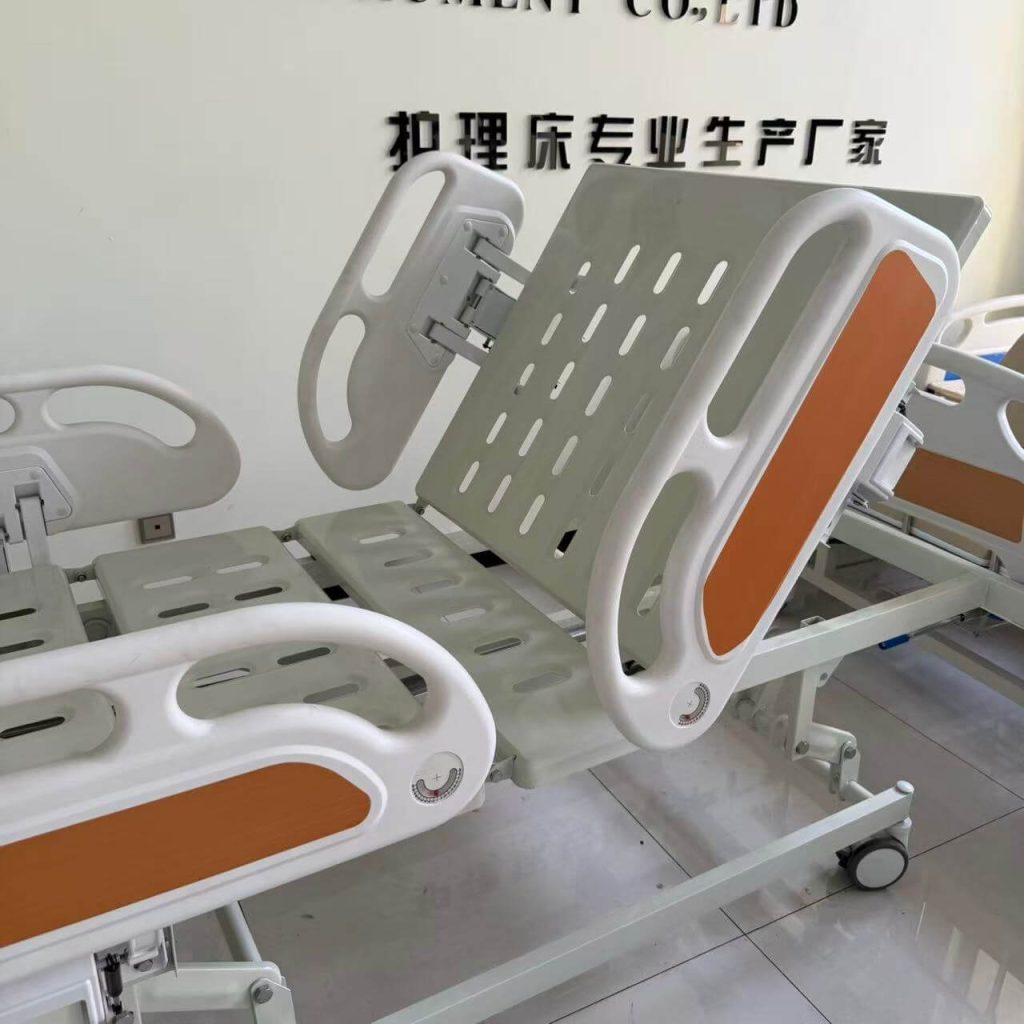
Why Do Hospitals Need to Replace Old Hospital Beds?
Hospital beds are essential medical equipment that directly supports patient care, nursing activities, and daily hospital operations. Unlike ordinary furniture, hospital beds are used continuously under demanding conditions. They must support different patient needs, withstand frequent movement, and maintain reliable performance over many years.
Many healthcare facilities continue using older beds because replacement requires budget planning and operational coordination. However, keeping outdated equipment for too long may create additional challenges. A bed that frequently requires repairs or lacks modern functions can increase costs and reduce efficiency.
Increasing Repair and Maintenance Costs
One of the most common reasons hospitals replace old beds is the increasing cost of maintenance. As hospital beds age, mechanical parts, electrical systems, wheels, side rails, and adjustment mechanisms may begin to fail more frequently.
Although repairing an old bed may seem cheaper than purchasing a new one, repeated repairs can become expensive over time. Hospitals may spend money on replacement parts, technician services, and downtime management. In some cases, the total maintenance cost can approach the price of purchasing new equipment.
A new hospital bed can provide more predictable operating costs because it usually includes updated components, improved durability, and easier access to spare parts.
Limited Support for Modern Patient Care
Healthcare requirements continue to change. Modern hospitals need equipment that supports safer patient positioning, easier transfers, and more efficient nursing procedures.
Older hospital beds may only provide basic functions, such as manual backrest adjustment, while newer models may offer electric height adjustment, leg positioning, low-height settings, mobility features, and additional safety designs.
If existing beds cannot meet current clinical needs, replacement may help hospitals improve service quality and create a better environment for both patients and caregivers.
Impact on Patient and Staff Safety
Patient safety is one of the most important considerations when evaluating hospital bed replacement. Aging beds may have problems such as unstable frames, damaged side rails, worn wheels, or unreliable locking systems.
These issues can increase risks during patient transfers, movement, and daily care activities. In addition, older designs may not provide enough support for preventing falls or improving patient comfort.
For healthcare workers, difficult-to-operate beds can increase physical strain. Replacing outdated beds with more ergonomic models can help reduce workload and improve nursing efficiency.
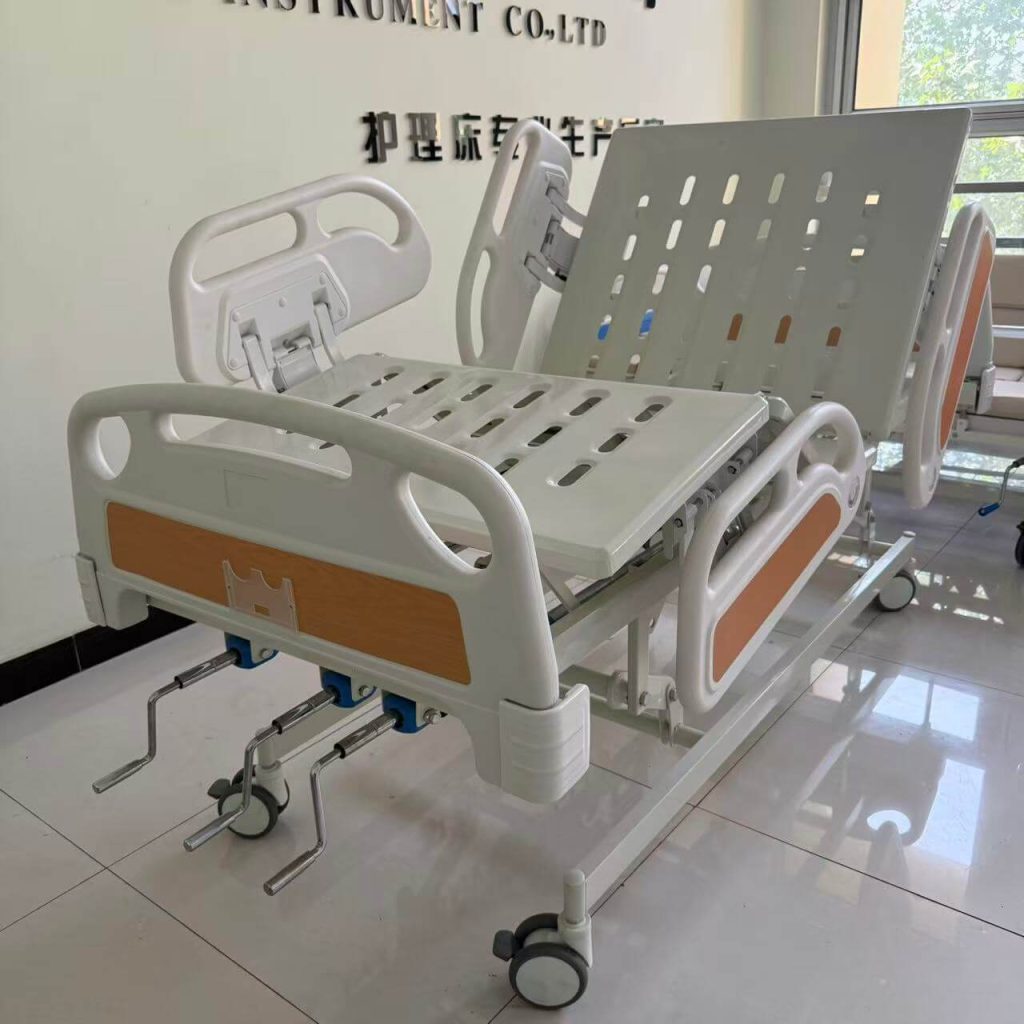
What Signs Indicate That a Hospital Bed Needs Replacement?
Hospitals should not wait until a bed completely fails before considering replacement. Regular evaluation can help identify problems earlier and allow facilities to plan purchases more effectively.
Frequent Mechanical Failures
Repeated failures are a clear indication that a hospital bed may no longer be suitable for continued use. Common problems include difficulty adjusting the backrest, malfunctioning height systems, damaged wheels, or unstable positioning.
Frequent breakdowns can interrupt patient care and create inconvenience for nursing teams. If a bed requires constant attention from maintenance staff, replacement may become a more economical choice.
Damaged Structural Components
The structural condition of a hospital bed directly affects safety. Hospitals should regularly inspect the frame, bed surface, side rails, headboards, footboards, and supporting components.
Cracks, deformation, corrosion, or loose connections may indicate that the bed has reached the end of its useful life. Even if the bed can still function, structural damage may create unnecessary risks.
Difficulty Meeting Current Clinical Requirements
A hospital bed should match the needs of the departments where it is used. For example, intensive care units may require advanced positioning functions, while general wards may prioritize durability, easy cleaning, and mobility.
If older beds cannot support current treatment processes or patient care standards, replacement should be considered as part of hospital improvement planning.
How Should Hospitals Evaluate Existing Hospital Beds Before Replacement?
Before purchasing new beds, hospitals should conduct a detailed assessment of their existing equipment. A careful evaluation helps decision-makers understand replacement priorities and avoid unnecessary spending.
Review Bed Condition and Service History
Hospitals should collect information about each bed, including purchase date, repair records, frequency of failure, and current usage condition.
Beds with higher maintenance requirements or longer service periods should generally receive higher replacement priority. This information also helps hospitals create a realistic replacement schedule.
Check Safety and Functional Performance
Hospitals should test important functions, including:
- Backrest adjustment performance
- Leg elevation functions
- Height adjustment systems
- Side rail stability
- Wheel movement and locking ability
- Overall frame strength
A bed may appear acceptable visually but still have hidden functional problems. Performance testing provides a more accurate evaluation.
Consider Department-Specific Requirements
Different hospital departments have different needs. A single replacement standard may not be suitable for every area.
For example, emergency departments may require beds with strong mobility and quick adjustment features. Long-term care departments may focus more on comfort, durability, and caregiver convenience.
Understanding actual usage scenarios helps hospitals select the right bed models instead of simply replacing old equipment with similar products.
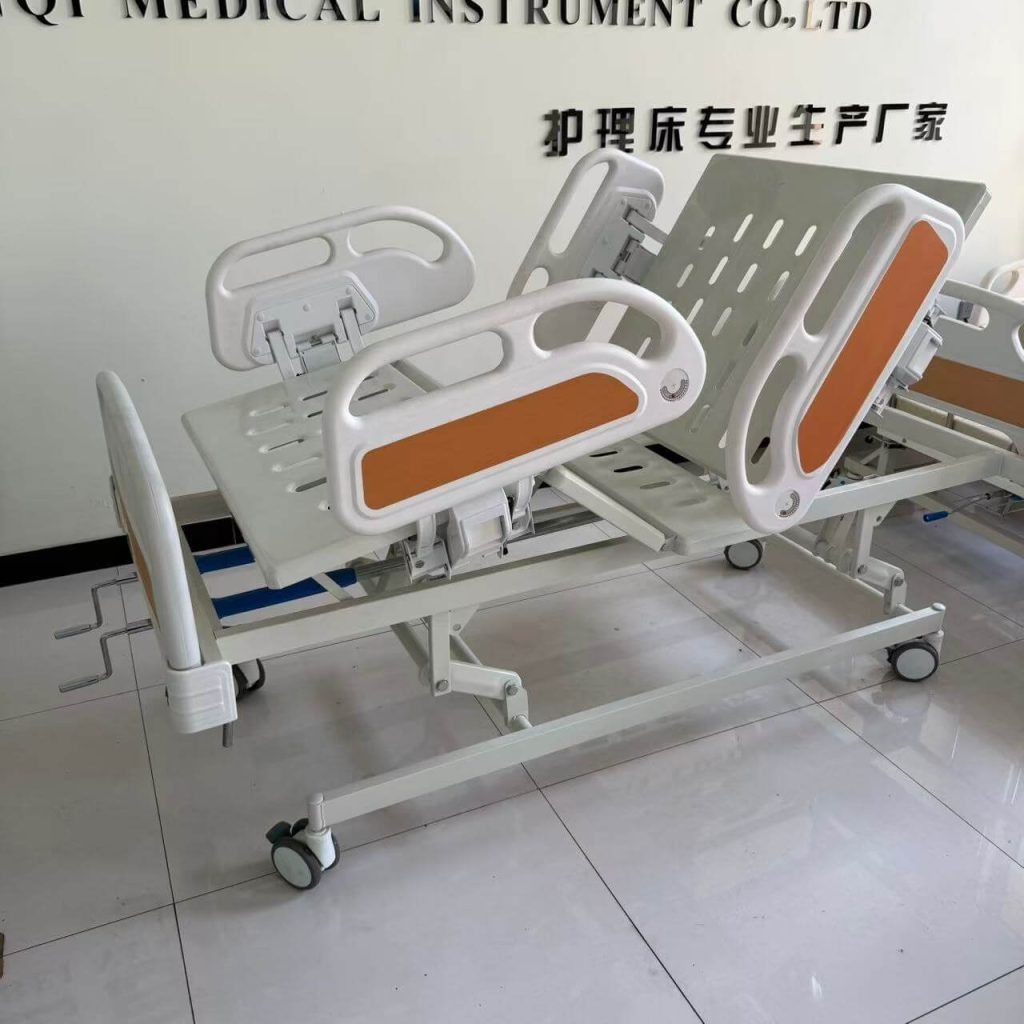
What Features Should Hospitals Consider When Buying Replacement Beds?
Choosing replacement beds requires balancing clinical requirements, operational efficiency, and purchasing budgets. Hospitals should focus on features that provide practical benefits.
Adjustable Height and Positioning Functions
Adjustable hospital beds allow caregivers to position patients more comfortably and safely. Height adjustment helps healthcare workers perform daily care tasks with less physical strain.
Different positioning options can also support patient recovery by improving comfort and allowing easier medical procedures.
For many hospitals, electric adjustment systems are becoming increasingly valuable because they provide smoother operation and better convenience compared with traditional manual adjustment methods.
Safety Side Rails and Patient Protection
Side rails are important safety components for preventing accidental falls and providing patient support.
Hospitals should evaluate whether side rails are easy for caregivers to operate while still providing reliable protection. Folding or adjustable side rail designs can improve both safety and workflow efficiency.
Easy Cleaning and Infection Control Design
Infection prevention is a major concern in healthcare environments. Hospital beds should use materials and designs that allow easy cleaning and regular disinfection.
Smooth surfaces, durable coatings, and fewer areas where dirt can accumulate can help improve hygiene management.
When replacing old beds, hospitals should consider whether the new models support their infection control procedures.
Mobility and Workflow Efficiency
Hospital beds are frequently moved between rooms, departments, and treatment areas. Reliable casters, strong brakes, and convenient mobility features can improve daily operations.
A well-designed mobile hospital bed allows staff to transport patients more efficiently while reducing unnecessary physical effort.
How Does Hospital Bed Replacement Improve Patient Care?
Replacing old beds is not only an equipment upgrade. It can directly influence patient experience and healthcare quality.
Better Patient Comfort
Modern hospital beds are designed with improved positioning options and ergonomic considerations. Patients can adjust their position more easily, which may improve comfort during hospitalization.
For patients who require longer stays, bed comfort becomes especially important because they spend significant time on the equipment.
Improved Support for Patient Transfers
Patient transfers are common in hospitals. Moving patients between beds, wheelchairs, examination areas, or treatment rooms requires safe and reliable equipment.
Newer hospital beds with stronger frames, better mobility, and improved adjustment functions can make transfers easier for both patients and caregivers.
Reduced Risk of Care-Related Problems
Appropriate bed design can help hospitals manage risks associated with patient movement, positioning, and long-term care.
Features such as adjustable height, stable locking systems, and suitable mattress platforms can contribute to safer patient management.
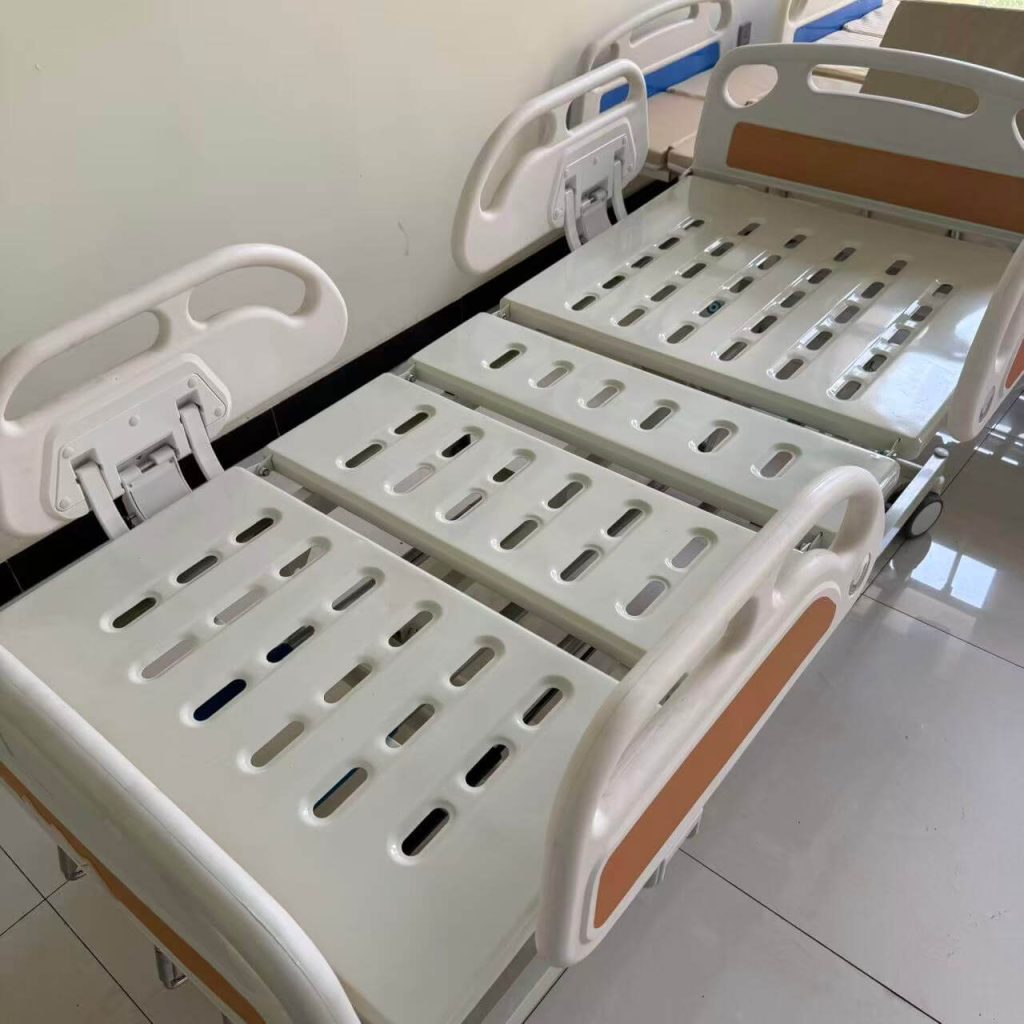
Should Hospitals Repair Old Beds or Replace Them?
The decision between repair and replacement depends on several factors. Hospitals should compare short-term costs with long-term value.
Compare Total Ownership Costs
The purchase price of a new hospital bed is only one part of the investment. Hospitals should also consider maintenance costs, spare parts availability, energy consumption, and expected service life.
A lower-cost old bed may become more expensive if it requires frequent repairs and creates operational interruptions.
Consider Spare Parts Availability
Older hospital bed models may become difficult to maintain when manufacturers stop producing certain components.
Before deciding to repair, hospitals should confirm whether spare parts and technical support remain available. Limited support can shorten the remaining useful life of the equipment.
Evaluate Long-Term Benefits
New hospital beds may provide benefits beyond equipment replacement, including improved workflow, reduced maintenance pressure, and better patient satisfaction.
A replacement project should therefore be evaluated as a long-term healthcare investment rather than only an immediate expense.
How Should Hospitals Manage Their Replacement Budget?
Budget planning is one of the biggest challenges during hospital bed replacement projects. A practical purchasing strategy can help healthcare facilities achieve better results.
Calculate Replacement Priorities
Hospitals do not always need to replace every bed at the same time. Many facilities create phased replacement plans based on department needs, equipment age, and available funding.
Critical departments and beds with serious safety concerns should usually receive priority.
Balance Price and Quality
Choosing the cheapest option may create problems in the future. Hospitals should consider product quality, durability, supplier experience, and after-sales service together with purchase price.
A reliable bed with a longer service life may provide better value than a lower-priced product requiring frequent maintenance.
Consider Bulk Purchasing Advantages
Large-scale hospital projects often involve multiple units. Purchasing in bulk may help hospitals obtain better pricing, consistent product specifications, and easier maintenance management.
Working directly with manufacturers can also provide advantages in customization, delivery planning, and technical communication.
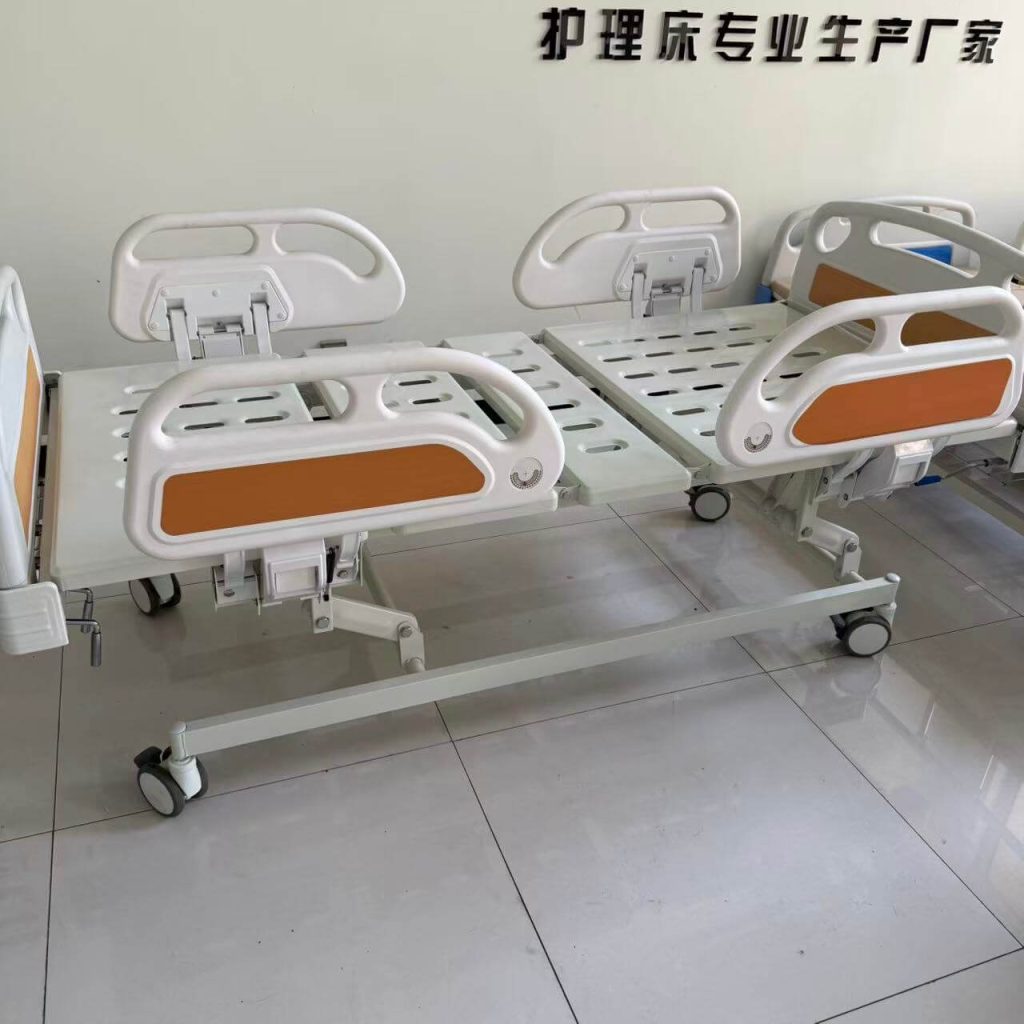
What Should Hospitals Consider When Choosing a Hospital Bed Supplier?
The supplier plays an important role in the success of a replacement project. Hospitals should evaluate suppliers carefully before making purchasing decisions.
Manufacturing Capability
A supplier with strong manufacturing capability can provide more stable quality and delivery performance.
Hospitals should consider production facilities, quality control processes, experience with medical equipment, and the ability to handle large orders.
Product Quality and Customization
Different healthcare facilities may require different specifications. A professional supplier should be able to provide suitable solutions according to hospital requirements.
Customization options may include bed dimensions, materials, functions, accessories, and configuration choices.
Asistencia posventa
Hospital beds require long-term service support. Suppliers should provide technical assistance, spare parts solutions, and communication support after delivery.
Good after-sales service helps hospitals maintain equipment performance throughout its service life.
How Can Hospitals Plan a Successful Hospital Bed Replacement Project?
A well-organized replacement plan helps reduce disruption and ensures better results.
Create a Replacement Timeline
Hospitals should establish clear replacement stages, including equipment evaluation, supplier selection, sample testing, purchasing, delivery, and installation.
A planned timeline allows departments to prepare and reduces operational interruptions.
Test Products Before Large Orders
Before purchasing large quantities, hospitals should consider testing samples in actual working environments.
Sample evaluation helps confirm whether the bed functions meet clinical requirements and whether healthcare workers find the equipment convenient to use.
Work With Experienced Manufacturers
Choosing an experienced manufacturer can simplify the replacement process. Manufacturers familiar with hospital procurement requirements can provide better guidance on product selection, configuration, and delivery planning.
Conclusión
Replacing old hospital beds is an important decision that affects patient safety, caregiver efficiency, hospital operations, and long-term costs. Hospitals should evaluate existing bed conditions, identify replacement priorities, compare repair and replacement costs, and select equipment that matches their clinical requirements.
A successful hospital bed replacement project requires careful planning, reliable products, and a trustworthy supplier. By focusing on safety, functionality, durability, and service support, healthcare facilities can make better purchasing decisions and create a more efficient care environment.
What factors are most important in your hospital bed replacement planning? Share your experience or questions in the comments, and discuss how modern hospital beds can support better healthcare outcomes.