
Hospitasts, which functions remain available during a power outage, and when the battery should be replaced. These questions matter because weak backup power can interrupt bed positioning, transport, and routine care. Understanding battery type, capacity, charging, maintenance, and supported functions helps buyers compare electric hospital beds more accurately.
Hospital bed battery backup is designed to keep selected powered functions available when AC power is interrupted or the bed is being moved. Buyers should verify which functions work on battery, expected operating cycles, charging time, battery chemistry, replacement requirements, warning indicators, and spare-battery availability. Battery capacity alone is not enough; the complete backup-power design determines how useful the system will be in daily hospital operation.
Battery backup should be evaluated as part of the bed’s complete electrical system. The following questions help buyers turn a simple specification into a practical procurement decision.
What Is Hospital Bed Battery Backup?
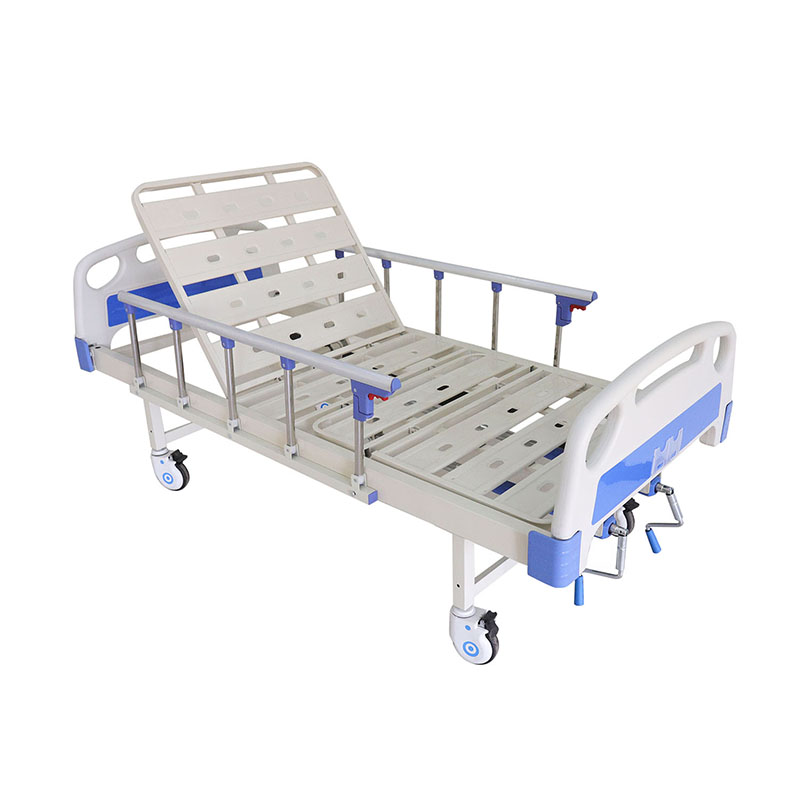
Hospital bed battery backup is an onboard rechargeable power source that allows an electric bed to keep operating when disconnected from wall power. Depending on the design, it may support backrest adjustment, leg positioning, bed height, Trendelenburg functions, nurse call, transport features, displays, or only essential movements.
Manufacturer manuals show that behavior differs by model: some beds continue positioning during power loss while optional systems may remain unavailable.
For buyers, “battery backup included” is therefore not a complete specification. The purchase document should state exactly which functions remain active on battery.
Why Does Battery Backup Matter in Hospital Bed Purchasing?
Power Outages Are Only One Use Case
Backup batteries are commonly associated with blackouts, but beds are also unplugged during patient transfer, cleaning, maintenance, or movement between departments. A charged battery lets caregivers continue essential adjustments. It should generally be treated as temporary support rather than a permanent substitute for mains power; manufacturer guidance commonly recommends reconnecting the bed to AC power whenever possible. up Power Supports Workflow Continuity
A bed that can still change height or patient position during transport may be more useful than one with a larger battery rating but fewer supported functions. Procurement teams should therefore connect battery specifications to workflow: How frequently is the bed unplugged? Which movements must remain available? How quickly can staff reconnect it to power?
Which Bed Functions Should Work on Battery?
This is one of the most important questions to send to a hospital bed supplier.
Buyers should request a written function list covering backrest and leg adjustment, bed height, Trendelenburg, CPR-related movements, weighing functions, alarms, nurse call, powered drive systems, screens, and integrated mattress systems.
Not every function will operate on battery. A bed may preserve positioning but not power optional accessories, and some systems enter power-saving mode after inactivity. ers or distributor orders, “battery backup: yes” is too vague. A better requirement is “battery backup must support the following functions…” followed by the exact movements or systems required by the project.
How Long Should a Hospital Bed Battery Last?
There is no single runtime that applies to every hospital bed.
Battery endurance depends on capacity, chemistry, age, charge level, motor load, patient weight, actuator movements, temperature, and other electrical loads. Suppliers may therefore state operating cycles or a defined test condition instead of a fixed number of hours.
Ask for Test Conditions, Not Only a Runtime Number
If a supplier states that a battery lasts “several hours,” ask how that figure was measured: how many movements, at what load, and with which functions enabled? A more useful comparison may be positioning cycles under a defined load. Buyers should also ask about low-battery warnings; Hillrom documentation, for example, describes visual and audible alerts as charge falls. Battery Types Are Used in Electric Hospital Beds?
Lead-acid and lithium-ion batteries are both used in healthcare equipment, depending on the bed design.
Lead-Acid Batteries
Sealed lead-acid systems are established and familiar to many service teams. They can suit applications where weight is less important, although performance can decline with age, repeated deep discharge, heat, and poor charging habits.
Lithium-Ion Batteries
Lithium-ion batteries can offer lower weight and longer cycle life in suitable designs. LINAK, for example, offers lithium-ion packs for medical applications with charge-status indication and washable protection in selected products. er option depends on bed design, service network, export market, replacement availability, and maintenance strategy.
How Long Does Hospital Bed Battery Charging Take?
Charging time varies by product and by the depth of discharge.
Deeply discharged batteries may require many hours before returning to operational status. Centrella documentation notes up to 24 hours in one case, while documentation for another Hillrom model states up to 36 hours. gures are model-specific, so buyers should request charging data for the exact bed being purchased.
Ask three separate questions: How long does normal top-up charging take? How long after deep discharge? Can the bed operate normally while charging?
How Often Should Backup Batteries Be Replaced?
Battery replacement should follow manufacturer recommendations, battery condition, charging behavior, and maintenance records. No single interval fits every bed.
Look for Condition-Based Replacement Guidance
Warning signs include fast loss of charge, failure to reach full charge, repeated low-battery alarms, reduced motor performance, swelling, heat, visible damage, or inability to complete expected positioning tasks.
Manufacturer instructions may define service triggers. Baxter documentation for one bariatric bed platform, for example, recommends service when charging indicators behave abnormally or repeated transports bring the battery to a low condition. hould confirm who can replace the battery and whether the part will remain available over the bed’s service life.
What Maintenance Does Battery Backup Need?
Battery backup works best when it is included in preventive maintenance rather than checked only after a failure.
Hospitals can verify charge indicators, test required movements on battery under controlled conditions, inspect cables and housings, and record abnormal discharge. When recommended by the manufacturer, the bed should remain connected to AC power while stationary. nce teams should also know who is authorized to replace the battery. Some manufacturers restrict battery replacement to qualified service personnel, which affects after-sales planning and long-term service cost. Should Buyers Check About Battery Safety and Shipping?
For international procurement, battery safety is both a product issue and a logistics issue.
If a hospital bed uses lithium batteries, buyers should request battery identification and transport documentation. The UN Manual of Tests and Criteria includes subsection 38.3 for lithium batteries, and IATA guidance requires an available test summary showing the battery type has met applicable UN 38.3 requirements. s should also check whether the battery is installed, packed with the equipment, or shipped separately, because transport requirements can differ. Carrier and destination requirements should be confirmed before shipment.
What Questions Should Be Included in a Hospital Bed RFQ?
A strong RFQ makes battery comparison much easier. Buyers should request:
- Battery chemistry, voltage, capacity, and approved battery model.
- Exact functions available during AC power loss.
- Expected operating cycles or runtime under defined test conditions.
- Normal charging time and deep-discharge recovery time.
- Low-battery indicators, alarms, and power-saving behavior.
- Replacement criteria and recommended service interval.
- Battery warranty and replacement price.
- Whether authorized personnel are required for replacement.
- Spare-battery availability and lead time.
- Storage requirements for beds kept unused.
- Lithium-battery transport documentation when applicable.
- Availability of spare batteries with the original shipment.
These questions help procurement teams compare operating value rather than selecting a bed only by initial unit price.
How Should Hospitals Compare Battery Backup Between Suppliers?
Create a simple comparison sheet for every shortlisted bed model. Include supported functions, battery chemistry, capacity, tested cycles, charging time, warning system, replacement procedure, battery price, warranty, spare-parts lead time, and shipping documentation.
Then compare these factors against actual use. A private clinic may prioritize simple maintenance and lower replacement cost. A large hospital may value transport capability, battery-status indication, standardized spare parts, and rapid service. A distributor may focus on replacement-battery availability across several export markets.
The best backup system is not necessarily the one with the largest capacity. It is the one that reliably supports the required workflow and can be maintained throughout the bed’s service life.
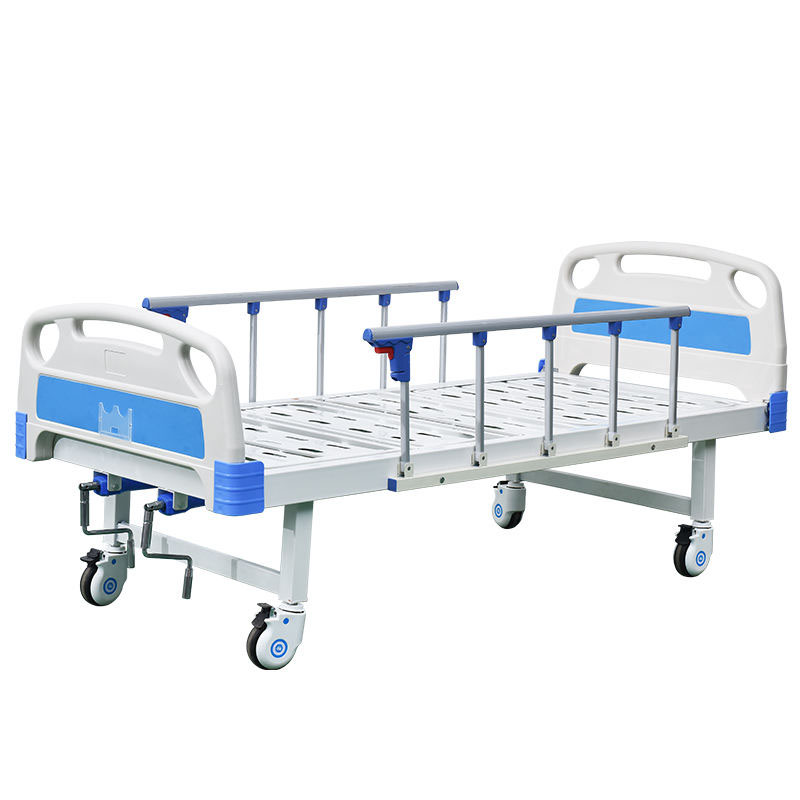
How Can Jcare Support Hospital Bed Battery Backup Requirements?
Jcare supplies hospital beds, home care beds, rehabilitation products, medical furniture, and medical bed accessories for wholesale projects and international buyers.
For electric hospital beds with battery backup, buyers can confirm required functions, electrical configuration, target market, order quantity, spare-parts needs, packaging, and shipping requirements before order confirmation. This is especially useful for hospitals, clinics, distributors, and medical-equipment purchasers that require consistent specifications across a bulk order.
As a China-based B2B supplier, Jcare focuses on factory pricing, stock availability, short delivery times, and practical purchasing support. Battery specifications should be confirmed model by model so the selected bed matches the project instead of relying on a generic “battery backup” description.
Conclusión
Hospital bed battery backup should be evaluated as part of the complete electrical system, not as a small accessory. Buyers need to know which functions remain active, how performance is tested, how charging and replacement work, and whether spare parts and shipping documents are available.
Before placing a bulk order, include required backup functions and test conditions directly in the RFQ or purchase specification. This reduces misunderstandings and makes future maintenance easier.
What matters most in your hospital bed project—runtime, supported functions, charging time, or replacement cost? Share your procurement priorities or send this article to a colleague comparing electric hospital beds.