
Many hospitals, clinics, distributors, and home care providers ask the same question when sourcing healthcare equipment: what features truly matter when choosing a medical bed for sale? Making the wrong decision can lead to patient discomfort, caregiver inefficiency, increased maintenance costs, and unnecessary replacement expenses. Fortunately, by understanding the key features that define a high-quality medical bed, buyers can select products that improve patient care, enhance safety, and deliver long-term value.
When evaluating a medical bed for sale, buyers should focus on adjustability, safety features, durability, weight capacity, patient comfort, mobility, infection control, ease of maintenance, and supplier reliability. The best medical beds support both patients and caregivers while offering long-term performance, regulatory compliance, and cost-effective operation for healthcare facilities and home care environments.
Discover the details that separate a standard medical bed from a truly reliable healthcare investment.
Why is selecting the right medical bed so important?
A medical bed is one of the most frequently used pieces of equipment in any healthcare environment. Whether installed in a hospital, rehabilitation center, nursing facility, or home care setting, the bed directly influences patient comfort, recovery outcomes, and caregiver efficiency.
Unlike ordinary furniture, medical beds are designed to support treatment, mobility assistance, patient monitoring, and safety. Choosing an unsuitable bed can create challenges for both caregivers and patients.
For healthcare organizations, the wrong purchase decision may result in:
- Aumento de los gastos de mantenimiento
- More frequent equipment replacement
- Menor satisfacción de los pacientes
- Higher caregiver workload
- Mayores riesgos para la seguridad
A quality medical bed helps healthcare facilities improve operational efficiency while delivering better patient experiences.
¿Qué tipos de camas médicas hay disponibles?
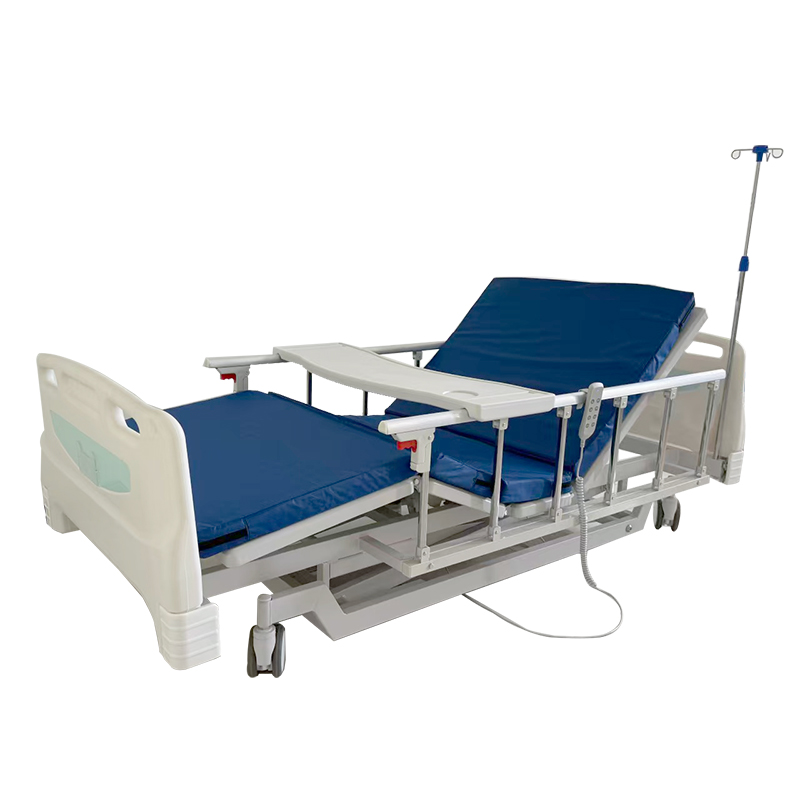
Before evaluating features, buyers should understand the primary categories of medical beds available in today’s market.
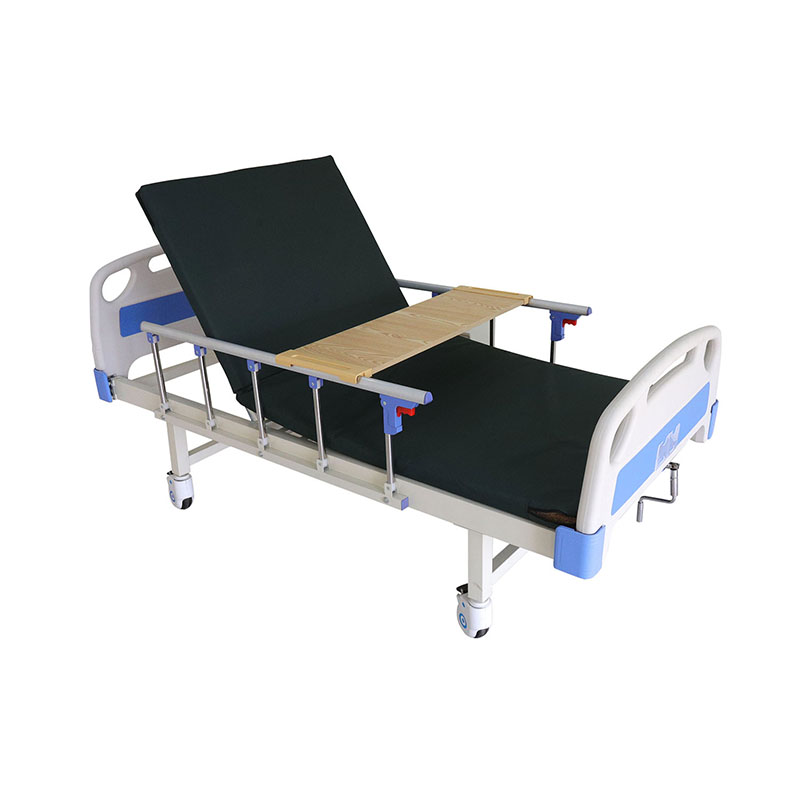
Camas médicas manuales
Manual beds use mechanical crank systems to adjust patient positioning.
Los beneficios incluyen:
- Menores costes de compra
- Simple operation
- Minimal electrical requirements
- Fácil mantenimiento
These beds are commonly used in budget-conscious facilities and temporary care settings.
Camas médicas semieléctricas
Semi-electric beds combine electric adjustment functions with manual height controls.
Entre las ventajas se incluyen:
- Mejor colocación del paciente
- Reduced caregiver effort
- Lower costs compared to fully electric models
Many healthcare facilities choose semi-electric beds as a balance between functionality and affordability.
Camas médicas totalmente eléctricas
Fully electric medical beds provide electronic control over all major adjustment functions.
Los beneficios incluyen:
- Enhanced patient independence
- Greater caregiver efficiency
- More precise positioning
- Mayor comodidad
They are widely used in hospitals, rehabilitation centers, and long-term care facilities.
Specialized Medical Beds
Certain patients require specialized support systems.
Algunos ejemplos son:
- Camas UCI
- Camas bariátricas
- Camas pediátricas
- Camas de rehabilitación
- Camas de asistencia a domicilio
- Ultra-low beds
- Rotating nursing beds
Each category addresses unique clinical requirements.
What Adjustment Functions Should a Medical Bed Include?
Adjustability is often the first feature buyers evaluate because it directly affects patient comfort and treatment effectiveness.
Ajuste del respaldo
Backrest elevation allows patients to:
- Come a tu gusto
- Read and communicate
- Ver la televisión
- Improve breathing efficiency
Patients with respiratory conditions especially benefit from adjustable backrest positions.
Leg Rest Adjustment
Elevating the legs helps improve circulation and reduce swelling.
This feature is particularly useful for:
- Pacientes de edad avanzada
- Recuperación posoperatoria
- Long-term care patients
- Individuals with circulation issues
Ajuste de altura
Height-adjustable beds improve safety and convenience.
Los beneficios incluyen:
- Easier patient transfers
- Menor carga para los cuidadores
- Better wheelchair accessibility
- Safer entry and exit
This feature is considered essential in modern healthcare environments.
Funciones de Trendelenburg y de Trendelenburg inverso
Advanced hospital beds often support specialized positioning.
These positions help healthcare professionals manage:
- Respiratory treatments
- Circulación sanguínea
- Critical care procedures
- Recuperación tras una intervención quirúrgica
Hospitals and intensive care units frequently require these functions.
Which Safety Features Are Most Important?
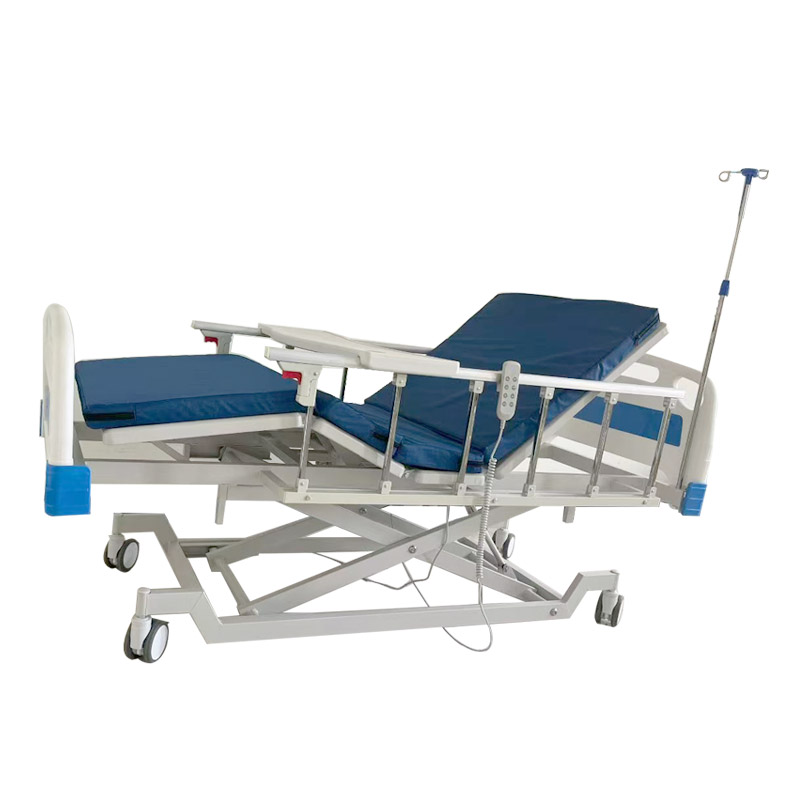
Patient safety should never be compromised when selecting a medical bed.
Foldable Side Rails
Side rails help prevent falls and assist patient movement.
Quality side rails should provide:
- Secure locking mechanisms
- Fácil manejo
- Strong structural support
Foldable aluminum alloy side rails are especially popular because they combine durability with ease of use.
Ruedas con bloqueo central
Medical beds must remain stable when stationary.
Look for beds equipped with:
- Central brake systems
- Double-sided locking mechanisms
- Medical-grade casters
Reliable wheel locks significantly reduce accident risks.
Emergency CPR Function
Emergency CPR release systems allow caregivers to quickly flatten the bed during critical situations.
This feature can save valuable seconds during emergencies.
Anti-Pinch Protection
Modern electric medical beds often include anti-pinch designs.
These mechanisms help reduce injury risks during bed adjustment.
Alarmas de salida de la cama
Some advanced medical beds include monitoring systems that alert caregivers when patients attempt to leave the bed.
These systems help reduce falls among elderly and high-risk patients.
Why Does Bed Frame Durability Matter?
Medical beds are expected to perform reliably for many years.
Durability directly affects ownership costs and equipment lifespan.
Steel Construction
High-quality medical beds often use:
- Acero al carbono
- Acero inoxidable
- Reinforced steel tubing
These materials provide excellent structural strength.
Welding Quality
The quality of welding directly impacts long-term reliability.
Poor welds may result in:
- Frame instability
- Structural failure
- Mayores costes de mantenimiento
Buyers should carefully assess manufacturing standards.
Protective Surface Coatings
Powder-coated surfaces offer:
- Resistencia a la corrosión
- Improved appearance
- Easier cleaning
- Longer product life
Healthcare environments demand finishes that withstand constant cleaning and disinfection.
Capacidad de carga
A strong frame should safely support varying patient weights.
Healthcare facilities should evaluate expected patient demographics when selecting capacity levels.
How Important Is Patient Comfort?
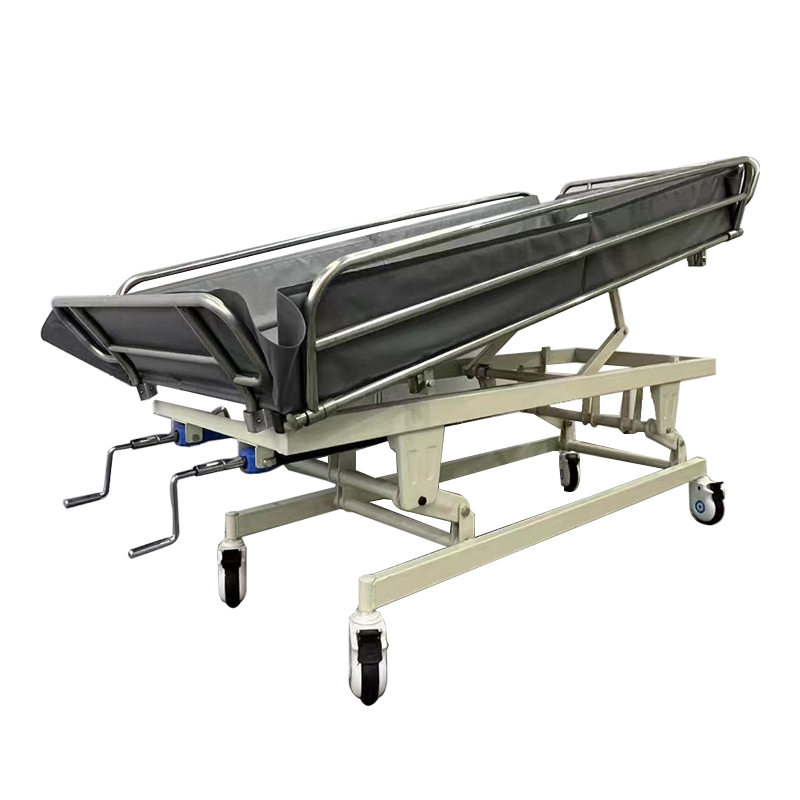
Patient comfort directly influences recovery and satisfaction.
Comfortable patients are often more cooperative with treatment plans and experience improved overall well-being.
Smooth Position Changes
High-quality actuators allow gradual and stable movement.
Los beneficios incluyen:
- Reduced discomfort
- Better sleep quality
- Less anxiety during adjustments
Compatibilidad con colchones
The bed should accommodate various mattress options.
Popular choices include:
- Foam mattresses
- Pressure-relief mattresses
- Colchones hinchables
- Alternating pressure systems
Proper mattress support contributes significantly to patient comfort.
Reduced Noise Levels
Quiet motors create a more peaceful healthcare environment.
Noise reduction is particularly important in:
- Hospitales
- Centros de rehabilitación
- Centros de cuidados de larga duración
Diseño ergonómico
Modern medical beds incorporate ergonomic principles that support proper body positioning and pressure distribution.
What Mobility Features Should Buyers Consider?
Medical beds often need to be transported throughout healthcare facilities.
High-Quality Casters
Premium casters provide:
- Movimiento fluido
- Enhanced durability
- Better maneuverability
Poor-quality wheels can increase caregiver workload and maintenance costs.
Easy Transportation
Medical beds should move efficiently through:
- Corridors
- Ascensores
- Patient rooms
Mobility becomes especially important in busy healthcare facilities.
Locking Performance
Casters should lock securely once positioned.
Reliable locking systems help prevent accidental movement.
Why Is Infection Control a Critical Feature?
Healthcare-associated infections remain a major concern worldwide.
Medical bed design plays an important role in infection prevention.
Easy-to-Clean Surfaces
Beds should feature smooth surfaces without unnecessary crevices.
This design simplifies cleaning procedures and reduces contamination risks.
Removable Components
Detachable components allow thorough sanitation.
Algunos ejemplos son:
- Headboards
- Footboards
- Barandillas laterales
Antimicrobial Materials
Some manufacturers offer antimicrobial coatings that help reduce bacterial growth.
While not a replacement for cleaning protocols, they provide additional protection.
Fluid Resistance
Healthcare environments require materials that resist fluid penetration and support disinfection processes.
How Does Weight Capacity Affect Purchasing Decisions?
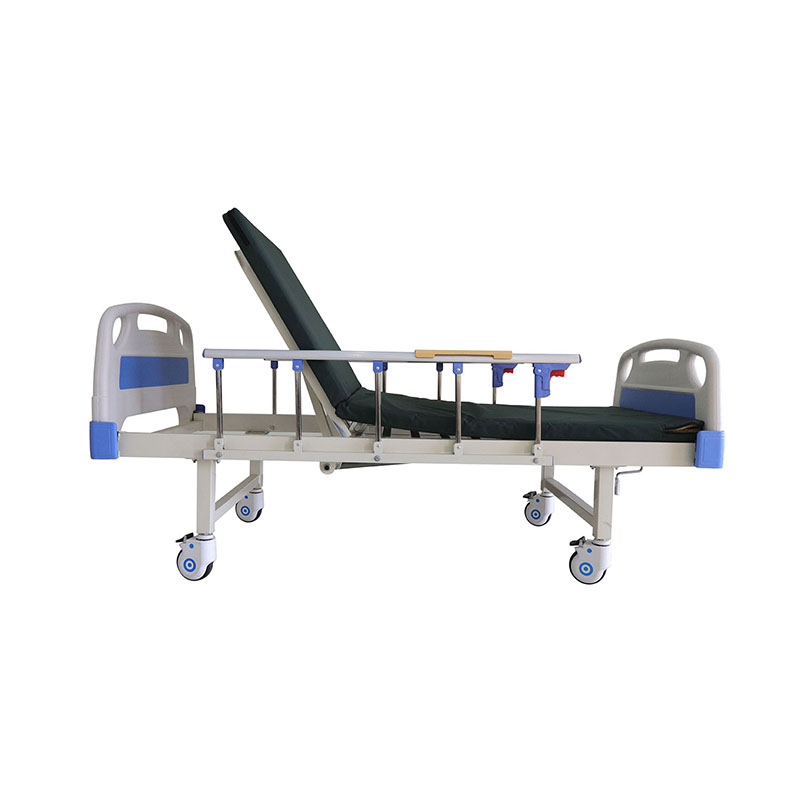
Weight capacity is often overlooked but remains a critical specification.
Standard Capacity Beds
Most standard medical beds support typical patient populations.
These models are suitable for:
- General wards
- Clinics
- Centros de rehabilitación
Bariatric Medical Beds
Bariatric beds provide:
- Reinforced frames
- Wider sleeping surfaces
- Higher weight capacities
Healthcare facilities serving diverse populations should consider including bariatric options in their equipment inventory.
Future-Proofing Purchases
Selecting beds with higher capacity ratings can improve long-term flexibility and reduce replacement needs.
Why Should Buyers Consider Caregiver Convenience?
Medical beds are used by caregivers every day.
Features that simplify caregiving can significantly improve productivity.
Easy Control Systems
User-friendly controls help staff perform adjustments quickly.
Modern systems often include:
- Handheld controllers
- Side rail controls
- Paneles de control de enfermería
Menor esfuerzo físico
Proper bed functionality minimizes lifting and repositioning efforts.
This can help reduce workplace injuries among healthcare personnel.
Traslados de pacientes más rápidos
Beds that support efficient transfers improve workflow and patient safety.
Time Savings
Advanced features allow caregivers to spend more time focusing on patient care rather than equipment management.
What Maintenance Features Should You Look For?
Maintenance costs influence the total cost of ownership.
Modular Components
Beds with modular designs simplify repairs and replacements.
Disponibilidad de piezas de recambio
Reliable manufacturers provide long-term access to:
- Motores
- Controllers
- Casters
- Barandillas laterales
- Structural components
Easy Troubleshooting
Simple maintenance procedures reduce downtime.
Healthcare facilities benefit from equipment that can be serviced quickly.
Long-Term Reliability
Durable products lower maintenance frequency and improve operational efficiency.
How Important Is Supplier Reliability?
Even the best medical bed can become problematic if supplied by an unreliable manufacturer.
Experiencia en el sector manufacturero
Experienced manufacturers typically maintain stronger quality control systems.
Production Capacity
Large-scale production facilities help ensure:
- Calidad constante
- Stable supply
- Faster delivery
Certificaciones
Buyers should verify compliance with relevant healthcare standards and certifications required by their markets.
Asistencia posventa
Reliable suppliers provide:
- Asistencia técnica
- Warranty coverage
- Spare parts support
- Formación sobre productos
Strong after-sales service reduces purchasing risks.
Why Are More Buyers Choosing Factory-Direct Medical Bed Suppliers?
Hospitals, distributors, and healthcare equipment purchasers increasingly prefer direct factory partnerships.
Better Pricing
Factory-direct sourcing eliminates multiple intermediary markups.
Greater Product Customization
Manufacturers can often provide:
- Custom colors
- Logo branding
- Specific configurations
- Market-specific requirements
Faster Lead Times
Direct communication improves production scheduling and delivery efficiency.
Improved Quality Control
Working directly with manufacturers provides greater visibility into production processes and quality standards.
For wholesale buyers, factory partnerships often create long-term competitive advantages.
How Can Buyers Evaluate Long-Term Value Instead of Initial Price?
Many procurement teams focus heavily on purchase price.
However, long-term value is often more important.
Total Cost of Ownership
Consider factors such as:
- Gastos de mantenimiento
- Equipment lifespan
- Repair frequency
- Energy consumption
Operational Efficiency
Beds that improve caregiver productivity can generate significant cost savings over time.
Patient Satisfaction
Comfortable, reliable beds contribute to better patient experiences and stronger facility reputations.
Return on Investment
The most cost-effective medical bed is often not the cheapest model but the one that delivers the best performance throughout its service life.
Conclusión
Selecting the right medical bed requires a comprehensive evaluation of adjustability, safety, durability, patient comfort, mobility, infection control, weight capacity, maintenance requirements, and supplier reliability. Healthcare facilities, distributors, and home care providers that prioritize these factors are more likely to achieve better patient outcomes, improved caregiver efficiency, and lower long-term ownership costs. Whether purchasing manual, semi-electric, or fully electric models, focusing on quality and long-term value will help ensure a successful investment. If you found this guide helpful, feel free to share it with colleagues, leave a comment, or contact us to discuss your medical bed sourcing requirements.