
Many business buyers ask the same question when sourcing medical beds: how can they find a hospital bed manufacturer that offers stable quality, reasonable prices, and reliable delivery? Choosing the wrong supplier can cause delayed projects, customer complaints, and higher after-sales costs. The solution is to evaluate factory strength, product quality, export experience, customization ability, and long-term service before placing bulk orders.
The best hospital bed manufacturer for your business should have real factory capability, consistent product quality, competitive wholesale pricing, export experience, flexible customization, stable stock, and responsive after-sales support. For hospitals, clinics, distributors, and medical bed purchasers, the right manufacturer is not only a supplier but also a long-term partner that helps reduce procurement risk and improve market competitiveness.
Finding a reliable supplier becomes easier when buyers know what to check. The following guide explains the key factors step by step.
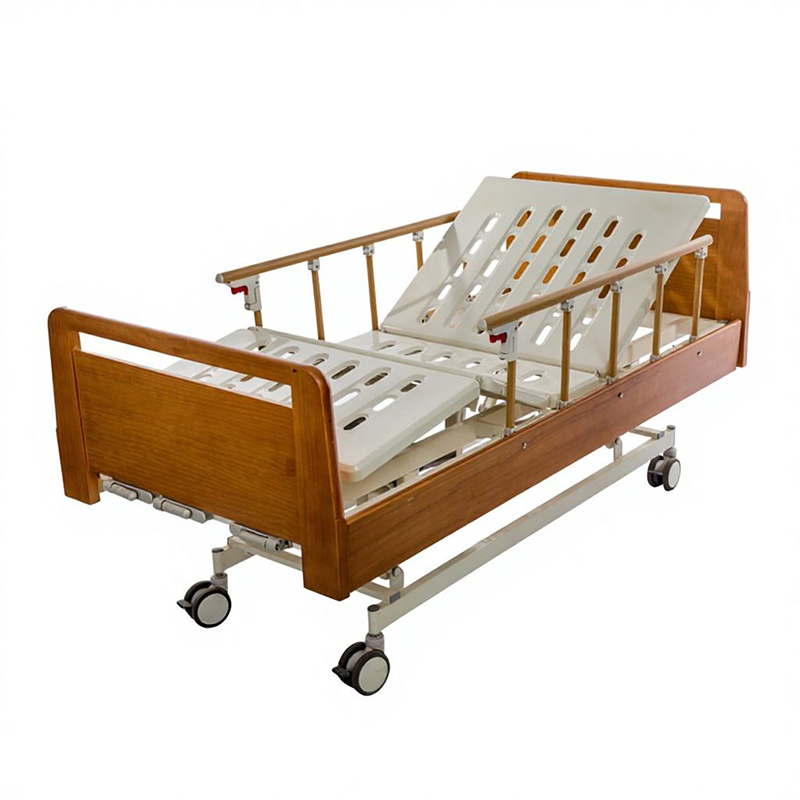
Why Is Choosing the Right Hospital Bed Manufacturer Important?
A hospital bed is not a simple furniture product. It supports patient care, nursing efficiency, safety management, and daily medical operations. For hospitals and private clinics, the wrong bed may create safety risks or increase maintenance problems. For distributors and medical equipment purchasers, poor product quality can damage customer trust and reduce repeat orders.
Many buyers first compare prices because cost control is important in wholesale purchasing. However, a very low price does not always mean better value. Some suppliers may reduce costs by using thinner steel, weak casters, unstable motors, poor side rails, or low-quality surface treatment. These problems may not appear in product photos, but they can become serious after delivery.
A reliable hospital bed manufacturer helps buyers balance price, quality, delivery, and service. This is especially important for B2B customers who purchase in bulk and need stable products for hospitals, nursing homes, clinics, rehabilitation centers, and home care markets.
What Should Buyers Check First When Comparing Manufacturers?
The first step is to check whether the supplier has real manufacturing capability. A true manufacturer usually has its own production space, equipment, workers, quality control process, and supply chain. This gives buyers more confidence in product consistency and delivery control.
Buyers should ask about factory size, production capacity, main equipment, production process, and inspection steps. A professional supplier can usually explain these details clearly. If a supplier only provides photos but cannot explain how products are made, buyers should be careful.
Jcare is a China-based medical bed brand with its own 3000 square meter bearing processing plant. This manufacturing background supports factory pricing, stable supply, and faster response for bulk orders. For wholesale buyers, working directly with a factory can reduce unnecessary middle costs and improve communication efficiency.
Factory strength also affects customization. A manufacturer with stronger production ability can adjust product functions, accessories, packaging, and branding more easily than a simple trading company.
How Do You Evaluate Hospital Bed Product Quality?
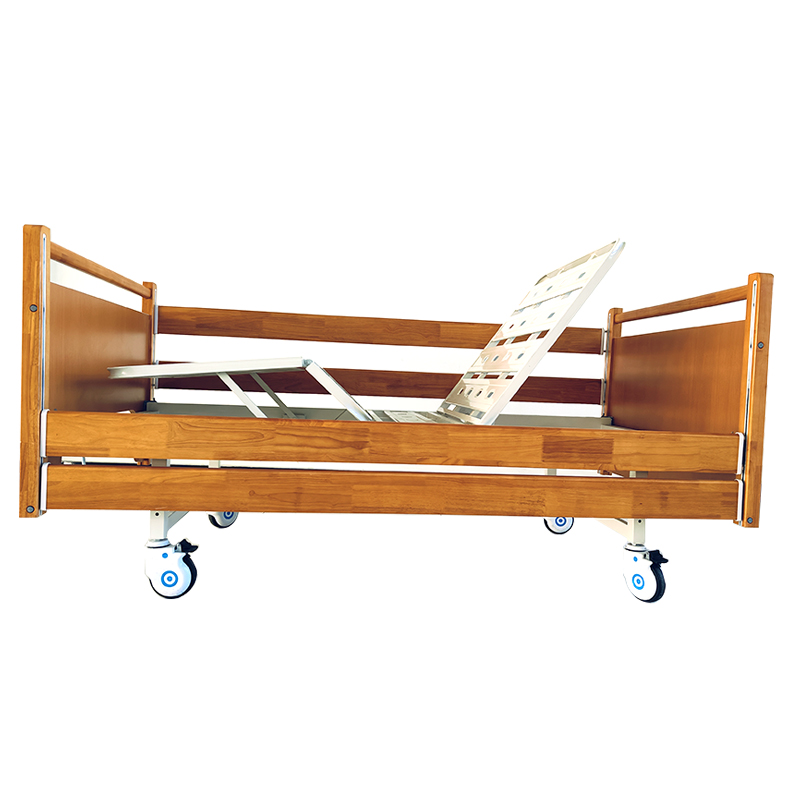
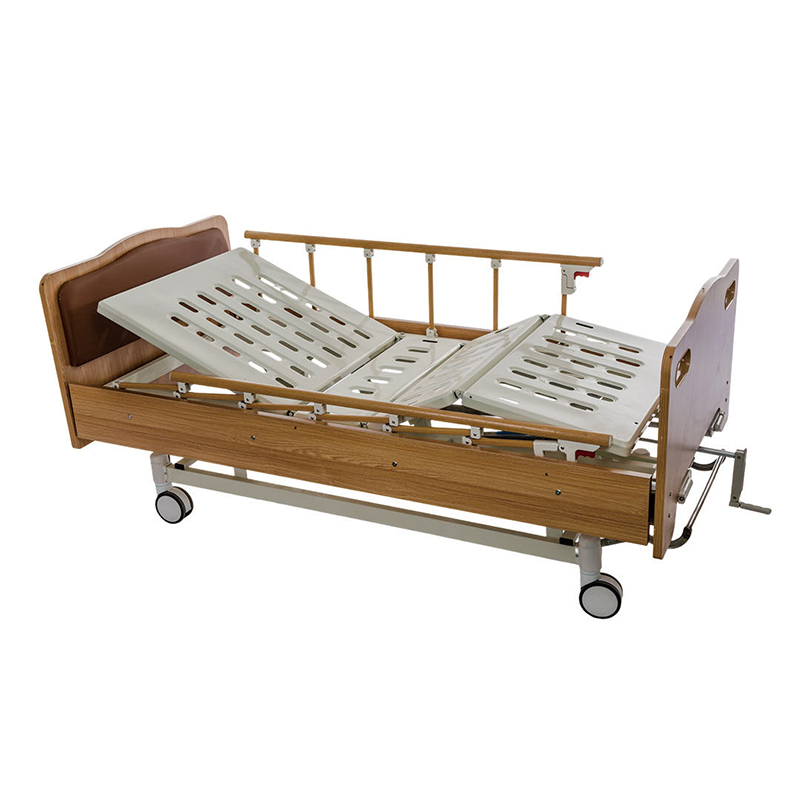
Product quality is the most important part of supplier selection. A hospital bed must be strong, stable, easy to operate, and suitable for long-term use. Buyers should review the bed frame, welding quality, surface finish, side rails, headboard, footboard, casters, motor system, control system, and load capacity.
The bed frame should be solid enough to support daily medical use. Welding points should look clean and stable. The surface should be smooth, corrosion-resistant, and easy to clean. Casters should move smoothly and lock firmly. Side rails should protect patients while allowing caregivers to operate them conveniently.
For electric hospital beds, the motor system is a key factor. The bed should move smoothly and quietly. Backrest adjustment, leg adjustment, height adjustment, and other functions should work without shaking or delay. For manual hospital beds, the crank system should be durable and easy to use.
Buyers should not rely only on product images. They can request videos, detailed specifications, sample inspection, packaging photos, and production details. These steps help reduce the risk of receiving products that look acceptable online but fail to meet real market expectations.
Why Does Product Range Matter for B2B Buyers?
A strong hospital bed manufacturer should offer a complete product range. Different customers may need different models, such as manual hospital beds, electric hospital beds, home care beds, rehabilitation beds, patient transfer beds, medical furniture, and medical bed accessories.
A wide product range gives buyers more flexibility. Hospitals may need electric beds and accessories. Private clinics may prefer practical and cost-effective models. Home care buyers may focus on comfort, easy operation, and safety. Distributors may need several product levels to serve different markets.
Jcare supplies hospital beds, home care beds, rehabilitation products, other medical furniture, and medical bed accessories. This product structure helps wholesale buyers source multiple products from one supplier. It can reduce communication time, simplify procurement, and support long-term product line development.
When comparing manufacturers, buyers should check whether the supplier can provide both standard models and customized solutions. A flexible supplier can better support different market demands.
How Can Buyers Confirm Manufacturing Consistency?
For bulk orders, one good sample is not enough. The real value of a hospital bed manufacturer depends on whether every batch can maintain stable quality. Manufacturing consistency affects customer satisfaction, warranty cost, and long-term cooperation.
A reliable factory should have clear production standards. It should inspect raw materials, welded parts, painted surfaces, assembled products, accessories, and finished packaging. Each step should follow a stable process.
Buyers can ask how the manufacturer controls batch quality. They can also request inspection photos, production updates, and final quality checks before shipment. For large orders, buyers may arrange third-party inspection or ask for detailed inspection reports.
Consistency is especially important for distributors, importers, and tender buyers. If each shipment has different colors, structures, accessories, or packaging quality, it becomes difficult to build customer trust. A stable manufacturer helps buyers protect their brand image and reduce after-sales pressure.
Why Is Export Experience Important?
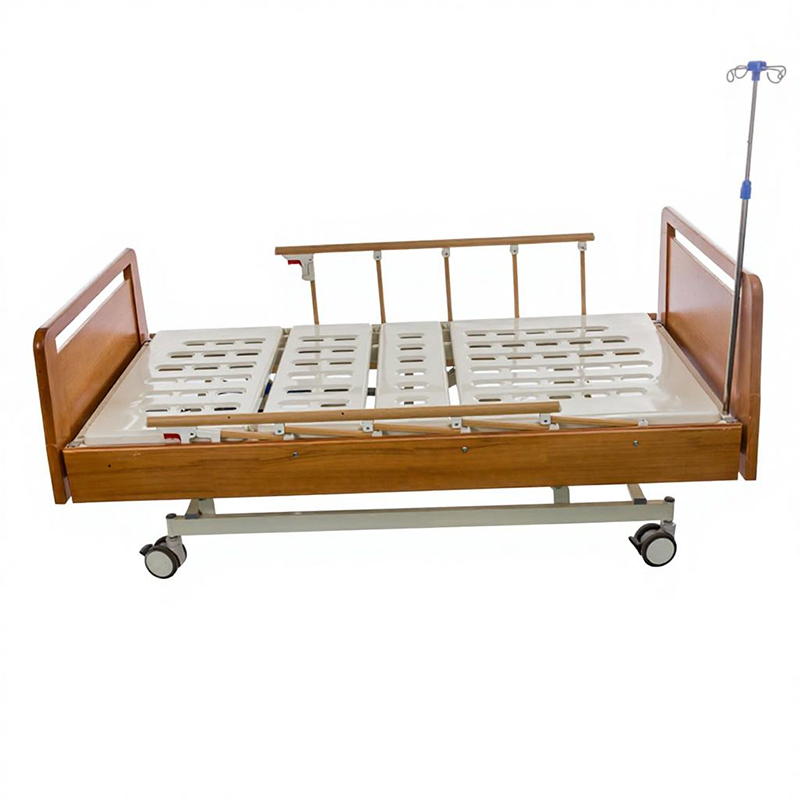
International buyers should choose a hospital bed manufacturer with export experience. Export orders involve more than production. They also require proper packaging, container loading, shipping documents, customs support, and communication across time zones.
A manufacturer with export experience understands how to protect hospital beds during long-distance transportation. Large medical beds need secure packaging because frames, side rails, motors, casters, and accessories may be damaged if they are not packed correctly.
Jcare exports to India, the Middle East, Southeast Asia, Europe, the USA, Japan, and South Korea. These markets have different purchasing habits and product expectations. Experience in multiple regions helps the company better understand the needs of hospitals, clinics, distributors, and home care buyers.
Buyers should ask which countries the supplier has exported to, what shipping methods they use, whether they can provide export documents, and how they handle packaging for bulk orders. A supplier that understands international trade can save buyers time and reduce risk.
How Should Buyers Compare Factory Prices?
Price matters in every wholesale order, but buyers should compare value rather than only the lowest number. A hospital bed quotation should be judged together with materials, functions, accessories, packaging, warranty, and delivery service.
Two beds may look similar in pictures but have very different costs. One may use stronger steel, better casters, safer side rails, and more stable motors. Another may use lower-grade parts to reduce price. If buyers only choose the cheapest option, they may face higher repair costs later.
Jcare focuses on B2B wholesale and factory prices. This is useful for hospitals, private clinics, medical bed purchasers, and distributors who need competitive pricing for bulk orders. Direct factory cooperation can also make quotation details clearer.
When comparing suppliers, buyers should make sure each quotation uses the same specifications. They should compare bed size, function, frame thickness, motor brand, caster type, side rail design, packaging, and spare parts. Only then can the price comparison be fair.
What Role Does Packaging Play in Hospital Bed Procurement?
Packaging is often overlooked, but it is very important for hospital bed exports. Hospital beds are large products with many parts. Poor packaging may cause scratches, broken accessories, missing components, or deformation during transportation.
A professional manufacturer should use strong packaging suitable for international shipping. Bed frames, side rails, headboards, footboards, casters, motors, and control systems should be protected carefully. Clear labels and packing lists can help buyers check goods after arrival.
Good packaging also improves customer experience. Distributors and wholesalers often resell products to hospitals or clinics. If the products arrive clean, complete, and well organized, customers will have more confidence in the supplier.
Buyers should request packaging photos or videos before shipment. They should also confirm whether installation instructions, spare parts lists, and product manuals are included. These details can reduce after-sales questions and support smoother delivery to end users.
How Do After-Sales Service and Spare Parts Affect Long-Term Cooperation?
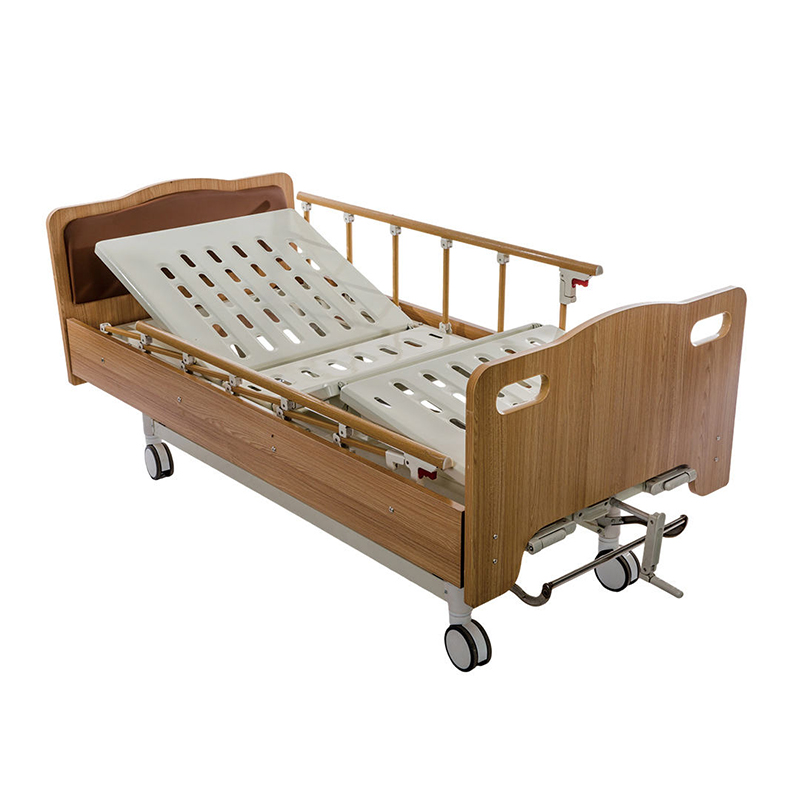
A hospital bed manufacturer should provide support after shipment. Business buyers need long-term access to spare parts, technical guidance, and warranty service. If a motor, caster, controller, side rail, or accessory needs replacement, the manufacturer should respond quickly.
Poor after-sales support can create serious problems for distributors. Their customers may expect fast solutions, and delays can damage local business relationships. Therefore, after-sales ability should be checked before placing large orders.
Buyers should ask about warranty terms, spare parts availability, response time, technical support, and replacement process. They should also check whether the supplier can provide clear installation guidance and product maintenance suggestions.
A good manufacturer does not disappear after receiving payment. Instead, it supports buyers throughout the product life cycle. This is one of the most important signs of a reliable long-term supplier.
How Can Communication Help You Identify a Professional Supplier?
Communication quality often reflects supplier professionalism. A good hospital bed manufacturer should not only answer prices. It should also understand product applications, customer needs, target markets, and project requirements.
When buyers contact a supplier, they can observe whether the sales team asks useful questions. A professional team may ask about order quantity, target country, required functions, budget range, packaging needs, certification requirements, and delivery schedule.
Clear communication helps prevent mistakes. It also allows the supplier to recommend suitable products. For example, a hospital may need electric beds for patient care, while a home care market may need easier operation and comfortable design. A private clinic may prefer simple and cost-effective beds.
A supplier that communicates clearly can help buyers make better decisions. It can also reduce misunderstandings during production, packaging, and shipment.
Where Can Buyers Find Reliable Hospital Bed Manufacturers?
Buyers can find hospital bed manufacturers through several channels, including Alibaba, Google search, Made-in-China, trade shows, referrals, and official factory websites. Each channel has its own value.
Alibaba and Made-in-China allow buyers to compare many suppliers quickly. Google search helps buyers find brands with stronger online visibility and detailed product information. Trade shows allow buyers to see products directly and speak with factory representatives face to face.
Jcare promotes through Alibaba, Google Ads, Made-in-China, and trade shows. This multi-channel approach makes it easier for global buyers to contact the company and compare product options.
However, buyers should not choose a supplier only because it appears on a platform. They should still check factory strength, product details, export experience, communication quality, after-sales support, and delivery ability. A careful evaluation process leads to better purchasing results.
Conclusión
Finding the best hospital bed manufacturer for your business requires more than a simple price comparison. Buyers should evaluate factory strength, product quality, product range, manufacturing consistency, customization ability, export experience, packaging, delivery speed, and after-sales service. These factors help hospitals, clinics, distributors, and medical bed purchasers reduce risk and build a more stable supply chain.
Jcare is a China-based B2B medical bed supplier offering hospital beds, home care beds, rehabilitation products, other medical furniture, and medical bed accessories. With factory prices, ample stock, short delivery time, and export experience in multiple markets, Jcare can support business buyers looking for reliable wholesale hospital bed solutions.
If you are comparing hospital bed manufacturers, you can use this guide as a practical checklist. You are also welcome to share your sourcing questions, purchasing experience, or supplier selection concerns in the comments.