
Many medical brands entering the global healthcare equipment market struggle to scale production, maintain consistent hospital bed quality, and manage rising manufacturing costs while still meeting strict international compliance standards. As demand for hospital beds continues to grow across hospitals, clinics, and home care sectors, these challenges become more serious and directly affect brand competitiveness and market expansion. OEM hospital bed manufacturing provides a practical and scalable solution by allowing brands to outsource production to experienced factories, reduce capital investment, ensure stable quality control, and focus on brand building and global distribution instead of complex manufacturing operations.
OEM hospital bed manufacturing helps medical brands grow by eliminating the need for in-house production, reducing operational costs, improving manufacturing efficiency, ensuring consistent product quality, and enabling scalable global supply chains. By partnering with established OEM manufacturers, medical brands can focus on sales, branding, and market expansion while leveraging professional factory systems to produce high-quality hospital beds at scale.
Transitioning from production limitations to scalable manufacturing reveals why OEM has become a core strategy in the medical equipment industry.
What Makes OEM Hospital Bed Manufacturing a Growth Engine for Medical Brands
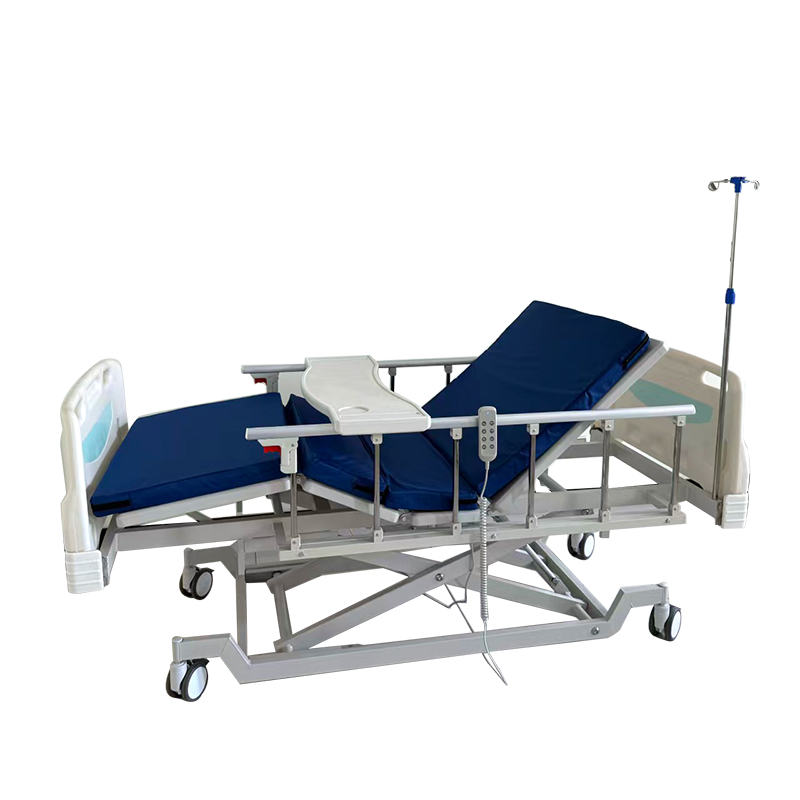
OEM hospital bed manufacturing is a production model where a specialized factory produces hospital beds based on a brand’s technical specifications, design requirements, and market positioning. Instead of investing in factories, machinery, and production staff, medical brands collaborate with manufacturing partners who already have production infrastructure in place.
In this model, a company such as Jcare handles engineering, fabrication, assembly, and quality inspection, while the brand focuses on sales channels, distribution networks, and customer relationships.
This separation of responsibilities allows medical brands to scale faster, reduce financial risk, and enter global markets without heavy manufacturing burdens.
Why Medical Brands Depend on OEM Hospital Bed Manufacturing
The medical furniture industry is not a simple manufacturing sector. It requires engineering precision, regulatory compliance, and long-term reliability. Hospital beds in particular must meet strict safety and durability standards because they directly affect patient care.
Medical brands often face several structural limitations when attempting in-house production. The first is high capital expenditure, as factory setup requires heavy investment in equipment and skilled labor. The second is technical complexity, especially when producing electric hospital beds with motorized systems and safety controls. The third is compliance pressure, since export markets require certification and documentation.
OEM manufacturing solves these challenges by providing ready-made production ecosystems that are already optimized for healthcare-grade manufacturing.
How OEM Hospital Bed Manufacturing Accelerates Market Entry
Speed is one of the most important advantages in the global medical equipment market. Healthcare demand can increase rapidly due to demographic shifts, policy changes, or unexpected global events.
OEM manufacturing allows brands to shorten product development cycles significantly. Instead of spending months designing production systems, brands can immediately adapt existing factory models, modify specifications, and begin production.
This acceleration is especially valuable for medical distributors entering competitive regions such as Europe, Southeast Asia, and the Middle East, where timing often determines market success.
By leveraging OEM systems, brands can launch new hospital bed models faster and respond more effectively to changing demand.
Cost Structure Advantages of OEM Hospital Bed Manufacturing
One of the most important reasons brands choose OEM manufacturing is cost optimization. Establishing an independent hospital bed factory requires investment in production equipment, quality testing systems, skilled engineers, and long-term maintenance infrastructure.
These fixed costs can significantly delay profitability.
OEM manufacturing transforms these fixed costs into flexible operational expenses. Brands only pay for the units they produce, allowing better cash flow management and lower financial risk.
This structure also allows brands to allocate resources toward marketing expansion, distributor partnerships, and international sales strategies rather than manufacturing overhead.
Over time, this leads to a healthier and more scalable business model.
Quality Control and Production Consistency in OEM Systems
In the medical industry, quality consistency is non-negotiable. A single defect in a hospital bed can impact patient safety, damage brand reputation, and result in regulatory issues.
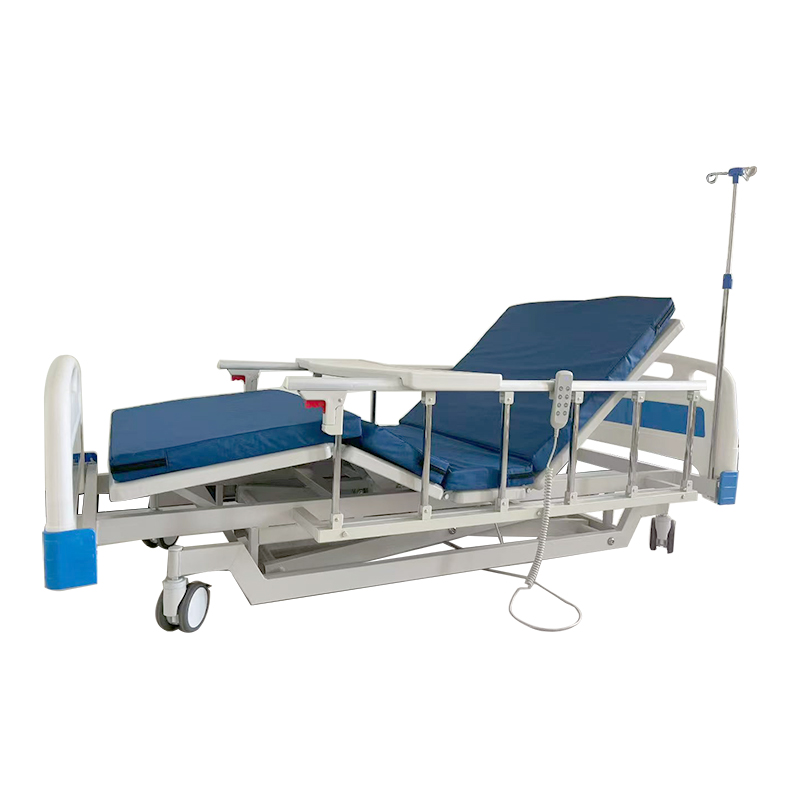
OEM hospital bed manufacturers implement structured quality control systems that cover every stage of production. These typically include material inspection before production, welding strength testing during fabrication, load-bearing tests on finished frames, electrical system safety checks for motorized beds, and final inspection before packaging and shipment.
Manufacturers like Jcare rely on standardized processes to ensure that every product batch meets international expectations.
This consistency is essential for brands that supply hospitals, clinics, and government healthcare programs.
Product Customization and Market Differentiation Through OEM
OEM hospital bed manufacturing is not limited to mass production. It also enables deep customization, which is critical for brand differentiation.
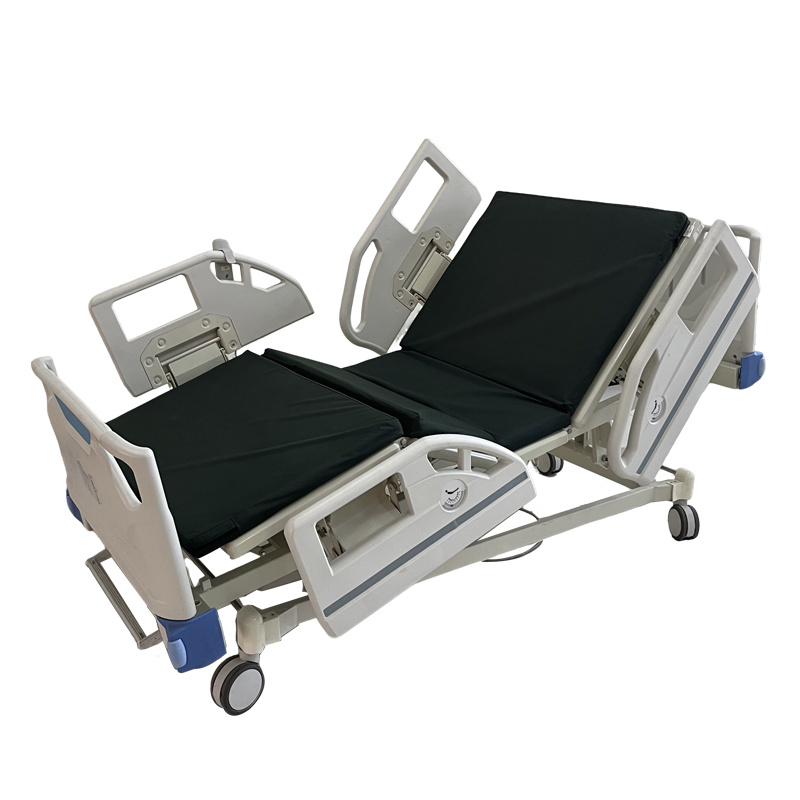
Medical brands can customize structural design, including bed frame materials, motor systems, side rail configurations, caster locking systems, and mattress compatibility. They can also define functional features such as adjustable backrest systems, height control mechanisms, and emergency positioning functions.
Beyond technical customization, OEM also supports branding elements such as logo printing, packaging design, color schemes, and instruction manuals tailored to specific markets.
This flexibility allows brands to develop distinct product identities instead of selling generic hospital beds.
OEM Manufacturing vs Building Internal Production Capacity
When medical brands evaluate growth strategies, they often compare OEM manufacturing with building their own production facilities.
Internal manufacturing provides full control over production processes but requires significant investment, long setup time, and ongoing operational complexity. It also exposes brands to risks such as supply chain instability and workforce management challenges.
OEM manufacturing, on the other hand, allows brands to bypass infrastructure development and immediately access mature production systems. This reduces operational burden while accelerating scalability.
For most medical brands aiming at international expansion, OEM represents a more efficient and lower-risk pathway.
How OEM Supports Global Market Expansion
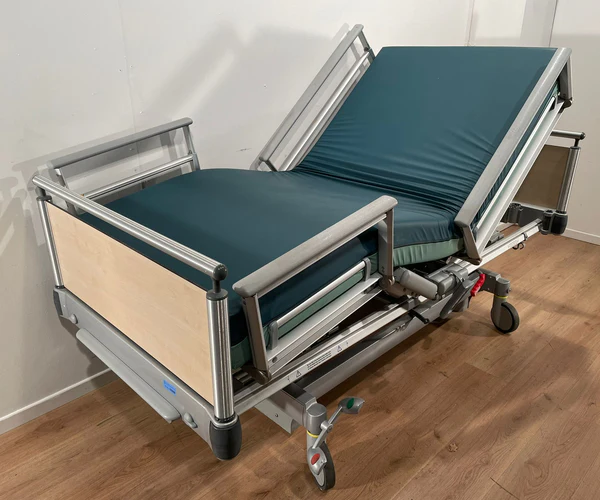
Hospital bed requirements vary significantly across global markets. European buyers prioritize ergonomic design and safety compliance, while Middle Eastern markets often require high-load capacity beds. Southeast Asia focuses more on cost efficiency, while North American buyers demand advanced electric systems and smart features.
OEM manufacturers are already familiar with these regional differences and can adjust production accordingly. This enables medical brands to adapt quickly to local requirements without redesigning entire product lines.
Additionally, OEM partners often provide export documentation support, logistics coordination, and compliance assistance, making international expansion more efficient and less risky.
Supply Chain Stability and Manufacturing Reliability
Supply chain stability is one of the most overlooked advantages of OEM hospital bed manufacturing. Production of medical beds requires consistent access to steel, aluminum components, ABS materials, electric motors, and precision hardware.
OEM factories maintain long-term supplier relationships that ensure material availability even during market fluctuations. This reduces the risk of production delays and ensures that delivery schedules remain stable.
Reliable supply chains also allow brands to maintain predictable inventory levels, which is essential for large hospital contracts and government procurement projects.
OEM as a Long-Term Brand Growth Strategy
OEM hospital bed manufacturing should not be seen as a temporary outsourcing solution. Instead, it is a long-term growth strategy that enables brands to focus on their core competencies.
By delegating manufacturing to specialized factories, brands can invest more in sales networks, marketing campaigns, customer service systems, and international partnerships.
Over time, this division of labor creates a more efficient and scalable business structure, allowing brands to compete with larger global manufacturers without needing equivalent production infrastructure.
Why Jcare Is a Strategic OEM Partner for Medical Brands
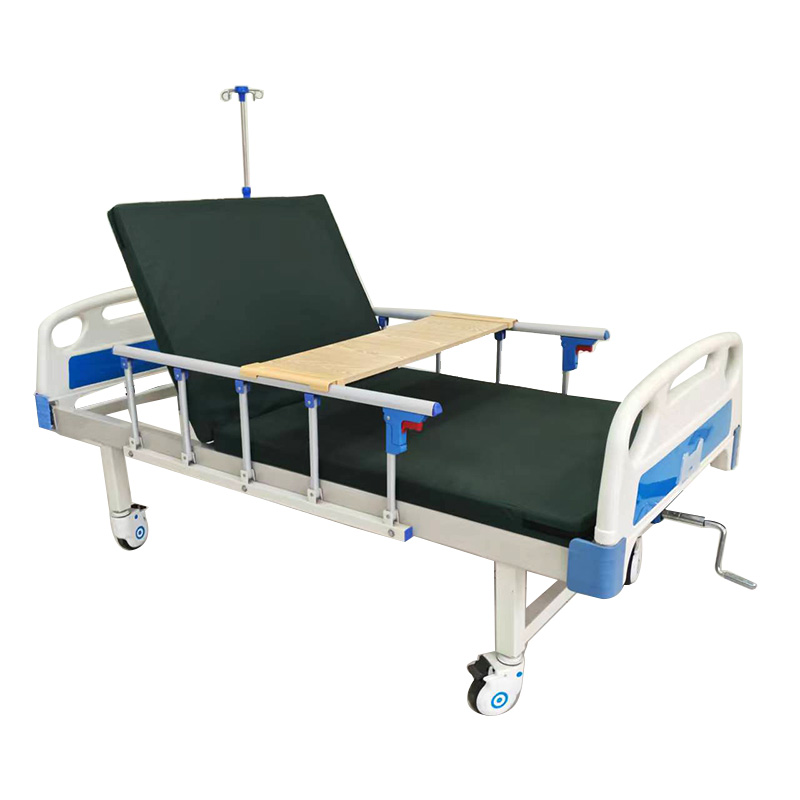
As a professional manufacturer in the medical equipment sector, Jcare operates a 3000 square meter production facility focused on hospital beds, home care beds, rehabilitation equipment, and medical furniture systems.
The company provides OEM and ODM solutions designed for international distributors and healthcare suppliers. With factory-level pricing, stable production capacity, and short delivery timelines, Jcare supports brands in building competitive product portfolios without heavy manufacturing investment.
Its export experience across Europe, Asia, the Middle East, and North America further strengthens its ability to support global expansion strategies.
Future Development Trends in OEM Hospital Bed Manufacturing
The OEM hospital bed industry is evolving toward smarter, more efficient, and more modular systems.
Future developments include integration of digital monitoring systems that track patient movement and health metrics, increased use of lightweight composite materials for easier transport, energy-efficient motor systems, modular bed structures for simplified maintenance, and growing demand for home-based healthcare solutions.
Brands that establish strong OEM partnerships now will be better positioned to adopt these innovations quickly and remain competitive in the future healthcare market.
Risk Considerations in OEM Partnerships
While OEM manufacturing provides significant advantages, it also requires careful partner selection. Risks may include inconsistent communication during customization, dependency on supplier capacity, and potential variation in quality if multiple factories are used.
These risks can be minimized by working with experienced manufacturers, establishing clear technical specifications, conducting regular quality audits, and maintaining long-term cooperative relationships rather than short-term transactional agreements.
How OEM Strengthens Competitive Positioning in Healthcare Markets
OEM manufacturing enhances competitiveness by allowing brands to focus on what truly drives market success: customer relationships, distribution networks, and brand trust.
By reducing production complexity, brands can respond more quickly to market changes, adjust pricing strategies more flexibly, and expand into new regions without manufacturing constraints.
This operational efficiency becomes a long-term competitive advantage in the global medical equipment industry.
Conclusión
OEM hospital bed manufacturing plays a critical role in enabling medical brands to scale efficiently, reduce operational costs, maintain consistent product quality, and expand into global markets with reduced risk. It transforms manufacturing from a barrier into a strategic advantage, allowing brands to focus on growth, customer acquisition, and market development.
For companies in the medical equipment industry, particularly those serving hospitals, clinics, and home care markets, OEM partnerships are not just an option but a foundational strategy for sustainable success.
Brands working with experienced manufacturers such as Jcare gain the flexibility, scalability, and production reliability needed to compete in an increasingly demanding global healthcare market.