
Improper assembly of a hospital bed can lead to safety risks, unstable performance, and long-term maintenance issues. Many problems arise not from product quality, but from incorrect installation. Understanding common mistakes helps ensure safe operation and extends the lifespan of the equipment.
Common mistakes when assembling a hospital bed include incorrect installation of side rails, loose bolts, improper motor connections, misaligned bed frames, and failure to test functions. Proper assembly and inspection are essential for safety and performance.
A. Incorrect Frame Assembly
What Happens
- Bed frame parts are not aligned properly
- Headboard and footboard installed in the wrong direction
Risks
- Unstable structure
- Difficulty in adjusting bed positions
B. Loose or Missing Bolts

What Happens
- Screws or bolts are not fully tightened
- Some fasteners are missing
Risks
- Bed shaking or noise
- Increased safety hazards for patients
C. Incorrect Side Rail Installation
What Happens
- Side rails installed on the wrong side
- Locking mechanisms not secured
Risks
- Increased risk of patient falls
- Failure to meet safety standards
D. Improper Motor or Crank Installation
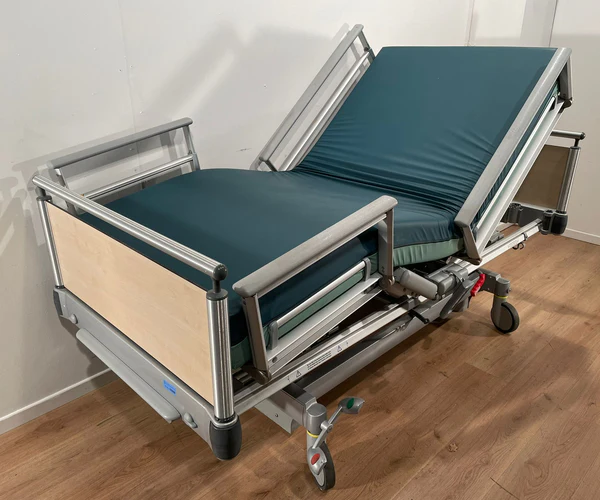
What Happens
- Motor wiring connected incorrectly
- Manual crank handles installed improperly
Risks
- Adjustment functions not working
- Potential electrical failure (for electric beds)
E. Misaligned Bed Board or Mattress Platform
What Happens
- Bed panels not installed evenly
- Gaps between sections
Risks
- Reduced patient comfort
- Increased pressure injury risk
F. Incorrect Wheel (Caster) Installation
What Happens
- Casters installed in the wrong orientation
- Brakes or central locking system not functioning
Risks
- Bed cannot be secured properly
- Movement instability during use
G. Skipping Safety Checks After Assembly

What Happens
- No functional testing after installation
- Safety features not verified
Risks
- Hidden issues during actual use
- Increased liability and safety concerns
H. Not Following Manufacturer Instructions
What Happens
- Skipping steps in the manual
- Using incorrect tools or methods
Risks
- Incorrect assembly
- Warranty issues
Conclusion
Avoiding these common mistakes is essential to ensure hospital bed safety, durability, and proper functionality. Whether for hospitals, distributors, or home care use, correct assembly directly impacts patient safety and caregiver efficiency.
Carefully following instructions, performing thorough checks, and working with trained personnel can significantly reduce risks and ensure long-term performance of the hospital bed.