
Many families caring for a loved one after a stroke wonder what type of bed is best for home recovery. Choosing the wrong bed can make daily care more difficult, increase the risk of falls, contribute to pressure injuries, and slow rehabilitation progress. Fortunately, selecting a properly designed home care bed with the right features can improve safety, comfort, independence, and overall recovery outcomes.
The best beds for stroke patients at home are adjustable electric home care beds that provide backrest adjustment, leg elevation, height adjustment, side rails, and compatibility with pressure-relief mattresses. These features help improve comfort, support rehabilitation, reduce caregiver strain, minimize fall risks, and enhance the quality of life for both patients and caregivers during long-term recovery.
The right bed can make recovery easier. Let’s explore the features and options that matter most.
People Also Ask
What Makes Stroke Patients Different From Other Home Care Patients?
Stroke affects every patient differently. Some individuals regain mobility quickly, while others experience long-term paralysis, muscle weakness, speech difficulties, or balance problems.
Because of these challenges, stroke patients often spend extended periods in bed during the early stages of recovery. Standard household beds are rarely designed to accommodate these medical and rehabilitation needs.
Many stroke survivors struggle with:
- Limited mobility
- One-sided weakness
- Difficulty changing positions
- Increased fall risk
- Poor circulation
- Pressure injury risk
- Dependence on caregivers
A specialized home care bed addresses these concerns by providing positioning support, safety features, and easier access for caregivers.
The goal is not simply to provide a place to sleep. The bed becomes an important part of the rehabilitation process and daily care routine.
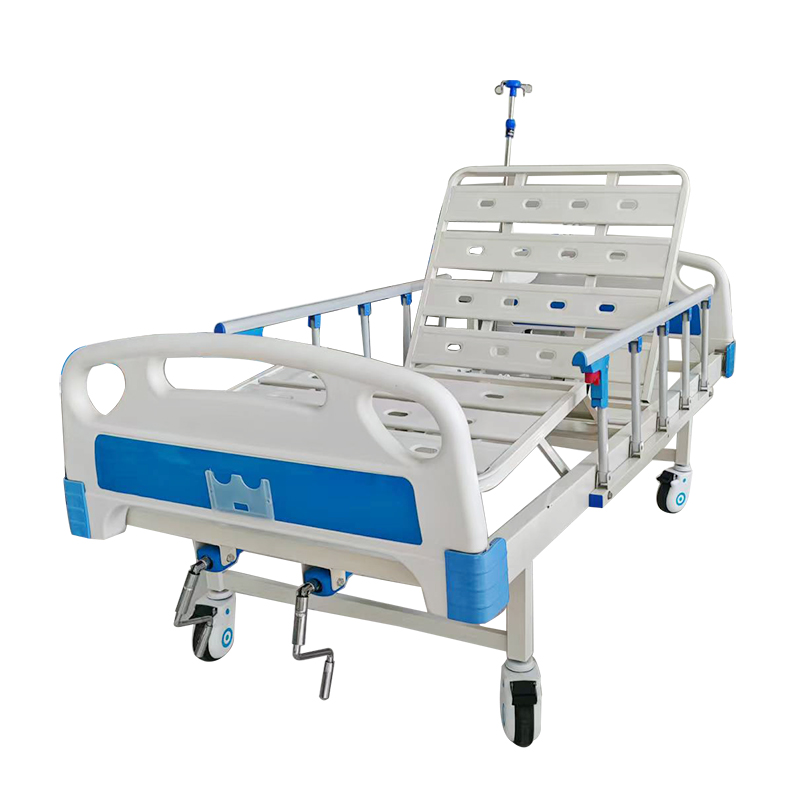
Why Are Electric Home Care Beds Often the Best Choice?
Electric home care beds are widely considered the preferred option for stroke recovery at home because they offer greater flexibility and ease of use.
Unlike traditional beds, electric models allow patients and caregivers to adjust bed positions using simple controls.
Easier Position Changes
Stroke patients often need frequent repositioning throughout the day. Remaining in one position for too long can lead to discomfort, poor circulation, and pressure injuries.
Electric beds allow smooth adjustments without requiring excessive physical effort.
Patients can comfortably move between:
- Flat sleeping positions
- Elevated sitting positions
- Relaxing reclined positions
- Leg-elevated positions
These adjustments support both comfort and medical care.
Greater Independence
Recovering stroke patients often value any opportunity to regain independence.
When patients can adjust their own position using a handheld controller, they become less dependent on family members for simple tasks.
This increased independence often improves emotional well-being and confidence during rehabilitation.
Reduced Caregiver Burden
Family caregivers frequently assist with repositioning, feeding, medication administration, and transfers.
Electric beds reduce the physical demands associated with these activities, making daily care safer and more manageable.
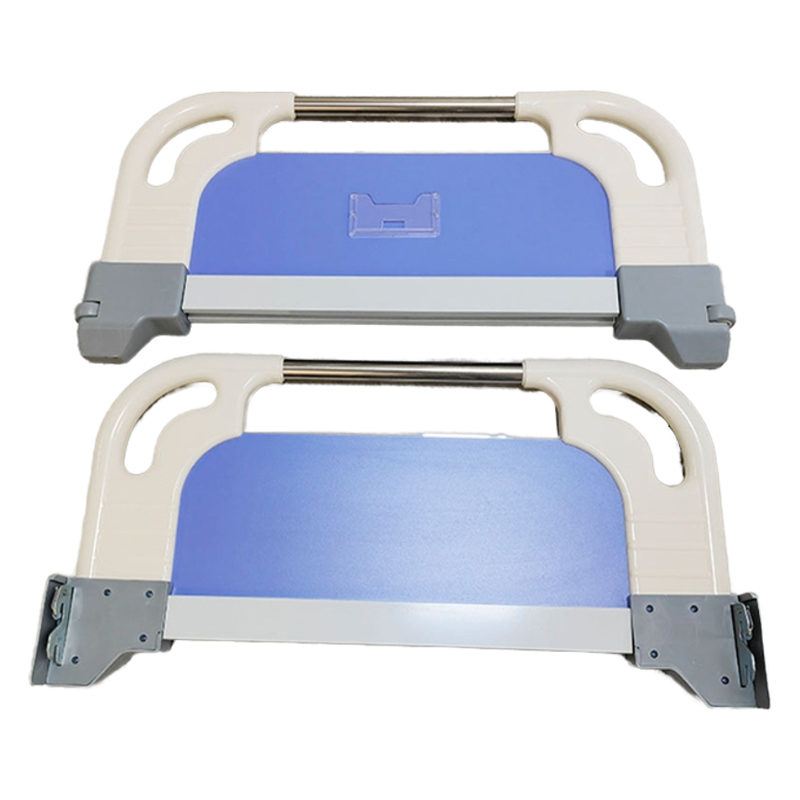
Which Bed Functions Are Most Important for Stroke Recovery?
Not all adjustable beds offer the same features. Certain functions provide greater benefits for stroke patients.
Backrest Adjustment
Backrest elevation is one of the most commonly used functions.
It helps patients:
- Sit upright during meals
- Read comfortably
- Watch television
- Participate in therapy sessions
- Improve breathing comfort
For patients who spend significant time in bed, proper backrest positioning can dramatically improve daily comfort.
Leg Elevation
Reduced mobility often causes swelling in the legs and feet.
Elevating the lower limbs can help:
- Improve circulation
- Reduce discomfort
- Minimize swelling
- Enhance relaxation
This feature is especially valuable for patients who remain seated or lying down for long periods.
Height Adjustment
Height-adjustable beds are particularly beneficial during rehabilitation.
The ability to raise or lower the bed helps with:
- Wheelchair transfers
- Standing exercises
- Caregiver access
- Fall prevention
Proper bed height can significantly reduce physical strain on caregivers while improving patient safety.
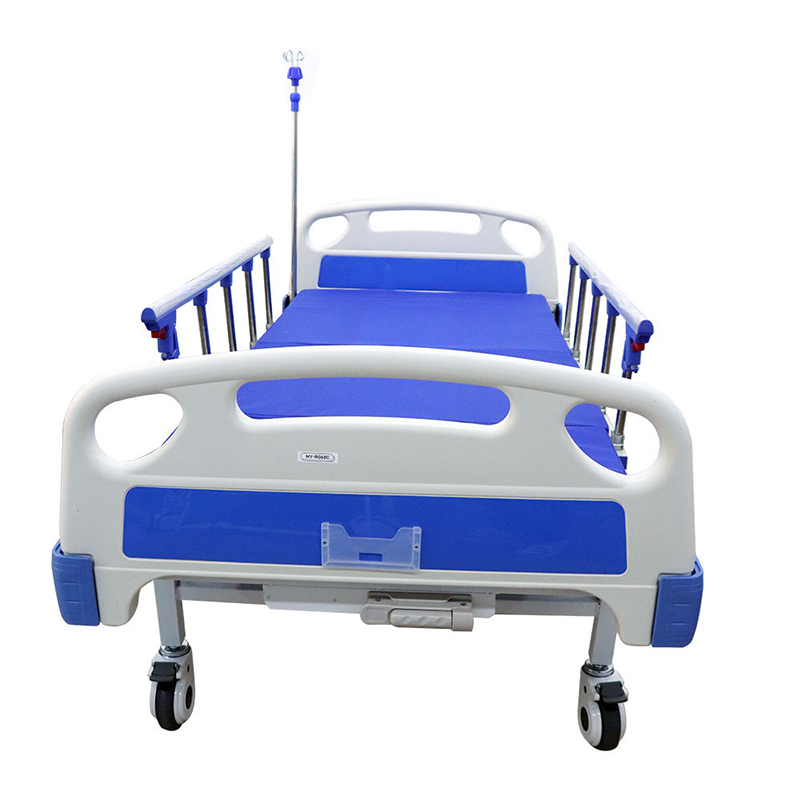
How Important Are Side Rails for Stroke Patients?
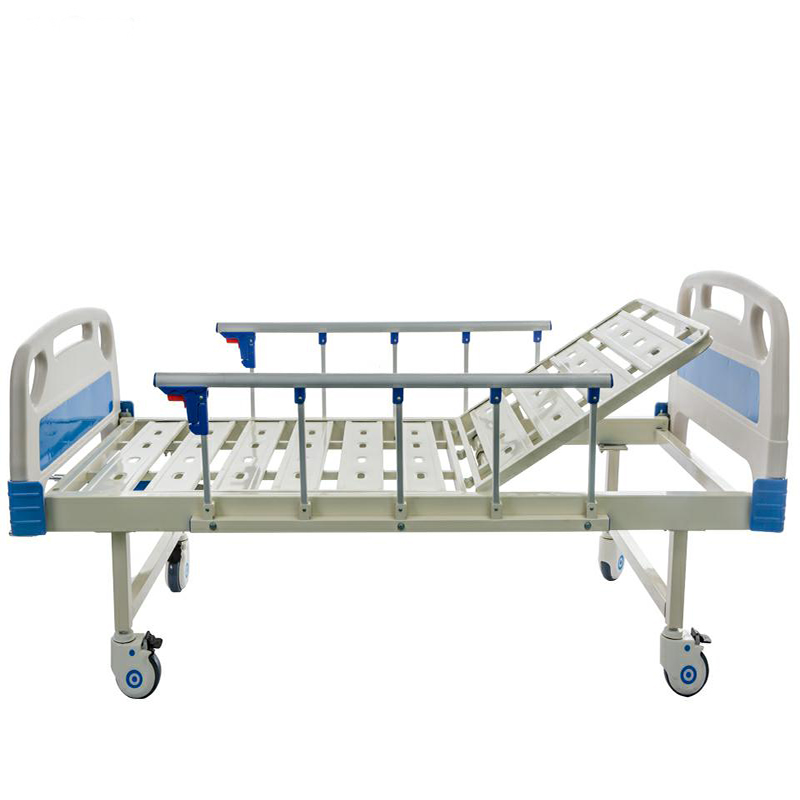
Side rails are among the most valuable safety features available on a home care bed.
Many stroke survivors experience weakness, poor balance, or limited body control. These challenges increase the risk of accidental falls.
Fall Prevention
Falls remain one of the most common causes of injury among stroke survivors.
Side rails create a protective barrier that reduces the likelihood of rolling out of bed unintentionally.
Support During Movement
Patients often use side rails when:
- Turning in bed
- Sitting upright
- Repositioning themselves
- Preparing to stand
This additional support can increase confidence and stability.
Enhanced Security
Many patients feel safer when protective side rails are present, especially during nighttime hours.
Feeling secure can improve sleep quality and overall comfort.
What Type of Mattress Should Be Used With a Stroke Recovery Bed?
The mattress is just as important as the bed frame itself.
Patients who spend extended periods in bed face a higher risk of pressure injuries and discomfort.
Selecting the right mattress can help prevent complications.
Pressure-Relief Foam Mattresses
High-density foam mattresses are commonly used in home care environments.
Benefits include:
- Good pressure distribution
- Comfortable support
- Affordable pricing
- Long-lasting performance
They are suitable for many stroke patients with moderate mobility.
Alternating Pressure Air Mattresses
Patients with very limited movement may require more advanced pressure management.
Alternating pressure systems continuously shift pressure points to reduce the risk of skin breakdown.
These mattresses are often recommended for long-term bedridden patients.
Hybrid Support Systems
Some home care setups combine foam and air technologies to maximize comfort and protection.
The best choice depends on the patient’s mobility level, weight, and anticipated recovery timeline.
How Can the Right Bed Support Rehabilitation?
A home care bed does much more than provide comfort.
It can actively contribute to rehabilitation efforts.
Encourages Proper Positioning
Correct positioning plays an important role in stroke recovery.
Proper body alignment can:
- Improve circulation
- Reduce muscle stiffness
- Enhance comfort
- Support therapy goals
Adjustable beds make maintaining these positions easier throughout the day.
Facilitates Therapy Activities
Many rehabilitation exercises begin in bed before progressing to standing or walking activities.
Adjustable positioning allows therapists and caregivers to create safer exercise environments.
Supports Daily Activities
Simple activities such as eating, reading, talking with visitors, or using electronic devices become easier when patients can comfortably adjust their position.
Maintaining engagement in daily life can positively affect recovery outcomes.
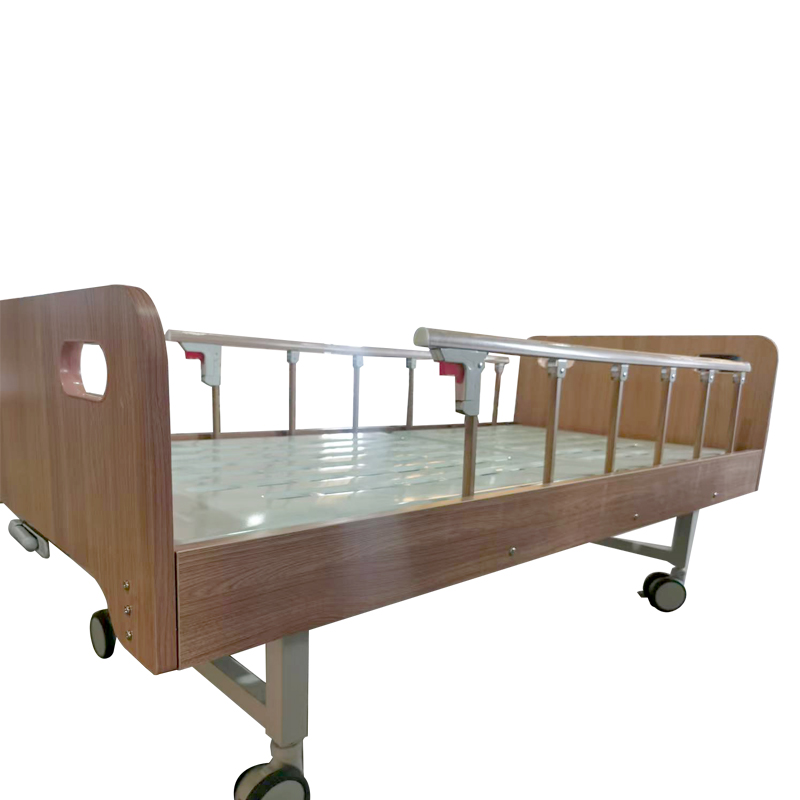
Should Families Choose a Manual or Electric Bed?
Budget is often a major consideration when selecting a home care bed.
Both manual and electric models have advantages.
Benefits of Manual Beds
Manual beds generally offer:
- Lower purchase costs
- Simple construction
- Minimal electrical components
They can be appropriate for short-term care situations where frequent adjustments are not necessary.
Benefits of Electric Beds
Electric beds provide:
- Easier adjustments
- Greater patient independence
- Improved caregiver efficiency
- Better long-term comfort
- Enhanced rehabilitation support
For most stroke recovery situations, the additional functionality of an electric bed justifies the investment.
What Safety Features Should Buyers Look For?
Safety should always be a top priority when selecting a bed for a stroke patient.
Locking Casters
Beds equipped with wheels should include reliable locking mechanisms.
This prevents unwanted movement during transfers and caregiving activities.
Strong Bed Frame Construction
A durable steel frame provides stability and long-term reliability.
Strong construction is particularly important for patients who require frequent repositioning.
Emergency Accessibility
Controls should be easy to access and operate.
Quick access becomes especially important during emergencies or sudden medical situations.
Smooth Bed Operation
Quiet, smooth motor systems reduce disruption and improve patient comfort during adjustments.
How Do Home Care Beds Benefit Caregivers?
The needs of caregivers are often overlooked during the purchasing process.
However, a well-designed home care bed can significantly reduce daily workload.
Less Physical Strain
Height adjustment reduces bending and lifting requirements.
This helps minimize the risk of back and shoulder injuries among caregivers.
Easier Transfers
Transfers between the bed and a wheelchair or walker become safer and more efficient.
This benefits both patients and caregivers.
Improved Efficiency
Tasks such as feeding, dressing, bathing assistance, and medication administration can be completed more comfortably and efficiently.
Over time, these improvements can greatly reduce caregiver fatigue.
How Should Buyers Choose the Best Bed for Stroke Patients at Home?
Selecting the right bed requires careful consideration of several factors.
Key questions include:
- How mobile is the patient?
- Will recovery be short-term or long-term?
- Is a caregiver available full-time?
- What level of adjustment is needed?
- Does the patient require pressure injury prevention?
- What is the available budget?
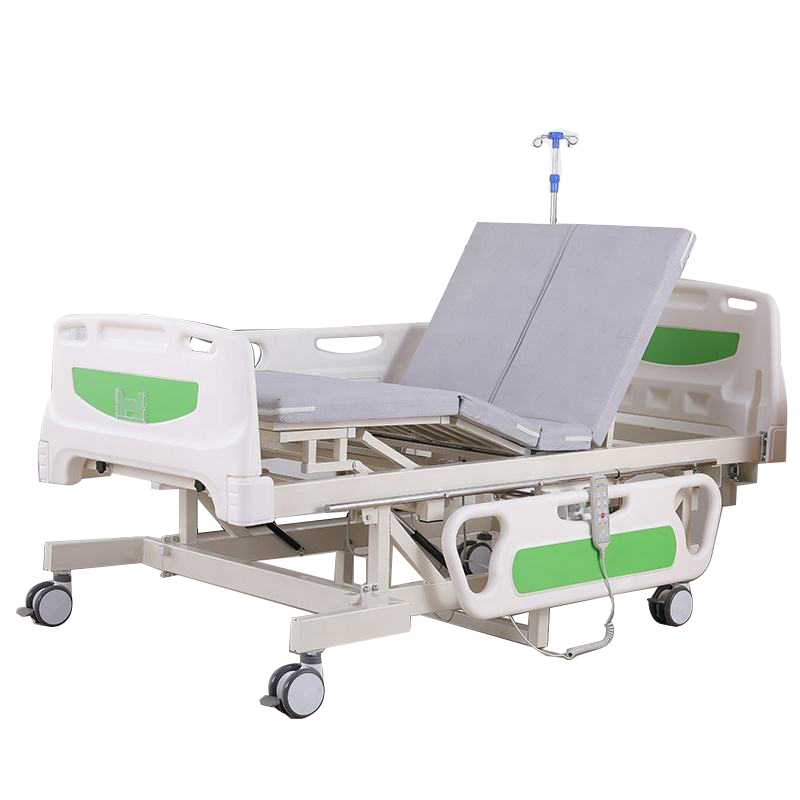
In many cases, a multi-function electric home care bed with side rails, height adjustment, and a pressure-relief mattress offers the best combination of safety, comfort, and rehabilitation support.
Working with experienced manufacturers can also ensure access to quality products, replacement parts, and ongoing technical support.
Conclusion
The best beds for stroke patients at home are those that prioritize safety, comfort, rehabilitation support, and caregiver convenience. Electric home care beds equipped with adjustable positioning, side rails, height adjustment, and pressure-relief mattress compatibility provide significant advantages over standard household beds. By carefully evaluating patient needs and recovery goals, families can create a safer and more supportive home environment that promotes independence and long-term recovery.
Have experience caring for a stroke patient at home? Share your thoughts or questions in the comments, and feel free to share this guide with others who may benefit from it.