
Many hospital buyers and distributors often wonder why some hospital bed orders arrive quickly while others face long delays. Unstable delivery schedules can disrupt healthcare projects, delay patient care, and increase operational costs. Understanding the factors that impact hospital bed manufacturing lead time helps buyers plan procurement more effectively, reduce supply chain risks, and choose reliable manufacturers with stable production capabilities.
Hospital bed manufacturing lead time is affected by raw material availability, component sourcing, production capacity, customization requirements, labor efficiency, quality inspection processes, and international shipping conditions. Manufacturers with stable supply chains, in-house production systems, experienced workers, and ample inventory can usually deliver hospital beds faster and more reliably for global B2B buyers.
Hospital bed lead time involves far more than assembly speed. Multiple production and logistics factors work together to determine final delivery schedules.
What Raw Materials Affect Hospital Bed Manufacturing Lead Time?
Raw materials are one of the most critical factors influencing hospital bed production timelines. Hospital beds require steel tubes, ABS plastic parts, motors, electronic systems, side rails, casters, mattresses, and packaging materials. If any component is delayed, the entire manufacturing process may slow down.
Steel is especially important because it forms the structural framework of most hospital beds. Changes in steel market supply, rising material costs, or transportation disruptions can directly impact production schedules. In recent years, global supply chain fluctuations have caused many manufacturers to experience longer procurement cycles for metal materials and electronic components.
Plastic accessories such as headboards, footboards, and side rails also require specialized molds and stable suppliers. If injection molding factories experience delays, assembly schedules may be pushed back. Electric hospital beds depend heavily on motors and control systems, which are often sourced from specialized suppliers. Any shortage of these components can significantly increase lead time.
Manufacturers with long-term supplier partnerships and safety stock systems are usually better prepared to maintain stable production schedules. Factories that keep inventory for common components can often respond faster to urgent orders from hospitals and distributors.
For international buyers, choosing suppliers with strong raw material management systems can reduce procurement uncertainty and improve delivery reliability.
How Does Production Capacity Influence Delivery Time?
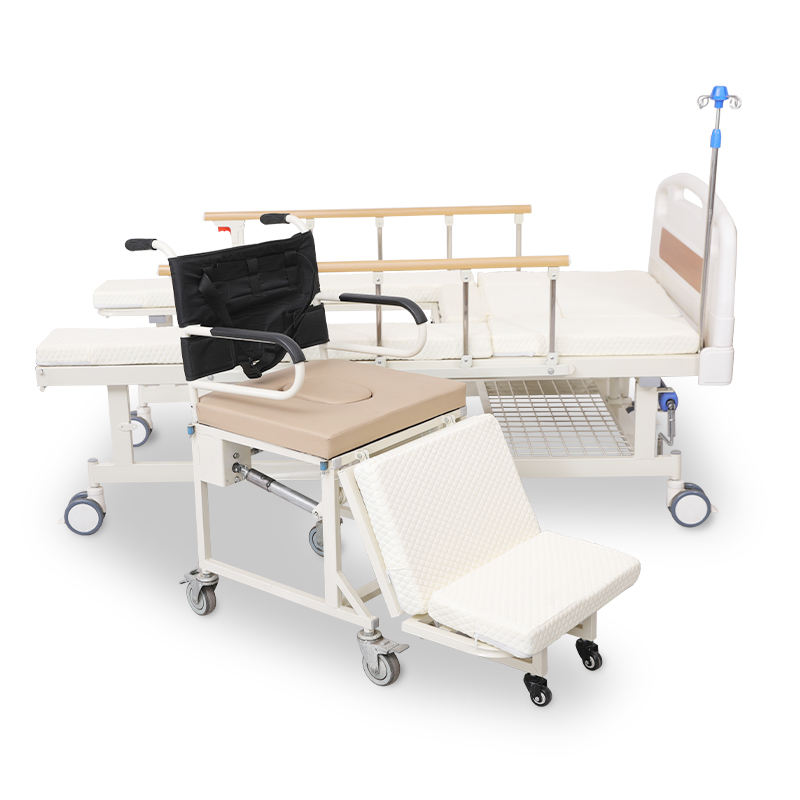
Production capacity plays a major role in determining how quickly hospital beds can be manufactured. Factories with advanced equipment, multiple production lines, and experienced workers are generally able to handle large orders more efficiently.
Hospital bed manufacturing involves several stages, including cutting, welding, polishing, coating, assembly, testing, and packaging. If a factory lacks enough production space or labor resources, even small delays at one stage can affect the entire schedule.
Large manufacturers often invest in automated welding machines, robotic bending systems, and powder coating lines to improve efficiency and maintain product consistency. Automated systems reduce human error while increasing daily output capacity.
Factories with internal processing capabilities can also shorten production timelines. For example, manufacturers that operate their own bearing processing plants or metal fabrication workshops have better control over component availability and production scheduling.
During peak purchasing seasons, such as government healthcare procurement periods or hospital expansion projects, factories may experience production overload. Buyers who place orders early usually receive better scheduling priority and more stable lead times.
Production management experience is equally important. Well-organized factories coordinate procurement, assembly, and quality inspection more efficiently, reducing bottlenecks and unnecessary downtime.
Why Does Customization Increase Hospital Bed Lead Time?
Customized hospital beds usually require more production time than standard models. While standard products can often be manufactured quickly using existing molds and inventory, customized orders involve additional engineering and production adjustments.
Many hospitals and distributors request customized features such as:
- Special dimensions
- ألوان مخصصة
- Additional accessories
- Logo printing
- Different mattress systems
- Modified side rails
- Specific electrical functions
- Country-specific power standards
Every customization requirement may add extra production steps. Some projects require engineering drawings or prototype confirmation before mass production begins. This approval process can extend manufacturing timelines.
International buyers from Europe, the USA, Japan, and South Korea often request strict technical standards or customized safety features that comply with local regulations. Additional testing and certification preparation may further increase lead time.
However, customization also provides competitive advantages. Customized hospital beds allow distributors and healthcare suppliers to differentiate their products in local markets and better meet customer needs.
Manufacturers with flexible production systems and experienced engineering teams are usually better equipped to handle custom projects efficiently.
How Do Electronic Components Affect Electric Hospital Bed Production?
Electric hospital beds are more complex than manual models because they require advanced electronic systems. These systems include motors, actuators, control boxes, handsets, sensors, and battery backup systems.
Electronic component shortages have become one of the biggest challenges in medical equipment manufacturing. Global semiconductor supply issues and transportation disruptions have caused delays for many industries, including healthcare equipment production.
Unlike standard steel components, electronic systems often require longer procurement cycles and specialized quality testing. Some components must also comply with international medical safety standards before installation.
Electric hospital beds usually undergo more detailed testing procedures than manual beds. Manufacturers need to verify motor performance, emergency functions, movement stability, and electrical safety before shipment.
Factories that maintain long-term partnerships with motor and actuator suppliers can usually manage delivery schedules more effectively. Some manufacturers also stock commonly used electrical components to reduce supply risks.
For urgent healthcare projects, buyers may choose standard electric bed configurations instead of heavily customized systems to shorten lead time.
Can Labor Availability Influence Manufacturing Speed?
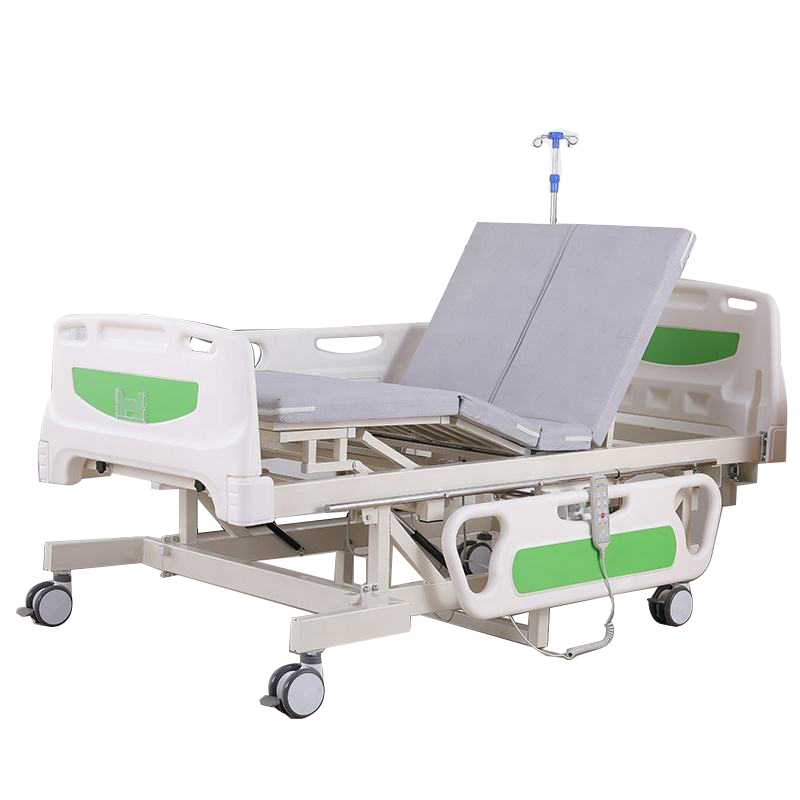
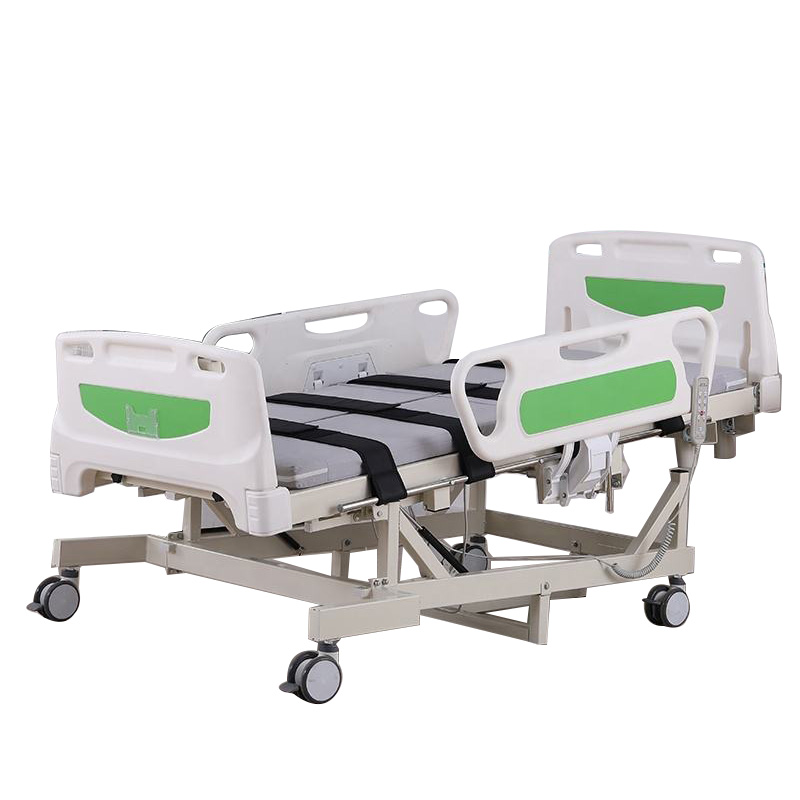
Labor efficiency is another important factor affecting hospital bed manufacturing lead time. Skilled workers are essential for welding, assembly, inspection, packaging, and equipment operation.
When factories face labor shortages, production efficiency may decline significantly. Seasonal holidays, labor market fluctuations, and sudden increases in order volume can all affect workforce stability.
Experienced workers help maintain both speed and product quality. Poor welding, incorrect assembly, or packaging mistakes can lead to rework, increasing production time and overall costs.
Manufacturers that provide employee training and maintain stable workforce management systems usually achieve better production consistency. Automation can also reduce dependence on manual labor for certain manufacturing stages.
Factories with strong operational management are generally more capable of maintaining stable lead times even during high-demand periods.
How Does Quality Control Impact Hospital Bed Lead Time?
Quality control is essential in hospital bed manufacturing because patient safety and caregiver efficiency depend on reliable equipment performance. Although inspections may slightly increase production time, they help reduce product defects and after-sales problems.
Hospital bed quality inspections may include:
- Raw material testing
- Welding strength inspection
- Surface coating checks
- Load-bearing tests
- Motor performance testing
- Side rail safety testing
- Caster durability inspection
- Packaging verification
High-quality manufacturers never skip inspection procedures simply to reduce delivery time. Thorough testing helps ensure product safety, durability, and compliance with international standards.
For B2B buyers, reliable product quality is often more important than extremely fast manufacturing speed. Poor-quality hospital beds can create maintenance issues, customer complaints, and reputational damage.
Factories with mature quality management systems usually balance production efficiency with consistent inspection standards.
How Does International Shipping Affect Overall Lead Time?
Manufacturing is only one part of the complete delivery timeline. International logistics also play a major role in determining when hospital beds arrive at their final destination.
Several factors can delay shipments, including:
- Port congestion
- Container shortages
- Customs inspections
- Seasonal shipping demand
- Weather conditions
- Political instability
- Freight schedule changes
Sea freight is commonly used for bulk hospital bed exports because it offers lower transportation costs. However, ocean shipping requires longer transit times than air freight.
Shipping destination also affects delivery schedules. Exports to Southeast Asia may arrive faster than shipments to Europe or North America due to shorter transportation routes.
Experienced exporters usually help buyers optimize logistics planning, select appropriate shipping methods, and prepare customs documentation efficiently.
Buyers who communicate delivery deadlines clearly can often receive better shipping recommendations and scheduling support from suppliers.
What Is the Average Lead Time for Hospital Bed Manufacturing?
The average hospital bed manufacturing lead time usually ranges from 15 to 45 days, depending on product type, order quantity, customization requirements, and shipping destination. Standard manual hospital beds generally require shorter production cycles, while customized or fully electric hospital beds may need additional manufacturing and testing time.
Manufacturers with stable supply chains, internal production capabilities, and ample stock often provide faster and more reliable delivery schedules for international B2B buyers.
Why Is Supplier Experience Important for Faster Delivery?
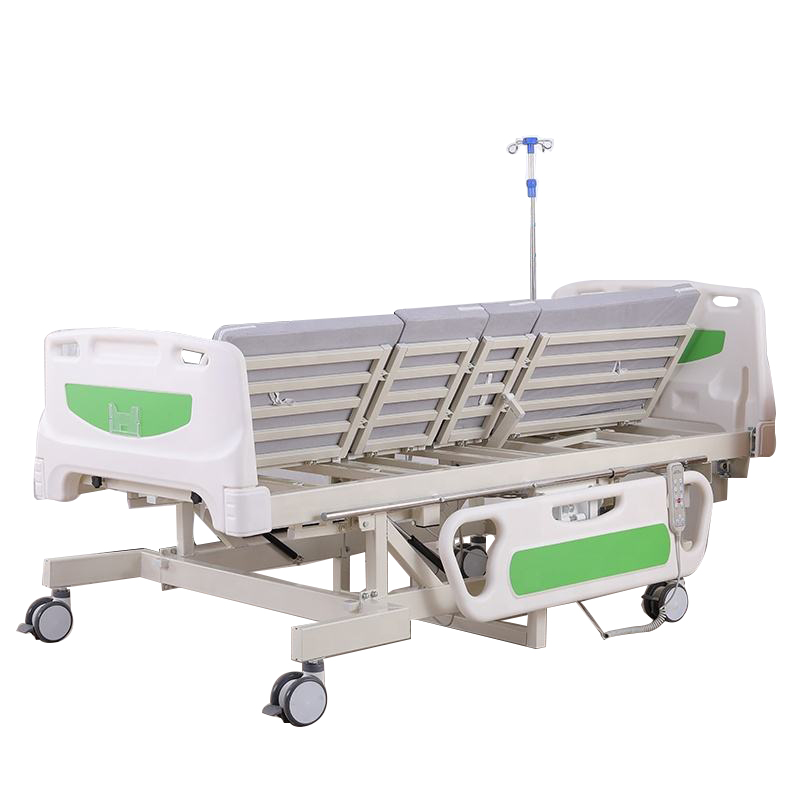
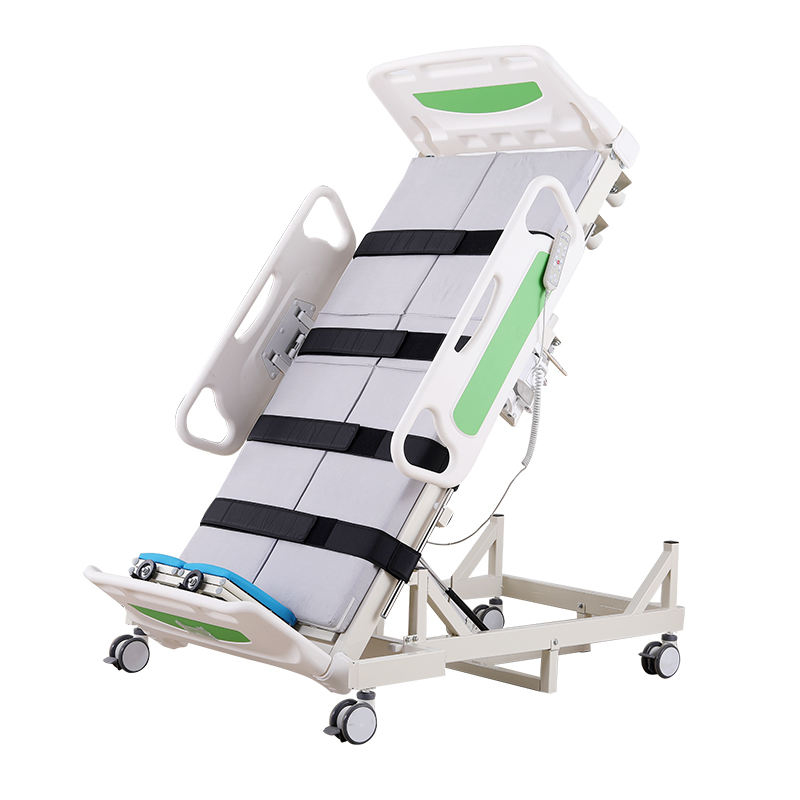
Experienced hospital bed manufacturers usually have stronger supply chain management systems, better production planning capabilities, and more efficient export processes.
Suppliers that regularly serve international markets understand certification requirements, shipping procedures, packaging standards, and quality expectations for different regions. This experience helps reduce production mistakes and shipping delays.
Established manufacturers often maintain long-term supplier relationships, allowing them to secure raw materials more consistently during periods of market instability.
Factories with export experience are also more familiar with handling large wholesale orders, government tenders, and urgent healthcare procurement projects.
For hospitals, distributors, and medical equipment buyers, selecting an experienced supplier can improve both delivery reliability and long-term business cooperation.
الخاتمة
Hospital bed manufacturing lead time is influenced by many interconnected factors, including raw material supply, production capacity, customization requirements, electronic component availability, labor efficiency, quality inspection, and international logistics. Understanding these factors helps hospitals, distributors, and medical equipment buyers plan procurement more effectively and reduce supply chain risks.
Manufacturers with stable supplier networks, advanced production systems, experienced workers, and strong export capabilities are usually better equipped to provide fast and reliable delivery schedules. For global B2B buyers, balancing production speed with consistent product quality is essential for successful hospital bed procurement.
If you have experience sourcing hospital beds internationally or would like to share your thoughts about manufacturing lead times, feel free to leave a comment or share this article with your network.