
Hospitals, nursing homes, and home care providers often face a difficult purchasing decision: should they invest in smart beds or continue using traditional beds? Making the wrong choice can lead to higher operational costs, lower caregiver efficiency, and reduced patient satisfaction. Fortunately, understanding the differences between smart beds and traditional beds can help healthcare buyers select the most suitable solution for their patients, staff, and budget.
Smart beds and traditional beds each serve important roles in healthcare. Smart beds offer advanced technologies such as patient monitoring, automatic positioning, and safety alerts, while traditional beds provide reliable support at a lower cost. The better option depends on patient needs, facility size, staffing levels, and long-term healthcare goals. Healthcare organizations often benefit by evaluating both clinical requirements and budget considerations before making a purchasing decision.
Let’s take a closer look at how smart beds and traditional beds compare across safety, comfort, efficiency, maintenance, and overall value.
What Is the Difference Between a Smart Bed and a Traditional Bed?
The primary difference lies in technology integration.
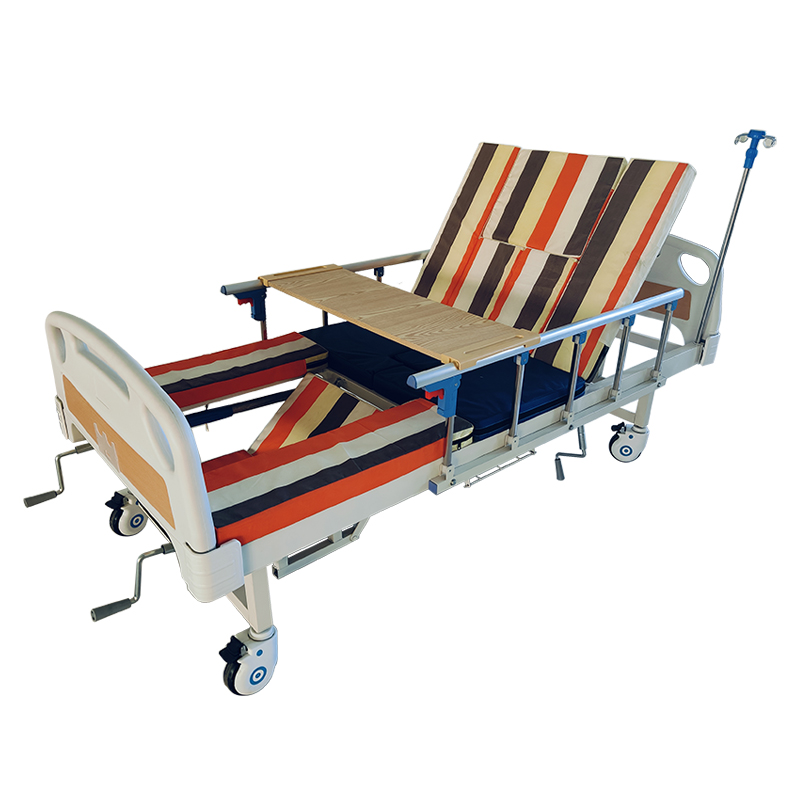
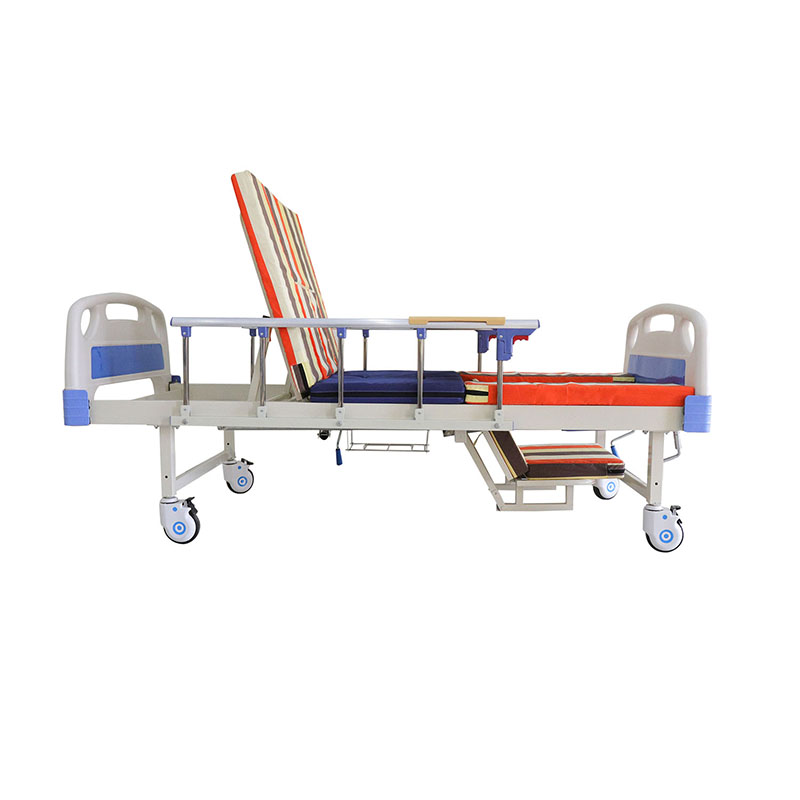
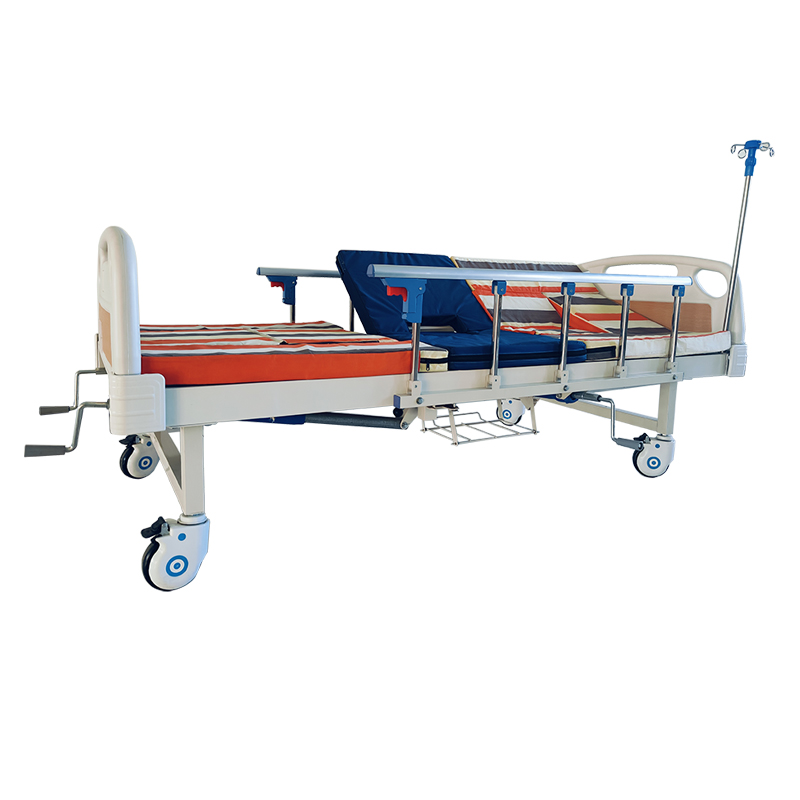
A traditional hospital bed focuses on essential patient support functions such as height adjustment, backrest elevation, leg positioning, and mobility assistance. These beds may be manual, semi-electric, or fully electric, but they generally operate independently without collecting or transmitting patient data.
Smart beds, on the other hand, combine traditional bed functions with advanced digital technologies. They often include sensors, connectivity systems, automated controls, and monitoring features that assist both patients and caregivers.
Common smart bed features include:
- Bed exit detection
- Automatic patient positioning
- Integrated weight measurement
- Pressure injury monitoring
- Fall prevention alerts
- Remote operation
- Electronic health record integration
- Occupancy monitoring
- Wireless communication systems
Essentially, traditional beds provide physical support, while smart beds actively participate in patient care management.
Are Smart Beds Better for Patient Safety?
Patient safety is one of the strongest arguments in favor of smart bed technology.
Healthcare facilities continually work to reduce patient falls, pressure injuries, and other preventable incidents. Smart beds are specifically designed to address these challenges.
الوقاية من السقوط
Falls remain one of the most common patient safety concerns in hospitals and long-term care facilities.
Many smart beds include bed-exit alarms that notify caregivers when a patient attempts to leave the bed unassisted. Some advanced systems can even predict movement patterns and provide earlier warnings.
This feature is particularly beneficial for:
- المرضى المسنون
- Patients with dementia
- Post-surgical patients
- Individuals with mobility impairments
Pressure Ulcer Reduction
Patients who remain in bed for extended periods face increased risk of pressure injuries.
Smart beds can monitor patient movement and encourage repositioning schedules. Some systems automatically adjust pressure distribution to reduce stress on vulnerable areas.
Continuous Monitoring
Certain smart beds collect real-time information about patient activity, helping caregivers identify potential issues before they become serious complications.
For facilities focused on patient safety metrics, smart beds offer significant advantages.
Which Bed Provides Better Patient Comfort?
Comfort directly impacts patient satisfaction and recovery outcomes.
Advantages of Smart Beds
Smart beds allow highly customized positioning.
Patients can often adjust:
- Head angle
- ارتفاع الساق
- Bed height
- Sitting positions
- Cardiac chair positions
- Trendelenburg and reverse Trendelenburg positions
Many smart beds also work alongside advanced pressure-relieving mattresses, improving comfort during long periods of bed rest.
Automatic adjustments can reduce discomfort without requiring caregiver intervention.
مزايا الأسرّة التقليدية
Traditional electric beds can still provide excellent comfort.
Modern electric hospital beds offer smooth positioning functions and ergonomic designs that meet the needs of most patients.
For short-term hospital stays or basic care environments, traditional beds may provide sufficient comfort without the additional expense of smart technology.
Ultimately, smart beds offer greater personalization, but traditional beds remain highly effective for many healthcare applications.
Do Smart Beds Improve Caregiver Efficiency?
Staff shortages continue to challenge healthcare systems worldwide.
As patient populations grow and caregiver workloads increase, efficiency becomes a major purchasing consideration.
Reduced Manual Tasks
Smart beds can automate several routine activities, including:
- Weight measurement
- Position adjustments
- Occupancy tracking
- مراقبة السلامة
This automation allows caregivers to spend more time delivering direct patient care.
Faster Decision-Making
Access to real-time patient information can support faster clinical responses.
Instead of manually gathering certain data points, caregivers can receive immediate updates through integrated monitoring systems.
Improved Workflow
Many smart beds connect with hospital information systems, helping streamline communication and documentation processes.
In busy healthcare environments, these efficiencies can lead to measurable productivity improvements.
Are Traditional Beds More Reliable?
Despite the growing popularity of smart technologies, reliability remains a key consideration.
Simpler Construction
Traditional beds contain fewer electronic components and software systems.
As a result, they often experience:
- Fewer technical malfunctions
- Lower repair requirements
- Simpler troubleshooting procedures
- Longer service lifespans
Lower Dependence on Technology
Smart beds rely on sensors, software, and network connectivity.
If technical issues occur, facilities may require specialized support to resolve them.
Traditional beds continue functioning effectively without internet connections, software updates, or system integrations.
Proven Performance
Traditional hospital beds have been used successfully for decades across healthcare settings worldwide.
Their simplicity remains one of their strongest advantages.
Which Option Is More Cost-Effective?
Cost is frequently one of the most important purchasing factors.
Initial Investment
Traditional beds generally have a significantly lower purchase price.
For facilities purchasing dozens or hundreds of beds, the difference in upfront investment can be substantial.
This is particularly important for:
- Small hospitals
- العيادات الخاصة
- دور رعاية المسنين
- Developing healthcare markets
Long-Term Financial Impact
While smart beds cost more initially, they may reduce costs in other areas.
Potential savings include:
- Reduced patient falls
- Lower injury-related expenses
- Improved staff productivity
- Fewer pressure ulcer treatments
- Better resource utilization
Evaluating Return on Investment
Facilities should assess whether the operational benefits of smart beds justify their higher purchase price.
For high-acuity care environments, the answer is often yes.
For facilities providing routine care, traditional beds may deliver better overall value.
Are Smart Beds Worth It for Hospitals?
The answer depends largely on the type of hospital and patient population.
Large Hospitals
Major hospitals often benefit most from smart bed technology.
Departments such as:
- Intensive Care Units (ICUs)
- أجنحة الإنعاش الجراحي
- أقسام الأعصاب
- Long-term care units
may gain significant advantages from advanced monitoring and safety features.
Specialized Medical Centers
Facilities treating complex medical conditions frequently require higher levels of patient observation.
Smart beds can support these requirements while reducing caregiver workload.
Budget Considerations
Even large hospitals may choose a hybrid approach, using smart beds only in high-risk departments while relying on traditional beds elsewhere.
This strategy balances performance and cost.
Are Traditional Beds Better for Home Care?
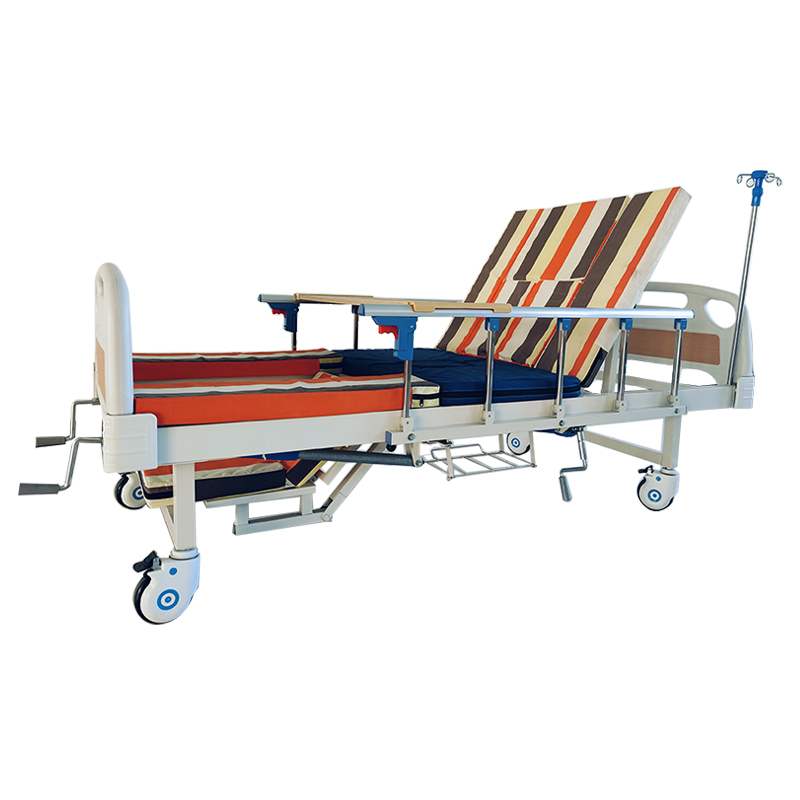
For many home care situations, traditional electric beds remain a practical choice.
Simplicity for Families
Family caregivers often prefer equipment that is easy to operate.
Traditional home care beds typically offer:
- Simple controls
- Reliable operation
- انخفاض متطلبات الصيانة
- Affordable pricing
Suitable for Most Recovery Needs
Patients recovering from surgery or managing chronic conditions often require positioning support rather than advanced monitoring.
In these cases, traditional electric beds provide excellent functionality.
When Smart Beds Make Sense
Smart home care beds may be beneficial for:
- High-risk elderly patients
- Individuals living alone
- Patients requiring continuous monitoring
- Long-term neurological care
The decision should always be based on the patient’s specific needs.
What Are the Maintenance Requirements of Smart Beds vs. Traditional Beds?
Maintenance costs can significantly impact total ownership expenses.
Smart Bed Maintenance
Smart beds typically require:
- Software updates
- Sensor calibration
- Connectivity testing
- Electronic component servicing
- الدعم الفني
These requirements may increase maintenance complexity and costs.
Traditional Bed Maintenance
Traditional beds generally require:
- Mechanical inspections
- Motor checks
- Brake maintenance
- Caster replacement
- Routine cleaning
Because of their simpler design, maintenance is often easier and more affordable.
Healthcare buyers should consider not only purchase price but also lifetime maintenance expenses.
Will Smart Beds Replace Traditional Beds in the Future?
Healthcare technology continues to evolve rapidly.
Several trends support increasing smart bed adoption:
Aging Populations
Many countries face growing elderly populations requiring more intensive care.
Digital Healthcare Expansion
Hospitals increasingly rely on connected medical devices and data-driven decision-making.
Workforce Challenges
Healthcare labor shortages create demand for technologies that improve efficiency and reduce caregiver burden.
However, traditional beds are unlikely to disappear completely.
Their affordability, durability, and reliability ensure they will continue serving many healthcare facilities for years to come.
Rather than replacing traditional beds entirely, smart beds will likely complement them in specialized applications.
How Should Healthcare Buyers Choose Between Smart Beds and Traditional Beds?
The best purchasing decision begins with a clear understanding of facility needs.
يجب على مشتري الرعاية الصحية تقييم
- Patient demographics
- Care intensity levels
- Budget limitations
- Staffing resources
- Technology infrastructure
- Maintenance capabilities
- Long-term operational goals
Facilities focused on advanced patient monitoring and safety may find smart beds highly valuable.
Organizations prioritizing affordability and reliability may prefer traditional beds.
In many cases, a mixed fleet strategy provides the optimal balance between cost and functionality.
الخاتمة
The debate between smart beds and traditional beds does not have a universal answer. Smart beds provide advanced safety features, patient monitoring capabilities, and workflow improvements that can enhance modern healthcare delivery. Traditional beds offer proven reliability, lower acquisition costs, and easier maintenance, making them a practical choice for many facilities.
The right solution depends on your patients, caregivers, budget, and clinical objectives. By carefully evaluating both short-term requirements and long-term goals, healthcare buyers can select the bed solution that delivers the greatest value and supports better patient outcomes.
What has been your experience with smart beds or traditional hospital beds? Share your thoughts, questions, or purchasing challenges in the comments, and feel free to share this article with colleagues who are evaluating healthcare bed solutions.