
Many hospital administrators, medical distributors, and healthcare facility buyers often ask whether they should purchase hospital beds and accessories from multiple vendors or work with a single supplier. Making the wrong choice can lead to inconsistent product quality, delayed deliveries, higher procurement costs, and complicated after-sales service. Fortunately, partnering with a one-stop supplier for hospital beds and accessories can simplify purchasing, improve operational efficiency, and create long-term value for healthcare organizations.
A one-stop supplier for hospital beds and accessories provides healthcare buyers with a complete range of products, including hospital beds, mattresses, side rails, bedside cabinets, overbed tables, IV stands, and other essential medical furniture. By sourcing everything from a single supplier, hospitals and distributors can reduce procurement complexity, ensure product compatibility, lower costs, improve supply chain efficiency, and receive more reliable after-sales support.
Choosing the right supplier affects more than pricing. It influences patient care, operational efficiency, and long-term business success.
يسأل الناس أيضًا
What Is a One-Stop Supplier for Hospital Beds and Accessories?
A one-stop supplier is a company that offers a comprehensive portfolio of hospital beds and related accessories under one roof. Instead of purchasing products from several manufacturers, healthcare buyers can source everything they need through a single supplier.
Typical products provided by a one-stop supplier include:
Hospital Beds
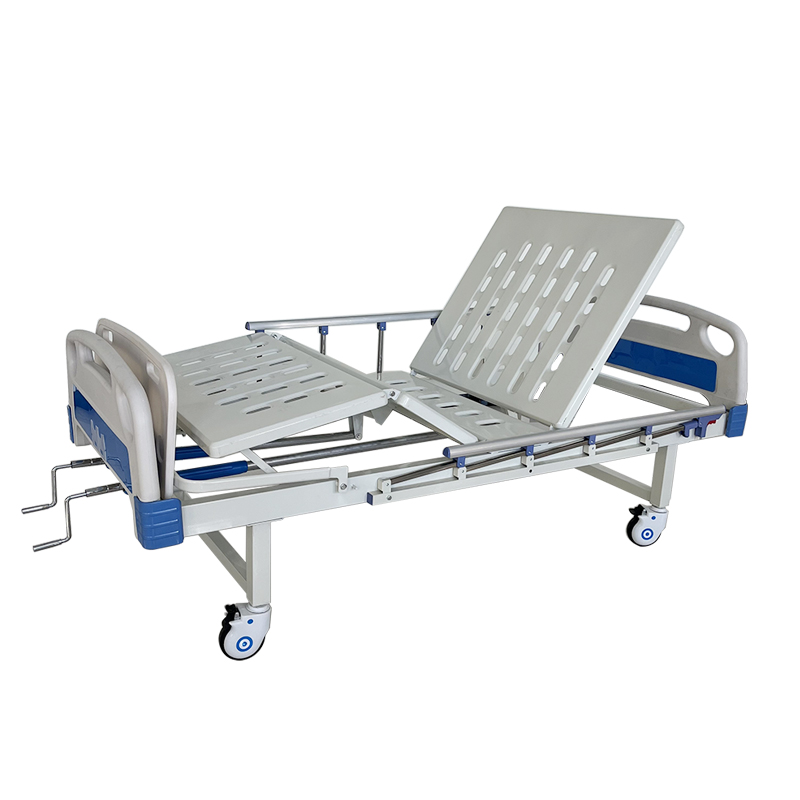
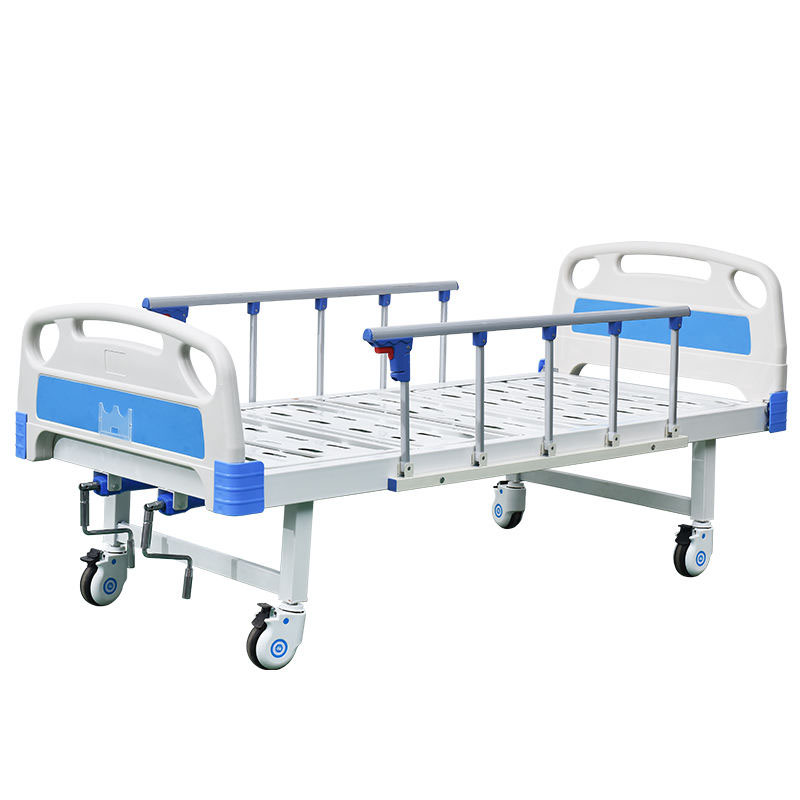
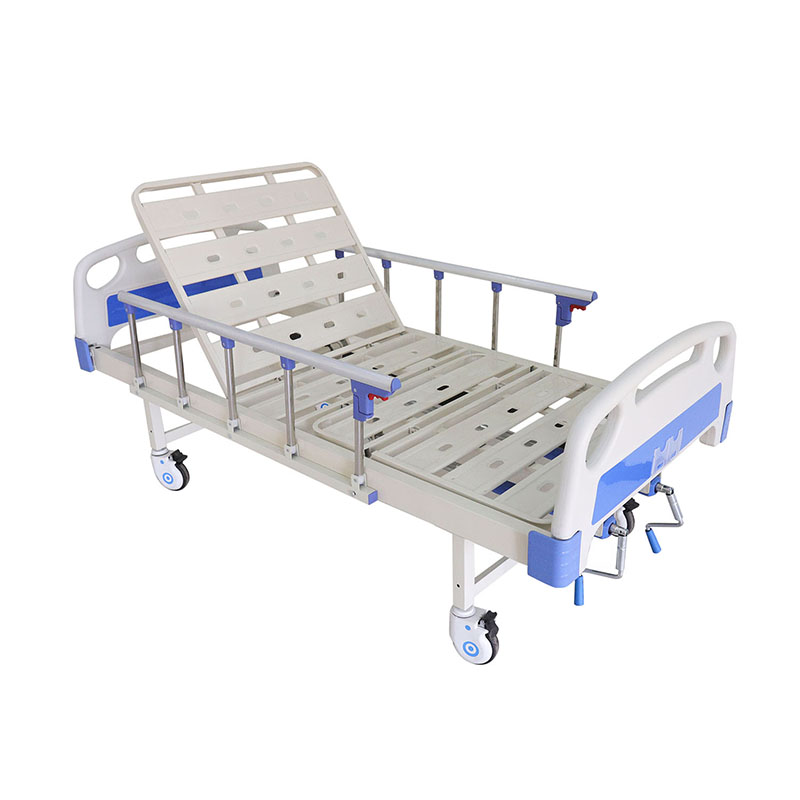
These may include manual hospital beds, electric hospital beds, ICU beds, home care beds, bariatric beds, and rehabilitation beds. Different healthcare environments require different bed functions, and a comprehensive supplier can meet diverse requirements.
Bedside Furniture
Healthcare facilities often require bedside cabinets, overbed tables, accompanying chairs, and storage solutions. Purchasing these products from the same supplier helps ensure consistent quality and design.
Patient Support Accessories
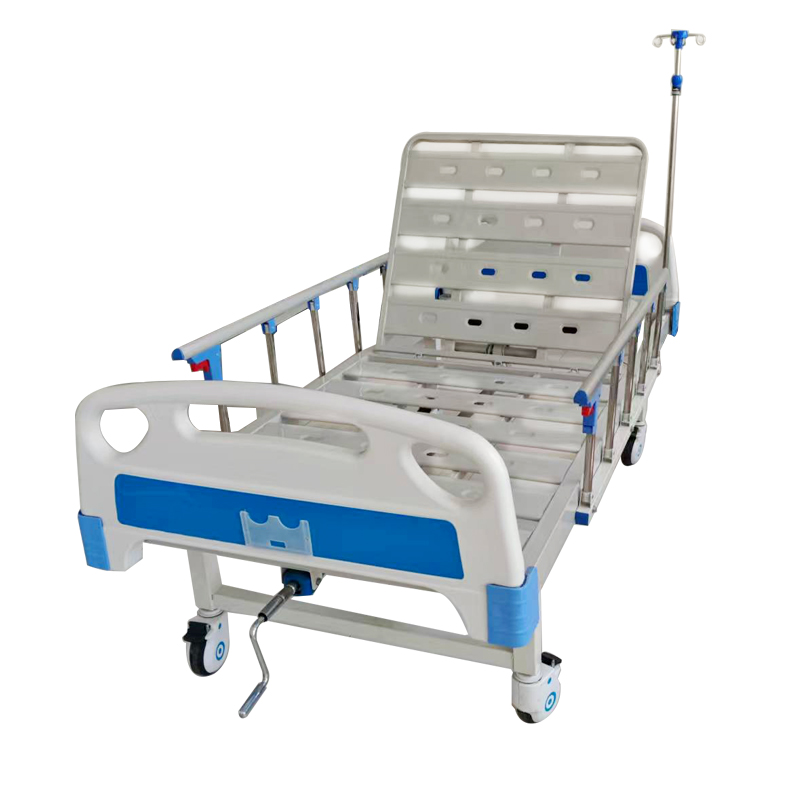
Accessories such as IV poles, mattresses, side rails, lifting poles, patient transfer equipment, and bed extensions are essential for patient comfort and safety.
Mobility and Rehabilitation Equipment
Many one-stop suppliers also provide wheelchairs, walkers, shower chairs, patient lifts, and rehabilitation products, allowing facilities to streamline purchasing.
Why Do Healthcare Buyers Prefer One-Stop Suppliers?
Healthcare procurement involves more than simply comparing prices. Buyers must evaluate product quality, compatibility, logistics, service support, and long-term reliability.
Simplified Procurement Process
Managing multiple suppliers can create significant administrative work. Procurement teams must communicate with different vendors, track separate orders, and coordinate various delivery schedules.
A one-stop supplier consolidates these tasks into a single purchasing process, saving time and reducing management complexity.
Better Product Compatibility
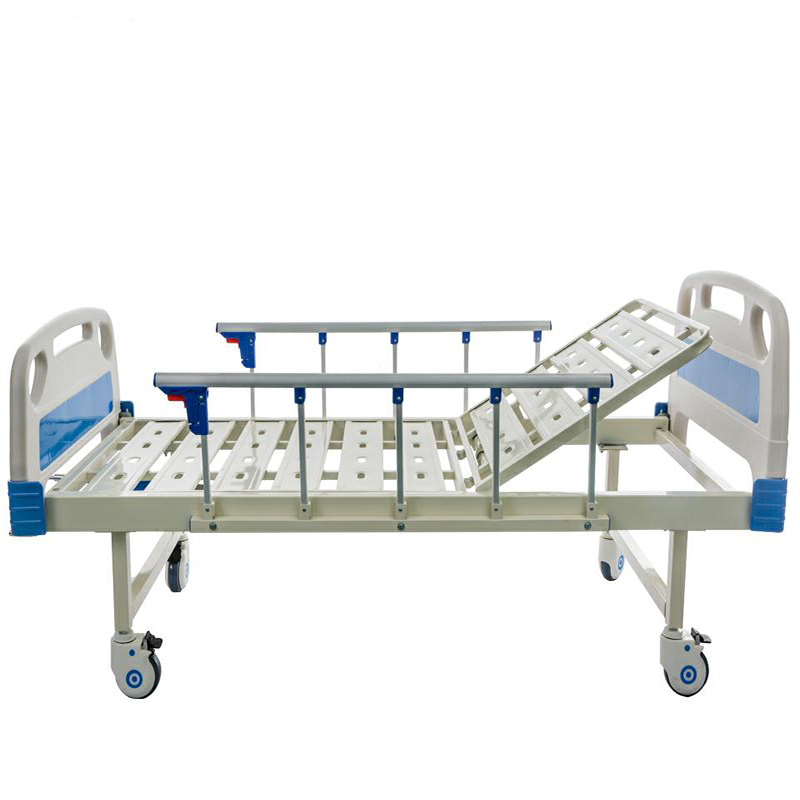
Hospital beds and accessories must work together seamlessly. Side rails, mattresses, IV stands, and other accessories should be designed to fit specific bed models.
When products come from multiple manufacturers, compatibility issues can arise. A single supplier helps eliminate these risks by ensuring that all components are designed to work together.
Consistent Product Quality
Healthcare facilities require reliable products that meet safety standards and perform consistently.
Working with one supplier allows buyers to maintain uniform quality standards across their equipment purchases. This consistency is particularly important for hospitals operating multiple departments.
Lower Overall Costs
Although buyers often focus on unit pricing, total procurement costs include shipping, inventory management, communication, and administrative expenses.
A one-stop supplier can often provide better package pricing, consolidated shipping, and reduced operational costs, resulting in greater overall savings.
How Does a One-Stop Supplier Improve Supply Chain Efficiency?
Supply chain efficiency has become increasingly important for healthcare organizations worldwide. Delays in equipment delivery can affect patient care and facility operations.
Centralized Order Management
With a single supplier, buyers can manage all product categories through one purchasing channel. This reduces paperwork and simplifies inventory planning.
Faster Delivery Coordination
Coordinating shipments from multiple manufacturers often leads to delays and scheduling conflicts.
A one-stop supplier can consolidate products into fewer shipments, helping facilities receive equipment more quickly and efficiently.
Improved Inventory Control
Healthcare facilities must maintain sufficient inventory while avoiding excessive stock.
A reliable supplier can help buyers forecast demand, manage replenishment schedules, and optimize inventory levels.
Better Forecasting and Planning
Long-term supplier relationships enable better production planning and more accurate delivery schedules. This predictability is valuable for hospitals, distributors, and healthcare projects.
What Products Should a Complete Hospital Bed Supplier Offer?
Not all suppliers truly qualify as one-stop providers. Buyers should evaluate the breadth of available products.
أسرّة المستشفيات اليدوية
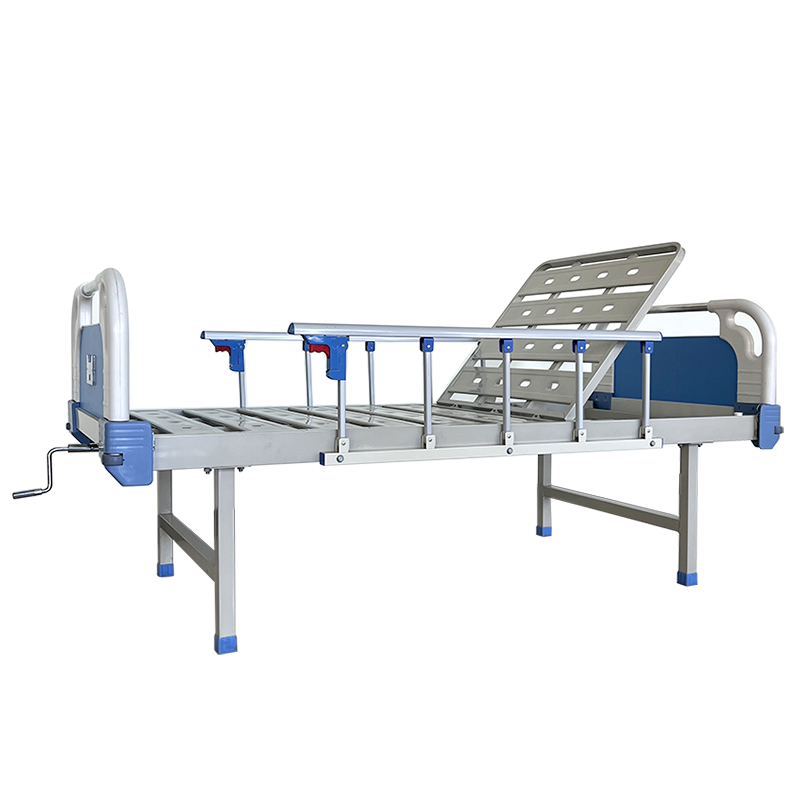
Manual beds remain popular in many healthcare facilities because they are affordable, durable, and easy to maintain.
أسرّة المستشفيات الكهربائية
Electric beds provide enhanced comfort and convenience for patients and caregivers through powered adjustments.
ICU Beds
Intensive care units require advanced beds equipped with multiple positioning functions, safety features, and monitoring capabilities.
أسرّة الرعاية المنزلية
The growing demand for home healthcare has increased the need for comfortable and easy-to-use home care beds.
Medical Mattresses
Pressure-relief mattresses play an important role in preventing pressure injuries and improving patient comfort.
Bedside Cabinets and Overbed Tables
These products improve convenience for both patients and caregivers while enhancing room organization.
Mobility Equipment
Wheelchairs, walkers, transfer aids, and rehabilitation products complement hospital bed purchases and provide comprehensive patient care solutions.
What Should Buyers Look for in a One-Stop Hospital Bed Supplier?
Selecting the right supplier requires careful evaluation.
Manufacturing Capability
Buyers should assess whether the supplier has sufficient production capacity to handle both routine orders and large-scale projects.
A manufacturer with modern facilities and established production processes is generally better positioned to ensure consistent quality and delivery.
Quality Control Systems
Healthcare equipment must meet strict quality standards.
Reliable suppliers implement comprehensive quality control procedures throughout production, assembly, and final inspection.
Export Experience
International buyers should prioritize suppliers with extensive export experience. Such suppliers are more familiar with shipping requirements, documentation, certifications, and customs procedures.
Product Customization Options
Different healthcare markets have unique requirements.
A strong supplier should offer customization options such as bed dimensions, color schemes, branding, accessory configurations, and packaging solutions.
Technical Support
Technical assistance is essential for installation, maintenance, troubleshooting, and training.
Suppliers that provide professional support can help healthcare facilities maximize equipment performance.
How Can One-Stop Suppliers Support Medical Distributors?
Medical distributors face unique challenges when serving hospitals, clinics, and healthcare institutions.
Expanded Product Portfolio
Distributors can offer a wider range of products without managing relationships with multiple manufacturers.
Reduced Supplier Management
Fewer suppliers mean less administrative work and more efficient operations.
Improved Customer Satisfaction
When distributors can provide complete solutions, they become more valuable to their customers.
Faster Response to Market Demand
Access to a broad product catalog enables distributors to respond quickly to changing customer requirements.
Common Mistakes to Avoid When Choosing a Supplier
Many buyers focus only on initial pricing, overlooking other important factors.
Ignoring After-Sales Service
Even high-quality equipment occasionally requires maintenance or replacement parts.
Strong after-sales support can significantly reduce downtime and operational disruptions.
Overlooking Product Range
A supplier with a limited product portfolio may not be able to support future expansion needs.
Failing to Verify Quality Standards
Healthcare facilities should always confirm manufacturing processes, testing procedures, and product certifications.
Choosing Based Solely on Price
The lowest price does not always represent the best value. Buyers should consider quality, service, delivery reliability, and long-term partnership potential.
Why Long-Term Partnerships Matter
Healthcare procurement is not a one-time transaction. Hospitals and distributors often require ongoing equipment purchases, spare parts, and technical support.
Long-term supplier partnerships provide several advantages:
Stable Product Quality
Consistent manufacturing processes help maintain predictable quality levels.
Reliable Delivery Performance
Established relationships improve production scheduling and order prioritization.
Better Pricing Opportunities
Volume purchasing and long-term cooperation can create additional cost savings.
Continuous Product Improvement
Trusted suppliers often collaborate with customers to develop better products and customized solutions.
الخاتمة
Choosing a one-stop supplier for hospital beds and accessories can significantly improve procurement efficiency, reduce operational complexity, and enhance healthcare delivery. By sourcing hospital beds, mattresses, bedside furniture, mobility equipment, and related accessories from a single reliable supplier, buyers can ensure product compatibility, maintain consistent quality, lower overall costs, and simplify supply chain management.
As healthcare facilities continue to seek greater efficiency and better patient outcomes, the value of integrated procurement solutions will only increase. If you are evaluating hospital bed suppliers, consider the long-term benefits of partnering with a comprehensive provider. Feel free to share your experiences, ask questions, or discuss your procurement challenges in the comments below.