
Many healthcare investors and hospital managers struggle to determine how many hospital beds they need and which types are best for their facilities. Poor planning can increase operational costs, reduce patient comfort, and limit clinical efficiency. Proper hospital bed planning helps new healthcare facilities improve patient care, optimize workflow, control long-term expenses, and prepare for future healthcare demands.
Hospital bed planning for new healthcare facilities requires evaluating patient capacity, department functions, caregiver workflow, safety standards, and future expansion goals. Choosing the right hospital beds improves patient comfort, operational efficiency, infection control, and long-term cost management. Healthcare facilities should prioritize bed functionality, durability, mobility, and compatibility with modern medical equipment to create an efficient and scalable healthcare environment.
Hospital bed planning affects every aspect of healthcare operations. Understanding key purchasing factors helps facilities build safer and more efficient medical environments.
يسأل الناس أيضًا
Why Is Hospital Bed Planning Important for New Healthcare Facilities?
Hospital beds are one of the most essential investments in any healthcare facility. They directly impact patient recovery, caregiver efficiency, treatment flexibility, and overall operational performance.
When new healthcare facilities fail to plan properly, they often face several long-term challenges, including:
- Insufficient patient capacity
- Poor room utilization
- Increased caregiver strain
- High maintenance costs
- انخفاض مستوى راحة المريض
- Limited treatment flexibility
Healthcare facilities are complex environments where every department has unique requirements. Intensive Care Units (ICUs), rehabilitation centers, emergency departments, long-term care wards, and outpatient clinics all require different bed configurations and functions.
Careful planning ensures that hospitals purchase beds suitable for both current operations and future growth. This helps healthcare providers improve efficiency while maintaining better patient outcomes.
For B2B healthcare buyers, proper planning also improves budget control and procurement efficiency, especially when managing large-scale healthcare projects.
What Types of Hospital Beds Should New Healthcare Facilities Consider?
Different healthcare environments require different types of hospital beds. Understanding the available options helps buyers choose the right products for each department.
أسرّة المستشفيات اليدوية
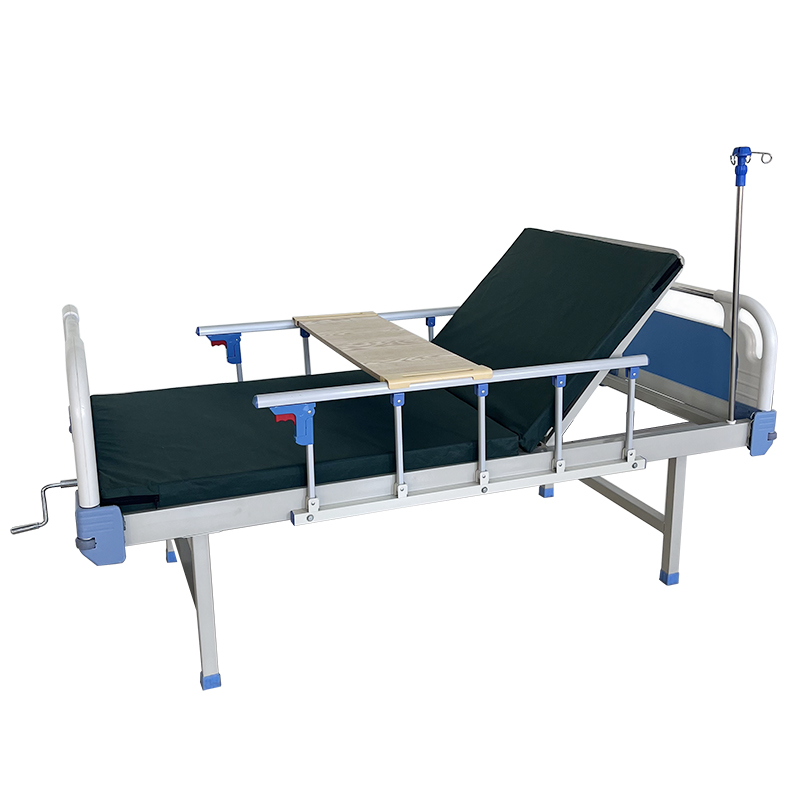
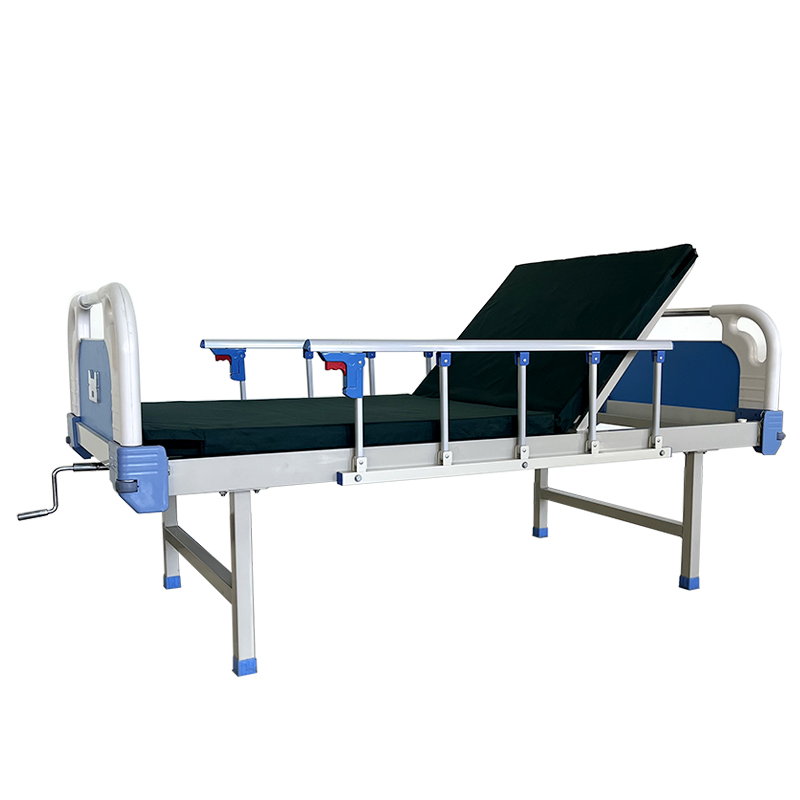
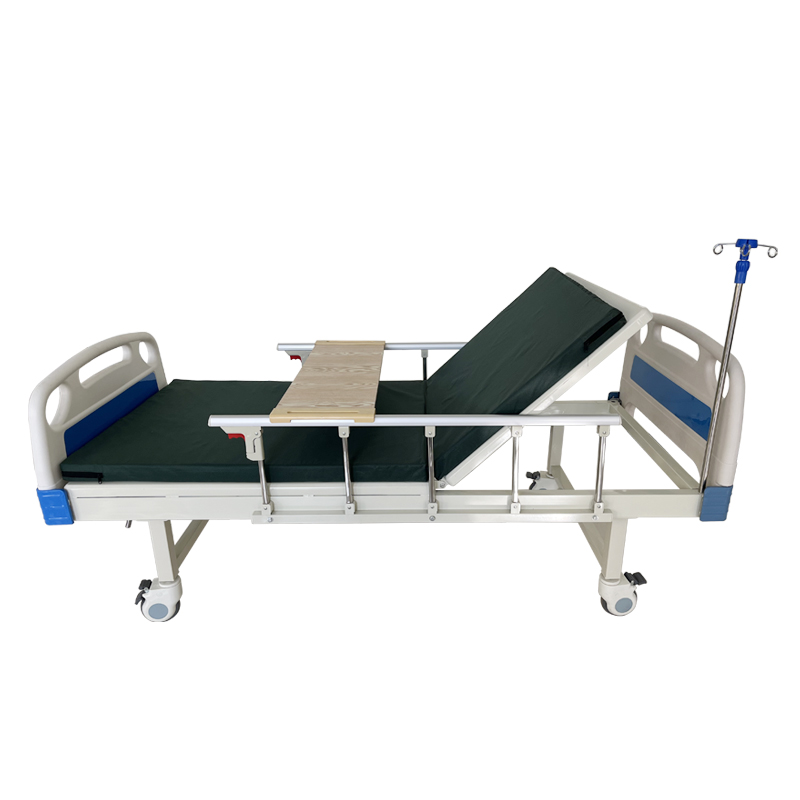
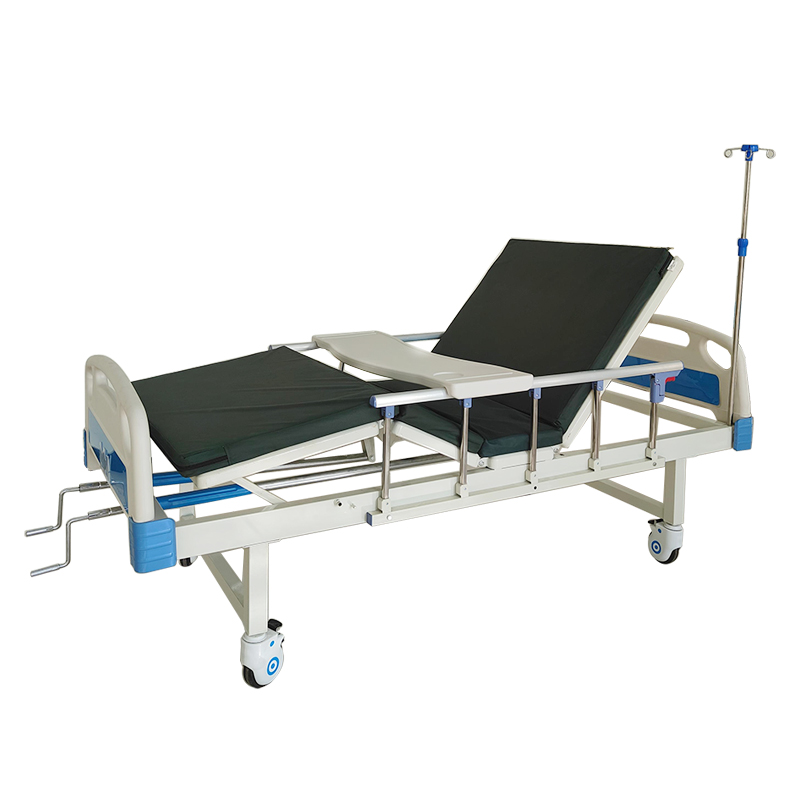
Manual hospital beds are commonly used in facilities where advanced electronic functions are unnecessary.
These beds typically use hand cranks for adjustments such as:
- ارتفاع مسند الظهر
- وضع الركبة
- تعديل الارتفاع
Manual beds are suitable for:
- الأجنحة العامة
- Temporary patient care
- Rural clinics
- Budget-sensitive healthcare projects
تشمل المزايا ما يلي:
- Lower purchasing cost
- Simple maintenance
- Reliable mechanical operation
However, manual adjustments can increase caregiver workload and may reduce patient convenience.
Semi-Electric Hospital Beds
Semi-electric hospital beds combine manual and electric functions.
Usually:
- Backrest and knee adjustments are electric
- Height adjustment remains manual
These beds provide a balance between affordability and convenience.
Common applications include:
- مراكز إعادة التأهيل
- Mid-level care facilities
- العيادات الخاصة
- Long-term care wards
Semi-electric models help reduce caregiver strain while controlling procurement costs.
Fully Electric Hospital Beds
Fully electric hospital beds are widely used in modern healthcare environments because they provide advanced patient positioning and operational efficiency.
وتشمل السمات المشتركة ما يلي:
- Electric backrest adjustment
- Electric knee elevation
- Electric height adjustment
- وضعية ترندلنبرغ
- وضعية ترندلنبرغ العكسية
These beds are commonly used in:
- ICUs
- Surgical recovery rooms
- Advanced care units
- High-dependency wards
تشمل المزايا ما يلي:
- تحسين راحة المريض
- Better caregiver ergonomics
- Faster patient positioning
- Enhanced treatment flexibility
Fully electric beds are especially valuable in facilities that prioritize patient-centered care.
أسرّة مستشفيات علاج البدانة
Bariatric hospital beds are designed for overweight or obese patients.
These beds feature:
- إطارات مقواة
- قدرات تحميل أعلى
- أسطح نوم أوسع
- عجلات للخدمة الشاقة
As obesity rates continue increasing globally, many hospitals now include bariatric beds in their long-term capacity planning.
Pediatric Hospital Beds
Pediatric beds focus on child safety and caregiver accessibility.
ومن بين الميزات المهمة ما يلي:
- Safety side rails
- Rounded frame edges
- Adjustable heights
- Child-friendly designs
Children’s hospitals and pediatric departments require beds specifically designed for younger patients.
How Should Healthcare Facilities Estimate Bed Capacity?
Determining the correct number of beds is one of the most important stages of healthcare facility planning.
Several key factors influence bed capacity calculations.
Patient Population Forecasts
Facilities should evaluate:
- Local population growth
- Regional healthcare demand
- Disease patterns
- Emergency response requirements
Hospitals in rapidly growing urban areas may require scalable bed systems that support future expansion.
Department Distribution
Each department requires different bed allocations.
على سبيل المثال:
- ICU departments generally require fewer but more advanced beds
- Emergency rooms need high-turnover patient beds
- Rehabilitation departments may require specialized mobility beds
Careful departmental analysis improves operational efficiency.
Average Length of Stay
Facilities should estimate how long patients typically remain hospitalized.
Longer stays increase occupancy rates and influence overall bed demand.
تشمل الاعتبارات المهمة ما يلي:
- Specialty treatment programs
- Chronic care services
- Surgical recovery periods
Accurate forecasting helps avoid future overcrowding problems.
Future Expansion Planning
Healthcare facilities should avoid planning only for immediate needs.
Modern hospitals often expand over time through:
- New departments
- Additional treatment units
- Increased patient capacity
- Technology upgrades
Flexible procurement strategies allow hospitals to scale operations more efficiently.
What Features Should Buyers Prioritize When Selecting Hospital Beds?
Hospital bed purchasing decisions should focus on long-term value rather than only initial price.
Several features are especially important for modern healthcare environments.
Patient Positioning Functions
Advanced positioning improves both patient care and caregiver efficiency.
Important functions include:
- ارتفاع مسند الظهر
- Knee adjustment
- تعديل الارتفاع
- وضعية ترندلنبرغ
- وضعية المريض على كرسي القلب
These functions support:
- Improved breathing
- Better circulation
- Pressure relief
- نقل المرضى بسهولة أكبر
Multi-function beds are especially useful in critical care environments.
ميزات السلامة
Patient safety is a top priority for healthcare facilities.
Important safety features include:
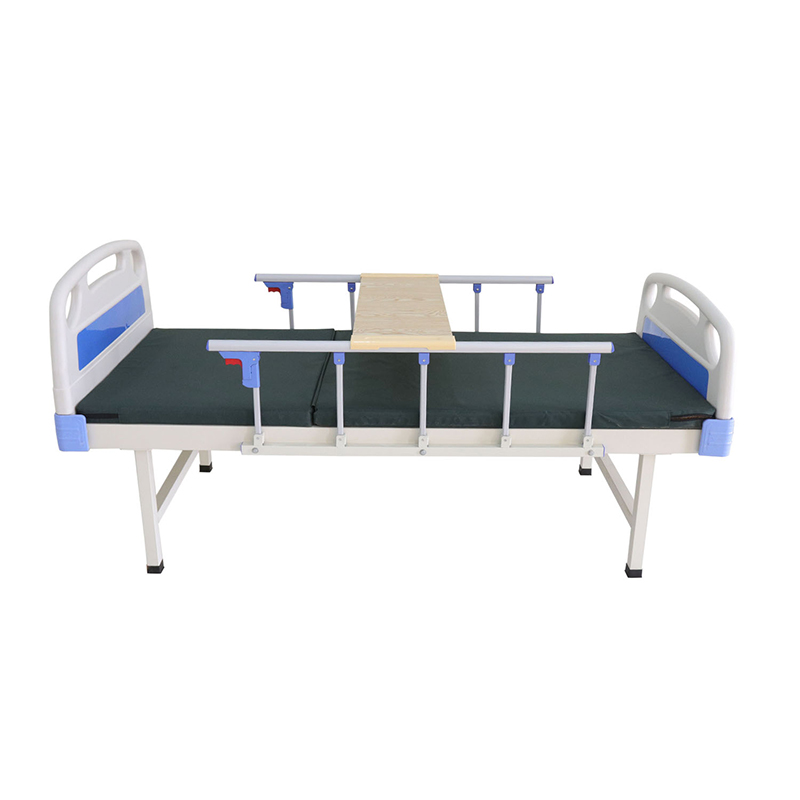
- Locking side rails
- أنظمة الكبح المركزية
- Anti-collision wheels
- CPR emergency release systems
- Stable frame structures
These features reduce fall risks and improve emergency response capabilities.
توافق المراتب
Hospital beds should be compatible with specialized medical mattresses.
Common mattress types include:
- مراتب تخفيف الضغط
- المراتب الرغوية
- أنظمة الضغط المتناوبة
- Waterproof mattresses
Proper mattress selection helps reduce pressure injuries and improve patient comfort.
Mobility and Transportation
Hospital beds are frequently moved between rooms and departments.
High-quality casters improve:
- Transport efficiency
- Maneuverability
- Noise reduction
- سلامة مقدمي الرعاية
Central locking caster systems are especially useful in modern healthcare facilities.
Ease of Cleaning
Infection prevention has become increasingly important in healthcare environments.
Beds with smooth surfaces and removable components simplify cleaning and disinfection procedures.
Healthcare facilities should prioritize:
- المواد المقاومة للتآكل
- Seamless surfaces
- Waterproof structures
- Easy-access cleaning areas
These features help improve hygiene management.
How Does Hospital Bed Planning Improve Workflow Efficiency?
Efficient hospital bed planning directly improves daily healthcare operations.
Poorly designed or improperly selected beds can create workflow problems such as:
- Slow patient transfers
- Increased caregiver fatigue
- Delayed emergency response
- Difficult room cleaning procedures
Modern hospital beds improve workflow by supporting ergonomic caregiving practices.
على سبيل المثال:
- Height-adjustable beds reduce back strain
- Electric positioning saves caregiver time
- Mobility systems simplify patient transport
Integrated accessories also improve efficiency.
ومن الأمثلة على ذلك:
- حاملات أعمدة الحقن الوريدي
- Oxygen cylinder racks
- لوحات التحكم الخاصة بالممرضات
- Patient monitoring compatibility
Operational efficiency becomes increasingly important as healthcare facilities manage growing patient volumes and staffing challenges.
Why Is Infection Control Important in Hospital Bed Planning?
Hospital-acquired infections remain a major concern worldwide.
Hospital bed design plays an important role in infection prevention.
Healthcare facilities should prioritize beds with:
- Antibacterial surfaces
- Easy-clean frame designs
- Waterproof mattress systems
- المواد المقاومة للتآكل
Smooth surfaces reduce dirt accumulation and simplify disinfection.
Beds designed for infection control help facilities:
- تحسين سلامة المرضى
- Reduce contamination risks
- Support regulatory compliance
- Improve operational hygiene standards
In modern healthcare environments, infection control is no longer optional. It is a core component of healthcare facility planning.
How Can Healthcare Facilities Balance Cost and Quality?
Budget management is critical when building new healthcare facilities. However, focusing only on low purchase prices can create higher long-term expenses.
Healthcare buyers should evaluate total ownership costs, including:
- عمر المنتج
- تكرار الصيانة
- توافر قطع الغيار
- كفاءة الطاقة
- دعم الضمان
Working directly with experienced manufacturers can help facilities achieve better pricing and product reliability.
Factory-direct suppliers often provide:
- Competitive wholesale pricing
- Stable inventory
- Faster production timelines
- OEM customization services
- International shipping experience
For large hospital projects, reliable supply chains are essential for maintaining project schedules.
Why Is Supplier Selection Important for Large Healthcare Projects?
Hospital bed suppliers play an important role in healthcare infrastructure development.
Reliable suppliers provide more than products. They also offer:
- الدعم الفني
- Quality consistency
- Export documentation
- توافر قطع الغيار
- Installation guidance
- Long-term cooperation support
Healthcare facilities should evaluate whether suppliers can support large-volume orders and international compliance requirements.
Experienced B2B manufacturers serving markets such as Southeast Asia, the Middle East, Europe, the USA, Japan, and South Korea often better understand international healthcare procurement standards.
Choosing the right supplier improves both project stability and long-term operational performance.
How Should Healthcare Facilities Prepare for Future Healthcare Trends?
Healthcare technology continues evolving rapidly. New healthcare facilities should plan for future adaptability.
Emerging trends include:
- Smart hospital beds
- Remote patient monitoring
- Digital nurse call integration
- Fall detection systems
- Pressure mapping technology
Hospitals investing in scalable infrastructure can more easily upgrade their facilities over time.
Future-ready hospital bed systems help facilities remain competitive while improving patient care quality.
الخاتمة
Hospital bed planning is a critical step when building new healthcare facilities. Proper planning improves patient safety, caregiver efficiency, workflow management, infection control, and long-term operational performance. By carefully evaluating bed capacity, department requirements, safety features, mobility systems, and future expansion needs, healthcare buyers can make smarter procurement decisions and reduce long-term costs.
If you are planning a new healthcare facility or upgrading your hospital infrastructure, feel free to share your thoughts or questions in the comments. You are also welcome to share this article with healthcare professionals and procurement teams who may benefit from these hospital bed planning insights.