
Many healthcare providers, nursing home administrators, and caregivers ask whether ultra-low hospital beds are worth the investment for patient safety. Choosing the wrong bed can increase the risk of falls, injuries, longer recovery periods, and higher healthcare costs. Fortunately, ultra-low hospital beds provide an effective solution by reducing fall-related injuries, improving patient independence, and creating a safer care environment for both patients and caregivers.
Ultra-low hospital beds are designed to reduce the risk and severity of patient falls by positioning the mattress closer to the floor. They help protect elderly and high-risk patients, improve transfer safety, support caregiver efficiency, and contribute to better patient outcomes. By minimizing fall-related injuries and associated healthcare costs, ultra-low hospital beds have become an essential safety solution in modern healthcare facilities.
Fall prevention is a top priority in healthcare. Understanding the benefits of ultra-low hospital beds can help facilities improve safety and patient care outcomes.
People Also Ask
What Is an Ultra-Low Hospital Bed?
An ultra-low hospital bed is a specialized medical bed that can be lowered significantly closer to the floor than a standard hospital bed. While conventional hospital beds often have a minimum height of approximately 15 to 18 inches, ultra-low beds may lower to as little as 7 to 10 inches above the floor.
The primary purpose of this design is to reduce the distance between the patient and the floor. If a patient accidentally rolls out of bed or attempts to exit without assistance, the lower height reduces the impact of the fall and decreases the likelihood of serious injuries.
Ultra-low beds are widely used in hospitals, rehabilitation centers, nursing homes, assisted living facilities, and home care environments where patient safety is a major concern.
Why Is Fall Prevention So Important in Healthcare?
Patient falls remain one of the most common safety incidents in healthcare settings worldwide. Every year, healthcare facilities report thousands of patient falls, many of which result in injuries that require additional treatment and extended care.
Falls can have serious consequences, including:
- Bone fractures
- Head injuries
- Soft tissue damage
- Loss of mobility
- Psychological trauma
- Extended hospital stays
Beyond the physical injuries, falls often reduce patient confidence and independence. Patients who experience a fall may become fearful of walking or performing daily activities, which can slow rehabilitation and recovery.
Healthcare organizations also face financial and operational challenges when falls occur. Additional treatments, investigations, documentation, and legal concerns can increase costs and place added pressure on caregivers.
Because of these challenges, healthcare providers continuously seek practical and effective fall prevention solutions.
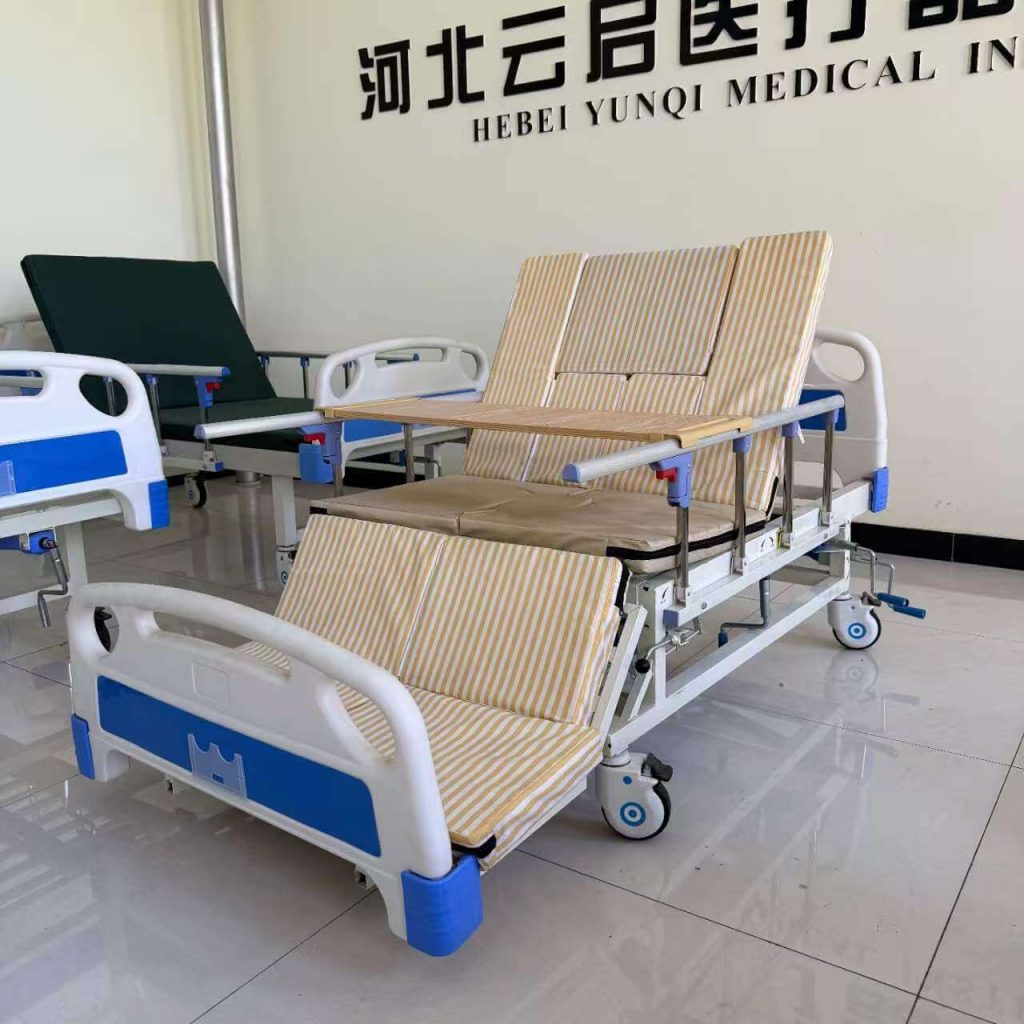
How Do Ultra-Low Hospital Beds Reduce Fall Risks?
Lower Fall Distance
The most obvious advantage of an ultra-low hospital bed is the reduction in fall height.
When a patient falls from a traditional hospital bed, the greater distance to the floor creates more impact force. By reducing the bed’s height, ultra-low beds significantly decrease the force generated during a fall.
Although they cannot completely prevent every fall, they can substantially reduce the severity of injuries when falls occur.
Improved Stability During Transfers
Many falls happen when patients are getting into or out of bed. Patients may experience weakness, dizziness, balance issues, or limited mobility that make transfers difficult.
Ultra-low beds allow patients to place their feet firmly on the floor before standing. This increased stability helps reduce the likelihood of losing balance during transfers.
Better Support for Nighttime Safety
Many patient falls occur during the night when patients attempt to use the restroom or move independently without assistance.
Because ultra-low beds sit closer to the floor, patients are less likely to suffer severe injuries if they accidentally slip or lose their balance while leaving the bed.
Advantages for Elderly Patients
Reduced Risk of Fractures
Older adults often experience reduced bone density due to aging and conditions such as osteoporosis. Even a relatively minor fall can result in serious fractures.
Ultra-low beds help minimize impact forces and lower the risk of fractures affecting the hips, wrists, and other vulnerable areas.
Enhanced Confidence
Fear of falling is a common concern among elderly patients.
Knowing that the bed is positioned close to the floor can help patients feel more secure. This increased confidence may encourage greater mobility and participation in rehabilitation activities.
Improved Comfort and Accessibility
Many elderly individuals find it easier to enter and exit a lower bed. The reduced height allows for more natural movement and less physical effort during daily activities.
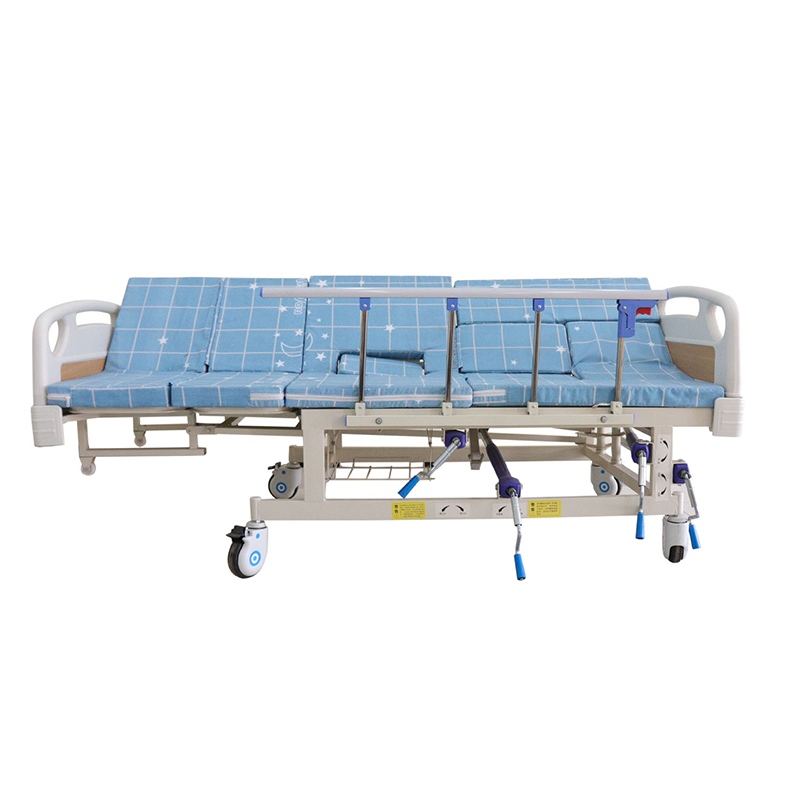
Benefits for Patients with Cognitive Impairments
Supporting Dementia Care
Patients with dementia may become confused or disoriented, especially during nighttime hours. They may attempt to leave the bed without assistance, increasing the risk of falls.
Ultra-low beds provide an additional layer of protection by minimizing potential injury if a fall occurs.
Reduced Need for Restraints
Modern healthcare emphasizes patient dignity and freedom of movement whenever possible.
Ultra-low beds offer a safer alternative to restrictive measures. Instead of relying heavily on restraints, facilities can use bed design as part of a comprehensive fall prevention strategy.
Encouraging a More Comfortable Environment
Patients with cognitive impairments often respond better to environments that feel less restrictive and intimidating. Ultra-low beds can contribute to a calmer and more patient-friendly care setting.
Advantages for Rehabilitation Patients
Supporting Recovery Goals
Rehabilitation programs focus on restoring mobility, strength, and independence.
Ultra-low beds can assist patients in safely practicing transfers, standing exercises, and walking activities. This encourages gradual improvement while maintaining safety.
Promoting Independence
As patients recover, they often seek greater control over their daily routines.
The accessibility of an ultra-low bed allows patients to perform certain movements with greater confidence, promoting independence and self-esteem.
Facilitating Physical Therapy
Therapists frequently work with patients on bed mobility and transfer training.
Adjustable ultra-low beds provide a flexible platform that can be adapted to different therapy activities and patient needs.
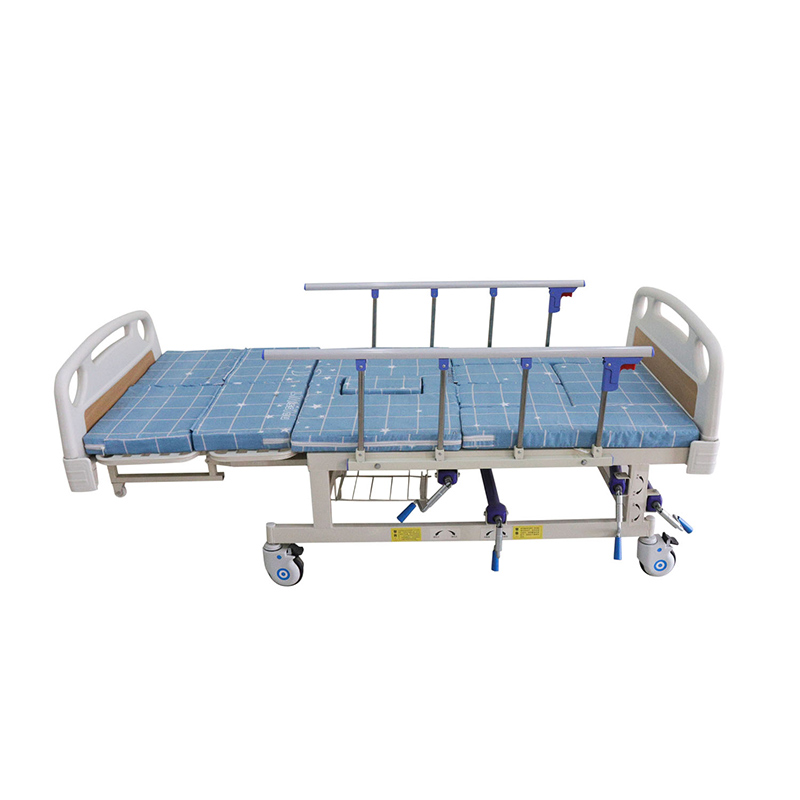
Benefits for Caregivers and Healthcare Staff
Safer Working Conditions
Caregiver injuries are a significant concern in healthcare environments.
Ultra-low beds typically include electric height adjustment features that allow staff to raise the bed during treatment and lower it afterward for patient safety. This reduces bending and lifting strain during care activities.
Improved Workflow Efficiency
Fall-related incidents often require significant staff attention.
By reducing fall severity and supporting preventive care efforts, ultra-low beds can help healthcare teams spend more time focusing on patient treatment and less time managing avoidable incidents.
Greater Peace of Mind
Healthcare professionals often worry about patients who are considered high-risk for falls.
Knowing that patients are using ultra-low beds can provide additional confidence and reassurance during daily care operations.
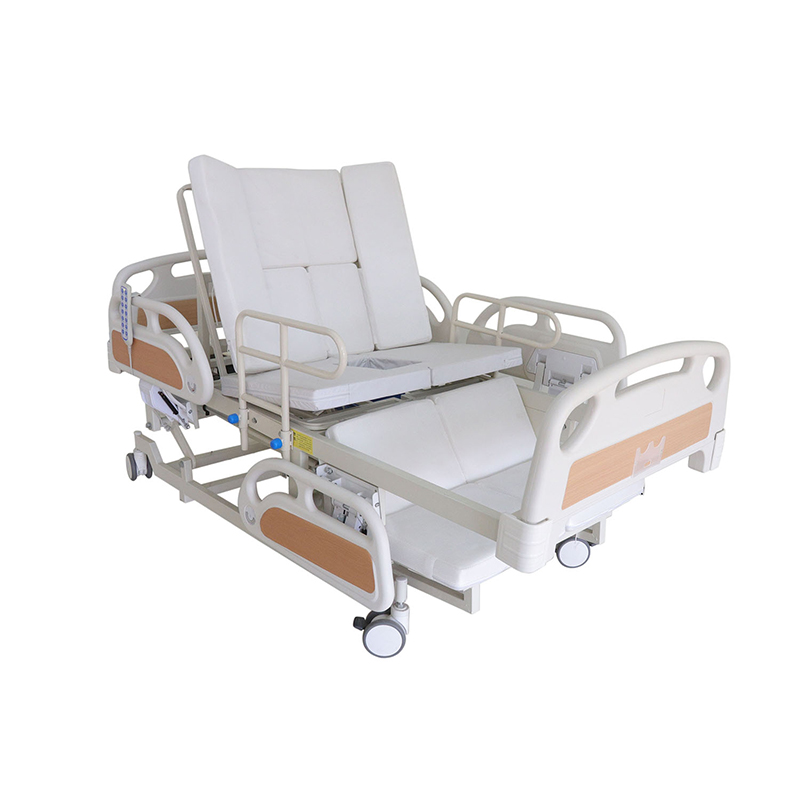
Additional Safety Features Commonly Found in Ultra-Low Beds
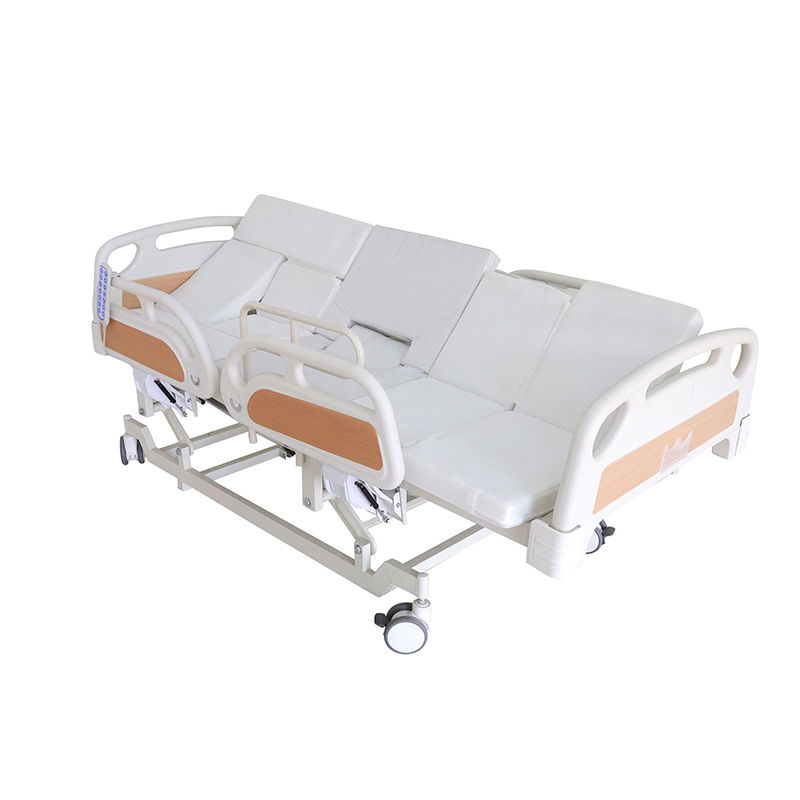
Electric Height Adjustment
Modern ultra-low beds often feature electric controls that allow caregivers to quickly adjust the bed height according to specific care needs.
Side Rail Systems
Integrated side rails provide support during repositioning and transfers while helping patients maintain stability.
Bed Exit Alarms
Some advanced models include monitoring systems that alert caregivers when a patient attempts to leave the bed unassisted.
Locking Casters
High-quality locking caster systems prevent unintended bed movement and enhance stability.
Trendelenburg and Reverse Trendelenburg Functions
Many premium models offer advanced positioning options that improve patient comfort and clinical care.
Economic Advantages for Healthcare Facilities
Reduced Treatment Costs
Falls frequently lead to additional medical interventions, including diagnostic tests, surgeries, rehabilitation services, and extended hospitalization.
Reducing the severity of falls can help lower these associated costs.
Improved Resource Utilization
Healthcare facilities constantly seek ways to improve operational efficiency.
Ultra-low beds contribute to safer environments, which can reduce the workload associated with fall management and injury treatment.
Long-Term Return on Investment
While ultra-low hospital beds may cost more than standard models initially, the long-term savings generated through reduced injuries and improved patient outcomes often justify the investment.
For many facilities, the financial benefits become evident over time through fewer complications and better overall patient safety performance.
How to Choose the Right Ultra-Low Hospital Bed
When selecting an ultra-low hospital bed, buyers should evaluate several factors:
Height Range
Choose a bed with a sufficiently low minimum height to maximize fall protection.
Weight Capacity
Ensure the bed can safely accommodate the intended patient population.
Adjustability
Look for models that offer multiple positioning functions to support various clinical needs.
Mattress Compatibility
The bed should work effectively with pressure-relief and therapeutic mattresses.
Ease of Maintenance
Durable materials and simple cleaning procedures help reduce maintenance costs.
Manufacturer Reputation
Reliable manufacturers typically provide stronger quality control, better warranties, and dependable after-sales support.
Future Trends in Fall Prevention Technology
Healthcare technology continues to evolve, and ultra-low beds are becoming increasingly sophisticated.
Emerging innovations include:
- Smart monitoring systems
- Integrated patient movement sensors
- Artificial intelligence-based fall prediction
- Wireless caregiver alerts
- Enhanced ergonomic controls
These technologies will likely further improve patient safety while helping healthcare providers respond more quickly to potential fall risks.
As healthcare organizations place greater emphasis on patient-centered care and risk management, ultra-low hospital beds are expected to become an increasingly important component of modern healthcare infrastructure.
Conclusion
Ultra-low hospital beds offer significant advantages for fall prevention by reducing fall height, minimizing injury severity, improving patient mobility, and supporting caregiver efficiency. They are particularly valuable for elderly patients, individuals with cognitive impairments, rehabilitation patients, and long-term care residents. Beyond improving safety, these beds can help healthcare facilities reduce costs, enhance operational efficiency, and provide higher-quality care.
As patient safety continues to be a primary focus across healthcare environments, investing in ultra-low hospital beds represents a proactive step toward reducing fall-related risks and improving outcomes. If your facility has experience using ultra-low hospital beds, feel free to share your thoughts, questions, or insights in the comments and share this article with others who may benefit from learning more about fall prevention solutions.