
Patients who remain in bed for long periods face a serious risk of developing pressure ulcers, commonly known as bedsores. Without proper prevention, these wounds can lead to infection, severe pain, and extended recovery time. Understanding the correct care techniques helps caregivers protect skin health and improve comfort for long-term bedridden patients.
Bedsores can be prevented by regularly repositioning the patient, using pressure-relief mattresses, keeping the skin clean and dry, maintaining proper nutrition, and checking the skin daily. These preventive measures reduce prolonged pressure on sensitive areas such as the back, hips, and heels, which significantly lowers the risk of pressure ulcers for long-term bedridden patients.
Preventing bedsores requires consistent care routines, supportive equipment, and early monitoring of skin conditions.
Why Do Bedsores Develop in Bedridden Patients?
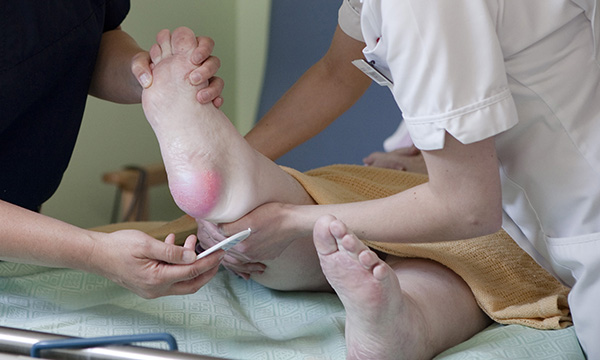
Bedsores occur when continuous pressure restricts blood flow to the skin and underlying tissues. When circulation is reduced for extended periods, the tissue becomes damaged and begins to break down.
Common pressure points include:
- Back of the head
- Shoulder blades
- Elbows
- Lower back and tailbone
- Hips
- Heels and ankles
Patients who cannot move independently—such as elderly individuals, post-surgery patients, or people with paralysis—are particularly vulnerable.
How Often Should Bedridden Patients Be Repositioned?
One of the most effective prevention methods is frequent repositioning.
Care guidelines typically recommend:
- Every 2 hours for patients lying in bed
- Every 15–30 minutes for patients sitting in a chair or wheelchair
Changing positions helps relieve pressure on the same areas and improves blood circulation.
Common repositioning positions include:
- Left side lying
- Right side lying
- Semi-Fowler position (slightly elevated backrest)
- Supine position (lying on the back)
Adjustable hospital beds make repositioning easier for caregivers and safer for patients.
What Type of Mattress Helps Prevent Bedsores?
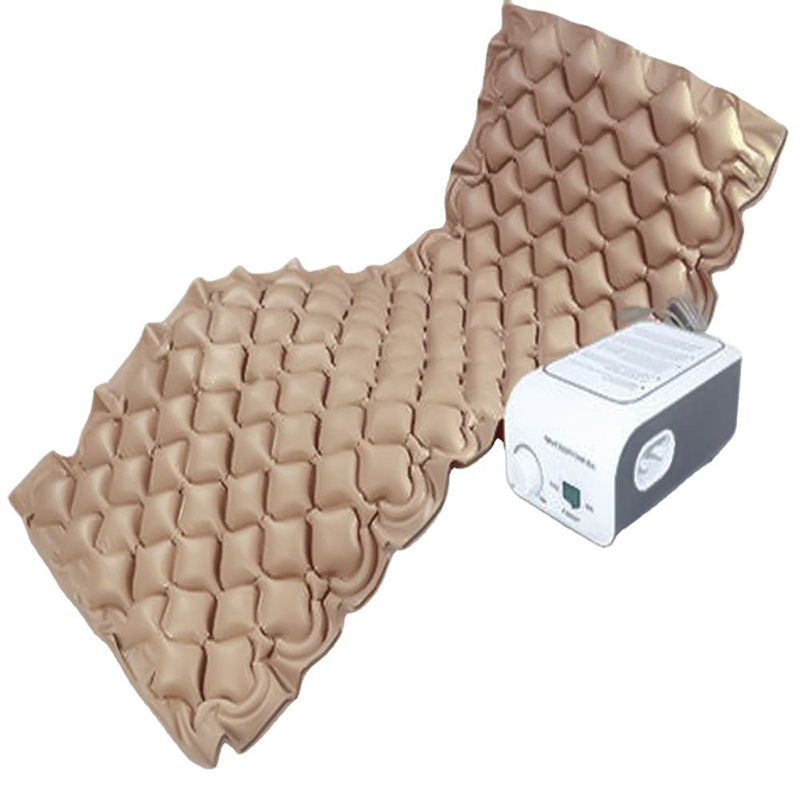
Supportive mattresses play a critical role in pressure ulcer prevention.
Common pressure-relief mattress types include:
Alternating Pressure Mattress
- Uses air cells that inflate and deflate periodically
- Constantly shifts pressure points
- Common in hospitals and long-term care facilities
High-Density Foam Mattress
- Evenly distributes body weight
- Suitable for home care beds
Gel or Air Mattresses
- Provide additional cushioning and airflow
- Reduce moisture and heat buildup
Choosing the right mattress depends on the patient’s mobility level and risk of pressure ulcers.
How Important Is Skin Care in Bedsore Prevention?
Skin hygiene and daily monitoring are essential.
Caregivers should:
- Check the skin at least once daily
- Look for redness, swelling, or discoloration
- Keep the skin clean and dry
- Use moisturizing creams to prevent dryness
- Change bedding promptly if damp
Moisture from sweat, urine, or wound drainage can weaken skin and increase the risk of ulcers.
Can Nutrition Help Prevent Pressure Ulcers?
Yes. Proper nutrition significantly improves skin health and tissue repair.
Important nutrients include:
Protein
- Supports tissue repair
- Found in eggs, fish, meat, and dairy
Vitamin C
- Helps collagen production
- Found in citrus fruits and vegetables
Zinc
- Supports wound healing
Adequate hydration
- Keeps skin resilient and reduces dryness
Patients with poor nutrition are more likely to develop severe pressure ulcers.
What Equipment Helps Reduce Bedsore Risk?
Several medical devices can assist caregivers in prevention.
Common support equipment includes:
- Pressure-relief mattresses
- Adjustable hospital beds
- Foam positioning wedges
- Heel protectors
- Bedside mobility aids
Adjustable beds that raise the backrest or leg section help redistribute pressure and make repositioning easier.
Early Signs of Bedsores to Watch For
Early detection prevents serious complications.
Warning signs include:
- Persistent redness on the skin
- Skin that feels warm or firm
- Swelling or tenderness
- Skin discoloration (purple or blue tones)
If these symptoms appear, pressure should be relieved immediately and medical advice should be sought.
Conclusion
Preventing bedsores in long-term bedridden patients requires consistent repositioning, proper bedding support, good skin care, and balanced nutrition. By combining attentive caregiving with appropriate medical equipment such as adjustable hospital beds and pressure-relief mattresses, caregivers can significantly reduce the risk of pressure ulcers and improve patient comfort and safety.