
Hospital bed buyers often focus on functions, materials, dimensions, and price, while warning labels receive less attention. However, unclear or missing warnings can increase the chance of incorrect operation, overlooked hazards, and incompatible component use. Understanding these labels helps buyers evaluate hospital bed safety more carefully before purchase and daily use.
Warning labels are important on hospital beds because they communicate essential safety information at the point of use. They can identify load limits, pinch and entrapment hazards, movement precautions, electrical risks, compatible mattresses or side rails, and operating restrictions. Clear labels help caregivers recognize foreseeable risks before adjusting, moving, cleaning, or maintaining a bed. They support safer use but should always work together with training, instructions, and proper maintenance.
Warning labels may be small, but their function is significant. The sections below explain what they communicate, where they belong, and what hospital bed buyers should check.
What Information Do Warning Labels Provide on Hospital Beds?
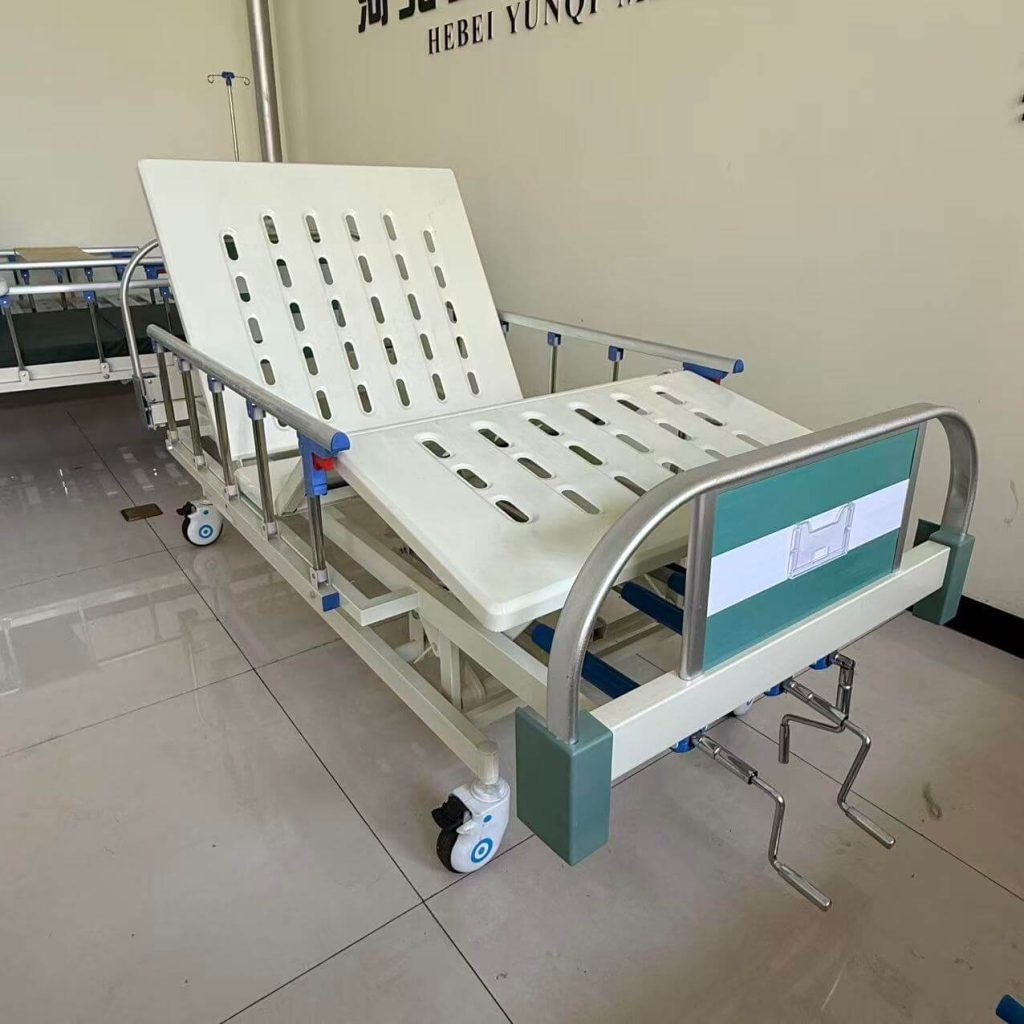
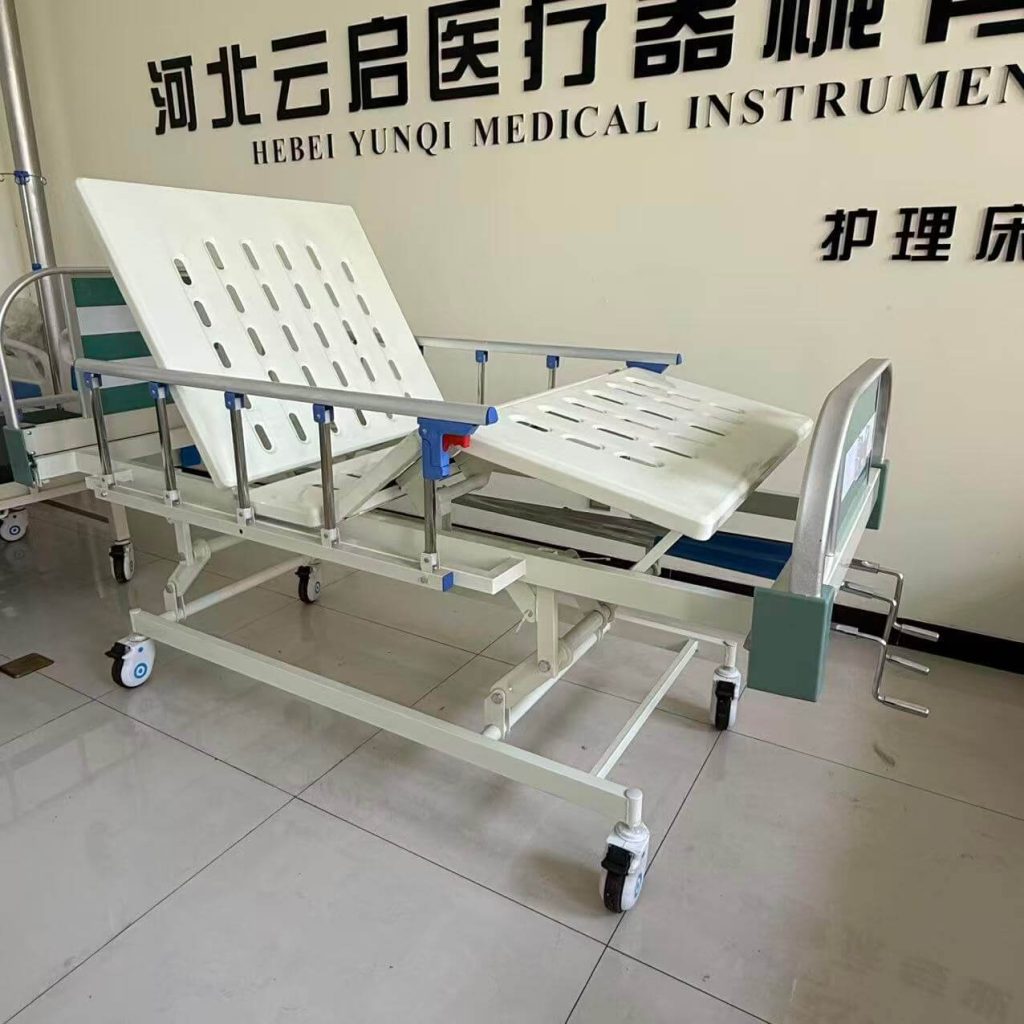
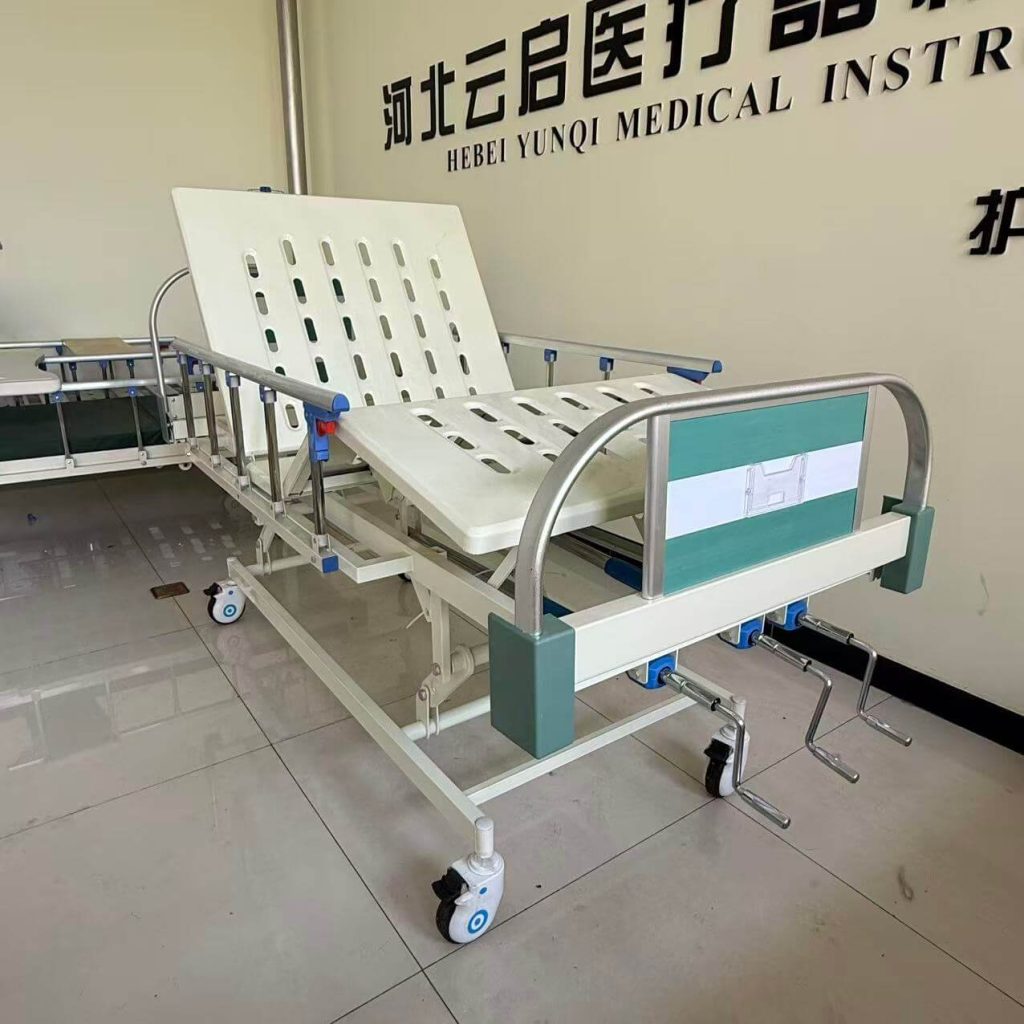
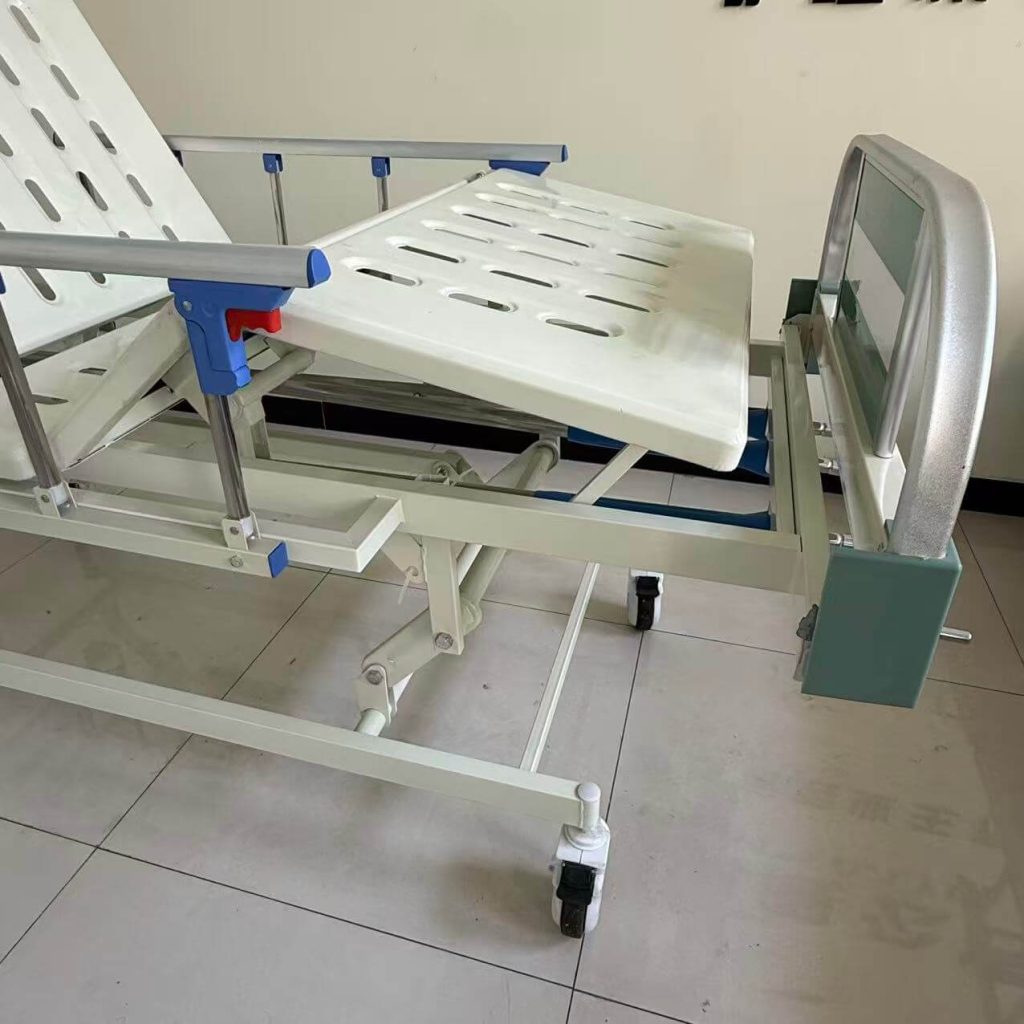
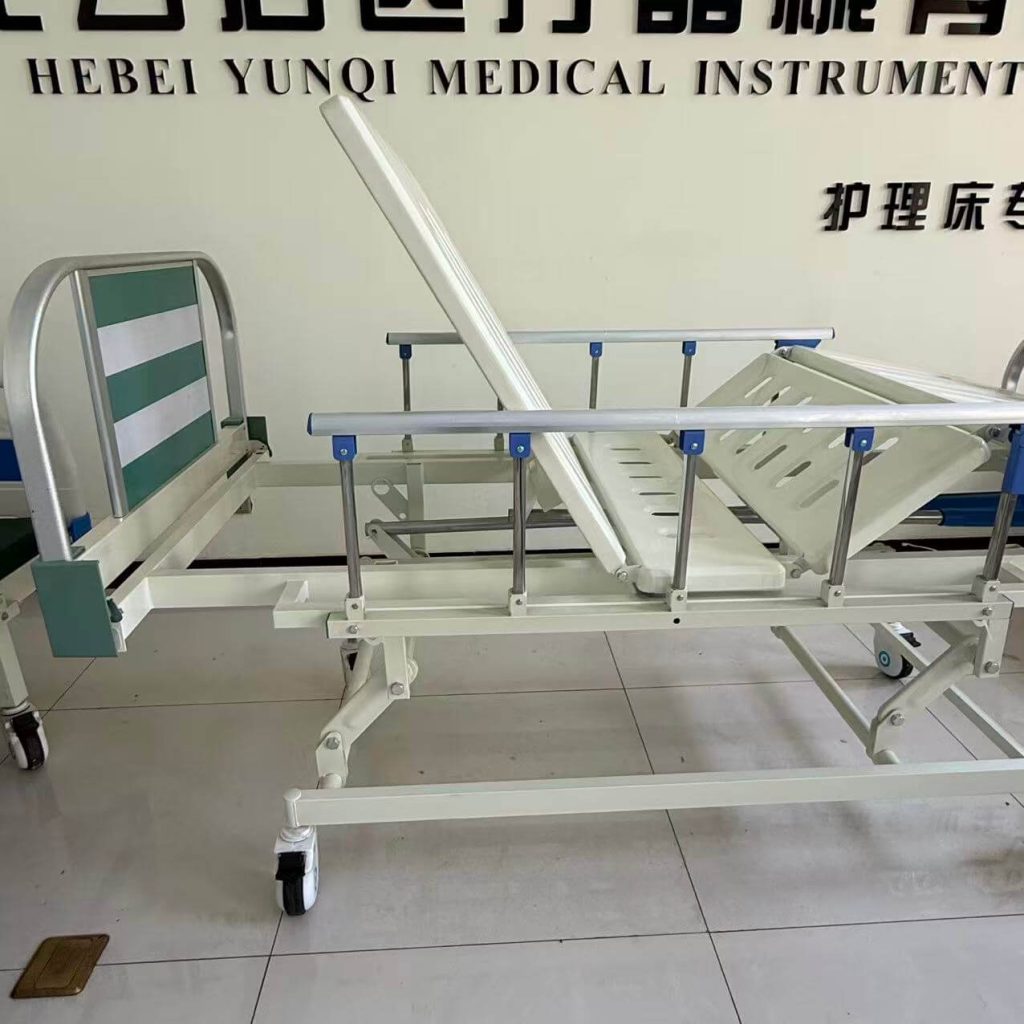
A hospital bed may include adjustable platforms, side rails, casters, brakes, controls, actuators, cables, IV-pole sockets, accessory rails, batteries, and removable components. Each part can introduce operating conditions that users need to understand.
Labels Communicate Hazards at the Point of Use
A useful warning is normally placed close to the relevant hazard or control. For example, a label near an adjustable frame section may remind users to keep hands, feet, tubing, or other objects away from moving mechanisms.
This matters because many people may operate the same bed. Labels also clarify restrictions that are not obvious from appearance, such as accessory load limits or mattress compatibility.
For hospital staff, this type of immediate information can be easier to notice than a warning found only inside a long user manual. It reinforces important precautions exactly where an action takes place.
Why Are Warning Labels Important for Hospital Bed Safety?
Warning labels cannot remove every hazard, but they form one layer of a broader safety system. They are particularly useful for risks that users must recognize before taking an action.
They Help Reduce Incorrect Bed Operation
Hospital beds contain moving structures. Backrest adjustment, leg elevation, height movement, side-rail operation, and other functions can create pinch, crush, collision, or entanglement hazards if the surrounding area is not checked.
A caregiver may lower a bed while a cable or object is underneath it, tubing may become caught between sections, or a patient’s hand may be close to a moving joint. Clear warnings remind operators to check first. Manual beds also have mechanical risks around cranks, folding structures, and side rails.
This is especially important in busy healthcare environments where staff may need to adjust beds quickly. A clearly positioned warning can encourage a brief visual check before movement begins.
They Make Load Limits Easier to Understand
Weight markings are important because maximum patient weight and safe working load are not always the same concept. Depending on the bed and applicable requirements, the safe working load may include the patient together with the mattress, accessories, or other supported loads.
If a specification simply states “250 kg capacity,” a buyer should ask what that figure represents. Clear marking helps reduce confusion after the bed is installed.
The current IEC 80601-2-52:2026 standard covers the basic safety and essential performance of adult medical beds within its scope, including both electrical and non-electrical beds.
For procurement teams, distinguishing between these values is useful when comparing products from different manufacturers. Two hospital beds may display similar capacity numbers while referring to different loading conditions.
What Common Warning Labels May Appear on Hospital Beds?
The exact label set depends on the bed design, intended use, risk assessment, destination market, and applicable requirements. A basic manual bed and a multi-function electric bed should not automatically use the same warnings.
Pinch, Crush, and Moving-Part Warnings
Moving-part warnings may appear near articulated mattress platforms, lifting structures, side-rail joints, backrest hinges, or other mechanisms where fingers, limbs, cables, or objects could be trapped.
Effective warnings should identify the actual risk rather than rely only on a vague statement such as “Be careful.” Users should understand what action creates the hazard and what should be checked before movement.
For example, an adjustable backrest may require users to keep hands away from the hinge area, while a height-adjustable bed may require checking the space beneath the frame before lowering it.
The specific warning should always correspond to the structure and functions of the particular bed model.
Mattress, Side-Rail, and Entrapment Warnings
The mattress, bed frame, and side rails function as a system. Changing mattress thickness, length, width, compression characteristics, or rail configuration can alter the gaps around a patient.
FDA guidance explains that hospital bed entrapment can involve spaces around the mattress, rails, and frame, and encourages attention to mattress dimensions, compatible components, labeling, instructions, and other risk-reduction measures.
Therefore, replacement mattresses should not be selected only because their dimensions look approximately correct. Buyers should confirm the manufacturer’s specifications.
If a warning identifies compatible mattresses, rails, or accessories, it should be treated as part of the bed system rather than as optional information.
This becomes particularly important when hospitals replace mattresses after several years of use or purchase replacement components from another supplier.
Electrical and Power-Related Warnings
Electric hospital beds may require additional information related to mains power, batteries, charging, cable routing, liquid exposure, or servicing. Detailed procedures usually belong in the instructions for use, while labels highlight immediate hazards.
A power cord trapped under a caster or moving frame may be damaged, so cable-related warnings and proper routing can be important.
Other warnings may indicate that power should be disconnected before certain maintenance operations or that particular electrical components should not be opened by unauthorized personnel.
The necessary warnings depend on the electrical design of the bed. Buyers should therefore check whether the labels correspond to the actual control system, actuator configuration, and power supply being supplied.
Where Should Hospital Bed Warning Labels Be Located?
Correct wording is useful only when users can find it. A warning hidden under the mattress, covered by an accessory, or placed where it cannot be seen during normal operation provides limited value.
Label Placement Should Match the Hazard
A moving-part warning should be near the relevant mechanism or control. Mattress compatibility information should be easy to locate when a mattress is installed or replaced. Load information should remain visible without dismantling the bed.
Buyers should also inspect labels with the bed fully assembled. Sheets, mattresses, equipment bags, IV poles, oxygen-cylinder holders, and other accessories can block markings that appeared visible on an empty frame.
Placement should also reflect who needs to read the information. A warning intended for nursing staff may need to face outward toward the operator, while information related to a patient control should remain visible from the relevant operating position.
During sample inspection, buyers can operate each major function and observe whether important warnings are visible before the related action is performed.
How Do Warning Labels Support Staff Training?
Hospitals use training, operating procedures, competency checks, and manufacturer documentation. Labels support these systems by keeping selected safety information attached directly to the equipment.
Labels Provide Everyday Reminders
A hospital bed may remain in service for years, while employees change departments and new staff join the facility. Even trained users may not remember every detail for every bed model.
A point-of-use warning can remind staff to respect load limits, keep body parts clear, check the area before movement, or use only compatible components.
This becomes more important in hospitals where several different brands or models are used. Control layouts and mechanisms may look similar while operating requirements differ.
However, labels should not replace the manual. Emergency functions, cleaning, troubleshooting, maintenance, and accessory installation often require more detailed instructions. The number of stickers is therefore not a measure of safety quality.
Instead, warning labels should reinforce the most important precautions while detailed procedures remain available in the instructions for use and training materials.
Why Does Warning Label Durability Matter?
Hospital beds are cleaned frequently and can remain in use for many years. Labels may be exposed to disinfectants, moisture, friction, repeated wiping, and contact with mattresses or accessories.
Labels Need to Remain Readable
A warning loses value if its text fades, its surface becomes cloudy, or its adhesive fails after routine cleaning. B2B buyers can therefore examine print quality, contrast, adhesion, and resistance to expected cleaning methods when approving samples.
Hospitals should include label condition in routine inspections and replace missing or damaged safety labels when necessary.
Readability is equally important. Very small text may fit neatly on the bed frame but still be difficult for staff to read. Clear contrast and appropriately sized characters can make information easier to recognize.
Symbols can also improve recognition and reduce the amount of text required. ISO 15223-1:2021 specifies symbols used to convey manufacturer-supplied information for medical devices; such symbols may appear on the device, packaging, or accompanying information. The standard also has a 2025 amendment.
For export orders, buyers should still confirm destination-market language and regulatory requirements before production.
What Should B2B Buyers Check When Reviewing Hospital Bed Labels?
Hospitals, distributors, clinics, importers, and medical-equipment purchasers should review labeling during sample approval rather than after mass production.
Review Labels Together With the Bed Specification
A practical review can include these questions:
- Is the exact bed model clearly identifiable?
- Are maximum patient weight and safe working load clearly explained where applicable?
- Are important pinch, crush, entrapment, or movement hazards identified?
- Are mattress size and compatibility requirements available?
- Are side-rail limitations or compatible components explained where necessary?
- Are accessory load limits marked when relevant?
- Are electrical precautions included for powered models?
- Are symbols and text understandable to intended users?
- Is the language suitable for the destination market?
- Are labels visible when the bed is fully assembled?
- Can they withstand expected cleaning and disinfection?
- Do the labels match the instructions for use?
Buyers should also compare final production with the approved sample. If important components change, related warnings may need review. Labeling should be linked to product configuration rather than treated as a decorative printing task.
For customized hospital beds, this becomes even more important. Different side rails, mattresses, actuators, control systems, or accessories can change the information that users need.
Are Warning Labels Enough to Make a Hospital Bed Safe?
No. Warning labels are one part of hospital bed safety. They should complement appropriate design, risk management, compatible components, clear instructions, staff training, correct installation, preventive maintenance, patient assessment, and facility procedures.
A label cannot compensate for poor design, and a well-designed bed can still be misused if users do not understand its functions or install incompatible accessories.
FDA’s hospital-bed guidance describes entrapment reduction as a broader process involving bed design, compatible components, labeling, instructions, assessment, and education rather than one protective measure alone.
For buyers, a better question is not simply, “Does this bed have warning labels?” Instead, ask whether the warnings address the actual remaining risks of that specific model and whether they are consistent with the manual and accessories.
This approach gives procurement teams a more meaningful way to evaluate labeling quality.
Why Should Warning Labels Be Part of Hospital Bed Procurement?
Hospital bed sourcing usually begins with dimensions, functions, material, side-rail type, caster size, mattress, load capacity, accessories, price, and delivery time. Warning labels deserve a place on the same checklist.
The current IEC 80601-2-52:2026 standard covers the basic safety and essential performance of adult medical beds within its scope, including electrical and non-electrical beds. ISO 15223-1:2021 addresses symbols used with manufacturer-supplied medical-device information. Exact labeling obligations still depend on the product and destination market.
Clear labels help staff identify operating limits, recognize hazards, select compatible components, and follow precautions during use or maintenance. For distributors, consistent labeling can also simplify installation and after-sales support.
For hospitals, labels also remain with the bed after cartons and sales documents have been discarded.
International purchasers should therefore discuss labeling before production. Language, warning content, symbols, product identification, manuals, and market-specific information are easier to confirm during sample approval than after the shipment reaches the destination.
Most importantly, buyers should evaluate the quality of the information rather than the number of stickers. Relevant warnings, correct placement, readable text, durable materials, clear symbols, and consistency with the instructions are more meaningful than excessive labels with vague wording.
Заключение
Warning labels are important on hospital beds because they keep essential safety information visible at the point of use. They can communicate load limits, moving-part hazards, mattress and side-rail compatibility, entrapment concerns, electrical precautions, and operating restrictions.
However, labels are not a standalone safety solution. Appropriate design, compatible components, clear instructions, staff training, maintenance, and correct use remain equally important.
For B2B buyers, reviewing warning labels during sample approval helps verify whether important risks have been considered and whether the bed is prepared for its intended market. Jcare recommends confirming labeling, manuals, product configuration, and destination requirements before mass production, especially for customized or export orders.
Which warning labels or safety markings do you check first when evaluating a hospital bed? Share your experience or questions, and feel free to pass this article to colleagues involved in hospital equipment purchasing or maintenance.