
Large healthcare infrastructure projects frequently face difficulties in hospital bed procurement due to inconsistent supplier capabilities, unclear technical specifications, and complex cross-border logistics requirements that can delay hospital openings. As medical systems expand globally, procurement mistakes can create long-term operational inefficiencies, increase lifecycle costs, and negatively impact patient safety standards. The solution is a structured procurement strategy that integrates standardized specifications, certified suppliers, compliance verification, and end-to-end logistics coordination to ensure scalable and reliable delivery.
A successful hospital bed procurement strategy for large healthcare projects requires standardized technical specifications, qualified manufacturer selection, international compliance validation, lifecycle cost analysis, bulk logistics planning, and long-term after-sales support to ensure efficiency, safety, and cost control across large-scale hospital deployments.
Transitioning from planning theory to execution reveals how procurement decisions directly influence hospital performance.
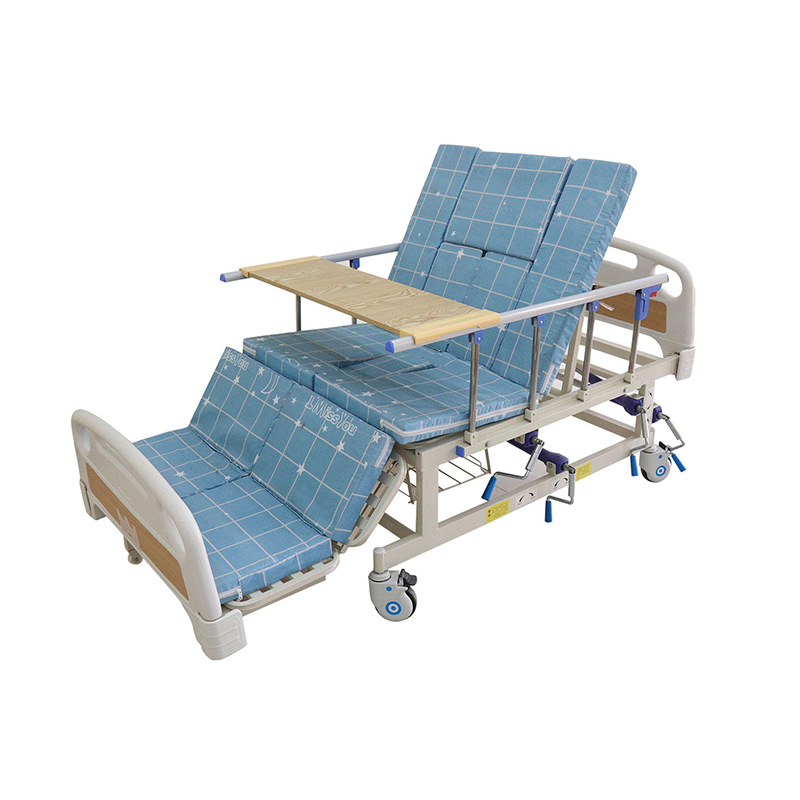
How do large hospitals procure hospital beds efficiently?
Large hospitals do not purchase hospital beds as isolated equipment items. Instead, procurement is executed as a structured supply chain strategy that aligns clinical requirements, engineering standards, regulatory compliance, and financial planning.
Efficient procurement is built on four pillars:
- Standardization of bed models across departments
- Supplier qualification and factory verification
- Regulatory and certification compliance
- Logistics and lifecycle management planning
Without these pillars, hospitals often experience inconsistent equipment performance, delayed installation schedules, and higher long-term maintenance costs.
Understanding the Strategic Nature of Hospital Bed Procurement in Large Projects
Hospital bed procurement in large-scale healthcare projects is fundamentally different from small clinic purchasing. When hospitals require hundreds or thousands of beds, procurement becomes a system-level decision rather than a product-level transaction.
At this scale, procurement teams must consider:
- Uniformity across multiple departments
- Compatibility with hospital infrastructure systems
- Maintenance scalability across large fleets
- Long-term operational cost efficiency
- Supply continuity for future expansions
In large healthcare networks, even a 5% inconsistency in bed configuration can lead to major operational inefficiencies, especially in high-turnover environments such as emergency wards or ICUs.
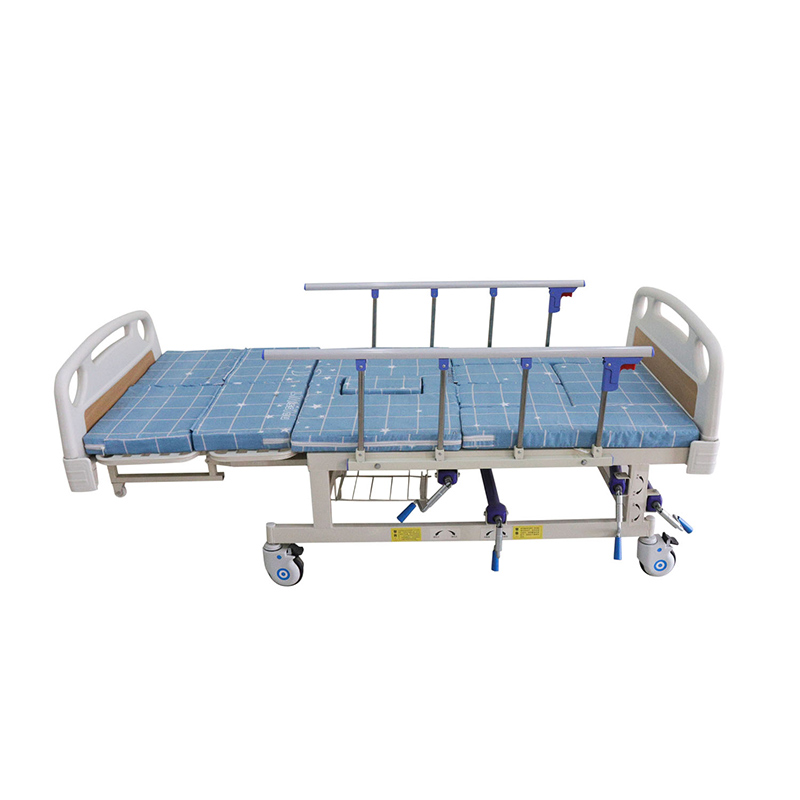
Defining Clinical and Functional Requirements Before Procurement
One of the most important steps in procurement strategy is defining clinical requirements before engaging suppliers. Hospitals often make the mistake of selecting products based on price or appearance, which leads to mismatched functionality.
Department-Based Functional Segmentation
Each hospital department requires different hospital bed configurations:
Intensive Care Units (ICU)
ICU beds require advanced functionality such as:
- Multi-position electric adjustment systems
- Integration with monitoring equipment
- High load capacity and reinforced frames
- Emergency CPR release functions
These beds must prioritize precision, stability, and rapid adjustment capability.
Общие палаты
General ward beds focus on:
- Durability and cost efficiency
- Basic electric or semi-electric functions
- Easy cleaning surfaces
- Standard safety rails
Long-Term Care and Rehabilitation Units
These environments require:
- Low-height positioning for fall prevention
- Comfortable patient repositioning systems
- Therapy-compatible adjustments
- Quiet motor systems for patient comfort
Pediatric and Specialty Units
Specialized beds may require:
- Smaller frame sizes
- Enhanced safety enclosures
- Soft positioning controls
- High visual accessibility for caregivers
Standardization Strategy for Large Hospital Projects
Standardization is the foundation of cost control and operational efficiency. Without it, hospitals face fragmented maintenance systems and inconsistent user experience.
Why Standardization Matters
Standardizing hospital bed models helps to:
- Reduce spare part inventory complexity
- Simplify staff training programs
- Improve maintenance efficiency
- Lower procurement costs through bulk purchasing
- Ensure consistent patient care experience
Recommended Standardization Approach
Large healthcare projects typically adopt a tiered model system:
- Tier 1: ICU advanced beds
- Tier 2: General electric beds
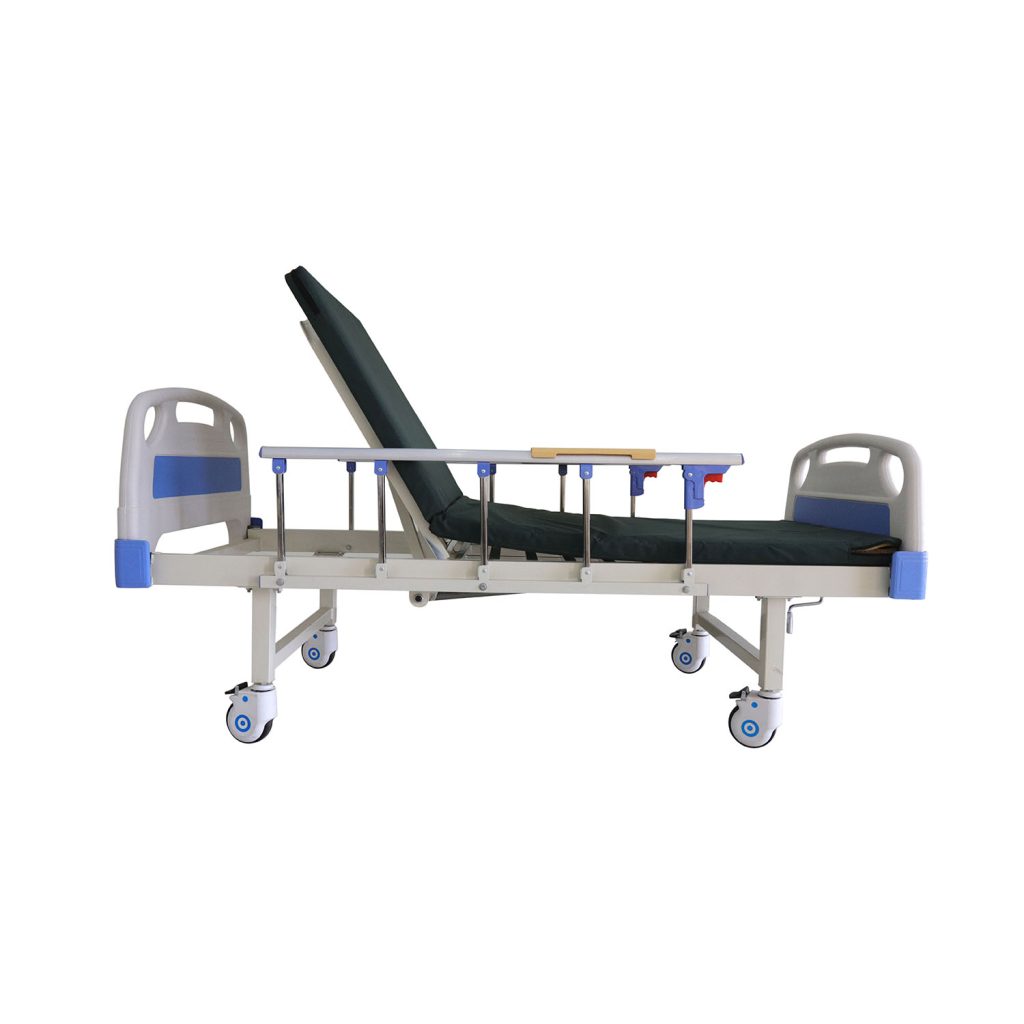
- Tier 3: Manual or semi-electric beds for low-dependency wards
- Tier 4: Specialized rehabilitation beds
This structure ensures flexibility while maintaining system-wide consistency.
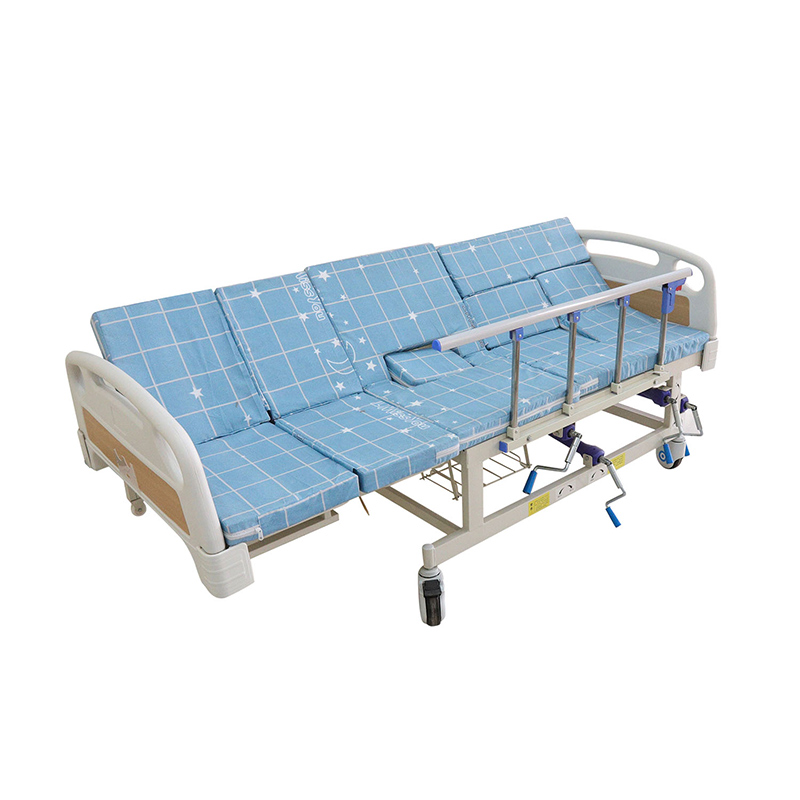
Supplier Qualification and Manufacturing Capability Assessment
Selecting the right supplier is one of the most critical procurement decisions. In large-scale hospital projects, supplier failure can delay entire facility operations.
Key Supplier Evaluation Criteria
Procurement teams must evaluate suppliers based on:
Производственные мощности
- Factory size and production lines
- Monthly output capability
- Automation level
- Системы контроля качества
Опыт экспорта
- Previous large hospital project deliveries
- International shipping capability
- Multi-country compliance experience
Quality Certification Systems
- ISO 13485 medical device certification
- CE certification for European markets
- FDA compliance for US distribution (if applicable)
After-Sales Support Structure
- Наличие запасных частей
- Technical service response time
- Warranty coverage terms
A supplier without scalable production capability is unsuitable for large healthcare infrastructure projects.
Case Example of Industrial Supplier Capability
Manufacturers such as Jcare operate within a B2B wholesale framework and focus on hospital beds, home care beds, and medical furniture production for international markets. With a 3000 square meter manufacturing base and export experience across Asia, Europe, and North America, such suppliers demonstrate the type of production scalability required for large healthcare projects.
In procurement strategy design, this type of supplier profile is typically preferred due to:
- Stable mass production capability
- Export documentation experience
- Flexible OEM/ODM customization support
- Short lead time performance
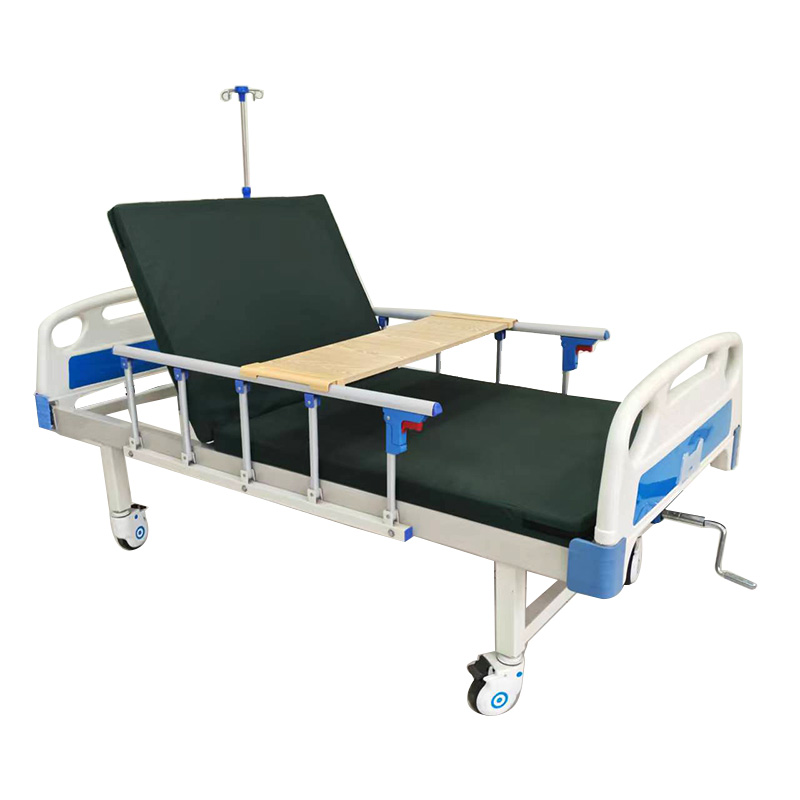
Compliance and Regulatory Validation in Global Procurement
Medical equipment procurement must strictly follow international regulatory standards. Failure to comply can result in customs rejection or legal liability.
Major Compliance Requirements
Depending on the target market, procurement teams must verify:
- CE certification for EU healthcare equipment
- FDA approval or registration for US markets
- ISO 13485 quality management systems
- Local Ministry of Health approval requirements
Compliance Risk in Large Projects
In large procurement volumes, compliance risk multiplies because:
- Multiple product variants are often involved
- Different hospital departments may require different certifications
- Documentation errors can delay entire container shipments
Therefore, compliance must be validated before production begins, not after shipment.
Lifecycle Cost Analysis vs Initial Procurement Cost
One of the most common procurement mistakes is focusing solely on unit price rather than total lifecycle cost.
Components of Lifecycle Cost
Lifecycle cost includes:
- Initial purchase price
- Maintenance and repair costs
- Spare parts replacement cycles
- Energy consumption for electric systems
- Operational downtime costs
Why Lifecycle Cost Matters More
A cheaper hospital bed may:
- Require more frequent repairs
- Have shorter operational lifespan
- Increase nurse workload
- Lead to higher replacement frequency
Meanwhile, higher-quality beds reduce long-term expenditure significantly.
Bulk Logistics and Supply Chain Strategy
Logistics is a critical factor in hospital bed procurement, especially for international projects.
Key Logistics Planning Elements:
Container Optimization
Efficient loading reduces shipping costs and prevents damage.
Staged Delivery Strategy
Large hospitals often require phased delivery aligned with construction progress.
Customs Clearance Planning
Proper documentation reduces border delays and avoids demurrage costs.
Packaging Protection Systems
Medical beds require reinforced packaging to prevent mechanical damage during long-distance shipping.
Installation and On-Site Deployment Strategy
Procurement success is incomplete without proper installation planning.
Key Installation Requirements
- Pre-scheduled installation timeline aligned with hospital opening
- On-site technical supervision for large batches
- Functional testing after installation
- Electrical safety verification for powered beds
Training and Operational Readiness
Hospital staff must be trained in:
- Bed control systems
- Emergency positioning functions
- Maintenance procedures
- Safety lock systems
This ensures smooth daily operations after deployment.
After-Sales Service and Maintenance Ecosystem
Long-term service support is essential in healthcare environments where equipment uptime directly affects patient safety.
Essential After-Sales Components
- Spare parts availability guarantee
- Technical troubleshooting support
- Remote diagnostic assistance
- Replacement and warranty policies
Hospitals should ensure service agreements are clearly defined before procurement contracts are finalized.
Risk Management Framework for Hospital Bed Procurement
Large healthcare projects must incorporate structured risk management strategies.
Common Procurement Risks
- Supplier production delays
- Quality inconsistency across batches
- Regulatory approval failure
- Logistics disruptions
- Currency and pricing fluctuations
Risk Control Methods
- Multi-supplier sourcing strategy
- Pre-shipment inspection systems
- Penalty clauses for delivery delays
- Sample approval before mass production
A strong procurement strategy always assumes risk will occur and prepares mitigation systems in advance.
Digital Transformation in Procurement Systems
Modern procurement is increasingly digitalized, improving transparency and efficiency.
Key Digital Trends
- Supplier digital evaluation platforms
- AI-driven demand forecasting
- Smart inventory management systems
- IoT-enabled hospital bed monitoring integration
Digital procurement reduces human error and improves decision-making accuracy across large healthcare projects.
Long-Term Supplier Partnership Strategy
Instead of one-time purchasing, large hospitals benefit significantly from strategic supplier partnerships.
Advantages of Long-Term Cooperation
- Priority production scheduling
- Stable pricing agreements
- Faster response for urgent orders
- Continuous product improvement collaboration
Suppliers like Jcare often support OEM/ODM customization, making them suitable for long-term institutional cooperation strategies in global healthcare procurement.
Заключение
Hospital bed procurement for large healthcare projects is a complex system-level process that requires careful planning across multiple dimensions, including technical specification standardization, supplier qualification, regulatory compliance, logistics coordination, lifecycle cost analysis, and long-term service support. A structured procurement strategy ensures not only cost efficiency but also operational stability and patient safety across entire healthcare systems.
By applying a disciplined and strategic approach, healthcare institutions can significantly reduce risk, improve procurement efficiency, and ensure long-term infrastructure reliability. If you are involved in hospital planning, healthcare infrastructure development, or medical equipment sourcing, sharing your procurement challenges or experiences can help improve industry best practices and collective learning.