
Hospitals, clinic managers, and healthcare purchasers often ask what type of bed is best for ICU and critical care units. Choosing the wrong bed can affect patient safety, caregiver efficiency, and treatment outcomes. Since critically ill patients require continuous monitoring and specialized care, bed selection becomes a crucial investment. Fortunately, modern fully electric ICU beds equipped with advanced positioning, safety, and mobility features provide the ideal solution for demanding critical care environments.
The best bed for ICU and critical care units is a fully electric multi-function ICU bed. These beds provide advanced positioning options, emergency CPR functions, patient monitoring compatibility, safety protections, and caregiver-friendly controls. Their ability to improve patient comfort, reduce complications, enhance staff efficiency, and support life-saving treatments makes them the preferred choice for modern intensive care environments.
Understanding why ICU beds differ from standard hospital beds helps healthcare facilities make better purchasing decisions.
People Also Ask: Why Do ICU and Critical Care Units Need Specialized Beds?
ICU patients often face life-threatening conditions and require around-the-clock monitoring, advanced treatments, and frequent medical interventions. Unlike general ward patients, they may depend on ventilators, cardiac monitoring systems, infusion pumps, and other critical equipment.
Standard hospital beds cannot adequately support these demanding requirements. ICU beds are specifically designed to provide greater flexibility, safety, and clinical functionality.
These specialized beds allow healthcare providers to quickly adjust patient positions, perform emergency procedures, reduce pressure injuries, and improve overall care delivery. In many cases, the bed itself becomes an essential component of the treatment process.
As hospitals continue to modernize their critical care departments, advanced ICU beds have become a standard requirement rather than an optional upgrade.
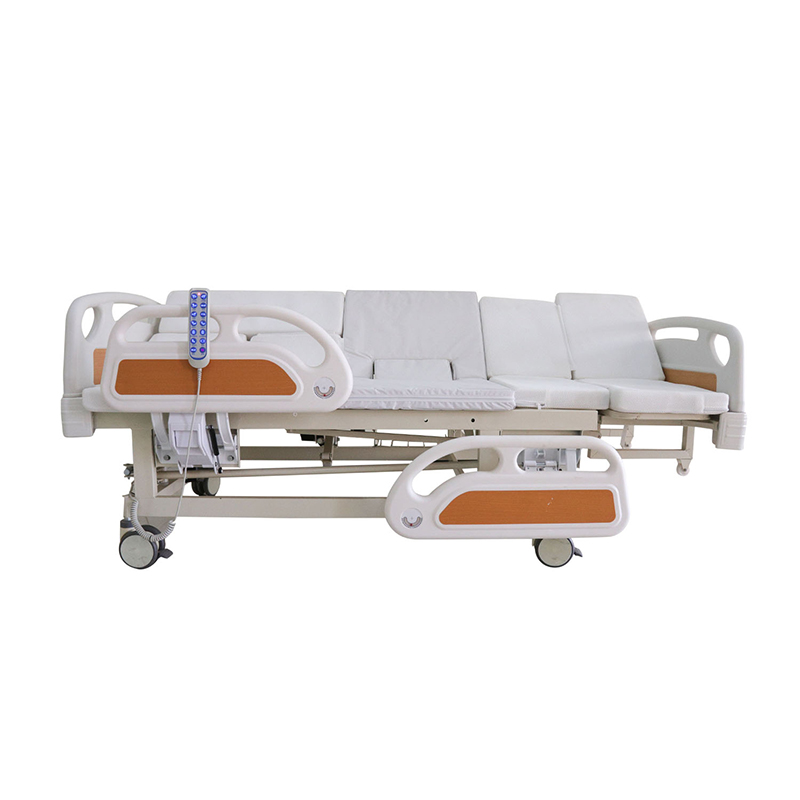
What Features Define the Best ICU Bed?
The best ICU beds combine multiple functions into a single platform that supports both patients and caregivers.
Fully Electric Operation
Electric controls allow caregivers to adjust bed positions quickly and accurately. This reduces physical strain on staff while ensuring patients receive optimal positioning for treatment and comfort.
Multiple Positioning Functions
Modern ICU beds typically include:
- Регулировка спинки
- Подъем колена
- Подъем ноги
- Регулировка высоты
- Trendelenburg position
- Reverse Trendelenburg position
These functions help clinicians respond to changing patient conditions without manual effort.
Разрешение на проведение неотложной сердечно-легочной реанимации
In critical situations, rapid response can save lives. A CPR function allows caregivers to quickly flatten the bed, creating an appropriate surface for cardiopulmonary resuscitation.
Integrated Control Systems
Many advanced ICU beds include intuitive control panels that enable both caregivers and patients to make necessary adjustments safely and efficiently.
Together, these features significantly improve patient care and operational efficiency.
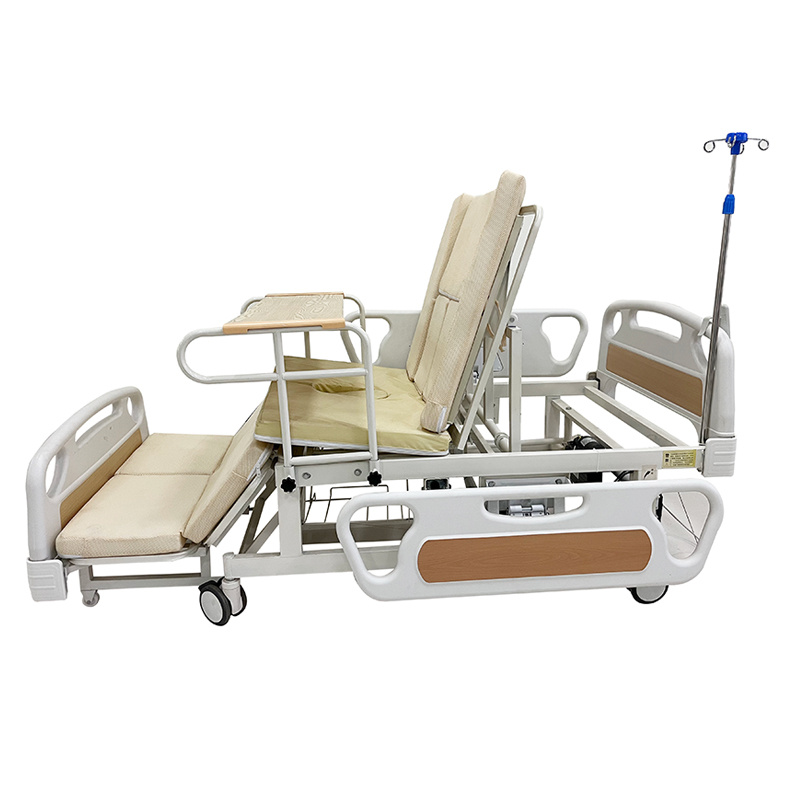
Why Is Patient Safety a Major Consideration?
Patient safety remains one of the primary reasons hospitals invest in high-quality ICU beds.
Critically ill patients are often weak, disoriented, or unable to move independently. Without proper safety measures, the risk of falls and injuries increases considerably.
Advanced Side Rails
Modern ICU beds commonly feature four-section side rails that provide protection while maintaining easy access for medical staff.
These rails help prevent accidental falls and support safe patient repositioning.
Ролики с центральной фиксацией
A reliable locking system keeps the bed stable during examinations, procedures, and patient transfers.
When transportation is required, caregivers can quickly unlock the system and move the bed smoothly throughout the facility.
Bed Exit Alerts
Some ICU beds include integrated monitoring systems that notify caregivers when patients attempt to leave the bed unassisted.
This feature is particularly valuable for patients experiencing confusion or cognitive impairment.
Safe Height Adjustment
Low-height positioning reduces fall-related injuries while high-height positioning improves caregiver access during treatment procedures.
These safety features help hospitals reduce risk while improving overall patient outcomes.
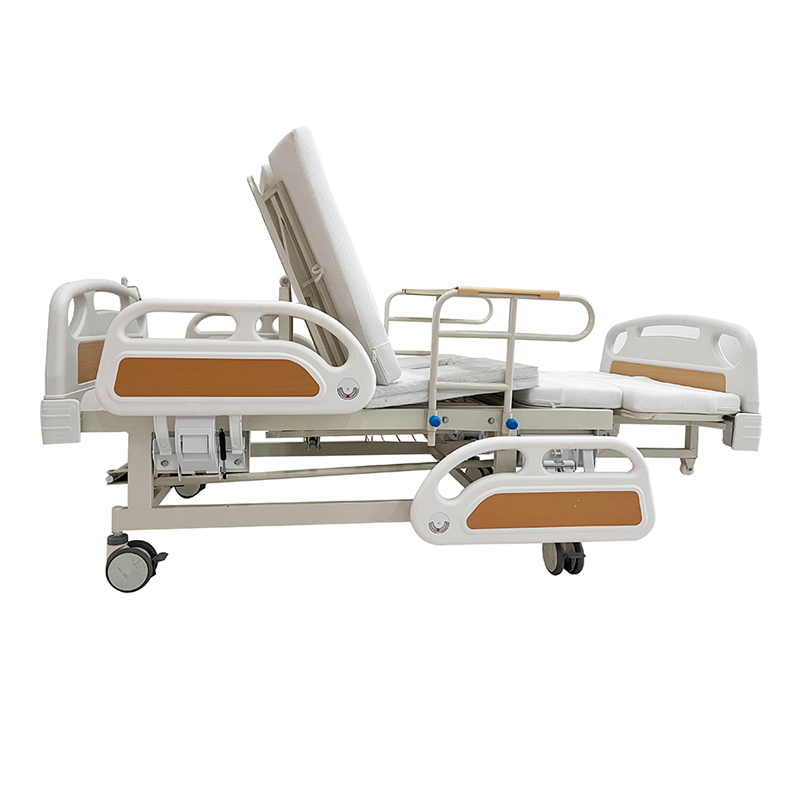
How Do ICU Beds Help Prevent Pressure Injuries?
Pressure ulcers remain a significant concern for patients who spend extended periods in bed.
Many ICU patients are unable to reposition themselves independently, increasing the risk of skin breakdown and tissue damage.
Frequent Position Changes
Multi-function ICU beds simplify repositioning tasks, allowing caregivers to adjust patient posture regularly.
Regular movement improves circulation and reduces prolonged pressure on vulnerable areas.
Pressure Redistribution Support
Modern ICU beds often work alongside specialized pressure-relief mattresses.
These systems help distribute body weight more evenly and reduce concentrated pressure points.
Improved Long-Term Comfort
Patient comfort plays an important role in recovery. Beds that support various positioning options help reduce discomfort while promoting healthier circulation.
Preventing pressure injuries not only improves patient well-being but also reduces treatment costs and hospitalization time.
Why Are Positioning Functions So Important in Critical Care?
Patient positioning directly affects multiple aspects of treatment and recovery.
Respiratory Support
Patients receiving oxygen therapy or mechanical ventilation often benefit from elevated upper-body positioning.
Raising the backrest can improve lung expansion and reduce the risk of respiratory complications.
Cardiovascular Management
Trendelenburg and reverse Trendelenburg positions assist clinicians in managing circulation and certain emergency situations.
Enhanced Comfort
Comfortable patients are generally easier to care for and may experience less stress during prolonged hospitalization.
Rehabilitation Support
As patients recover, gradual position adjustments can support mobility training and rehabilitation efforts.
The ability to quickly change positions makes ICU beds valuable tools for healthcare teams.
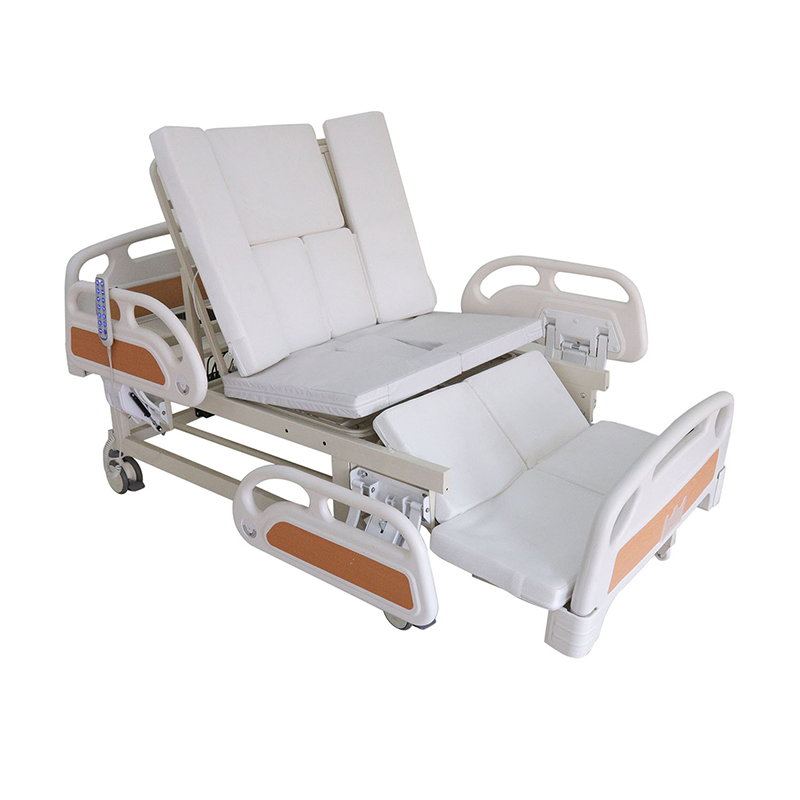
How Do ICU Beds Improve Caregiver Efficiency?
Healthcare professionals work under significant pressure in critical care environments.
Efficient equipment can make a substantial difference in daily operations.
Reduced Physical Strain
Electric controls eliminate much of the manual effort traditionally required for repositioning patients.
This reduces caregiver fatigue and lowers the risk of workplace injuries.
In busy intensive care units, nurses and support staff may need to adjust patient positions multiple times throughout a shift. Automated height adjustment, backrest elevation, and tilt functions help minimize repetitive lifting and bending. As a result, caregivers can perform essential tasks more comfortably and safely, even during long working hours.
Faster Patient Handling
Quick adjustments save valuable time during examinations, treatments, and emergency interventions.
Modern ICU beds are designed to respond rapidly to changing clinical needs. Caregivers can reposition patients, prepare them for procedures, or optimize access for medical equipment with minimal delay. This improved responsiveness is especially valuable during emergencies, when every second can influence patient outcomes.
Better Workflow
Integrated controls and advanced bed functions allow caregivers to focus more attention on patient care rather than equipment management.
Many ICU beds also include features such as programmable positions, built-in scales, alarm systems, and compatibility with monitoring devices. These capabilities streamline routine tasks and reduce the need for additional equipment or manual measurements. By simplifying workflows and improving coordination among healthcare teams, advanced ICU beds help create a more organized and efficient care environment.
Improved efficiency contributes to higher-quality care while supporting healthcare staff well-being. When caregivers spend less time on physically demanding or repetitive tasks, they can devote more attention to patient observation, communication, and clinical decision-making, ultimately enhancing both staff performance and patient satisfaction.
What Type of ICU Bed Is Most Common in Modern Hospitals?
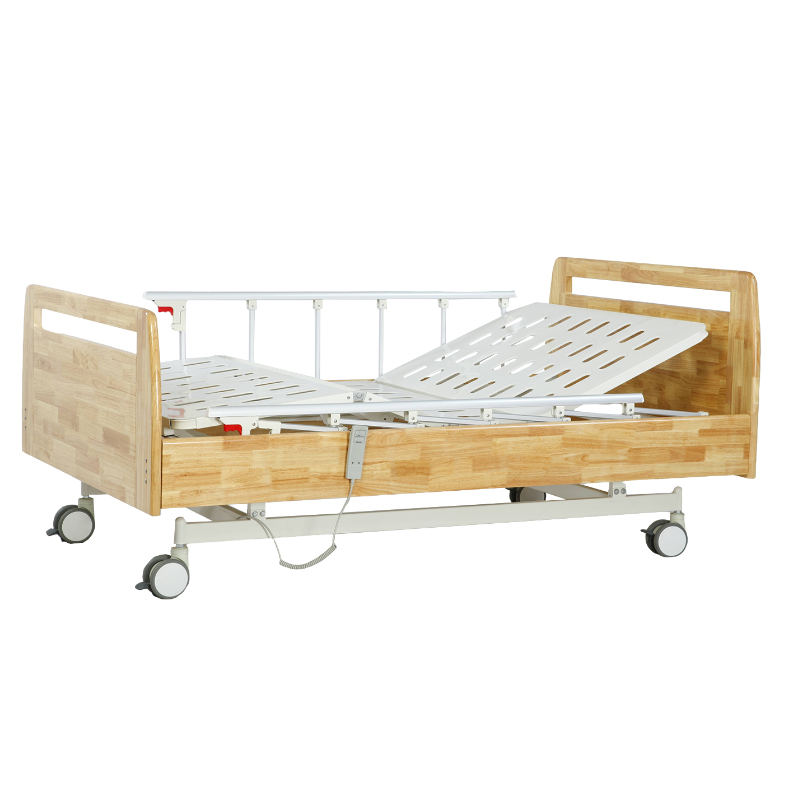
Most modern hospitals prefer fully electric five-function ICU beds.
These beds offer the flexibility needed to address a wide range of clinical situations.
Three-Function Beds
Typically include:
- Регулировка спинки
- Knee adjustment
- Регулировка высоты
While suitable for many patients, they may not provide the advanced positioning options required in intensive care settings.
Five-Function ICU Beds
Usually include:
- Регулировка спинки
- Knee adjustment
- Регулировка высоты
- Тренделенбургское положение
- Обратное положение Тренделенбурга
These additional functions provide greater clinical versatility.
Advanced ICU Bed Systems
Premium models may also include:
- Digital weighing systems
- Patient monitoring integration
- Сигнализация выхода из кровати
- Панели управления для медсестер
- X-ray compatibility
These features further enhance patient management and treatment effectiveness.
What Materials Should ICU Beds Use?
Durability and infection control are critical in healthcare environments.
High-Strength Steel Construction
Most quality ICU beds utilize reinforced steel frames capable of supporting heavy patient loads and frequent daily use.
Strong construction improves reliability and extends product lifespan.
Corrosion-Resistant Finishes
Protective coatings help beds withstand repeated cleaning and disinfection procedures.
Easy-to-Clean Surfaces
Smooth surfaces reduce dirt accumulation and simplify infection control efforts.
Hospitals benefit from equipment that supports both durability and hygiene requirements.
How Should Hospitals Choose an ICU Bed Supplier?
Selecting the right supplier is just as important as selecting the right bed.
Healthcare facilities should evaluate several key factors before making purchasing decisions.
Manufacturing Capability
Reliable manufacturers maintain stable production capacity and consistent quality standards.
Quality Control
Strong quality management systems help ensure every bed meets performance and safety requirements.
Delivery Reliability
Hospitals often work under strict project timelines. Suppliers with sufficient inventory and efficient production capabilities can minimize delays.
Послепродажная поддержка
Technical assistance, spare parts availability, and warranty support contribute to long-term customer satisfaction.
Опыт экспорта
International buyers should work with suppliers familiar with regulatory requirements and global logistics processes.
A dependable supplier becomes a valuable long-term partner rather than simply a product vendor.
Заключение
The best bed for ICU and critical care units is a fully electric multi-function ICU bed that combines advanced positioning capabilities, safety features, mobility support, and caregiver-friendly controls. These beds help improve patient outcomes, enhance staff efficiency, reduce complications, and support critical medical procedures. As healthcare facilities continue to modernize, investing in high-quality ICU beds remains essential for delivering superior patient care. If your hospital or healthcare project is evaluating ICU bed solutions, feel free to share your requirements or experiences in the comments and discuss which features matter most for your facility.