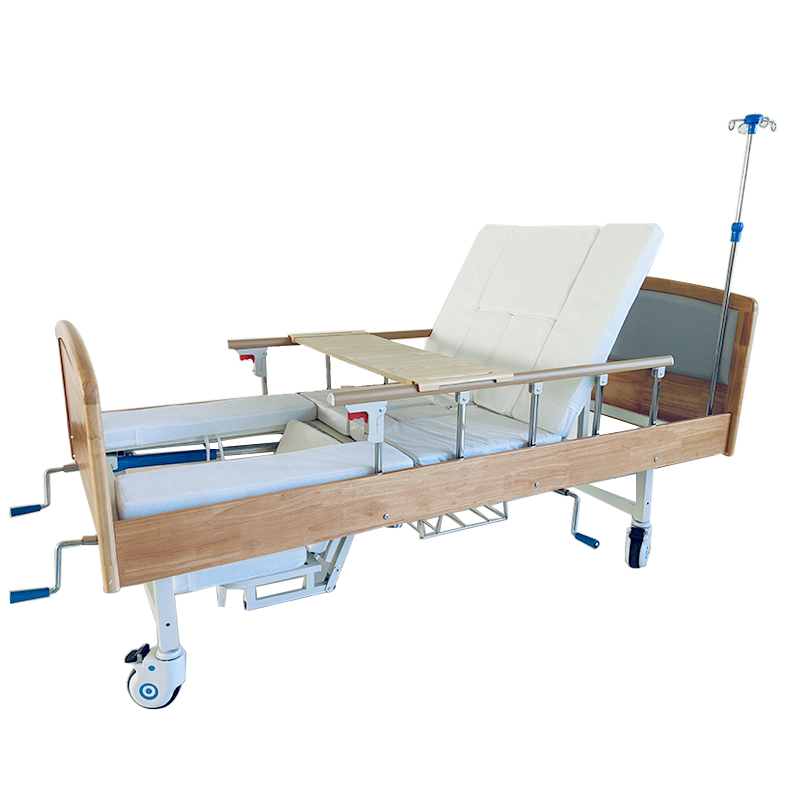
Hospitals and clinics often ask how to choose medical beds that are both durable and affordable without sacrificing patient comfort or safety. Selecting low-quality beds can lead to frequent repairs, operational delays, and higher long-term costs. Durable and cost-effective hospital beds solve these challenges by combining strong construction, functional design, and reliable performance to improve patient care while reducing maintenance and replacement expenses.
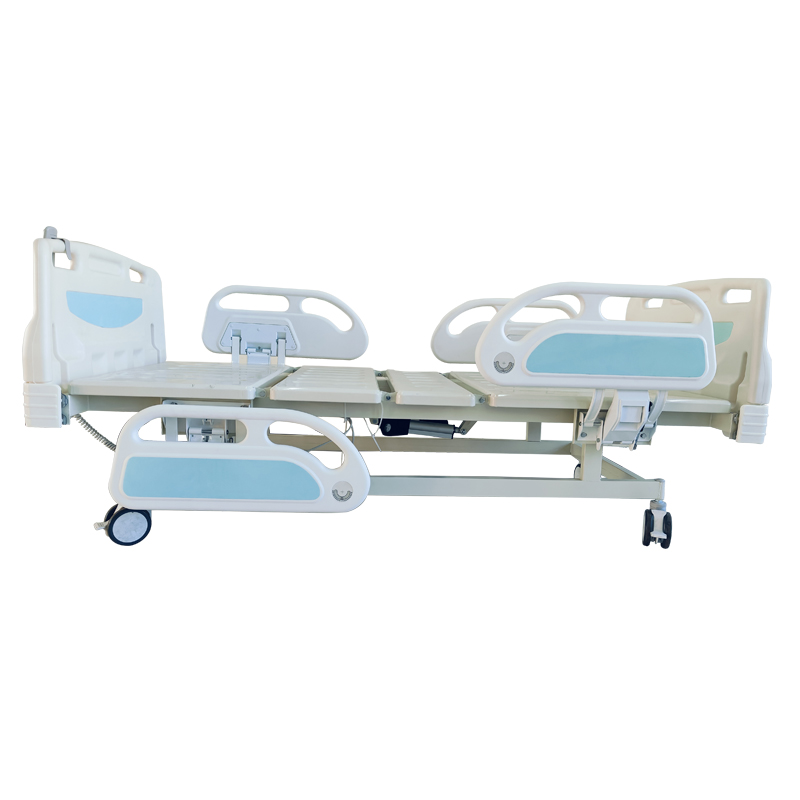
Durable and cost-effective beds for hospitals and clinics are designed to provide long-lasting performance, patient safety, and operational efficiency while minimizing maintenance and replacement costs. High-quality hospital beds with sturdy steel frames, reliable adjustment systems, ergonomic designs, and safety features help healthcare facilities improve patient care, extend product lifespan, and reduce total ownership costs over time.
Let’s explore the essential features, benefits, and buying considerations that make hospital beds both durable and cost-effective.
What are durable and cost-effective hospital beds?
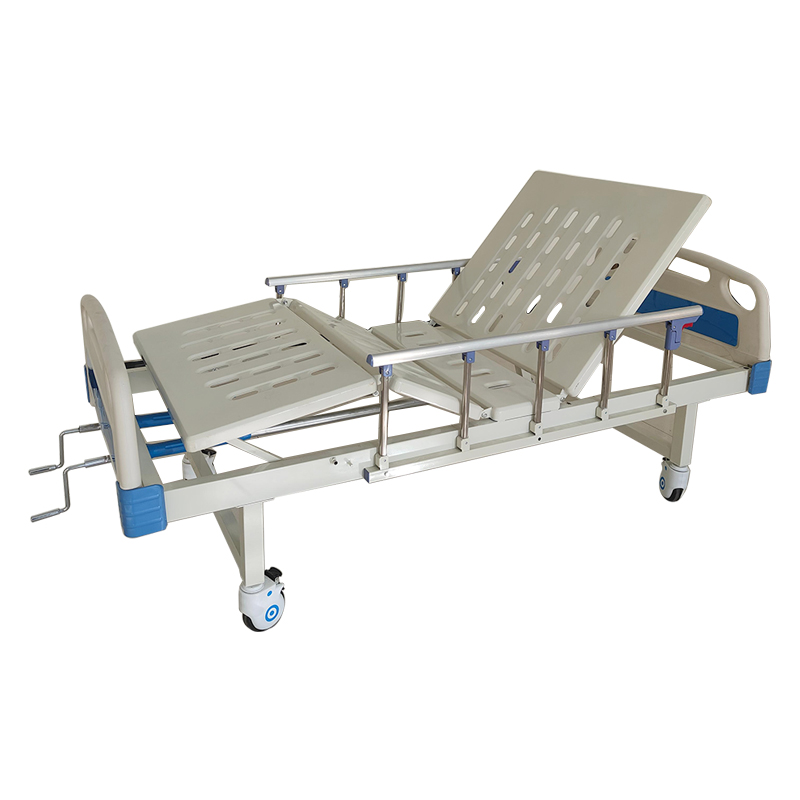
Durable and cost-effective hospital beds are medical beds designed to withstand long-term daily use while remaining affordable for healthcare facilities. These beds are widely used in hospitals, clinics, rehabilitation centers, nursing homes, and home care environments because they balance quality, functionality, and budget efficiency.
Durability refers to the bed’s ability to maintain structural integrity and stable performance over many years of continuous use. Cost-effectiveness means the bed provides strong long-term value by reducing repair costs, maintenance requirements, and replacement frequency.
Modern durable hospital beds often include features such as:
- Reinforced steel bed frames
- Electric or manual adjustment systems
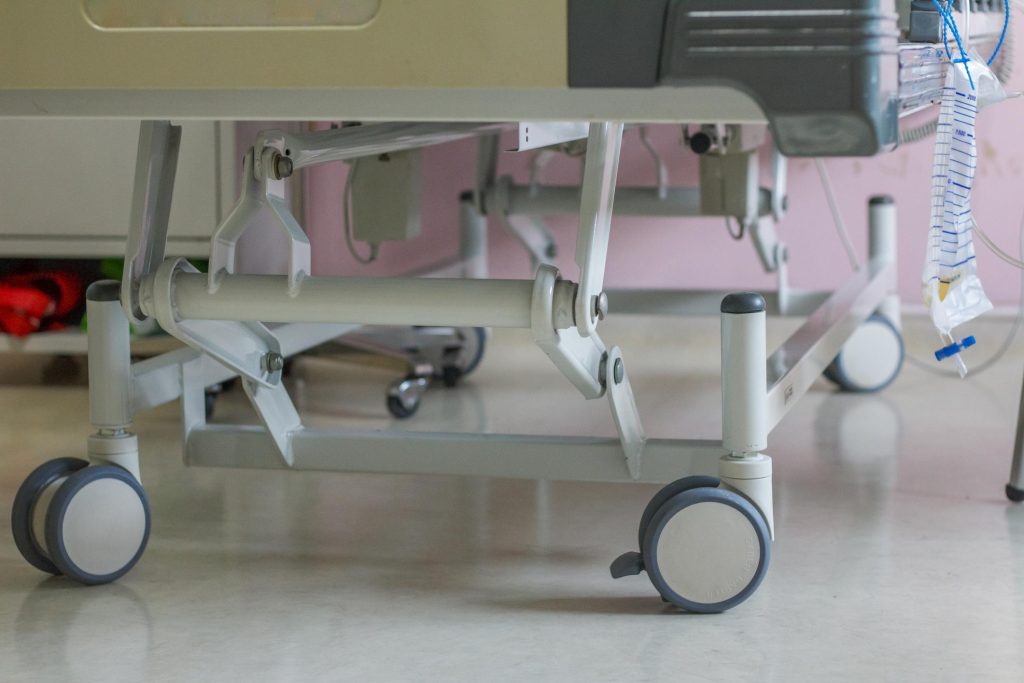
- Central locking caster systems
- Боковые рейлинги из ABS или алюминиевого сплава
- Совместимость с противопролежневыми матрасами
- Easy-to-clean surfaces
- Ergonomic patient positioning
For healthcare buyers, choosing durable and affordable beds is not only about reducing procurement costs but also about improving operational efficiency and patient satisfaction.
Why is durability important in hospital and clinic beds?
Hospital beds are among the most frequently used pieces of equipment in healthcare environments. Patients spend long periods in these beds, while caregivers continuously adjust, move, and clean them throughout the day.
If a bed lacks durability, it may quickly develop problems such as:
- Broken side rails
- Malfunctioning motors
- Damaged caster wheels
- Unstable frames
- Cracked bedboards
- Difficulty adjusting positions
These issues can create safety risks for both patients and caregivers.
Long-Term Operational Stability
Durable hospital beds reduce downtime caused by equipment failure. Reliable beds allow hospitals and clinics to operate smoothly without constant maintenance interruptions.
Improved Patient Safety
Strong and stable bed structures help prevent accidents such as falls or sudden collapses. Durable side rails and locking systems also improve patient protection during recovery and treatment.
Reduced Maintenance Costs
Frequent repairs can become extremely expensive over time. Durable beds minimize replacement part requirements and technician service costs.
Better Return on Investment
Although higher-quality beds may have a slightly larger upfront cost, they often last significantly longer than cheaper alternatives. This provides healthcare facilities with better long-term financial value.
For hospitals and clinics managing hundreds of beds, durability directly affects operational efficiency and budget performance.
What materials are commonly used in durable hospital beds?
The materials used in hospital bed manufacturing significantly influence strength, lifespan, and overall performance.
Carbon Steel Frames
Carbon steel is one of the most commonly used materials in medical bed production because of its strength and durability. Powder-coated steel surfaces also improve resistance to corrosion and scratches.
ABS Plastic Components
ABS plastic is often used for side rails, headboards, and footboards. It offers several advantages:
- Lightweight structure
- Impact resistance
- Легкая очистка
- Modern appearance
- Длительный срок службы
Боковые поручни из алюминиевого сплава
Aluminum alloy side rails are lightweight but strong. Foldable aluminum rails are especially popular because they improve caregiver convenience while maintaining patient safety.
High-Quality Casters
Hospital beds require smooth mobility. Durable caster wheels with central locking systems improve maneuverability and stability during patient transport.
Mattress Materials
Pressure-relief mattresses are commonly made from high-density foam, fiber materials, or PU-covered surfaces to improve patient comfort and hygiene.
The combination of strong materials and advanced manufacturing processes greatly affects the long-term reliability of hospital beds.
How do electric hospital beds improve cost-effectiveness?
Electric hospital beds are becoming increasingly popular in hospitals and clinics because they improve both patient care and caregiver efficiency.
Although electric beds usually cost more initially, they often provide better long-term value.
Снижение нагрузки на сиделок
Electric adjustment systems allow caregivers to reposition patients quickly and safely using remote controls. This reduces physical strain and improves workflow efficiency.
Better Patient Comfort
Patients can adjust bed positions for sleeping, eating, rehabilitation, and treatment. Improved comfort often contributes to better recovery experiences.
Faster Clinical Operations
Electric beds allow quicker positioning during medical procedures and patient transfers. This improves operational efficiency in busy healthcare environments.
Lower Injury Risk
Manual patient repositioning can lead to caregiver injuries. Electric beds help reduce lifting-related strain and workplace accidents.
Long-Term Financial Benefits
Over time, electric hospital beds can reduce labor costs, maintenance frequency, and patient complication risks, making them highly cost-effective for many healthcare facilities.
Are manual hospital beds still a good option?
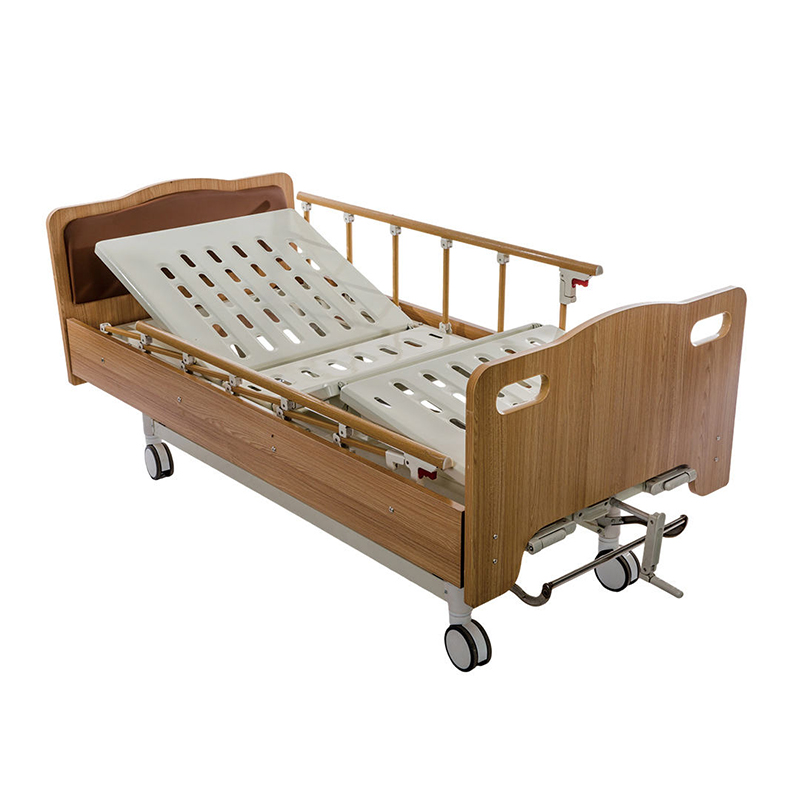
Yes, manual hospital beds remain an important solution for many hospitals and clinics, especially in budget-sensitive markets or facilities with simpler care requirements.
Меньшие начальные инвестиции
Manual hospital beds are generally more affordable than electric models, making them suitable for:
- Небольшие клиники
- Temporary medical facilities
- Emergency projects
- Rural healthcare centers
Simple Mechanical Structure
Because manual beds use crank systems instead of motors, they are easier to maintain and less dependent on electrical components.
Reliable Operation
Manual systems can continue functioning during power outages or in locations with unstable electricity supply.
Cost-Control Advantages
For facilities that do not require frequent patient repositioning, manual beds may provide sufficient functionality while maintaining lower procurement costs.
However, manual beds may increase caregiver workload and are less convenient for long-term patient care compared to electric models.
What safety features should hospitals prioritize?
Safety is one of the most important factors when purchasing hospital beds.
Боковые поручни
Side rails help prevent accidental patient falls. High-quality beds often include ABS or aluminum alloy rails with secure locking mechanisms.
Central Locking System
A central braking system allows caregivers to lock all caster wheels simultaneously, improving stability during treatment and transfers.
Emergency CPR Function
Some electric hospital beds include rapid backrest lowering functions for emergency response situations.
Стабильная конструкция кровати
Heavy-duty frames improve stability and prevent wobbling or structural failure.
Smooth Adjustment Systems
Safe and stable movement during bed adjustment minimizes patient discomfort and injury risks.
Anti-Bacterial Surfaces
Easy-to-clean surfaces help reduce infection risks in healthcare environments.
Choosing beds with comprehensive safety features improves patient outcomes while reducing healthcare liability risks.
How do hospital beds improve patient recovery?
Hospital beds play a critical role in patient recovery and overall healthcare quality.
Better Positioning Support
Adjustable beds help patients maintain comfortable and medically appropriate positions.
Pressure Relief
Pressure-relief mattresses and adjustable support reduce pressure ulcer risks for long-term bedridden patients.
Improved Blood Circulation
Elevating different body sections can improve circulation and reduce swelling.
Enhanced Respiratory Function
Backrest adjustment helps patients breathe more comfortably, especially after surgery or during respiratory treatment.
Greater Independence
Electric controls allow some patients to reposition themselves independently, improving confidence and reducing caregiver dependency.
Comfortable and functional medical beds create a more supportive healing environment for patients.
What should buyers consider when purchasing hospital beds in bulk?
Hospitals, distributors, and medical procurement companies must evaluate several factors before placing large hospital bed orders.
Качество продукции
Always evaluate:
- Frame strength
- Motor quality
- Side rail durability
- Весовая нагрузка
- Adjustment functions
Надежность поставщика
Надежные производители предлагают:
- Стабильное качество продукции
- Более быстрые сроки доставки
- Техническая поддержка
- Наличие запасных частей
- Warranty services
Производственные мощности
Factories with strong production capacity are better equipped to handle large-volume orders and urgent delivery schedules.
Соответствие требованиям сертификации
Medical beds should comply with international quality and safety standards required by export markets.
Customization Options
Many buyers require customized:
- Bed colors
- Logos
- Packaging
- Mattress configurations
- Side rail designs
Long-Term Partnership Potential
Working with experienced manufacturers often leads to more stable supply chains and better procurement efficiency over time.
Why are cost-effective hospital beds important for developing healthcare markets?
Developing healthcare markets often face budget limitations while experiencing rapidly increasing healthcare demand.
Expanding Healthcare Infrastructure
Many hospitals and clinics need affordable medical equipment to support growing patient populations.
Budget Optimization
Cost-effective beds help healthcare providers maximize equipment coverage without sacrificing quality.
Long-Term Sustainability
Durable beds reduce replacement frequency and improve resource efficiency in developing healthcare systems.
Better Access to Care
Affordable hospital beds allow smaller clinics and rural facilities to improve patient treatment capacity.
Countries across Southeast Asia, the Middle East, Africa, and South America increasingly prioritize durable and affordable medical equipment solutions.
How is hospital bed manufacturing evolving?
The medical bed industry continues to improve through technology and innovation.
Smart Hospital Beds
Modern hospital beds now include:
- Digital monitoring systems
- Integrated patient weighing systems
- Сигнализация выхода из кровати
- Интеграция вызова медсестры
Improved Ergonomics
Manufacturers are designing beds that improve both patient comfort and caregiver convenience.
Lightweight Designs
Advanced materials allow beds to remain durable while improving mobility.
Sustainable Manufacturing
Eco-friendly production methods and recyclable materials are becoming increasingly important in medical equipment manufacturing.
Healthcare buyers who stay informed about these innovations can improve both patient care quality and operational efficiency.
Заключение
Durable and cost-effective beds are essential investments for hospitals, clinics, rehabilitation centers, and healthcare distributors seeking long-term value and reliable patient care solutions. Strong materials, ergonomic designs, safety features, and efficient adjustment systems all contribute to better durability and improved operational performance.
Whether choosing electric hospital beds, manual models, or specialized ICU solutions, healthcare buyers should focus on total ownership value rather than only initial purchase price. Reliable hospital beds reduce maintenance costs, improve patient comfort, enhance caregiver efficiency, and support better recovery outcomes.
As global healthcare demand continues to grow, selecting high-quality and affordable medical beds becomes increasingly important for healthcare facilities worldwide.
If you are sourcing hospital beds for your healthcare project or distribution business, feel free to share your questions or experiences about choosing durable and cost-effective medical beds.