
Modern hospital bed manufacturing faces increasing challenges as global regulations become stricter, yet many suppliers still struggle with inconsistent compliance testing, missing certification requirements, and unclear international standards. This creates serious risks for hospitals and distributors, including product rejection, safety hazards, and costly recalls. As medical beds directly impact patient safety and clinical efficiency, even minor compliance failures can lead to major operational consequences. The solution lies in understanding and implementing structured international testing standards, combined with rigorous factory-level quality systems that ensure every hospital bed meets global safety, performance, and durability expectations.
Modern hospital bed manufacturing requires compliance with international standards such as ISO 13485, IEC 60601-2-52, FDA 21 CFR Part 820, and EU MDR 2017/745. Compliance testing includes mechanical load testing, electrical safety validation, durability cycling, stability evaluation, and infection control assessment. These processes ensure patient safety, regulatory approval, and global market access for medical bed manufacturers and B2B suppliers.
Modern healthcare systems depend heavily on reliable medical equipment, and hospital beds are among the most critical components. Because they support patients in vulnerable conditions, compliance testing is not optional—it is a mandatory requirement for market access and clinical safety.
For manufacturers such as Jcare, compliance is not just a regulatory checkbox but a strategic foundation for international expansion, brand credibility, and long-term partnerships with hospitals and distributors.
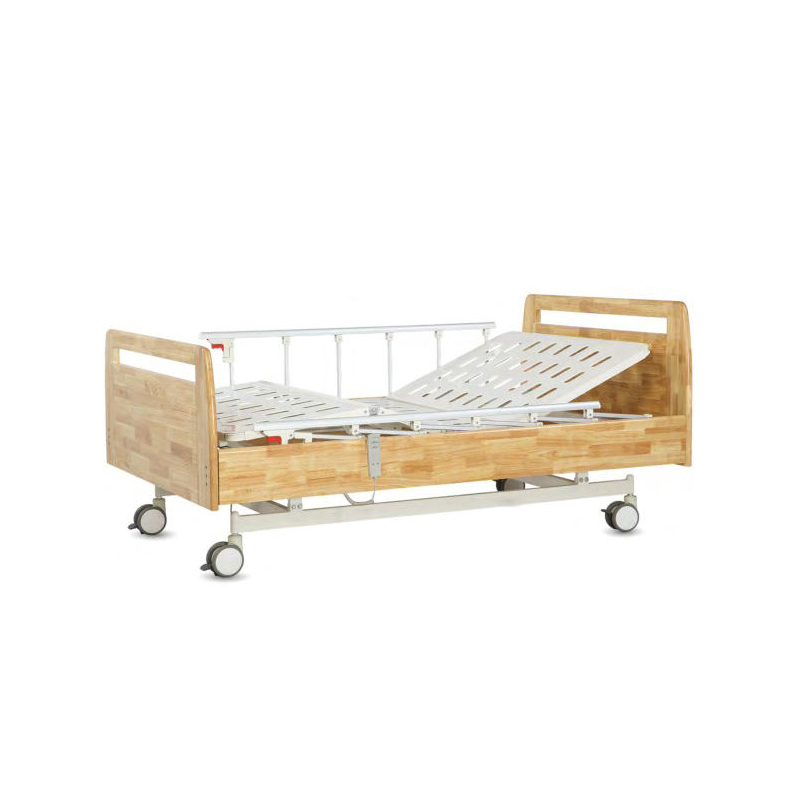
Why Compliance Testing Matters in Hospital Bed Manufacturing
Hospital beds operate in high-risk environments where patients may be immobile, unconscious, or dependent on mechanical support systems. Any failure—whether mechanical, electrical, or structural—can directly impact patient safety.
Compliance testing ensures that hospital beds can withstand real-world conditions such as continuous adjustments, heavy loads, and long operational cycles. It also ensures that the product behaves consistently across different healthcare environments, from ICU wards to home care settings.
Another critical reason compliance matters is global trade. Without certification and verified testing, hospital beds cannot enter regulated markets such as the United States or the European Union. Even in emerging markets, hospitals and procurement agencies increasingly demand proof of international compliance before purchase decisions.
Ultimately, compliance testing builds trust. It signals that a manufacturer has invested in engineering discipline, quality systems, and patient safety assurance.
Key International Standards for Hospital Bed Manufacturing
Hospital bed compliance is governed by a combination of global and regional standards. These frameworks define how a medical bed should be designed, tested, and manufactured.
ISO 13485 Quality Management System
ISO 13485 is the backbone of medical device manufacturing. It defines how quality systems must be structured to ensure consistent production and traceability.
It requires manufacturers to implement:
- Documented quality management systems
- Risk-based product development processes
- Supplier control and material traceability
- Internal audits and corrective action systems
- Controlled production environments
For companies like Jcare, ISO 13485 certification strengthens credibility in global B2B procurement markets.
IEC 60601-2-52 Hospital Bed Safety Standard
This is one of the most important technical standards for hospital beds. It focuses specifically on safety and performance requirements for medical beds used in clinical environments.
Key areas include:
- Prevention of patient entrapment in side rails
- Mechanical stability during patient movement
- Safe articulation of bed sections
- Structural load capacity requirements
- Electrical safety for motorized systems
This standard is especially critical for electric hospital beds used in ICU and long-term care facilities.
FDA 21 CFR Part 820 (United States)
The FDA regulation system focuses on design control, manufacturing consistency, and post-market safety.
It requires:
- Documented design validation
- Production process control
- Complaint handling systems
- Risk management procedures
- Traceability of all components
Without FDA compliance, hospital beds cannot legally enter the U.S. healthcare market.
EU MDR 2017/745 (European Union)
The EU MDR framework is one of the strictest medical device regulations globally. It emphasizes patient safety, clinical evaluation, and lifecycle monitoring.
Requirements include:
- CE marking certification
- Clinical performance evaluation
- Usability engineering and human factors testing
- Post-market surveillance systems
- Material biocompatibility assessments
This ensures that hospital beds meet long-term safety and usability expectations in European healthcare environments.
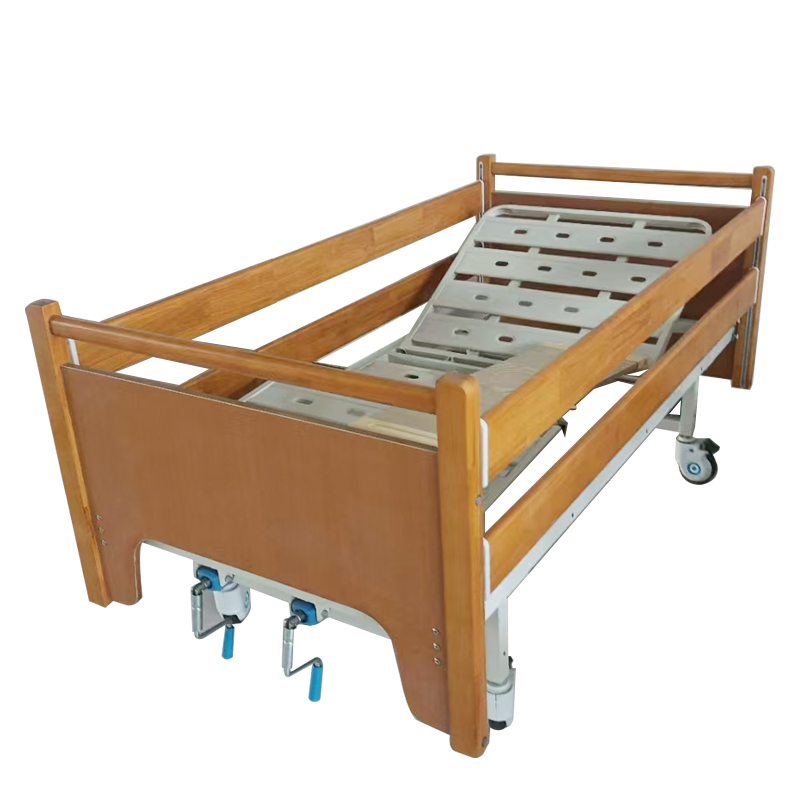
Mechanical Testing Requirements
Mechanical testing is one of the most fundamental parts of hospital bed compliance. It ensures structural integrity under different usage conditions.
Load Bearing and Static Strength Testing
Hospital beds must support varying patient weights, often exceeding 200–250 kg for heavy-duty models. Static load tests simulate maximum weight pressure to ensure that the bed frame does not deform or fail.
Dynamic Fatigue Testing
Beds undergo repeated motion cycles, including backrest lifting, leg adjustment, and height changes. These tests simulate years of usage in accelerated conditions, often exceeding tens of thousands of cycles.
Stability and Anti-Tipping Tests
Stability testing ensures the bed remains secure during uneven loading or sudden patient movement. This is critical for preventing accidents in rehabilitation and emergency care environments.
Mechanical testing is essential to ensure that every structural component performs reliably under continuous clinical use.
Electrical Safety Testing for Motorized Beds
For electric hospital beds, electrical safety is a critical compliance area. These beds rely on motors, control units, and power systems that must operate safely in sensitive environments.
Key tests include:
- Leakage current measurement to prevent electric shock
- Insulation resistance verification
- Motor overload protection testing
- Control system failure simulation
- Battery backup performance validation
These evaluations ensure that even in power failure or system malfunction scenarios, patient safety is not compromised.
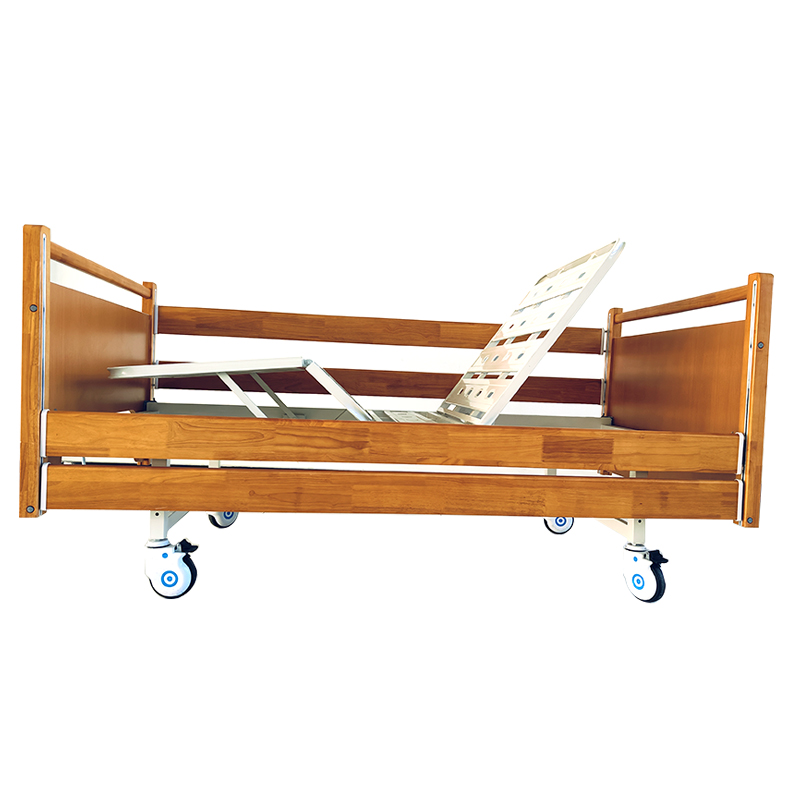
Durability and Lifecycle Testing
Hospital beds are expected to remain functional for many years in high-use environments. Durability testing simulates long-term usage in a compressed timeframe.
Manufacturers test:
- Repeated lifting cycles of actuators
- Side rail folding endurance
- Wheel and caster movement fatigue
- Joint and hinge wear resistance
This ensures that the product maintains performance consistency throughout its lifecycle.
Durability is especially important for export suppliers like Jcare, where replacement costs and service reliability directly impact customer satisfaction.
Infection Control and Material Safety
Modern hospital environments require strict hygiene and infection prevention standards. Hospital beds must support easy cleaning and resist contamination.
Testing focuses on:
- Antibacterial surface performance
- Resistance to disinfectants and chemicals
- Corrosion resistance of metal components
- Smooth surface finishing to prevent bacterial accumulation
Materials must maintain structural integrity even after repeated sterilization cycles.
This is particularly important in ICU, surgical, and infectious disease environments.
Global Regulatory Differences in Hospital Bed Compliance
Different regions apply different regulatory frameworks, and manufacturers must adapt accordingly.
In the United States, FDA regulations prioritize safety documentation and post-market surveillance. In Europe, EU MDR focuses heavily on clinical evaluation and usability. In Japan and South Korea, precision engineering and durability are heavily emphasized. In the Middle East and Southeast Asia, certification recognition is often more flexible but still increasingly aligned with international standards.
For global suppliers, compliance flexibility is essential to entering multiple markets successfully.
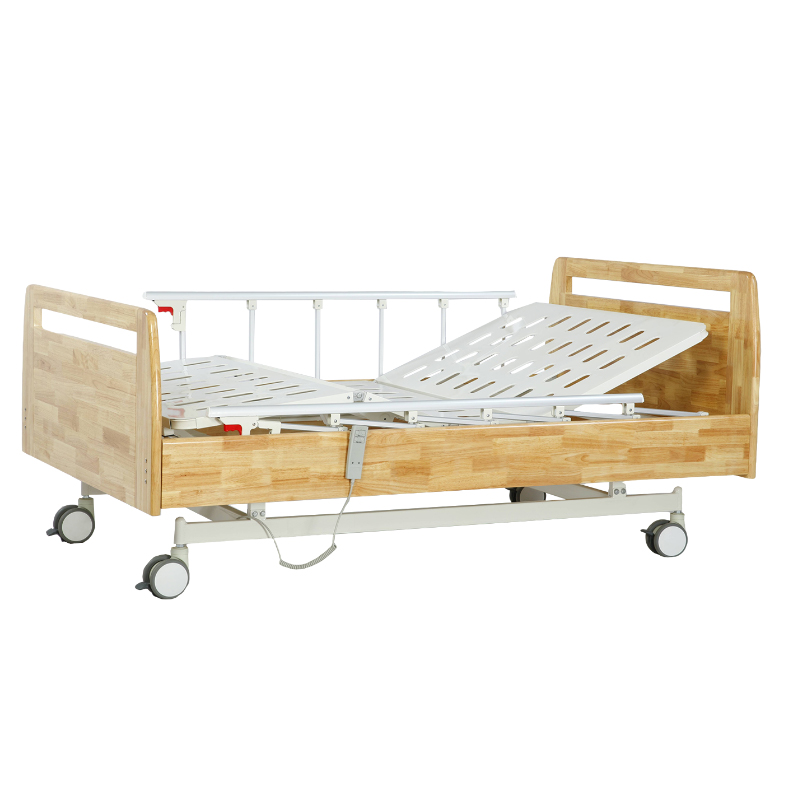
Factory-Level Quality Control Systems
Compliance is not only achieved through external certification but also through internal factory systems.
A strong quality control system includes:
- Incoming material inspection for steel, motors, and plastics
- Process-level inspections during welding and assembly
- Final product functional testing before packaging
- Random batch verification for consistency
- Full traceability documentation systems
Factories that integrate compliance into production workflows achieve higher consistency and lower defect rates.
Manufacturers like Jcare rely on structured production control to meet global expectations.
Common Compliance Failures in Hospital Bed Manufacturing
Many manufacturers fail compliance not because of lack of resources, but due to process gaps.
Common issues include:
- Weak welding in load-bearing structures
- Incorrect spacing in side rail design causing entrapment risks
- Insufficient motor insulation protection
- Incomplete durability testing cycles
- Missing documentation during audits
These failures often lead to shipment rejection, certification delays, or product recalls in regulated markets.
How Manufacturers Can Improve Compliance Readiness
Improving compliance requires a systematic approach rather than isolated testing.
Manufacturers should:
- Integrate ISO 13485 systems into production design
- Use certified third-party testing laboratories
- Standardize electrical and mechanical components
- Conduct pre-certification simulation testing
- Maintain complete documentation for audits and inspections
By adopting these practices, manufacturers can significantly improve approval rates in international markets and reduce operational risks.
結論
Compliance testing standards are the foundation of modern hospital bed manufacturing, ensuring that every product meets strict safety, durability, and performance requirements. International frameworks such as ISO 13485, IEC 60601-2-52, FDA regulations, and EU MDR create a unified expectation for quality and patient safety across global markets.
For manufacturers like Jcare, compliance is not only a regulatory obligation but also a strategic advantage that enables access to hospitals, distributors, and healthcare procurement systems worldwide.
As healthcare continues to evolve, companies that prioritize compliance testing will lead the market in trust, reliability, and long-term global competitiveness.