
Modern healthcare providers, nursing homes, and home care users often ask whether advanced control panels are truly necessary in today’s medical beds. Choosing a bed with limited controls can reduce patient comfort, increase caregiver workload, and create safety concerns. Fortunately, modern control panels provide intuitive operation, enhanced safety, and efficient patient positioning, making them an essential component of contemporary medical bed design.
Control panels are the operational center of modern medical beds. They allow patients and caregivers to adjust bed positions, improve comfort, enhance safety, reduce physical strain, and support advanced healthcare functions. By simplifying bed operation and enabling precise positioning, control panels contribute significantly to patient recovery, caregiver efficiency, and overall healthcare quality.
As medical technology continues to evolve, control panels have become increasingly sophisticated. Understanding their functions and benefits can help healthcare facilities and buyers select beds that better meet patient and caregiver needs.
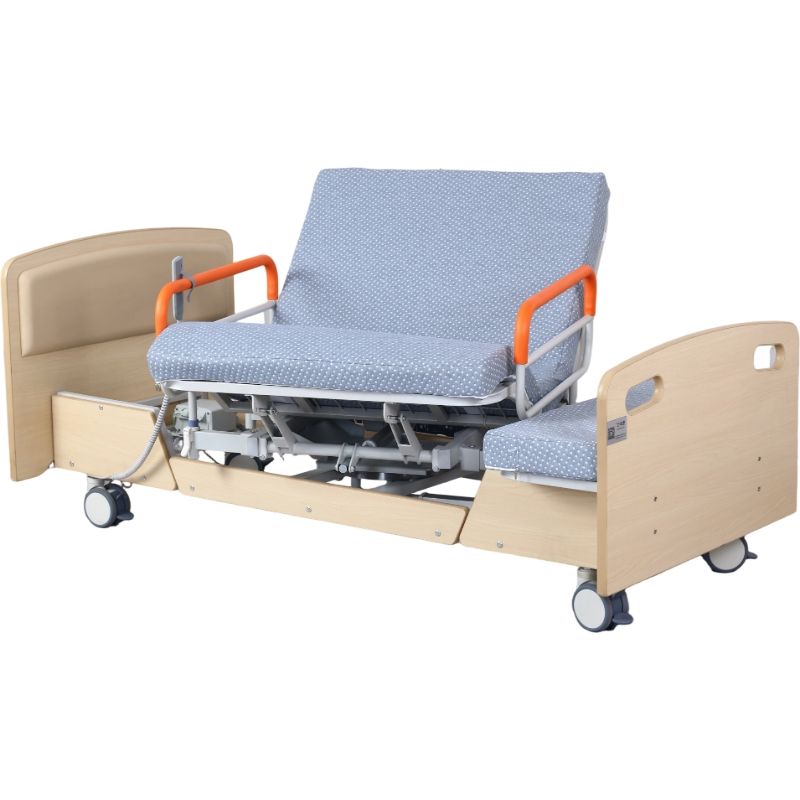
What Is a Control Panel in a Medical Bed?
A control panel is the interface that allows users to operate various functions of a medical bed. It serves as the connection between the user and the bed’s electrical or mechanical systems. Through the control panel, patients and caregivers can adjust bed positions, activate safety features, and access specialized functions designed to improve care.
In the past, hospital beds relied heavily on manual cranks and mechanical adjustments. While these systems were functional, they often required significant physical effort and limited the ability to make precise adjustments. Modern control panels have transformed this process by providing electronic controls that allow quick and accurate positioning.
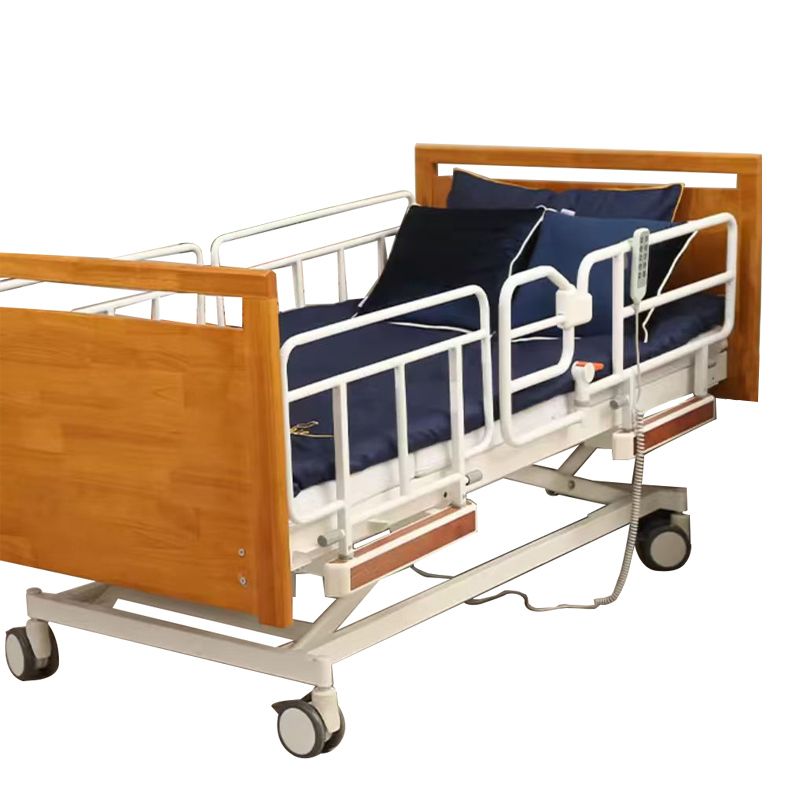
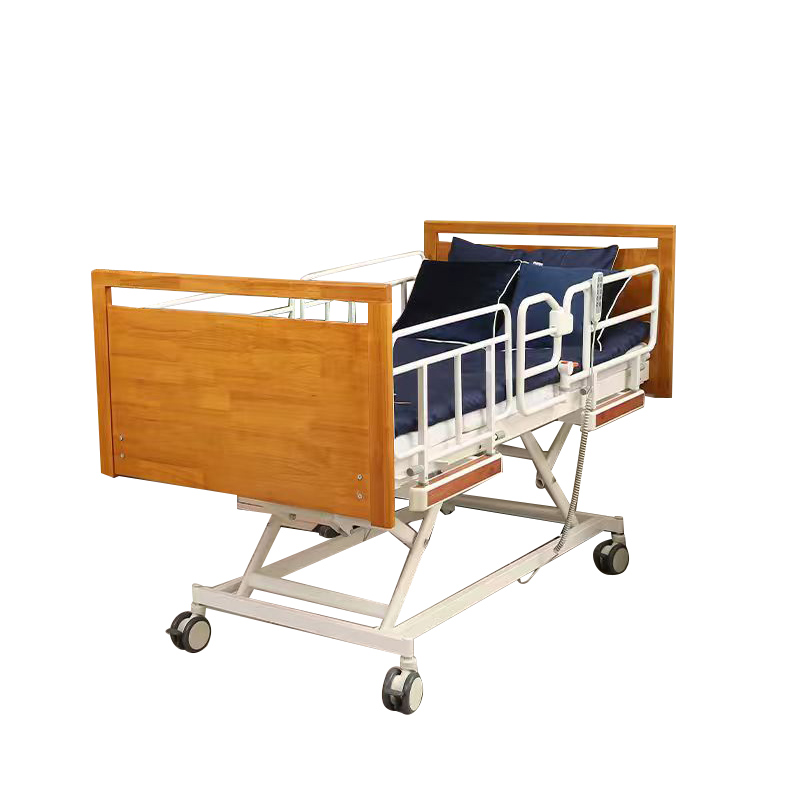
Today’s control panels may be integrated into side rails, mounted on bed frames, attached as handheld remotes, or incorporated into touchscreen systems. Regardless of design, their primary purpose remains the same: providing convenient and safe control over bed functions.
Why Control Panels Matter in Modern Healthcare
Medical beds play a critical role in patient care. They are no longer simple pieces of furniture but sophisticated healthcare tools designed to support treatment, recovery, and safety.
Control panels contribute to patient-centered care by allowing beds to adapt to individual needs. A patient recovering from surgery may require frequent position changes, while a long-term care resident may need specialized positioning to reduce pressure points. Without efficient controls, these adjustments become more difficult and time-consuming.
For healthcare professionals, control panels help streamline daily tasks. Nurses and caregivers often care for multiple patients at once. The ability to reposition a patient quickly and accurately improves workflow efficiency and allows caregivers to focus on clinical responsibilities.
In addition, modern healthcare facilities are increasingly focused on reducing workplace injuries. Electronic controls minimize the need for manual lifting and repositioning, helping protect caregivers from physical strain.
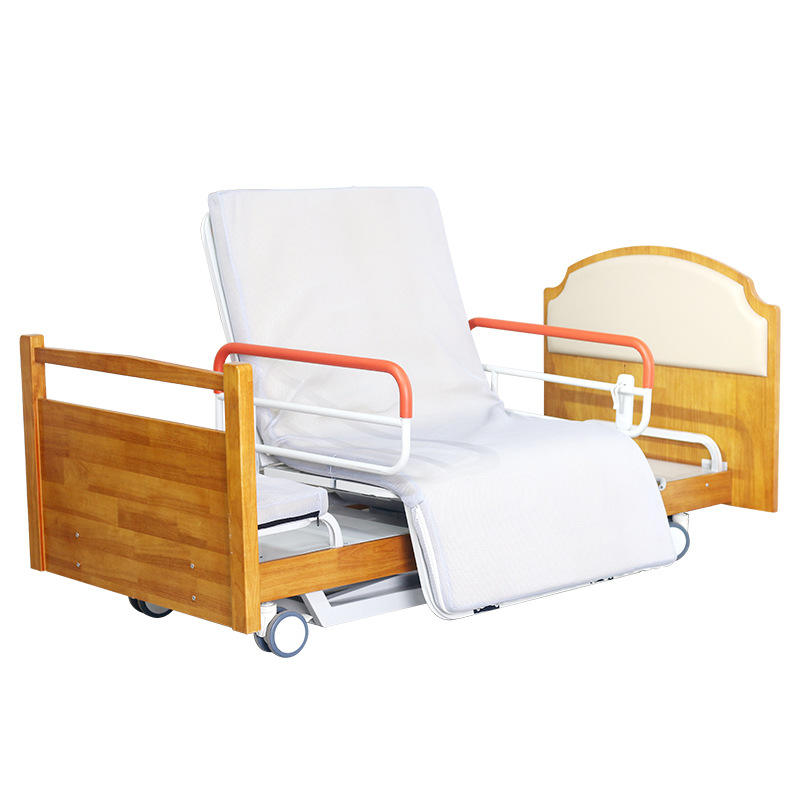
Main Functions of Modern Medical Bed Control Panels
Control panels support a variety of functions that contribute directly to patient comfort and clinical care.
背もたれの調整
Backrest adjustment is one of the most commonly used features in medical beds. Raising the backrest helps patients sit comfortably while eating, reading, communicating, or receiving treatment.
This function is particularly beneficial for patients with respiratory conditions. Elevating the upper body can improve lung expansion and make breathing easier. It can also reduce the risk of aspiration during meals.
Leg Elevation and Knee Adjustment
Modern control panels allow independent adjustment of the leg section. Elevating the legs can improve circulation, reduce swelling, and enhance comfort.
Patients recovering from surgery or suffering from vascular disorders often benefit from proper leg positioning. The ability to make these adjustments electronically allows caregivers to respond quickly to changing patient needs.
高さ調整
Height adjustment is an essential feature for both patients and caregivers.
Caregivers can raise the bed to a comfortable working height when providing treatment, reducing bending and minimizing strain. Patients can benefit from lower bed positions when entering or exiting the bed, helping reduce fall risks.
Trendelenburg and Reverse Trendelenburg Functions
Many advanced medical beds include Trendelenburg and Reverse Trendelenburg positioning.
Trendelenburg positioning tilts the patient with the head lower than the feet, while Reverse Trendelenburg raises the head higher than the feet. These positions can support specific clinical procedures and improve patient management in certain medical situations.
CPR Emergency Function
Emergency situations require immediate action. Modern control panels often include a one-touch CPR button that rapidly returns the bed to a flat position.
This feature enables healthcare professionals to begin life-saving procedures without wasting valuable time making manual adjustments.
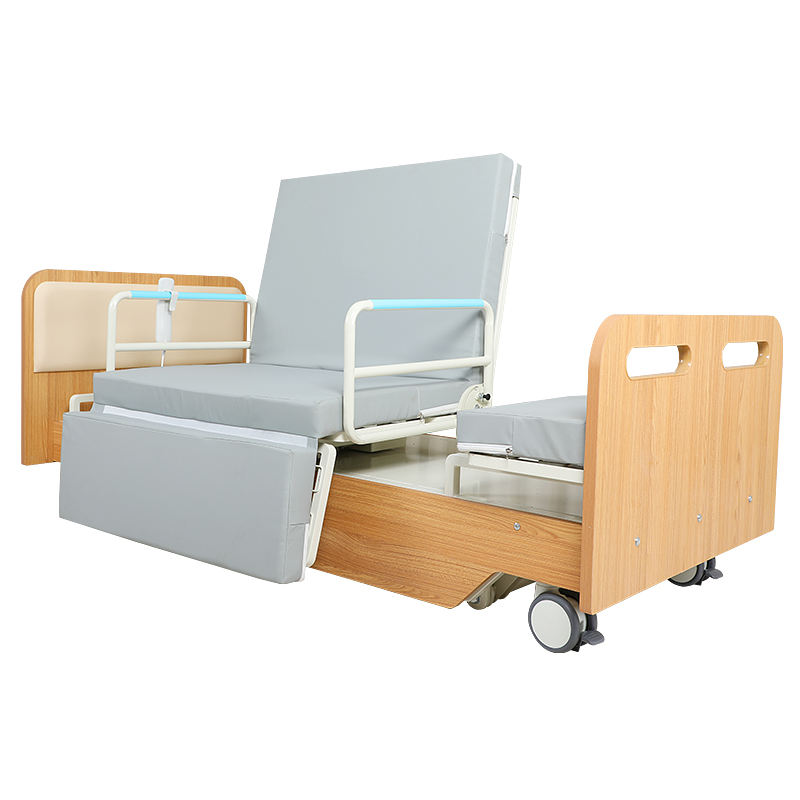
Types of Control Panels Used in Medical Beds
Medical bed manufacturers offer several types of control panels to meet different healthcare requirements.
Patient Control Panels
Patient control panels are designed for simplicity and ease of use. They typically include clearly labeled buttons that allow patients to adjust basic functions independently.
Giving patients greater control over their environment can improve satisfaction and contribute to emotional well-being during recovery.
Caregiver Control Panels
Caregiver control panels provide access to advanced bed functions and safety settings.
These panels often include lockout controls, emergency positioning functions, and additional adjustments that may not be appropriate for patient use.
Side Rail Integrated Controls
Integrated side rail controls have become increasingly popular in modern medical bed design.
Because they are built directly into the side rails, users can access controls conveniently without searching for a remote. This design improves accessibility and reduces the risk of misplaced control devices.
Handheld Remote Controls
Handheld remotes remain a common solution in hospitals and home care environments.
They offer flexibility and can be positioned wherever the user finds most convenient. Large buttons and intuitive layouts make them suitable for a wide range of patients.
Touchscreen Interfaces
Premium medical beds increasingly feature touchscreen control systems.
Touchscreens provide a modern user experience and allow access to advanced settings through intuitive menus. Some systems can display bed status, patient positioning information, and maintenance alerts.
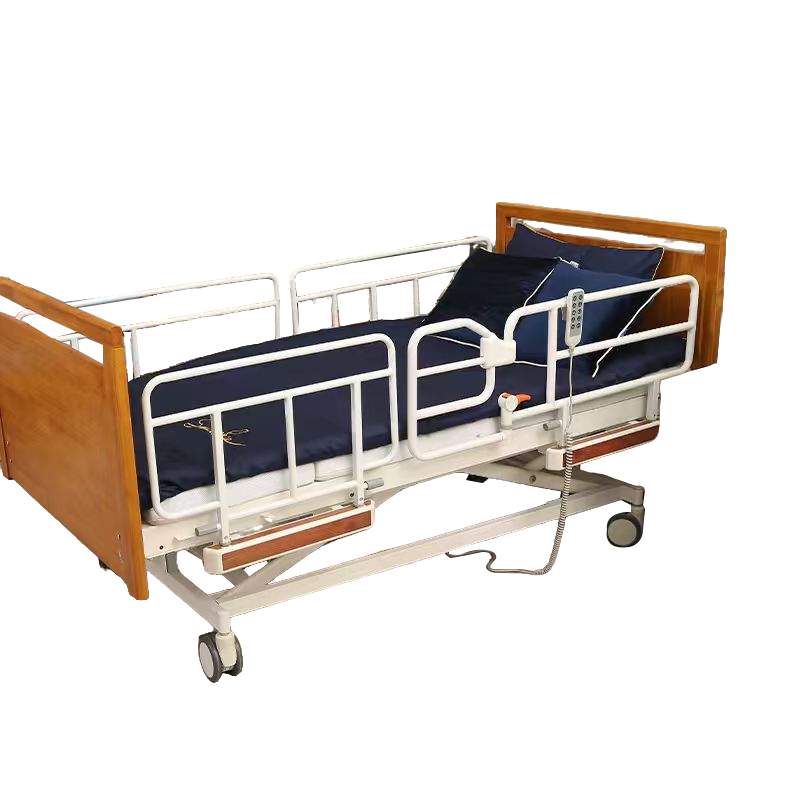
How Control Panels Enhance Patient Safety
Patient safety is one of the primary reasons healthcare facilities invest in advanced medical bed technology.
転倒防止
Falls remain a significant concern in healthcare settings. Control panels help reduce fall risks by allowing caregivers to quickly lower bed height and activate safety functions.
Some advanced systems include bed-exit alarms that alert staff when patients attempt to leave the bed without assistance.
Lockout Features
Not every bed adjustment should be available to every user. Lockout functions allow caregivers to disable selected controls when necessary.
This feature is particularly useful for patients who may be confused, disoriented, or at risk of making unsafe adjustments.
Emergency Response
Quick-access emergency controls improve response times during critical situations.
Whether repositioning a patient for treatment or initiating CPR procedures, rapid control access can make a meaningful difference in patient outcomes.
Improving Caregiver Efficiency Through Better Controls
Healthcare professionals face increasing demands in hospitals, rehabilitation centers, and nursing homes.
Modern control panels help reduce workload by simplifying routine tasks. Caregivers can adjust bed positions with the press of a button rather than relying on manual methods.
This efficiency translates into several important benefits. Staff spend less time on equipment adjustments and more time providing direct patient care. Reduced physical effort also helps decrease fatigue and workplace injuries.
Additionally, standardized control systems make staff training easier. When controls are intuitive and consistent, caregivers can become proficient more quickly and operate equipment with greater confidence.
Smart Technology and the Future of Medical Bed Controls
Healthcare technology continues to evolve rapidly, and control panels are becoming smarter than ever before.
Connectivity and Digital Integration
Many modern medical beds can connect with hospital networks and patient management systems.
This integration improves communication between equipment and healthcare providers while supporting more efficient workflows.
Remote Monitoring
Advanced control systems can transmit information about bed status, patient movement, and positioning.
Remote monitoring helps caregivers stay informed without needing to physically inspect every patient room continuously.
Data Collection and Analytics
Future control panels may collect valuable usage data that helps healthcare facilities optimize patient care and equipment management.
By analyzing positioning patterns and usage trends, providers may gain insights that improve operational efficiency.
Artificial Intelligence Applications
Artificial intelligence may eventually allow medical beds to make intelligent positioning recommendations based on patient needs.
Although still developing, these technologies have the potential to enhance patient comfort, reduce complications, and improve clinical outcomes.
人々はこうも尋ねる
Can Patients Operate Medical Bed Control Panels Independently?
Most modern patient control panels are specifically designed for independent operation. Large buttons, simple symbols, and intuitive layouts make basic adjustments easy and safe.
Are Touchscreen Controls Better Than Traditional Buttons?
Touchscreen systems provide advanced functionality and visual feedback, while traditional buttons offer simplicity and reliability. The best option depends on the specific healthcare environment.
How Often Should Medical Bed Control Panels Be Inspected?
Regular inspections should follow manufacturer recommendations. Preventive maintenance helps ensure reliable operation and reduces the risk of unexpected failures.
What Happens If a Control Panel Stops Working?
Most medical beds include backup procedures or manual override systems. Healthcare facilities should maintain routine service schedules to minimize downtime.
Do Home Care Beds Use the Same Control Panels as Hospital Beds?
Home care beds often use simplified versions of hospital bed controls. While they may include fewer advanced features, they still provide essential positioning functions and ease of use.
結論
Control panels have become an indispensable component of modern medical beds. They improve patient comfort, enhance safety, support efficient caregiving, and enable advanced positioning functions that contribute to better healthcare outcomes. From simple handheld remotes to sophisticated touchscreen systems with smart connectivity, control panels continue to evolve alongside modern healthcare technology.
As hospitals, nursing homes, rehabilitation centers, and home care providers seek to improve patient care and operational efficiency, selecting medical beds with reliable and user-friendly control panels becomes increasingly important. By understanding the role these systems play, healthcare buyers can make more informed purchasing decisions that benefit both patients and caregivers.
What control panel features do you consider most valuable in a modern medical bed? Share your thoughts in the comments below, and feel free to share this article with colleagues who are exploring healthcare equipment solutions.