
Many healthcare buyers focus only on medical bed weight capacity while overlooking weight distribution performance. Poor load balancing can cause instability, motor strain, patient discomfort, and faster equipment wear. These issues increase maintenance costs and safety risks over time. Understanding how weight distribution affects medical bed performance helps hospitals and care facilities choose safer, more durable, and more efficient beds for long-term patient care.
Weight distribution significantly affects medical bed stability, patient safety, motor efficiency, mattress performance, and product lifespan. Evenly distributed weight reduces stress on the frame, actuators, casters, and moving components while improving comfort and operational reliability. Well-designed medical beds with balanced structural engineering provide better long-term performance for hospitals, clinics, rehabilitation centers, and home care environments.
Choosing the right medical bed involves more than checking the maximum load capacity.
人々はこうも尋ねる
What Does Weight Distribution Mean in Medical Beds?
Weight distribution refers to how patient weight and pressure are spread across the entire medical bed structure. Instead of focusing only on total weight capacity, manufacturers must consider how force moves through the frame, mattress platform, actuators, side rails, and casters during real-world use.
In healthcare environments, patients constantly change positions. They may sit on the bed edge, lean toward one side, or require frequent repositioning by caregivers. These movements create uneven pressure points that directly influence bed stability and durability.
A properly balanced medical bed distributes force evenly to:
- Improve patient comfort
- Reduce frame stress
- Maintain lifting stability
- Protect motors and actuators
- Improve caster performance
- 機器の寿命を延ばす
Without proper weight distribution, even a high-capacity bed may experience operational problems.
Why Is Weight Distribution Important for Patient Safety?
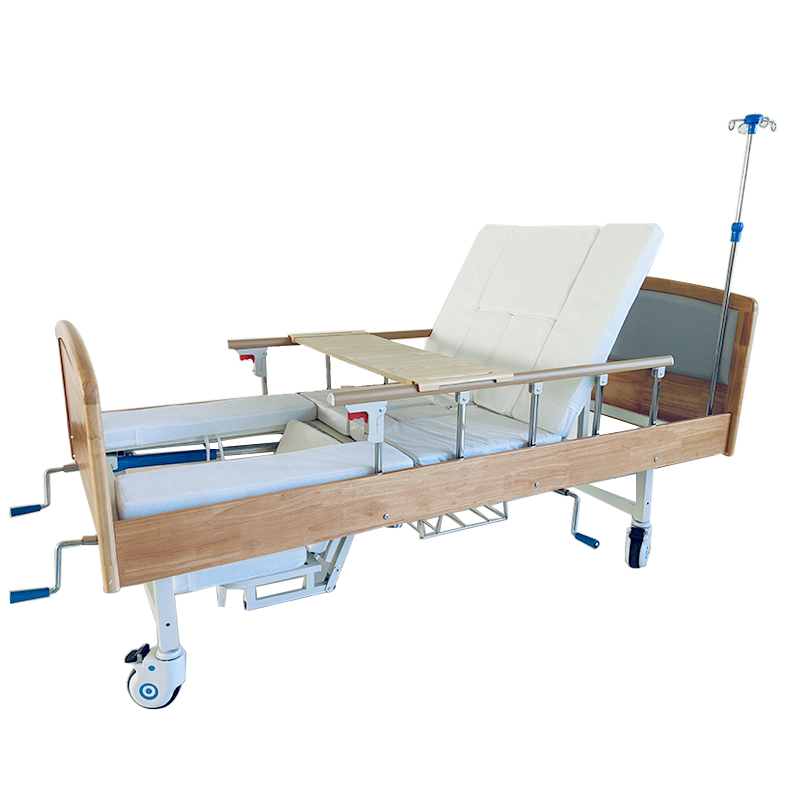
Patient safety is one of the most important concerns in hospitals and long-term care facilities. Uneven weight distribution can create dangerous instability during treatment, transfers, or patient repositioning.
Common safety risks include:
- Bed tilting during movement
- Side rail instability
- Difficulty locking casters
- Unsafe patient transfers
- Increased fall risks
For elderly or mobility-impaired patients, even small instability can become a serious hazard.
Medical beds with balanced structural support help maintain consistent stability in all adjustment positions, including:
- 背もたれの高さ
- レッグエレベーション
- トレンデレンブルグのポジショニング
- 高さ調整
- Chair positioning
This is especially important in ICU environments where patients require continuous monitoring and positioning changes.
How Weight Distribution Affects Bed Frame Durability
The bed frame is the foundation of the entire medical bed system. Poor weight distribution concentrates stress on specific points, which can weaken the structure over time.
Repeated uneven loading may lead to:
- Metal fatigue
- フレームの変形
- Cracked welds
- Loose joints
- Structural instability
Hospitals often use medical beds continuously for many years. Beds must withstand daily movement, patient transfers, and repeated cleaning procedures.
High-quality manufacturers improve frame durability through:
Reinforced Steel Construction
Thicker steel tubing helps spread pressure more evenly across the bed.
Multi-Point Support Systems
Additional support structures reduce concentrated stress zones.
Precision Welding
Strong weld quality prevents weak points under dynamic loads.
Load Distribution Engineering
Advanced engineering helps maintain structural balance during movement.
For B2B buyers, durable frame construction reduces long-term replacement and maintenance costs.
How Does Weight Distribution Affect Electric Bed Motors?
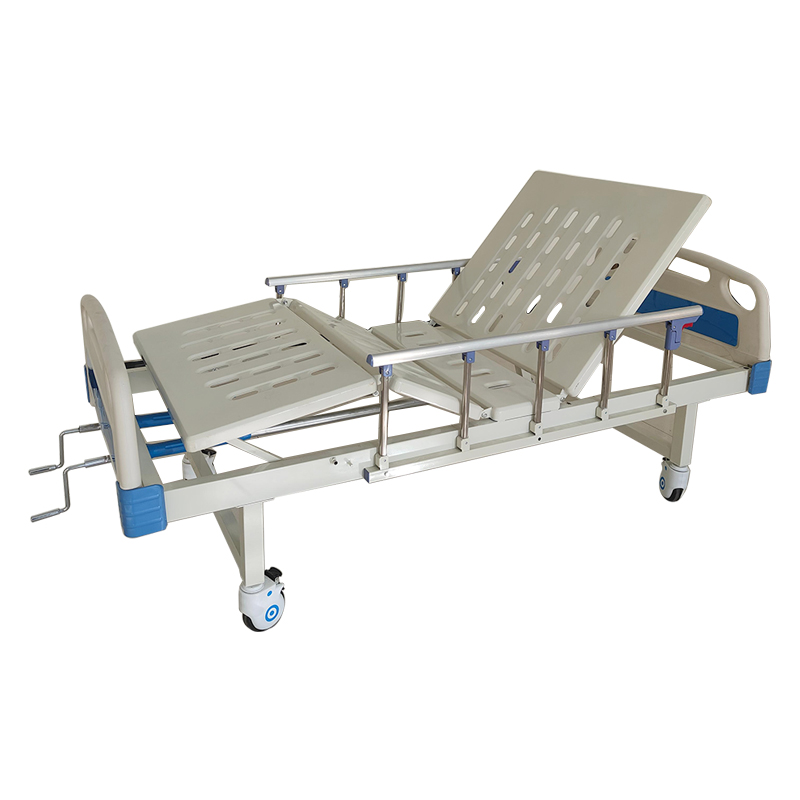
Electric medical beds rely on motors and actuators to perform smooth adjustments. These components operate under constant load pressure.
When weight becomes unevenly concentrated, motors experience additional resistance during operation.
This can result in:
- Slower bed adjustments
- Increased energy consumption
- Motor overheating
- Excessive actuator wear
- Reduced lifting precision
- Noisy operation
For example, when patients frequently sit on one edge of the bed, one actuator may bear significantly more pressure than the others.
Over time, this imbalance can shorten motor lifespan.
Modern electric hospital beds solve this problem through:
- Balanced actuator positioning
- Heavy-duty lifting systems
- Synchronized motor control
- Reinforced joint mechanisms
- Intelligent load management systems
Hospitals purchasing electric beds in bulk should carefully evaluate motor performance under dynamic load conditions.
How Weight Distribution Influences Mattress Performance
Medical mattresses are designed to reduce pressure points and improve patient comfort. However, mattress effectiveness depends heavily on proper bed support.
Uneven weight distribution may create:
- Pressure concentration areas
- Mattress sagging
- Reduced circulation support
- Poor spinal alignment
- Increased pressure ulcer risks
Pressure ulcers remain a major concern for bedridden patients in hospitals and rehabilitation centers.
A properly balanced medical bed helps mattresses perform effectively by maintaining even support across the entire sleeping surface.
This is especially important for:
- 交互加圧マットレス
- Memory foam mattresses
- エアマットレス
- Pressure-relief systems
If the bed platform becomes unstable or tilted, the mattress cannot function as intended.
Why Weight Distribution Matters During Patient Transfers
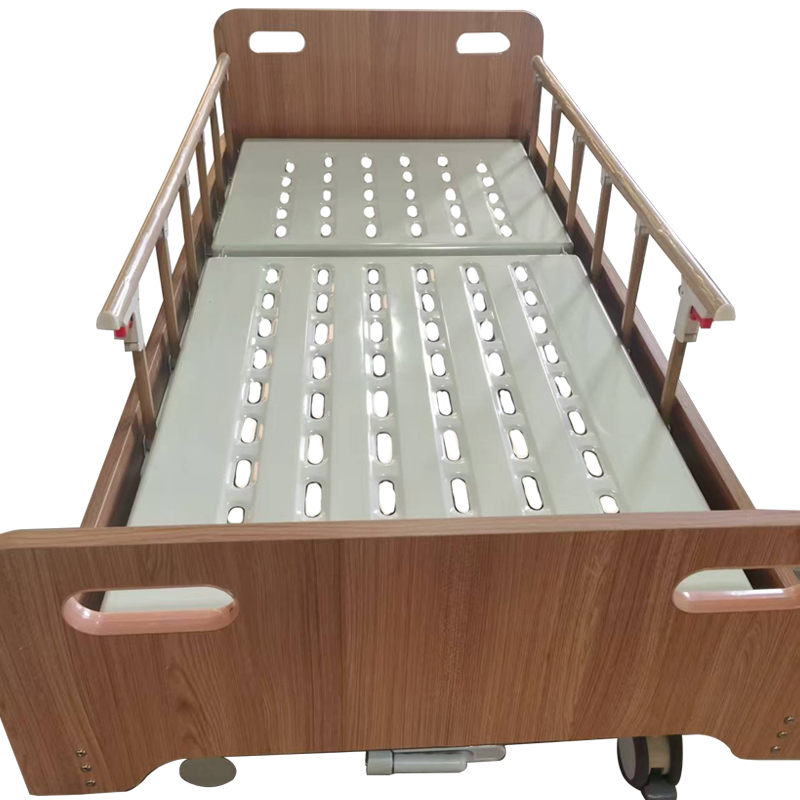
Patient transfers place extreme stress on medical beds. Patients often shift their body weight suddenly during movement between wheelchairs, stretchers, or standing positions.
These transfers create dynamic load pressure that affects:
- Bed stability
- Caster locking performance
- Frame balance
- Side rail strength
Poorly balanced beds may wobble or shift unexpectedly during transfers, increasing injury risks for both patients and caregivers.
To improve transfer safety, many medical beds include:
- 中央ロック式キャスターシステム
- Low-height positioning
- Reinforced edge support
- Anti-tip designs
- Stable braking systems
These features improve handling safety in busy healthcare environments.
How Different Patient Types Affect Weight Distribution
Different patient groups create different weight distribution patterns. Medical bed manufacturers must design products for various healthcare scenarios.
Bariatric Patients
Bariatric patients generate higher pressure loads across wider body areas.
These beds require:
- Wider sleeping platforms
- Reinforced steel frames
- High-capacity actuators
- Heavy-duty casters
高齢の患者
Elderly patients frequently sit near the bed edge during transfers.
This creates concentrated edge pressure that can weaken poorly designed structures.
リハビリテーション患者
Rehabilitation patients move frequently during therapy and exercise routines.
Beds for rehabilitation use require:
- Flexible movement support
- Dynamic load balancing
- Strong structural durability
Long-Term Care Patients
Patients remaining in bed for extended periods require stable pressure distribution to reduce skin breakdown risks.
Different applications demand different structural engineering solutions.
How Weight Distribution Affects Casters and Mobility
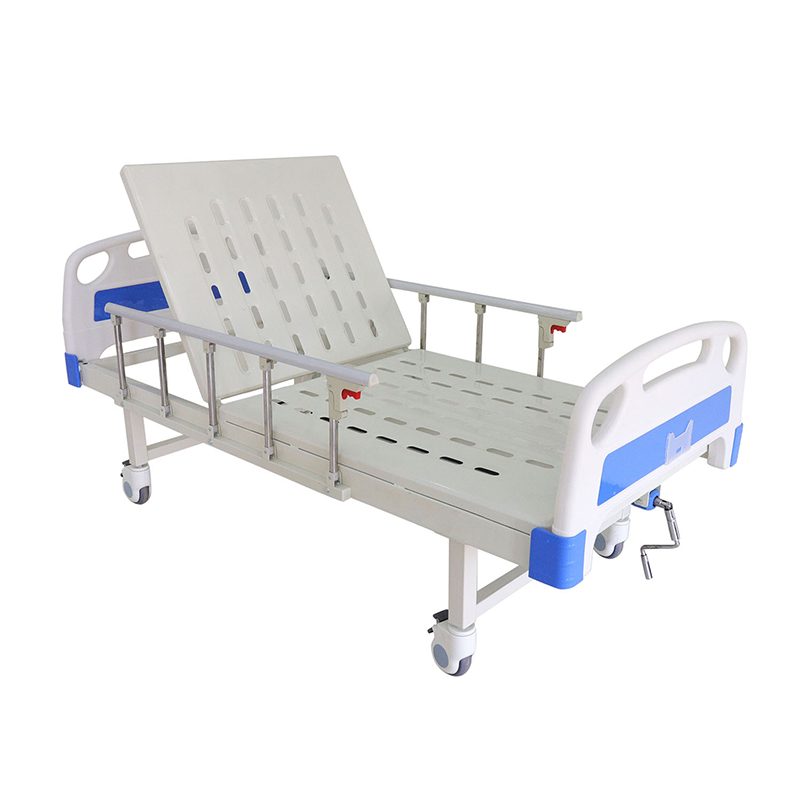
Casters play a critical role in hospital bed mobility. Uneven loading increases pressure on individual wheels, reducing maneuverability and increasing wear.
This may cause:
- Uneven wheel damage
- Reduced braking performance
- Poor directional control
- Increased rolling resistance
- Floor surface damage
Hospital staff move beds frequently through corridors, elevators, and treatment rooms. Reliable caster performance is essential for operational efficiency.
High-quality medical beds often use:
- セントラルロック式キャスター
- Dual-wheel systems
- Heavy-duty caster materials
- Precision bearing systems
Balanced weight distribution helps casters maintain smooth and stable movement.
What Happens When Weight Distribution Is Poor?
Poor weight distribution creates both immediate and long-term performance issues.
Short-Term Problems
- Bed shaking
- Uncomfortable patient positioning
- Uneven mattress pressure
- Noisy motor operation
- Reduced caregiver efficiency
Long-Term Problems
- モーターの故障
- フレームの変形
- Caster damage
- メンテナンス費用の増加
- Reduced bed lifespan
For hospitals operating large numbers of beds, these issues can significantly increase operational expenses.
This is why healthcare buyers increasingly prioritize structural engineering quality instead of focusing only on price.
How Manufacturers Improve Weight Distribution in Medical Beds
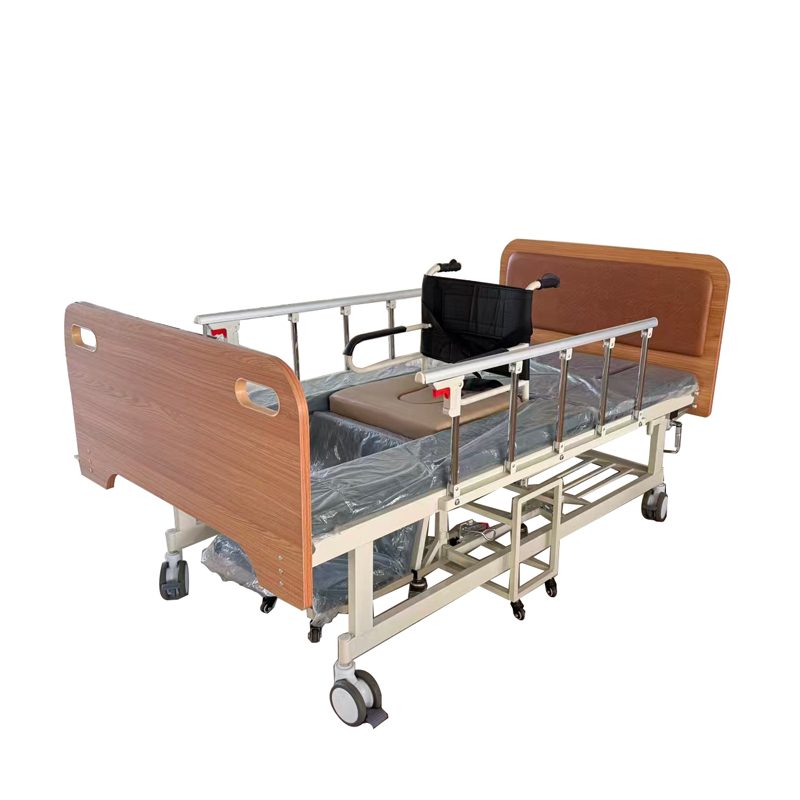
Modern medical bed manufacturers use advanced engineering and testing systems to optimize performance.
Important design improvements include:
Segmented Mattress Platforms
These platforms improve pressure balancing during bed articulation.
Reinforced Frame Structures
Additional support beams distribute force more evenly.
Intelligent Motor Placement
Balanced actuator positioning reduces uneven lifting stress.
Dynamic Load Testing
Manufacturers test beds under real movement conditions to evaluate stability.
Precision Caster Layouts
Optimized wheel positioning improves mobility and balance.
Reliable manufacturers also perform:
- Fatigue testing
- Static load testing
- Dynamic movement testing
- Impact resistance testing
These procedures help ensure long-term performance in demanding healthcare environments.
How Buyers Can Evaluate Medical Bed Weight Distribution
Medical bed buyers should evaluate more than maximum load capacity when selecting products.
重要な要素としては、以下のものが挙げられます:
Dynamic Weight Capacity
This measures performance during movement rather than static loading only.
Structural Reinforcement
Check frame thickness, support structures, and weld quality.
Stability Testing
Evaluate side-to-side movement and edge stability.
Motor Reliability
Test electric adjustments under uneven loads.
キャスターの品質
Heavy-duty casters improve mobility and safety.
Manufacturer Experience
Experienced manufacturers often provide better engineering consistency and quality control.
Healthcare procurement teams should request detailed technical specifications and testing information before purchasing.
How Jcare Supports Reliable Medical Bed Performance
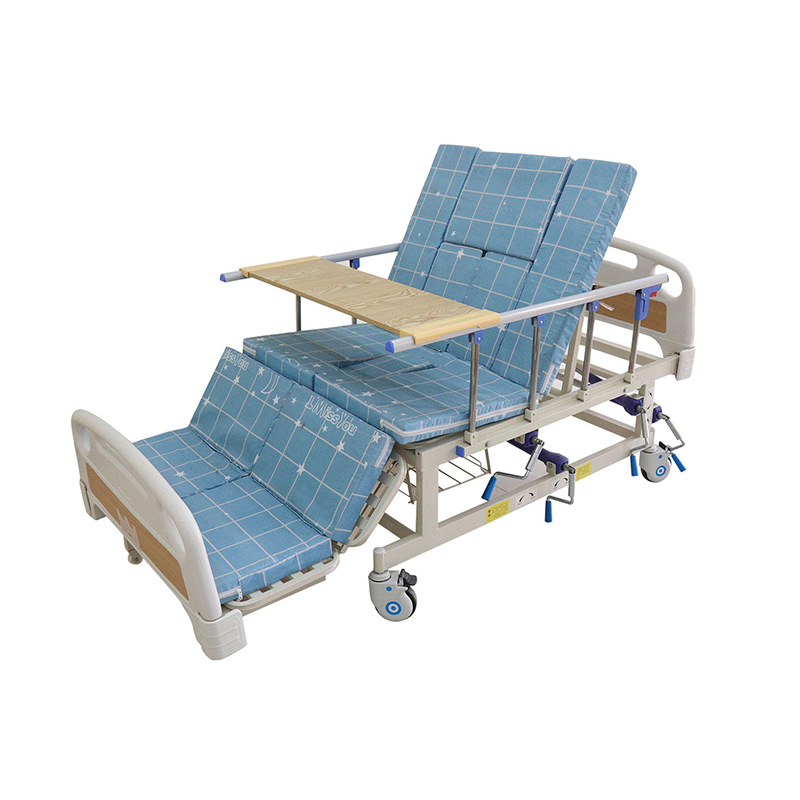
Jcare is a professional B2B medical bed manufacturer in China specializing in hospital beds, home care beds, rehabilitation products, medical furniture, and medical bed accessories.
With a 3000-square-meter bearing processing plant, Jcare focuses on:
- Reinforced structural engineering
- Stable load-bearing performance
- Durable frame construction
- Strict production quality control
- 工場直販価格
- Fast delivery capability
Jcare exports products to India, the Middle East, Southeast Asia, Europe, the USA, Japan, and South Korea, serving hospitals, clinics, distributors, and healthcare procurement companies worldwide.
By emphasizing durability, balanced structural design, and reliable manufacturing quality, Jcare helps healthcare buyers improve long-term operational efficiency.
結論
Weight distribution is a critical factor that directly affects medical bed stability, safety, comfort, motor efficiency, and long-term durability. Properly balanced medical beds reduce structural stress, improve patient support, and enhance caregiver safety during daily operations. For hospitals, clinics, rehabilitation centers, and medical equipment distributors, understanding weight distribution helps ensure smarter purchasing decisions and better long-term performance. If you are evaluating medical beds for your healthcare projects, feel free to share your thoughts, questions, or purchasing requirements in the comments or contact us for more information.