
Many healthcare providers and caregivers wonder whether rehabilitation beds are truly necessary or if standard beds can provide enough support during recovery. Choosing the wrong bed can lead to patient discomfort, slower rehabilitation, and increased caregiver strain. Rehabilitation beds are specifically designed with advanced mobility, positioning, and safety features that improve recovery efficiency, patient comfort, and long-term care support.
Rehabilitation beds differ from standard beds because they are designed to actively support patient recovery, mobility, and long-term care. Unlike standard beds that mainly provide basic sleeping support, rehabilitation beds include advanced electric positioning, pressure relief systems, mobility assistance, and enhanced safety features. These functions help reduce complications, improve patient independence, support rehabilitation therapy, and increase caregiver efficiency in hospitals, rehabilitation centers, nursing homes, and home care environments.
Understanding these differences helps medical buyers choose more effective solutions for modern patient care.
Understanding What a Rehabilitation Bed Is
A rehabilitation bed is a specialized medical bed designed to help patients recover from illness, injury, surgery, or long-term mobility limitations. Unlike standard beds, rehabilitation beds become an active part of the treatment and recovery process.
これらのベッドは、一般的に次のような用途に使われます:
- Stroke rehabilitation
- Elderly care
- Orthopedic recovery
- 神経リハビリテーション
- 長期にわたり寝たきりの患者
- 在宅医療
- 術後の回復
Modern rehabilitation beds combine comfort, safety, mobility assistance, and therapeutic positioning into one integrated solution.
Their goal is not simply to provide rest, but to improve recovery outcomes while reducing caregiver workload.
Key Differences Between Rehabilitation Beds and Standard Beds
The primary difference lies in functionality and patient support.
Standard beds are designed mainly for basic patient accommodation. Rehabilitation beds are designed to assist movement, improve comfort, and support rehabilitation therapy.
| 特集 | Standard Beds | リハビリベッド |
|---|---|---|
| Basic Sleeping Support | Yes | Yes |
| Electric Adjustment | Limited | Advanced |
| Rehabilitation Assistance | No | Yes |
| プレッシャー・リリーフ・サポート | Basic | Advanced |
| Mobility Assistance | Minimal | Extensive |
| Long-Term Care Design | Limited | Specialized |
| 安全機能 | Standard | Enhanced |
| Rotation Functions | Rare | Common |
| 介護者支援 | Basic | Advanced |
| Patient Independence Support | Low | 高い |
Because of these advanced functions, rehabilitation beds are commonly used in environments where long-term recovery and mobility support are essential.
Why Rehabilitation Beds Improve Patient Recovery
Recovery involves much more than simple bed rest. Proper positioning, movement, circulation, and safety all play critical roles in rehabilitation success.
Rehabilitation beds improve recovery in several important ways.
Better Body Positioning
Patients recovering from surgery or physical trauma often require regular position adjustments.
Rehabilitation beds allow:
- 背もたれの高さ
- Leg lifting
- 高さ調整
- Customized positioning
- Therapeutic posture support
Proper positioning improves circulation, reduces swelling, enhances breathing, and minimizes patient discomfort.
Pressure Ulcer Prevention
Long-term bedridden patients face serious risks of pressure sores and skin damage.
Many rehabilitation beds include:
- Pressure-relief mattress systems
- Dynamic air surfaces
- Multi-zone support
- Automatic repositioning features
These functions help reduce pressure concentration and improve patient comfort.
Improved Mobility Support
Mobility is one of the most important aspects of rehabilitation.
Rehabilitation beds help patients:
- Sit up more independently
- Transfer safely
- Perform mobility exercises
- Exit the bed more easily
- Reduce dependence on caregivers
Patients who regain movement earlier often recover more quickly both physically and emotionally.
介護者の負担軽減
Caregivers frequently experience physical strain when manually repositioning patients.
Rehabilitation beds reduce labor intensity through:
- Electric controls
- Adjustable height systems
- Rotation assistance
- より安全な患者の移送
- Easier repositioning
This improves efficiency in hospitals, rehabilitation centers, and home care settings.
Advanced Features Commonly Found in Rehabilitation Beds
Rehabilitation beds are equipped with specialized technologies that standard beds usually lack.
Electric Adjustment Systems
Most rehabilitation beds provide multiple electric adjustment functions, including:
- 背もたれの調整
- 膝の挙上
- Full bed height adjustment
- トレンデレンブルグのポジショニング
- 逆トレンドレンブルグポジショニング
Electric systems improve convenience while reducing manual effort.
Rotation Assistance
Some rehabilitation beds feature rotation systems that help patients:
- Turn safely
- Reduce pressure buildup
- Exit the bed more comfortably
- Improve mobility training
Rotating beds are especially useful for elderly and disabled patients.
Enhanced Safety Side Rails
Safety side rails help prevent accidental falls while improving patient stability.
Common options include:
- ABSサイドレール
- Foldable side rails
- Aluminum alloy side rails
- Locking protection systems
These features improve both safety and accessibility.
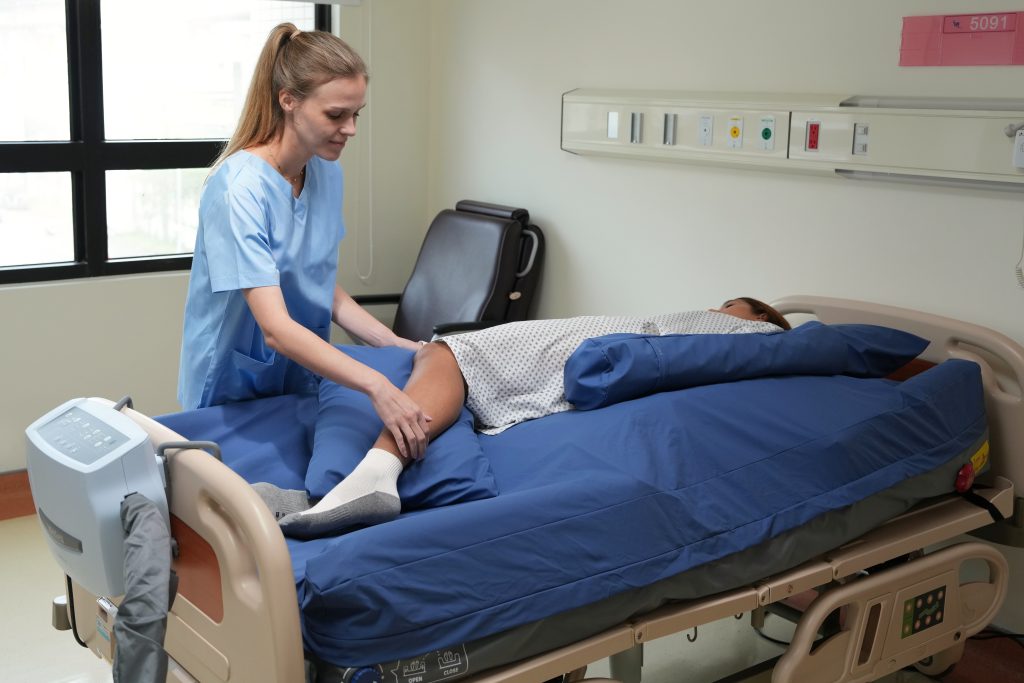
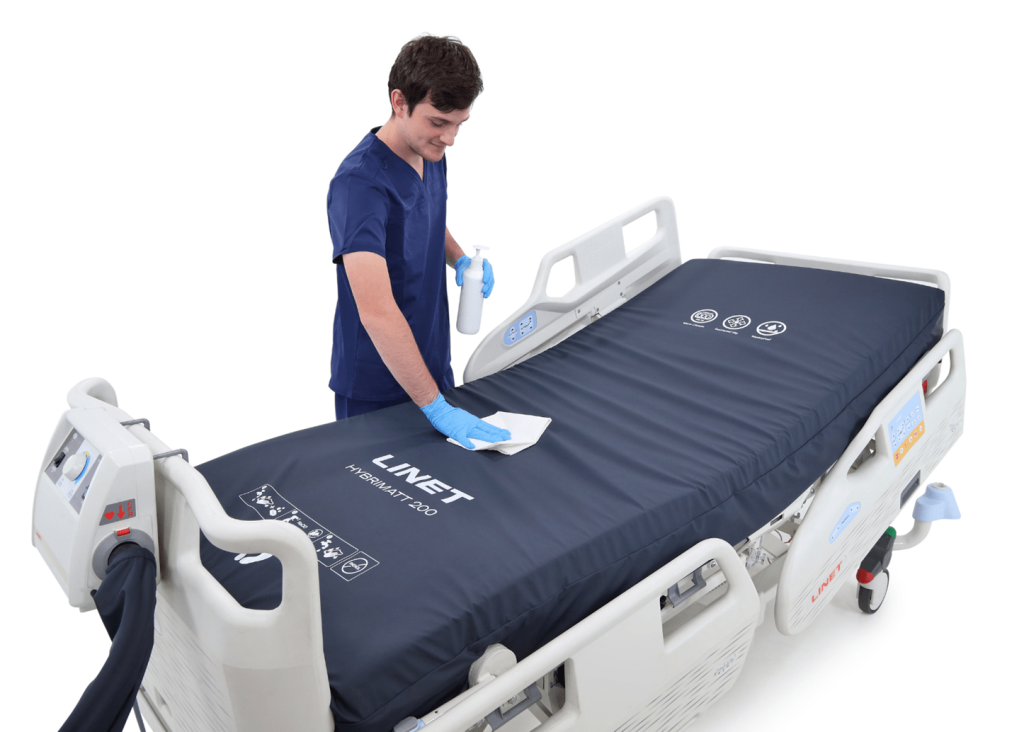
Pressure Management Technology
Pressure relief systems are essential for patients who remain in bed for extended periods.
Modern rehabilitation beds may include:
- Air mattress compatibility
- Dynamic pressure redistribution
- Foam support systems
- Adjustable surface firmness
These technologies help minimize complications caused by immobility.
Medical-Grade Casters
High-quality rehabilitation beds often include:
- セントラル・ロック・システム
- Double-sided caster locks
- Smooth mobility movement
- Stable braking systems
This allows safer transportation and repositioning inside healthcare facilities.
Smart Control Systems
Advanced rehabilitation beds increasingly feature:
- Remote controls
- Digital nurse control panels
- Memory positioning
- Emergency CPR functions
Smart technology improves patient management and operational efficiency.
Which Patients Benefit Most from Rehabilitation Beds?
Rehabilitation beds are designed for patients who require more than basic resting support.
Stroke Recovery Patients
Stroke patients often struggle with:
- Muscle weakness
- Limited movement
- Balance problems
- Paralysis
Rehabilitation beds help improve positioning, mobility training, and transfer safety.
高齢の患者
Older patients frequently require:
- Long-term comfort
- 転倒予防
- Mobility assistance
- Pressure relief support
Rehabilitation beds improve daily care while reducing caregiver burden.
Orthopedic Recovery Patients
Patients recovering from fractures or joint surgeries benefit from:
- Controlled positioning
- Easier movement
- Reduced pain during transfers
- Improved rehabilitation exercises
Disabled Individuals
Patients with physical disabilities often require long-term support for:
- Position changes
- Safe transfers
- Mobility assistance
- Daily caregiving
Rehabilitation beds improve both independence and quality of life.
長期にわたり寝たきりの患者
Patients with chronic illnesses or severe mobility limitations need:
- Continuous pressure management
- Safer repositioning
- Respiratory support
- Enhanced comfort
Rehabilitation beds significantly reduce long-term complications.
Growing Demand for Rehabilitation Beds in Home Care
Home healthcare is growing rapidly worldwide, especially among aging populations.
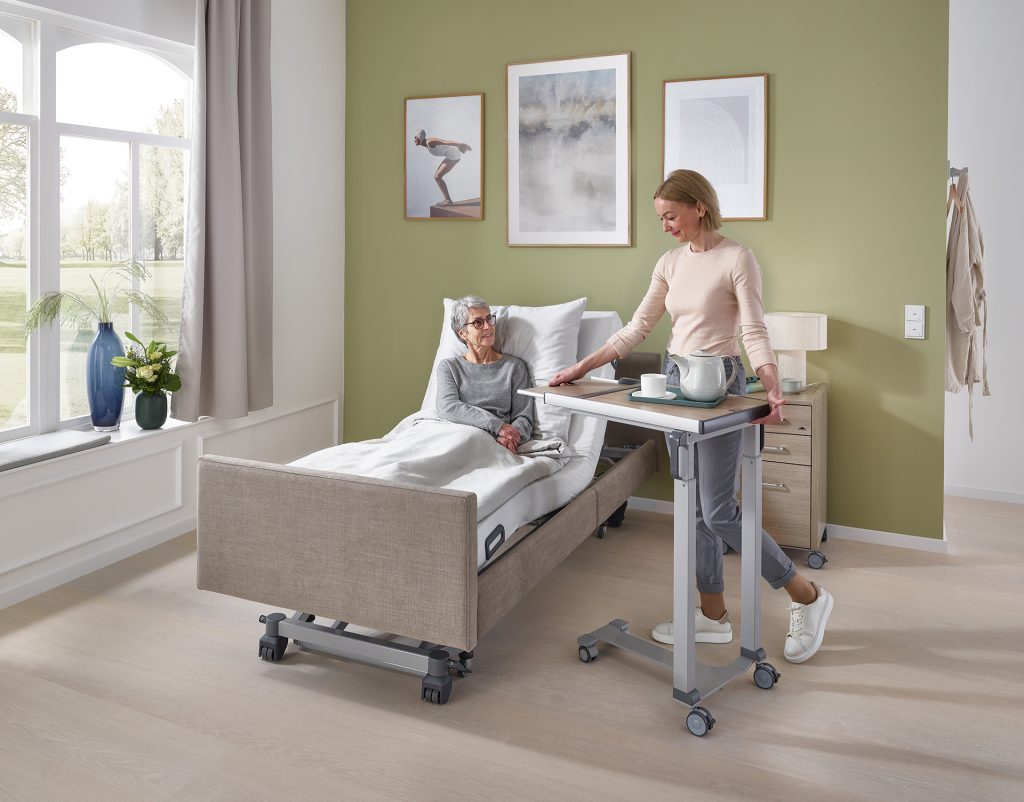
Many families now prefer home-based rehabilitation instead of extended hospital stays. Rehabilitation beds help make this possible by providing hospital-level support within residential environments.
Modern home care rehabilitation beds are designed with:
- 静音モーターシステム
- 木製のヘッドボード
- 家庭的な外観
- Compact structures
- User-friendly controls
These features help create a more comfortable home environment while maintaining professional care functionality.
Home care rehabilitation beds also help reduce caregiver fatigue and improve patient dignity during long-term recovery.
テレノ
Important Factors Buyers Should Consider
Choosing the right rehabilitation bed requires careful evaluation of patient needs, product functionality, and supplier reliability.
Patient Requirements
Different patients require different rehabilitation functions based on:
- Mobility level
- 耐荷重
- Medical condition
- Recovery goals
- Duration of care
Functional Requirements
Buyers should determine whether they need:
- Electric or manual operation
- Rotation functions
- Transfer assistance
- Advanced positioning systems
- 圧力開放技術
Choosing the correct features improves long-term value.
Safety and Certifications
Reliable rehabilitation beds should comply with international standards and medical certifications to ensure product safety and export compliance.
Durability and Structural Quality
High-quality rehabilitation beds should include:
- Strong steel frames
- Durable motors
- 信頼性の高いサイドレール
- Medical-grade casters
- 安定した構造設計
Durability helps reduce maintenance costs and increase product lifespan.
Supplier Reliability
Professional buyers should evaluate suppliers based on:
- Manufacturing capacity
- Export experience
- Inventory stability
- Delivery speed
- Quality control systems
- OEM/ODM support
Reliable suppliers provide greater long-term business value.
Global Trends Driving Rehabilitation Bed Demand
Several healthcare trends are increasing global demand for rehabilitation beds.
高齢化社会
The global elderly population continues to grow, increasing demand for long-term care and mobility support solutions.
Expansion of Home Healthcare
Families increasingly choose home rehabilitation due to lower healthcare costs and improved patient comfort.
Rising Chronic Diseases
Conditions such as stroke, neurological disorders, and orthopedic injuries require advanced rehabilitation support.
Focus on Care Efficiency
Hospitals and rehabilitation centers seek equipment that:
- Improves patient outcomes
- Reduces caregiver strain
- Prevents complications
- Enhances operational efficiency
Rehabilitation beds directly support these goals.
結論
Rehabilitation beds are far more advanced than standard beds because they are specifically designed to support patient recovery, mobility, safety, and long-term care. Their specialized features — including electric positioning, pressure management, mobility assistance, and enhanced safety systems — help improve rehabilitation outcomes while reducing caregiver workload.
As global demand for rehabilitation and home healthcare continues to rise, rehabilitation beds are becoming increasingly important in hospitals, rehabilitation centers, nursing homes, and residential care environments. Buyers who focus on functionality, durability, patient comfort, and supplier reliability can achieve stronger long-term value and better patient satisfaction.
If you are exploring rehabilitation bed solutions for your market, feel free to share your thoughts, questions, or purchasing experiences in the comments below.