
Many buyers ask the same question when planning a hospital bed order: what size is suitable for different patients? If the size is wrong, the bed may reduce comfort, limit nursing work, create mattress gaps, or waste ward space. The solution is to match bed width, length, height, weight capacity, and accessories to each patient group and care setting.
The right hospital bed size depends on the patient’s height, weight, body shape, mobility level, mattress needs, and care environment. Standard adult beds often use a sleep surface around 36 inches wide by 80 inches long, while taller, bariatric, elderly, ICU, rehabilitation, and home care patients may need longer, wider, lower, or more specialized beds. Buyers should also confirm mattress fit, side rail compatibility, room space, and safe working load before ordering.
A bed is not only a frame. It is a patient safety and care efficiency system.
Why Does Hospital Bed Size Matter for Patient Care?
Hospital bed size affects comfort, movement, transfer safety, nursing access, and facility planning. For hospitals, clinics, nursing homes, and home care buyers, the wrong size can create problems after delivery. A narrow bed may make turning difficult. A short bed may leave a tall patient cramped. A bed that is too wide may not move easily through corridors, doors, or elevators.
For B2B procurement, size selection also affects inventory control. If every department buys a different size without planning, mattresses, side rails, spare parts, and sheets become harder to manage. A clear size strategy helps buyers reduce mismatch and control long-term costs.
What Is the Standard Hospital Bed Size?
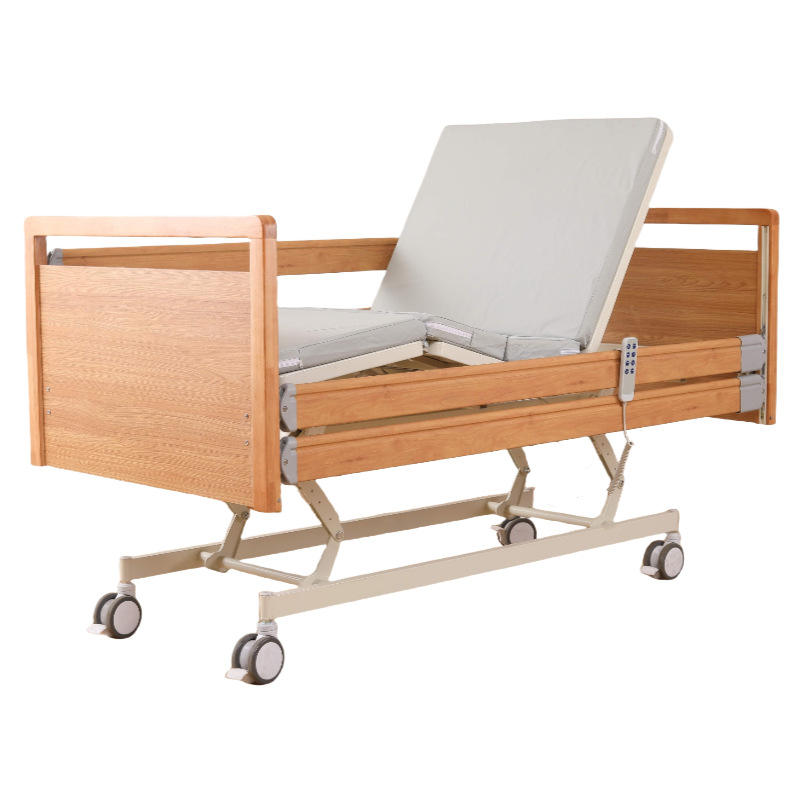
A common standard adult hospital bed sleep surface is about 36 inches wide by 80 inches long. Some metric models use a similar platform, such as about 90 cm by 200 cm. Overall bed dimensions are usually larger than the sleep surface because headboards, footboards, side rails, and bumpers add extra length and width.
This size is practical for many adult patients and general care rooms. It fits common hospital mattresses and supports daily nursing tasks. However, “standard” does not mean “universal.” Buyers still need to consider patient height, weight, transfer method, and care environment.
Standard Adult Patients
For average adult patients, a standard adult hospital bed is usually the most efficient choice. It supports general medical care, short-term recovery, nursing home use, and many home care needs. It also helps distributors and hospitals manage stock because standard mattresses and accessories are easier to source.
Taller Patients
Taller patients may need an extended-length bed or a bed with an extension option. If the bed is too short, the patient may bend the knees, slide down, or place pressure on the heels and lower legs. Buyers should ask whether the bed supports a longer sleep deck and whether the supplier provides a matching longer mattress.
Smaller or Frail Patients
Smaller adults and frail elderly patients may not need a wider bed. In fact, an oversized bed can make repositioning and side rail protection less effective. For these patients, low height, easy transfers, stable rails, and correct mattress thickness may matter more than extra width.
How Should Buyers Choose Hospital Bed Width?
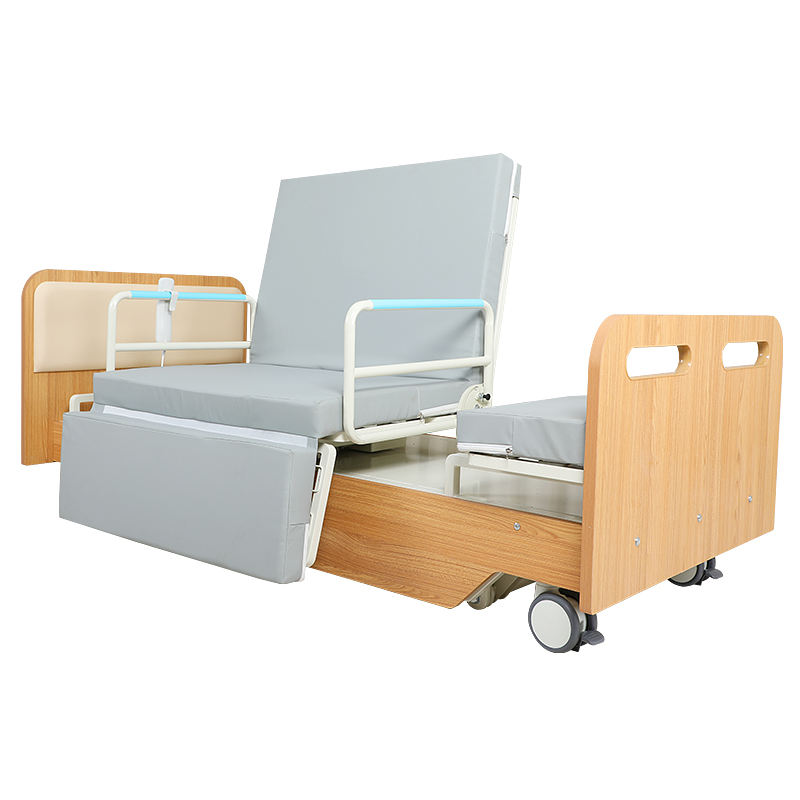
Bed width controls how much turning space a patient has. It also affects caregiver access and ward layout. Buyers should choose width by patient body size and care requirements, not by price alone.
36-Inch or 90-Cm Beds for General Use
A 36-inch or 90-cm bed is suitable for many standard adult patients. It saves space in general wards and works well for clinics, nursing homes, and home care rooms. This size is also easier to ship, store, and match with common mattresses.
For Jcare buyers, standard-width beds are often suitable for hospitals and private clinics that need reliable beds for broad use. They are practical when the goal is stable quality, fast delivery, and efficient wholesale purchasing.
Wider Beds for More Comfort and Turning
Some patients are not bariatric but still need extra room. They may have wounds, pain, limited mobility, post-surgery restrictions, or frequent repositioning needs. A wider bed can help caregivers turn the patient more smoothly and may improve comfort during long stays.
However, wider beds need more space. Buyers should measure the room, nurse working area, door width, elevator size, and transport route before ordering. A wider bed that cannot move through the facility creates a logistics problem.
Bariatric Beds for Heavier Patients
Bariatric patients need more than a larger sleeping surface. They need a reinforced frame, higher safe working load, stronger motors or mechanisms, durable casters, suitable side rails, and a mattress designed for higher pressure management.
For bariatric care, buyers should check the patient weight range, safe working load, bed width, motor strength, side rail strength, and mattress performance. They should also confirm whether the bed can pass through doors and elevators.
How Should Buyers Choose Hospital Bed Length?
Length is just as important as width. A patient should be able to lie comfortably without pressure at the head or foot end. The bed should also support correct positioning when the backrest or knee section is raised.
80-Inch or 200-Cm Beds for Most Adults
Many adult beds use an 80-inch or 200-cm sleep surface. This size works for many patients and supports standard mattress purchasing. It is a good option for hospitals, clinics, and distributors that need simple model planning.
Buyers should remember that overall bed length may be longer than the mattress platform. Always check both sleep surface size and total product size before calculating room layout or container loading.
Extended Beds for Tall Patients
Tall patients may require an 84-inch bed, a 220-cm platform, or an extension section, depending on the product design. The goal is to avoid heel pressure, cramped posture, and poor alignment.
When selecting extended beds, buyers should ask three questions. Does the bed frame extend safely? Does the mattress extend with it? Do the side rails still protect the patient after extension?
How Does Bed Height Affect Different Patients?
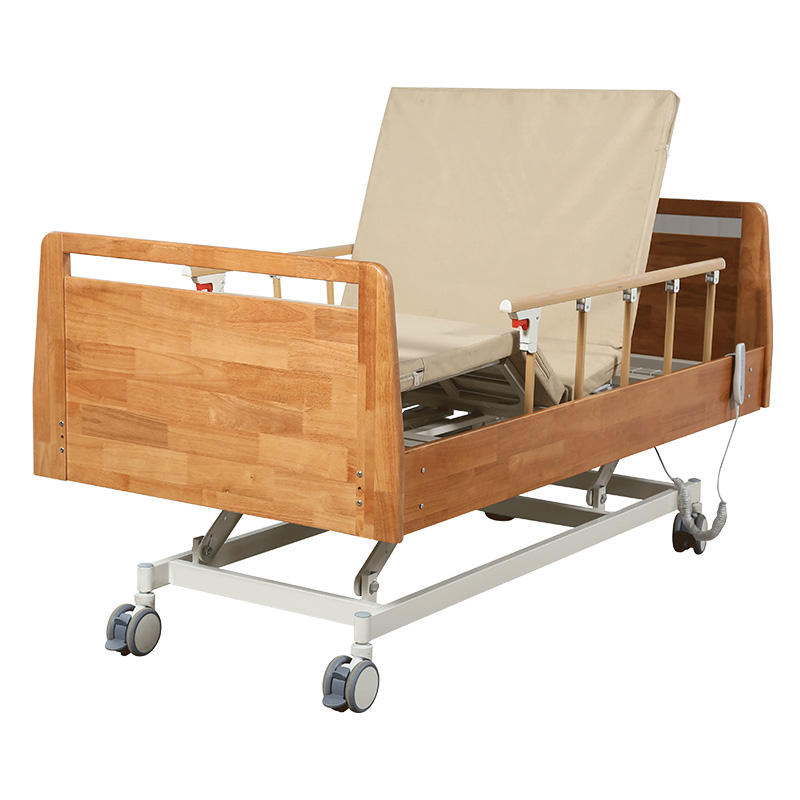
Bed height is a key size factor because it affects transfer safety and caregiver posture. A low position can help patients get in and out of bed. A higher position can help nurses work without excessive bending. Height adjustment gives the best balance.
Elderly Patients
Elderly patients often need lower beds or height-adjustable beds. A lower height can make transfers easier and may reduce injury risk if a fall occurs. This is especially important in nursing homes and home care rooms where patients may try to leave the bed without help.
Buyers should also check caster locks, side rail operation, control panels, and mattress height. A thick mattress on a low bed can still create a high sitting surface, so the full bed-and-mattress height must be considered.
Rehabilitation Patients
Rehabilitation patients may sit, stand, transfer, and practice mobility every day. Their bed should adjust to wheelchairs, walkers, transfer boards, and therapy routines. A height-adjustable bed can reduce caregiver strain and support safer movement training.
Why Must the Mattress Match the Bed Size?
A hospital bed and mattress should be selected together. A mattress that is too small can leave unsafe gaps. A mattress that is too large may block bed movement or side rail operation. A mattress that is too thick can reduce the effective side rail height.
The U.S. FDA notes that hospital bed systems can create life-threatening entrapment risks when openings around the bed, rails, and mattress are not properly controlled. Its dimensional guidance is designed to help reduce these risks. This makes mattress compatibility a safety issue, not just a comfort issue.
Check Mattress Width, Length, and Thickness
The mattress should match the sleep deck width and length. If it is narrow, gaps may appear at the side. If it is short, gaps may appear at the head or foot end. If it is too wide or too long, it may shift, bend poorly, or block bed movement.
Mattress thickness also matters. A thick mattress may feel comfortable, but it can reduce side rail coverage. A thin mattress may lower the patient, but it may not provide enough pressure support. The best choice depends on patient risk, care duration, and the bed rail design.
What Role Do Side Rails Play in Size Selection?
Side rails must match the bed frame and mattress. They should support patient safety without creating dangerous gaps. Buyers should avoid mixing beds, rails, and mattresses from different sources unless compatibility has been checked.
For professional procurement, size selection should include frame design, rail dimensions, mattress fit, and product instructions. Adult medical bed safety standards focus on basic safety and essential performance, so buyers should confirm which standard applies in their target market before purchasing.
Which Hospital Bed Size Fits Each Care Setting?
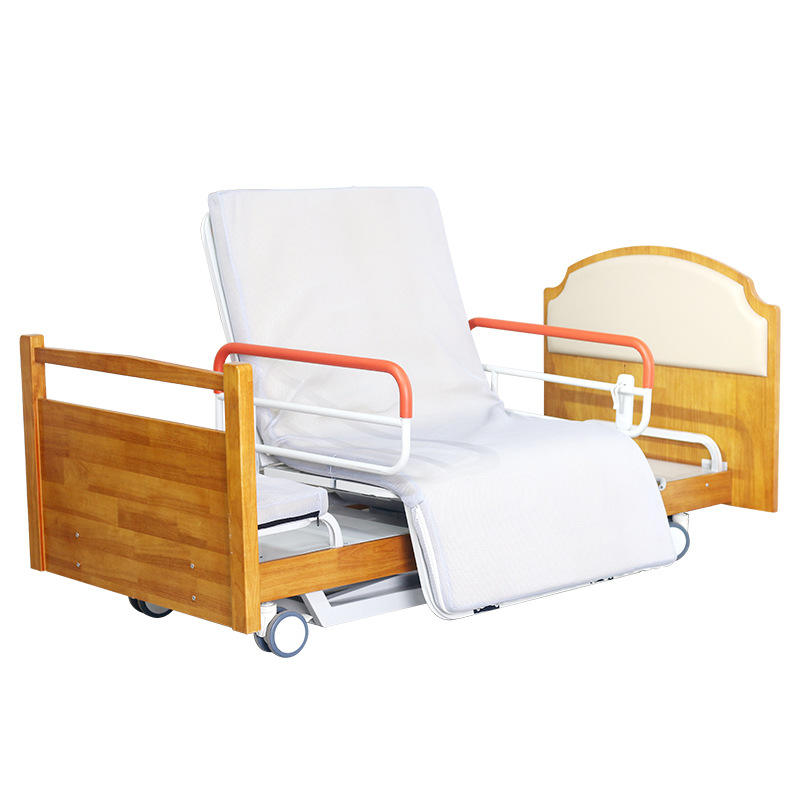
Different care settings need different size priorities. A hospital ward, private clinic, nursing home, ICU, rehabilitation center, and home care room do not use beds in exactly the same way.
General Hospital Wards
General wards usually need standard adult beds. The key goals are consistency, easy cleaning, nursing access, and compatibility with common mattresses and accessories. Standardized sizing also helps hospitals manage maintenance and replacement parts.
Cliniques privées
Private clinics often have limited room space. They may need beds for examination, short observation, and basic recovery. A compact, standard-size bed is usually easier to place and move. Buyers should focus on total footprint, caster quality, and simple operation.
Maisons de retraite
Nursing homes care for many elderly and low-mobility patients. Bed height, side rail safety, mattress comfort, and caregiver access are critical. A low or height-adjustable bed is often more useful than a wider bed unless the patient group requires extra space.
ICU and Bariatric Care Areas
ICU beds must allow access for nurses, doctors, monitors, infusion pumps, oxygen equipment, and emergency care. The bed surface may be standard or specialized, but the total working area around the bed must be larger.
Bariatric areas need wider beds, stronger frames, higher safe working load, and suitable mattresses. Buyers should also plan transport routes and staff access. A bariatric bed must work in the whole facility, not only in the patient room.
Hospital Bed Size Checklist for B2B Buyers
Before placing a wholesale order, buyers should confirm patient height, patient weight, patient width, mobility level, care setting, mattress fit, side rail compatibility, room space, transport route, and accessory fit. These points help buyers avoid size mismatch and reduce after-sales problems.
For patient height, choose standard or extended length. For patient weight, check patient weight capacity and safe working load. For patient width, choose standard, wider, or bariatric beds. For mobility level, consider turning, transfer, and repositioning needs. For room space, measure the bed footprint and caregiver clearance before purchase.
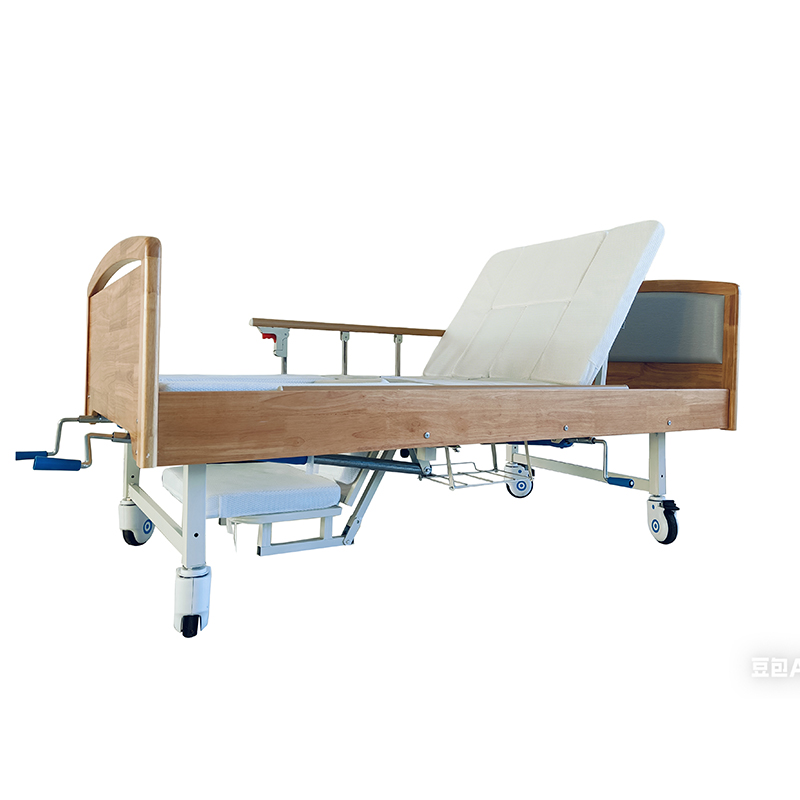
How Jcare Helps Buyers Choose Suitable Hospital Bed Sizes
Jcare is a China-based B2B hospital bed and medical furniture brand. Our products include hospital beds, home care beds, rehabilitation products, medical bed accessories, and other medical furniture. We serve hospitals, private clinics, medical bed purchasers, and home care bed buyers in markets such as India, the Middle East, Southeast Asia, Europe, the USA, Japan, and South Korea.
For wholesale buyers, Jcare can support size selection based on patient groups, care environments, order quantity, mattress needs, and shipping requirements. With factory prices, ample stock, and short delivery time, Jcare helps buyers plan practical hospital bed procurement.
Conclusion
Choosing the right hospital bed size means matching the bed to the patient and the care environment. Standard adult beds are suitable for many general patients, but taller patients may need extended length, bariatric patients need wider reinforced beds, elderly patients may need lower height, and ICU or rehabilitation patients may need more working space around the bed.
Buyers should always check bed width, length, height range, safe working load, mattress compatibility, side rail fit, room layout, and transport access before ordering. A careful size plan improves patient comfort, supports caregivers, reduces safety risks, and makes bulk procurement more efficient.
If you are planning a hospital bed order, share your patient group, room layout, and target market needs with your supplier. You can also leave a comment, share this guide with your purchasing team, or contact Jcare for wholesale hospital bed size recommendations.