
Bulk hospital bed procurement projects often raise critical questions about supplier reliability, product quality consistency, regulatory compliance, and delivery stability. When procurement involves hundreds or even thousands of units, even small mistakes can escalate into significant financial loss and operational disruption. These risks become more severe in cross-border sourcing, where logistics, standards, and communication barriers add additional uncertainty. The solution lies in a structured risk management framework that covers supplier evaluation, production control, logistics planning, and after-sales assurance, ensuring every stage of procurement is controlled and predictable.
Risk management in bulk hospital bed procurement projects is a structured process of identifying and controlling risks across supplier selection, product quality, compliance, logistics, pricing, and after-sales service to ensure safe, timely, and cost-effective delivery of medical beds at scale.
Understanding risk is only the first step. The real value lies in applying structured control strategies throughout the entire procurement lifecycle, from sourcing to installation.
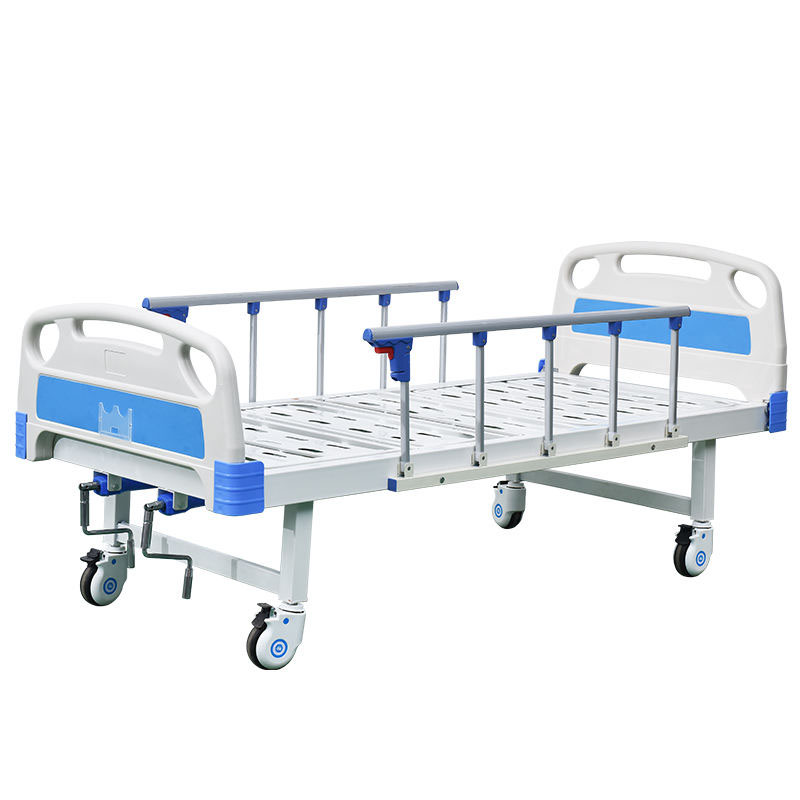
People Also Ask: What Are the Main Risks in Bulk Hospital Bed Procurement?
Bulk hospital bed procurement projects involve multiple layers of operational and financial risk. Unlike small-scale purchasing, bulk orders introduce complexity in production scheduling, quality consistency, international logistics, and regulatory compliance.
The most common risks include supplier instability, inconsistent manufacturing quality, delayed shipments, hidden costs, and insufficient after-sales support. These risks are amplified when buyers operate across international markets such as India, the Middle East, Southeast Asia, Europe, and North America.
For hospitals, distributors, and healthcare purchasing organizations, even minor procurement failures can affect patient care capacity and operational continuity.
Supplier Reliability Risk in Large-Scale Procurement
Supplier reliability is the foundation of risk control in hospital bed procurement. A weak supplier can compromise the entire project, regardless of pricing advantages.
Key supplier risks include:
- Insufficient production capacity for bulk orders
- Lack of export experience in regulated markets
- Unstable raw material sourcing
- Poor communication during production cycles
- Limited quality assurance systems
Reliable manufacturers must demonstrate:
- Consistent monthly production capability
- Documented export history across multiple regions
- Structured internal quality control systems
- Stable supply chain for steel frames, motors, and accessories
A manufacturer such as Jcare reduces supplier risk through factory-scale production systems and standardized export procedures.
Product Quality Risk and Manufacturing Consistency
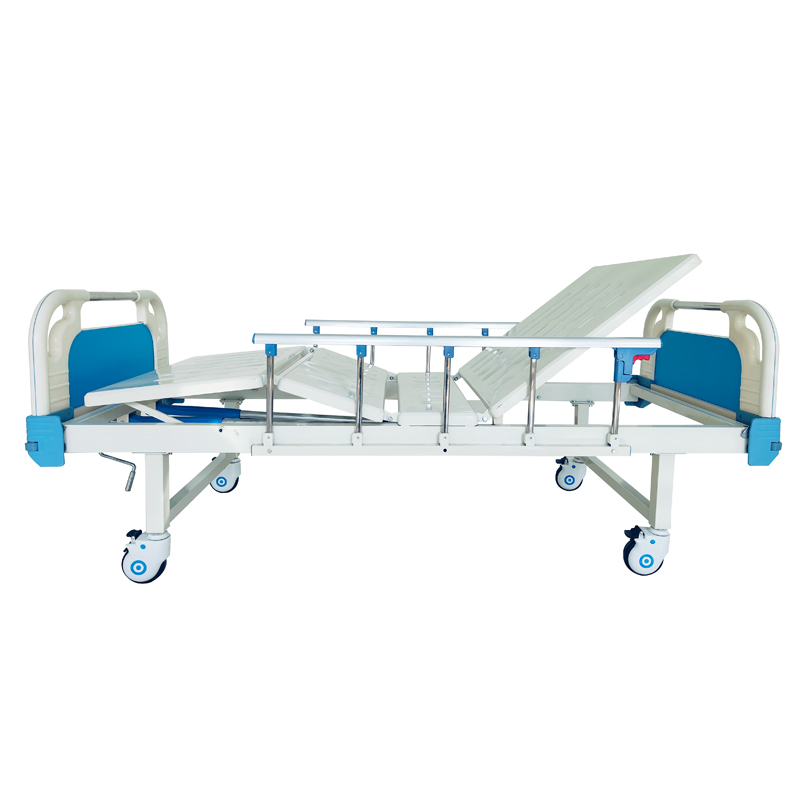
Quality inconsistency is one of the most critical risks in bulk hospital bed procurement. A hospital bed is a safety-critical product, and even minor defects can affect patient safety and operational reliability.
Common quality risks include:
- Welding instability in bed frames
- Motor failure in electric hospital beds
- Uneven coating or corrosion resistance issues
- Inconsistent load-bearing performance
- Improper assembly of side rails or casters
These issues often arise from:
- Non-standardized production processes
- Insufficient batch testing
- Lack of quality control checkpoints
- Supplier outsourcing sub-components without supervision
To mitigate these risks, procurement teams should require:
- Pre-production sample approval
- Batch-level inspection reports
- Load-bearing and stability testing records
- Final pre-shipment inspection by third parties
Standardization is especially critical in ICU beds, electric hospital beds, and rehabilitation beds, where mechanical precision directly affects patient safety.
Regulatory Compliance Risk Across International Markets
Hospital bed procurement is heavily influenced by regulatory frameworks, which vary significantly across regions.
Key compliance requirements include:
- CE certification for European Union medical device markets
- FDA registration or compliance for the United States
- ISO 13485 quality management systems for medical device manufacturing
- Local health authority approvals in countries like India, Saudi Arabia, and Japan
Failure to meet regulatory requirements can result in:
- Customs clearance rejection
- Hospital tender disqualification
- Shipment return or destruction
- Financial penalties and legal disputes
Experienced exporters mitigate compliance risk by designing production systems aligned with multiple international certification standards, ensuring smoother market entry and reduced administrative delays.
Logistics and International Shipping Risk
In bulk hospital bed procurement, logistics is not just transportation—it is a critical risk management component.
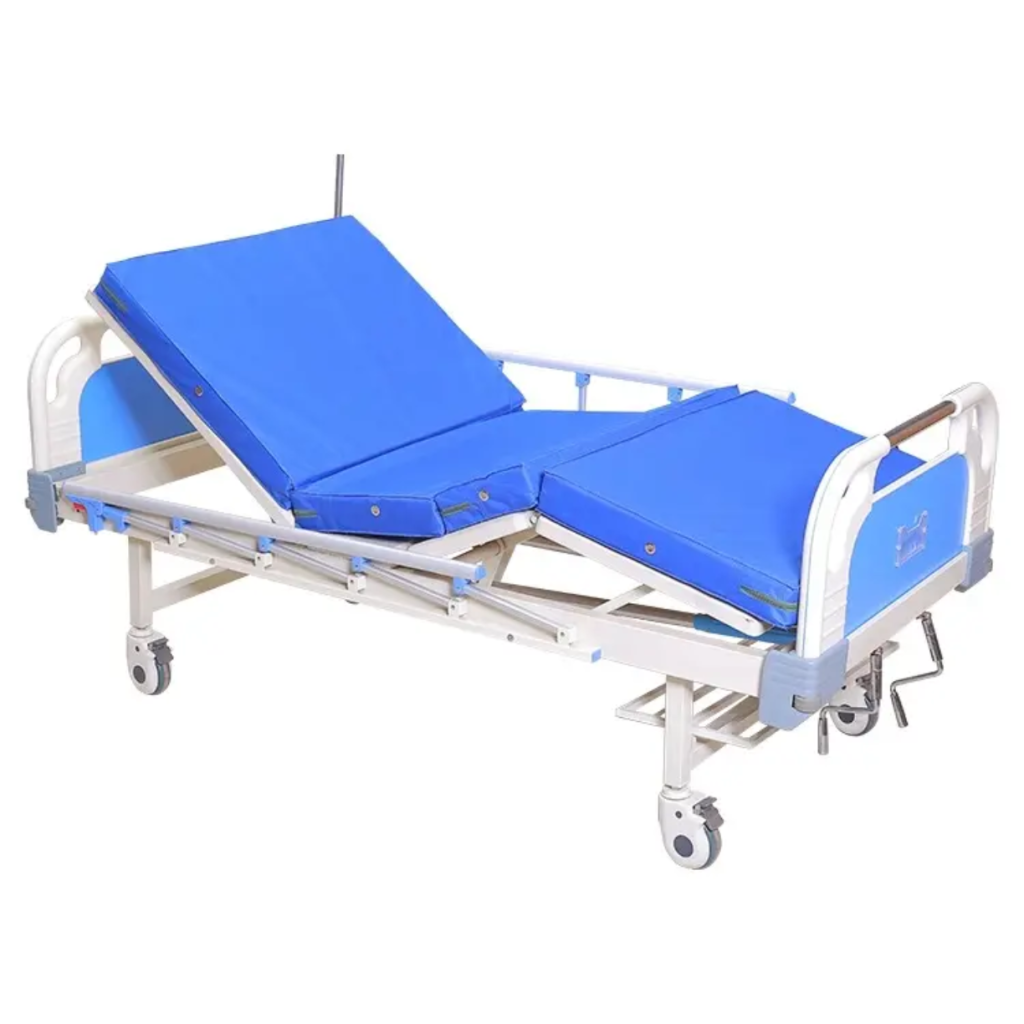
Hospital beds are large-volume, high-weight products that require careful handling during export.
Common logistics risks include:
- Container space inefficiency due to bulky packaging
- Damage during long-distance sea freight
- Incorrect documentation leading to customs delays
- Port congestion and unpredictable shipping schedules
- Missing or inaccurate HS code declarations
Risk mitigation strategies include:
- Reinforced export packaging (steel frame protection + foam buffering)
- Pre-shipment container loading supervision
- Standardized export documentation templates
- Collaboration with experienced freight forwarders
- Optimized product disassembly design for container loading
Manufacturers with stable logistics systems significantly reduce delivery uncertainty, especially for urgent hospital projects.
Pricing Transparency and Financial Risk Control
Financial risk in hospital bed procurement often emerges after contract signing, when hidden costs begin to surface.
Typical financial risks include:
- Unclear pricing terms (FOB, CIF, DDP confusion)
- Unexpected customization charges
- Currency fluctuation impacts on long-term contracts
- Hidden packaging or accessory fees
- After-sales service cost uncertainty
Effective financial risk control requires:
- Transparent quotation breakdowns
- Fixed pricing agreements for bulk orders
- Clearly defined warranty and spare parts policies
- Long-term supplier cooperation contracts
Hospitals and distributors benefit significantly from predictable procurement budgets, especially in large-scale expansion projects.
Production Scheduling and Delivery Risk
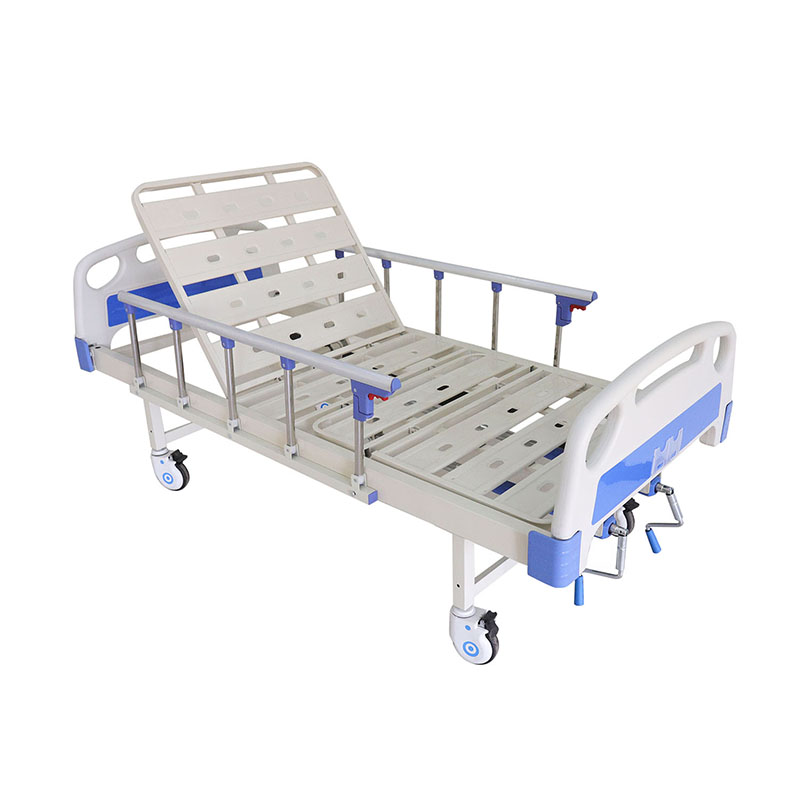
Production delay is one of the most disruptive risks in hospital infrastructure projects. Delays in hospital bed delivery can directly affect patient capacity planning.
Key causes include:
- Overloaded factory production schedules
- Raw material shortages
- Poor production planning systems
- Lack of real-time order tracking
- Inefficient communication between procurement and factory teams
Mitigation strategies include:
- Confirmed production timelines before order placement
- Real-time production updates from suppliers
- Reserved production capacity for bulk buyers
- Pre-scheduled material procurement planning
Factories with integrated production systems and inventory buffers are better positioned to deliver consistent lead times.
Communication and Specification Misalignment Risk
One of the most overlooked risks in bulk procurement is communication failure between buyer and supplier.
Misalignment can result in:
- Incorrect bed dimensions or configurations
- Missing accessories such as IV poles or side rails
- Wrong electrical system specifications
- Packaging or labeling errors
- Delayed approval cycles
Best practices include:
- Detailed technical specification sheets
- Visual drawings or CAD confirmation
- Pre-production approval samples
- Written confirmation at each project stage
Clear communication significantly reduces costly rework and production errors.
After-Sales Service and Lifecycle Risk
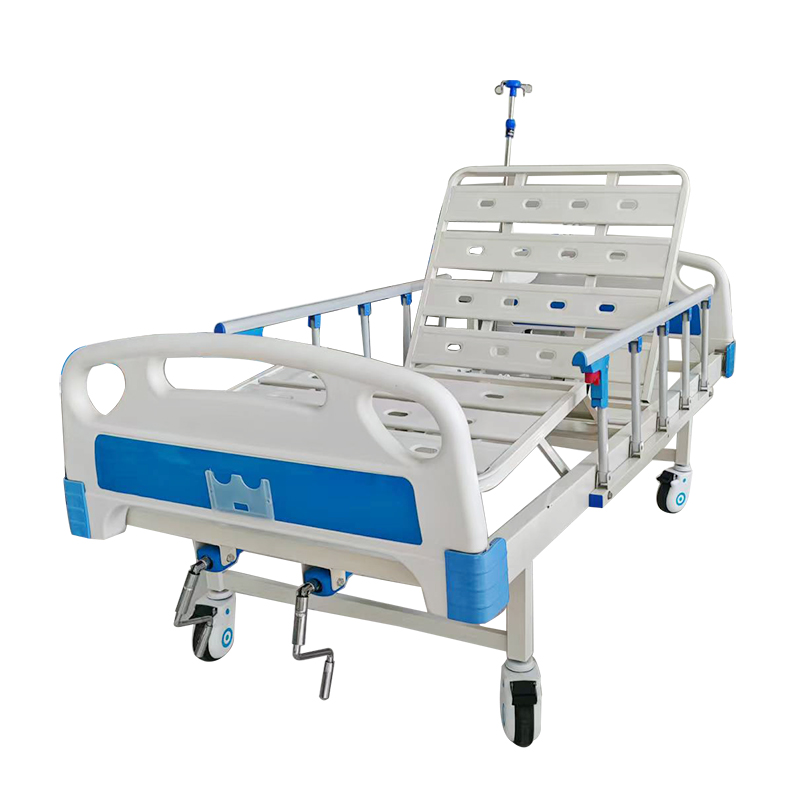
Hospital beds are long-term medical assets, often used continuously for years. Without proper after-sales support, lifecycle costs increase significantly.
Key risks include:
- Lack of spare parts availability
- Delayed maintenance response
- Motor or mechanical system failure without replacement support
- Absence of technical documentation
- Limited warranty coverage
Effective after-sales systems should include:
- Spare parts inventory assurance
- Remote technical support
- Installation and training documentation
- Structured warranty programs
- Long-term maintenance guidance
This is especially critical for electric hospital beds and rehabilitation systems that rely on mechanical and electronic components.
Integrated Risk Management Framework for Hospital Bed Procurement
A complete risk management system typically includes:
- Supplier qualification and factory audits
- Sample validation and pre-production testing
- Contractual risk allocation clauses
- Production monitoring and reporting systems
- Third-party inspection before shipment
- Logistics tracking and insurance coverage
- Post-delivery performance evaluation
This end-to-end structure ensures that risks are controlled at every stage rather than addressed after failure occurs.
How Professional Manufacturers Reduce Procurement Risk
Professional manufacturers play a central role in minimizing procurement uncertainty.
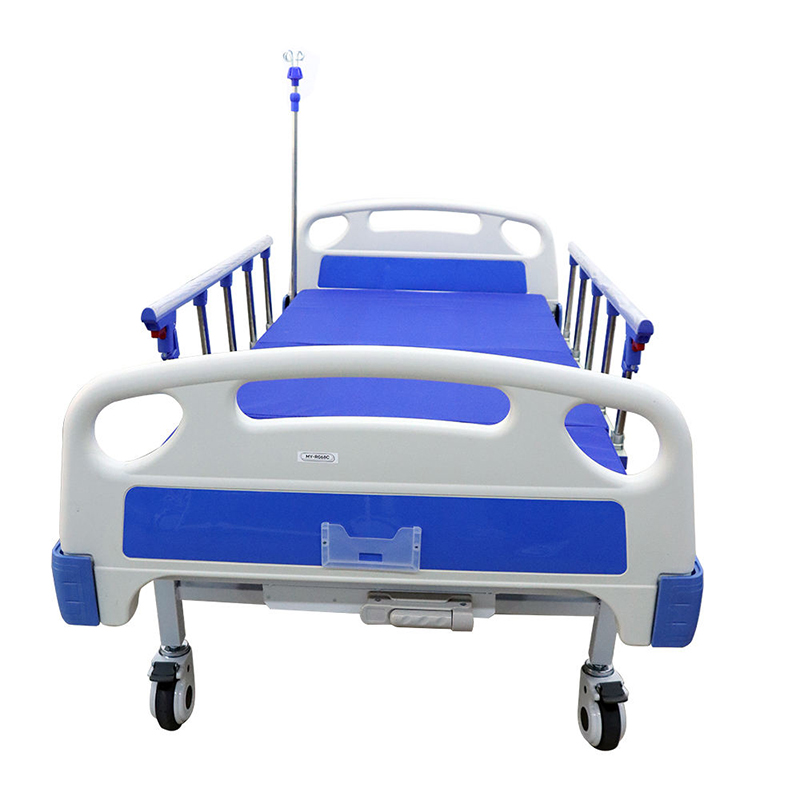
A vertically integrated supplier such as Jcare reduces risk through:
- Stable factory-scale production (3000 m² manufacturing base)
- Strict multi-stage quality inspection systems
- Export experience across Europe, USA, Middle East, and Asia
- OEM/ODM customization with controlled standardization
- Short lead time with inventory support systems
- Professional export packaging and logistics coordination
These capabilities collectively reduce procurement variability and improve project predictability.
Strategic Recommendations for Hospital Procurement Teams
To further reduce procurement risks, buyers should:
- Diversify suppliers for critical projects
- Implement strict technical acceptance standards
- Require third-party inspection for bulk orders
- Maintain buffer inventory for emergency demand
- Establish long-term supplier partnerships
- Conduct periodic supplier performance reviews
A proactive procurement strategy ensures long-term supply stability and cost efficiency.
Conclusion
Risk management in bulk hospital bed procurement projects is essential for ensuring operational stability, financial control, and patient safety. From supplier selection and quality control to logistics and after-sales service, every stage carries potential risks that must be systematically managed. By implementing structured procurement frameworks and working with experienced manufacturers like Jcare, hospitals and distributors can significantly reduce uncertainty and achieve reliable, scalable procurement outcomes.
If you found this guide useful, feel free to share it or leave a comment discussing your own procurement challenges or experiences.